
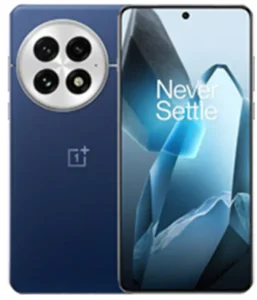
The OnePlus 13 arrived in November 2024 as a flagship powerhouse built around Qualcomm’s latest Snapdragon 8 Elite processor. This device represents OnePlus’s most ambitious effort yet, combining cutting-edge hardware with refined software in OxygenOS 16. The phone features a massive 6.82-inch AMOLED display, triple 50MP camera system co-engineered with Hasselblad, and a substantial 6000mAh battery that supports both wired and wireless fast charging.
With IP68/IP69 water resistance, Ceramic Guard protection, and premium build materials including an optional eco-leather back, the OnePlus 13 targets users who demand flagship performance without compromise. The device ships with Android 15 and promises four major Android upgrades, ensuring longevity that matches its premium positioning. Available in multiple storage configurations up to 1TB with 24GB RAM, this phone caters to power users and enthusiasts.
What Makes the OnePlus 13 Worth Buying?
The Snapdragon 8 Elite chipset sets this phone apart from the competition. Built on a 3nm process, this processor features two high-performance cores clocked at 4.32 GHz—among the fastest mobile processors available. The Oryon V2 architecture delivers exceptional performance for demanding tasks like gaming, video editing, and AI-powered features. Paired with the Adreno 830 GPU, this combination handles the most graphically intensive games at maximum settings while maintaining smooth frame rates.
That camera system deserves serious attention. Three 50MP sensors cover every shooting scenario: a main wide camera with a large 1/1.43-inch sensor for exceptional low-light performance, a periscope telephoto with 3x optical zoom, and an ultrawide with 120-degree field of view. All three cameras benefit from Hasselblad’s color calibration, ensuring consistent and accurate color reproduction across different focal lengths. The main and telephoto cameras both feature optical image stabilization, crucial for sharp photos in challenging conditions and smooth video recording.
Video capabilities reach professional levels with 8K recording at 30fps and multiple frame rate options in 4K and 1080p, including super slow-motion at 480fps. Dolby Vision recording and playback mean content looks spectacular on the phone’s display and compatible external screens. The 32MP front camera records 4K video at 60fps, exceptional quality for video calls and content creation.
The display technology pushes boundaries with LTPO 4.1 AMOLED panel supporting adaptive refresh rates up to 120Hz and 2160Hz PWM dimming for reduced eye strain. Peak brightness reaches an astounding 4500 nits, making outdoor visibility virtually perfect even in direct sunlight. Support for Dolby Vision, HDR10+, and HDR Vivid ensures streaming content and photos display with incredible dynamic range. The 1440 x 3168 resolution delivers razor-sharp text and images at roughly 510 pixels per inch.
Battery performance stands out with the 6000mAh Silicon-Carbon battery—a newer technology that packs more capacity into the same space as traditional lithium-ion cells. The 100W wired charging fills the battery to 50% in just 13 minutes and reaches full charge in 36 minutes. Wireless charging at 50W rivals many phones’ wired charging speeds, and the phone can even reverse charge other devices wirelessly at 10W or via cable at 5W.
Build quality reflects flagship standards with Ceramic Guard glass protection (rated at Mohs level 4), IP68 water resistance up to 1.5 meters for 30 minutes, and IP69 certification against high-pressure water jets. Users can choose between traditional glass or eco-leather backs, both paired with an aluminum frame. At 210-213 grams depending on variant, the phone has substantial heft that conveys quality without feeling uncomfortably heavy.
Things to Know Before Choosing the OnePlus 13
Storage expansion isn’t an option since there’s no microSD card slot. Buyers need to carefully consider their storage needs upfront, though the base 256GB model should satisfy most users. The 512GB variants offer ample room for apps, photos, and videos, while the 1TB option with 24GB RAM targets extreme power users and content creators who need maximum local storage.
The phone lacks a 3.5mm headphone jack, following industry trends. However, it compensates with excellent wireless audio support including aptX HD and LHDC 5, plus 24-bit/192kHz Hi-Res audio output through USB-C. The dual stereo speakers deliver rich sound for media consumption, though audiophiles using wired headphones need a USB-C adapter or DAC.
Physical size might challenge users with smaller hands. The 6.82-inch display and 162.9 x 76.5mm footprint make one-handed operation difficult. The thickness varies between 8.5mm and 8.9mm depending on the back material choice, with the eco-leather version slightly thicker but offering better grip and warmth to the touch.
Software experience differs by region—international markets receive OxygenOS 16 while China gets ColorOS 16. Both run Android 15 with four guaranteed major updates, but the user interface and included apps vary between versions. OxygenOS traditionally offers a cleaner, more stock Android experience, while ColorOS includes additional customization options and features.
The ultrasonic fingerprint sensor represents an upgrade over optical sensors, working reliably even with wet fingers and offering enhanced security. However, some screen protectors interfere with ultrasonic sensors, so buyers planning to use one should verify compatibility or stick with OnePlus-approved accessories.
Is the OnePlus 13 Right for You?
Mobile photographers and content creators find exceptional value in the triple 50MP camera system. The Hasselblad partnership delivers natural color science that requires minimal post-processing, while the periscope telephoto enables portrait photography and distant subject capture without quality loss. The ability to shoot 8K video and 480fps slow motion opens creative possibilities previously limited to professional cameras. The large main sensor excels in challenging lighting, capturing clean images even at night.
Gaming enthusiasts appreciate the Snapdragon 8 Elite’s raw power combined with the Adreno 830 GPU. This hardware runs current games at maximum settings and should handle demanding titles for years to come. The large, high-refresh display provides an immersive gaming experience, and the substantial battery keeps gaming sessions going without constant charging breaks. The advanced cooling system helps maintain performance during extended play.
Power users who multitask heavily benefit from configurations offering up to 24GB RAM. The UFS 4.0 storage ensures apps load instantly and file transfers complete quickly. The combination of processing power and memory handles professional productivity apps, photo editing software, and dozens of open browser tabs simultaneously without slowdown. USB 3.2 connectivity enables fast data transfers to computers and external storage.
Business professionals value the comprehensive connectivity suite including tri-band Wi-Fi 7, Bluetooth 5.4, and multi-constellation GPS. The infrared port enables the phone to control TVs, air conditioners, and other appliances, reducing the need for multiple remotes. The ultrasonic fingerprint sensor and face unlock provide quick, secure access. The IP68/IP69 rating means the phone withstands real-world accidents and harsh environments.
Budget-conscious buyers might find the OnePlus 13’s premium pricing challenging. The flagship specifications come with flagship costs, and while the phone delivers exceptional value compared to some competitors, it’s not positioned as an affordable option. Users who prioritize basic functionality over cutting-edge features might prefer mid-range alternatives that cost significantly less.
Compact phone enthusiasts might struggle with the 6.82-inch display. Those who prefer smaller devices for easier pocket carrying and one-handed use should consider whether the large screen size justifies the performance benefits. The weight and dimensions make this phone best suited for users who don’t mind a larger device or who primarily use their phone with both hands.
Best Alternatives to the OnePlus 13
The Samsung Galaxy S24 Ultra offers similar flagship specifications with a focus on productivity features like the integrated S Pen stylus. Samsung provides longer software support with seven years of updates, though the phone typically costs more and uses a different design philosophy. The camera system emphasizes higher zoom capabilities with a 10x periscope lens.
Google Pixel 9 Pro delivers exceptional computational photography that often outperforms higher-megapixel counts through intelligent software processing. The pure Android experience with seven years of guaranteed updates appeals to users who prioritize clean software and long-term support. However, it uses an older chipset and lacks some hardware features like the infrared port.
The iPhone 15 Pro Max provides the iOS ecosystem experience with Apple’s A17 Pro chip and excellent camera system. It offers the best video recording capabilities in smartphones and integrates seamlessly with other Apple devices. The trade-off comes in iOS’s different approach to customization and the need to commit to Apple’s ecosystem.
Xiaomi 14 Ultra competes directly with an even larger camera system including a one-inch main sensor and Leica color science. It offers similar performance at potentially lower prices depending on the market. The camera-focused design appeals to photography enthusiasts who prioritize imaging above all else, though software support timelines are shorter.
OnePlus 13 Frequently Asked Questions
Does the OnePlus 13 support wireless charging?
Yes, the OnePlus 13 supports wireless charging at an impressive 50W, which is faster than many competitors’ wired charging solutions. This allows the 6000mAh battery to charge wirelessly in about an hour. The phone also supports 10W reverse wireless charging, letting you charge compatible devices like earbuds or smartwatches by placing them on the back of the phone. For wired charging, the device supports 100W fast charging that reaches 50% in just 13 minutes and fully charges in 36 minutes.
What makes the Snapdragon 8 Elite processor special?
The Snapdragon 8 Elite represents Qualcomm’s most advanced mobile processor, built on a cutting-edge 3nm manufacturing process. It features custom Oryon V2 cores with two performance cores running at 4.32 GHz—among the fastest clock speeds in any smartphone processor. This delivers exceptional performance for demanding tasks like gaming, video editing, and AI applications. The Adreno 830 GPU provides significant improvements in graphics performance and efficiency, while the advanced architecture improves battery life despite the increased power.
How waterproof is the OnePlus 13?
The OnePlus 13 carries both IP68 and IP69 certifications, offering comprehensive water and dust protection. The IP68 rating means the phone can be submerged in up to 1.5 meters of water for 30 minutes without damage, protecting against accidental drops in pools, sinks, or toilets. The IP69 rating is more unusual and indicates protection against high-pressure, high-temperature water jets, making it suitable for use in particularly harsh conditions. This combination makes the OnePlus 13 one of the most rugged flagship smartphones available.
What is the difference between the glass and eco-leather back versions?
The OnePlus 13 comes in two back material options affecting both aesthetics and practical use. The glass back offers a premium, traditional smartphone feel with a smooth surface that’s easier to clean and more resistant to wear over time. The eco-leather (silicone polymer) back provides better grip, feels warmer to the touch, and resists fingerprints better than glass. The eco-leather version is slightly thicker at 8.9mm compared to 8.5mm for the glass variant and weighs about 3 grams more at 213g. Both options feature the same Ceramic Guard front glass and aluminum frame.
How long will the OnePlus 13 receive software updates?
OnePlus commits to providing four major Android upgrades for the OnePlus 13, which launched with Android 15. This means the device will receive Android 16, 17, 18, and 19 updates, keeping it current with new features and security patches through approximately 2028. This represents OnePlus’s most generous update policy yet and matches or exceeds many competitors in the flagship space. The phone runs OxygenOS 16 in international markets and ColorOS 16 in China, both based on Android 15 with OnePlus’s customizations and optimizations.