
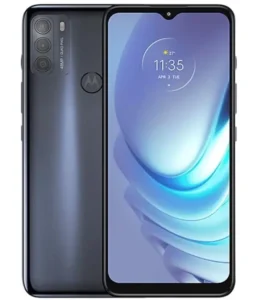
The Motorola Moto G50 entered the market in April 2021 as an affordable gateway to 5G connectivity. Built around the Qualcomm Snapdragon 480 5G chipset, this device targets budget-conscious users who want next-generation network speeds without breaking the bank. The phone combines a large 6.5-inch display with a 90Hz refresh rate, a capable 48MP main camera, and a substantial 5000mAh battery. Its water-repellent design and triple camera setup make it a practical choice for everyday use.
Motorola positioned this device to compete in the crowded mid-range segment where value matters most. The inclusion of 5G support at this price point was significant when launched, giving users access to faster data speeds in compatible markets. The phone runs Android 11 out of the box with an upgrade path to Android 12, ensuring reasonable software longevity for its class.
What Makes the Motorola Moto G50 Worth Buying?
The standout feature here is undoubtedly the 5G capability powered by the Snapdragon 480 chipset. This processor brings next-gen connectivity to an accessible price bracket, allowing users to take advantage of faster download speeds and lower latency where 5G networks are available. The octa-core CPU configuration with two performance cores running at 2.0 GHz handles everyday tasks smoothly enough for social media, browsing, and light multitasking.
That 90Hz IPS LCD display makes scrolling through content noticeably smoother compared to standard 60Hz panels. While the 720 x 1600 resolution won’t deliver razor-sharp text, the larger 6.5-inch screen size compensates by providing plenty of real estate for videos and gaming. The screen-to-body ratio of 83.2% means minimal bezels and a modern appearance.
Battery life is another strong point. The 5000mAh capacity easily pushes through a full day of moderate to heavy use. Combined with the power-efficient 8nm chipset and lower-resolution display, users can expect reliable endurance. The 15W charging isn’t blazing fast, but it gets the job done overnight or during a lunch break.
The camera system offers versatility with its 48MP primary sensor. The f/1.7 aperture and PDAF autofocus help capture decent photos in good lighting conditions. The 5MP macro lens allows for close-up shots, though it’s more of a novelty than a serious photographic tool. The 13MP front camera handles selfies and video calls competently, supporting 1080p video at up to 60fps.
Things to Know Before Choosing the Motorola Moto G50
The 720p resolution is where compromises become apparent. At 269 ppi, text and images lack the crispness found on Full HD displays. Users accustomed to sharper screens might notice the difference, especially when reading small text or viewing detailed photos. This trade-off helps battery life but impacts visual quality.
Performance limitations surface during demanding tasks. The 4GB RAM configuration can feel restrictive when running multiple apps simultaneously. Heavy games or intensive applications may cause slowdowns or stuttering. The Snapdragon 480, while capable for basic use, isn’t designed for power users or serious mobile gaming enthusiasts.
Storage flexibility comes with a catch. The microSDXC card slot shares space with the second SIM slot, forcing users to choose between expandable storage and dual SIM functionality. Those who need both will have to make a difficult decision. The base 64GB internal storage fills up quickly with apps, photos, and videos.
Camera performance drops significantly in low light. The primary sensor struggles with noise and detail retention when shooting indoors or at night. The lack of optical image stabilization means shaky hands can result in blurry photos. Video recording maxes out at 1080p, with no 4K option available for those wanting higher-resolution footage.
Software updates are limited. While the phone received Android 12, Motorola’s track record suggests limited long-term support compared to competitors. Security patches may become infrequent as the device ages. Users should expect two years of meaningful updates at most.
Is the Motorola Moto G50 Right for You?
Budget-conscious buyers seeking 5G connectivity will find this device appealing. The combination of affordable pricing and next-gen network support makes it suitable for first-time 5G users or those upgrading from older 4G devices. Students and casual users who primarily browse social media, watch videos, and make calls will appreciate the large display and long battery life.
Light mobile gamers can enjoy popular titles like Candy Crush or casual racing games without major issues. The 90Hz display adds smoothness to gameplay, though graphics-intensive games may require reduced settings. The phone handles streaming services well, making it a decent entertainment device for Netflix or YouTube consumption.
Photography enthusiasts should look elsewhere. While the 48MP camera captures acceptable daylight shots, serious photographers will quickly bump against its limitations. The lack of ultrawide lens and mediocre low-light performance restrict creative options. Families wanting a simple point-and-shoot device for memories will get by, but don’t expect professional results.
Power users and multitaskers will feel constrained. The 4GB RAM and mid-range processor struggle with heavy workloads. Anyone who keeps dozens of tabs open, switches between multiple apps constantly, or runs demanding productivity software should consider devices with more robust specifications.
Those prioritizing display quality over other features might find the 720p resolution frustrating. Content creators, graphic designers, or users who watch lots of high-definition video will notice the pixel density deficit. The IPS LCD panel delivers decent colors but can’t match AMOLED vibrancy.
Best Alternatives to the Motorola Moto G50
The Samsung Galaxy A32 5G offers similar 5G connectivity with a higher resolution display and larger RAM options. Samsung’s software support tends to be more reliable over the long term. The Realme 8 5G provides comparable specifications with a slightly sleeker design and faster charging capabilities.
For those willing to skip 5G, the Xiaomi Redmi Note 10 delivers superior display quality with an AMOLED panel and Full HD resolution at a similar price point. The Nokia G50 presents another water-resistant option with clean Android software and guaranteed updates. The OnePlus Nord N200 5G competes directly with a 90Hz display and similar Snapdragon 480 performance.
Motorola Moto G50 Frequently Asked Questions
Does the Motorola Moto G50 support 5G networks?
Yes, the Motorola Moto G50 supports 5G connectivity through its Qualcomm Snapdragon 480 5G chipset. The device works with GSM, HSPA, LTE, and 5G networks, making it compatible with next-generation mobile data speeds where 5G infrastructure is available. This makes it an affordable entry point for users looking to access faster download and upload speeds without spending premium prices.
Can the battery last a full day of heavy use?
The 5000mAh battery capacity typically provides all-day endurance for most users. Combined with the power-efficient Snapdragon 480 chipset and 720p display, the phone can easily handle moderate to heavy usage patterns including social media browsing, video streaming, and regular photography. The 15W wired charging replenishes the battery in approximately two to three hours, making overnight charging convenient.
Is the display quality good enough for watching videos?
The 6.5-inch IPS LCD display with 90Hz refresh rate provides smooth scrolling and decent viewing experience for video content. However, the 720 x 1600 resolution (269 ppi) means videos won’t appear as sharp as Full HD displays. For casual YouTube or Netflix viewing, the screen performs adequately, though users who prioritize crisp detail might notice the lower pixel density. The large screen size compensates somewhat for the resolution limitation.
How does the camera perform in low light conditions?
The 48MP main camera with f/1.7 aperture captures acceptable photos in well-lit environments but struggles significantly in low light situations. Without optical image stabilization and with the limitations of the sensor size, nighttime or indoor photography often results in noisy images with reduced detail. The camera works best during daytime outdoor shooting. Users seeking strong low-light performance should consider devices with dedicated night modes or larger sensors.
Can the phone handle modern mobile games?
The Snapdragon 480 with Adreno 619 GPU and 4GB RAM can run casual and moderately demanding games smoothly. Popular titles like PUBG Mobile, Call of Duty Mobile, and Genshin Impact are playable but may require reduced graphics settings for optimal frame rates. The 90Hz display enhances the gaming experience with smoother animations. Heavy, graphics-intensive games at maximum settings will push the hardware to its limits and may cause thermal throttling during extended sessions.