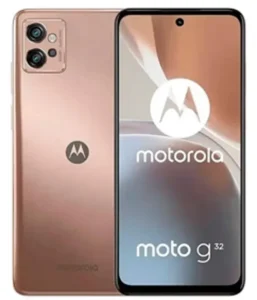
What Makes the Motorola Moto G32 Worth Buying?
The Motorola Moto G32 distinguishes itself in the budget segment by offering a Full HD+ display when many competitors settle for 720p panels. The 1080 x 2400 pixel resolution stretched across 6.5 inches delivers a crisp 405 ppi density, ensuring text appears sharp and images look detailed. Combined with the 90Hz refresh rate, the viewing experience feels noticeably smoother than standard 60Hz displays, making everyday scrolling through social media, browsing websites, and navigating menus more fluid and responsive.
Performance takes a step up with the Qualcomm Snapdragon 680 4G chipset built on a modern 6nm process. This processor delivers reliable everyday performance for typical smartphone tasks while maintaining reasonable power efficiency. The Adreno 610 GPU handles casual gaming and multimedia consumption competently, providing a balanced experience for users who need more than basic entry-level capabilities. Multiple RAM configurations ranging from 4GB to 8GB allow buyers to choose based on their multitasking needs and budget constraints.
Fast charging capabilities set the G32 apart from many budget competitors. The 30W wired charging significantly reduces waiting time, replenishing the 5000mAh battery much faster than the 10W or 15W charging common in this price range. Users can quickly top up the battery during short breaks rather than planning extended charging sessions. The substantial battery capacity itself ensures all-day endurance for typical usage patterns, eliminating range anxiety for most users.
Audio quality receives thoughtful attention with stereo speakers that deliver fuller sound compared to single-speaker setups. The dual-speaker configuration enhances media consumption, making videos, music, and gaming more immersive without requiring headphones. Motorola includes the increasingly rare 3.5mm headphone jack, providing flexibility for users who prefer wired audio connections. The 50MP primary camera with PDAF captures detailed photos in favorable lighting, while the 8MP ultrawide lens adds compositional flexibility for landscapes and group shots.
Software experience remains clean and uncluttered. The phone ships with Android 12 and supports upgrading to Android 13, with Motorola’s near-stock interface minimizing bloatware and unnecessary customization. This approach ensures smooth operation and keeps the focus on core functionality. The dedicated microSDXC slot allows storage expansion without sacrificing dual SIM capability, a practical consideration often overlooked in budget devices.
Things to Know Before Choosing the Motorola Moto G32
The absence of 5G connectivity represents the most significant limitation for future-focused buyers. The Snapdragon 680 4G chipset limits the device to GSM, HSPA, and LTE networks. While 4G networks remain robust and widespread, users in regions with expanding 5G infrastructure or those planning to keep the device for several years might find this limitation increasingly restrictive. The lack of 5G could impact resale value and long-term usability as networks continue evolving.
Gaming performance hits a ceiling with the Adreno 610 GPU. While the processor handles casual titles smoothly, demanding games like Genshin Impact, Call of Duty Mobile, or PUBG Mobile at high graphics settings produce inconsistent frame rates and noticeable performance drops during intense gameplay. Gamers seeking smooth experiences in popular titles need to adjust expectations and lower graphics settings significantly. The phone serves casual gaming adequately but disappoints users expecting mid-range gaming capabilities.
Video recording limitations become apparent quickly. The camera system maxes out at 1080p 30fps for both rear and front cameras, lacking 4K recording capability entirely. Content creators producing videos for YouTube, TikTok, or Instagram face quality constraints, especially when competing with devices offering 4K capture in similar price ranges. The absence of electronic or optical image stabilization means handheld footage appears shaky without steady hands or external stabilizers.
Low-light photography reveals the camera system’s budget origins. The 50MP sensor performs admirably in bright conditions but struggles as lighting diminishes. Night photos show excessive noise, reduced detail, and poor color accuracy. The lack of dedicated night mode or advanced computational photography means users cannot rely on the G32 for evening photography or indoor shots without adequate artificial lighting. The 2MP macro/depth sensor provides minimal practical value beyond basic depth effects.
Build quality reflects the budget positioning. The plastic frame and back panel feel less premium than glass or metal alternatives found on slightly pricier devices. While the water-repellent coating offers basic protection against splashes and light rain, it doesn’t provide true IP rating submersion resistance. Fingerprints accumulate readily on the plastic surfaces, requiring frequent wiping. NFC availability varies by market, potentially eliminating contactless payment options for buyers in certain regions. Long-term software support remains uncertain, with Motorola’s track record suggesting limited major Android updates beyond the promised Android 13 upgrade.
Is the Motorola Moto G32 Right for You?
Media consumers who prioritize display quality at an affordable price find the G32 particularly appealing. The 1080p resolution makes a noticeable difference when watching YouTube videos, Netflix shows, or streaming sports. Text appears crisp when reading articles or ebooks, reducing eye strain during extended reading sessions. The 90Hz refresh rate adds smoothness that makes the device feel more responsive and premium than typical budget phones. Stereo speakers enhance the viewing experience, making the G32 suitable for users who frequently consume content without headphones.
Students and young professionals on tight budgets benefit from the balanced feature set. The phone handles productivity apps like Google Workspace, Microsoft Office, and communication tools without significant slowdowns. The various RAM configurations allow buyers to scale based on their multitasking needs, with 6GB or 8GB options providing comfortable headroom for running multiple apps simultaneously. The 30W fast charging proves particularly valuable for busy schedules, enabling quick power-ups between classes or meetings. The dedicated microSDXC slot accommodates large document collections, project files, and media libraries without storage anxiety.
Casual mobile users seeking reliable smartphone fundamentals discover the G32 hits the sweet spot. Those who primarily use their phones for WhatsApp, Facebook, Instagram, email, and web browsing find the performance more than adequate. The 5000mAh battery easily carries typical users through full days of moderate use, eliminating the need for midday charging. The clean Android interface appeals to users who prefer simplicity over heavy customization, and the near-stock experience ensures smooth operation without learning curves associated with heavily skinned interfaces.
Photography enthusiasts who shoot primarily in daylight will appreciate the 50MP camera’s detail capture. The sensor produces social media-ready images suitable for Instagram, Facebook, or personal documentation. The ultrawide lens adds creative flexibility for landscape shots or fitting larger groups into frame. However, the camera’s limitations in challenging lighting make it unsuitable for serious photography pursuits or users requiring consistent quality across various conditions.
The G32 disappoints several user groups. Serious mobile gamers need devices with more powerful GPUs, as the Adreno 610 cannot deliver smooth performance in demanding titles even at reduced graphics settings. Content creators requiring 4K video recording or advanced stabilization must look elsewhere, as the 1080p-only capture limits production quality. Users prioritizing 5G connectivity for future-proofing should skip this device entirely. Photography enthusiasts requiring strong low-light performance or professional-grade image quality won’t find the G32’s camera adequate. Power users who heavily multitask with numerous resource-intensive apps simultaneously may find even the 8GB RAM configuration insufficient. Anyone seeking premium build quality with metal or glass materials will feel underwhelmed by the all-plastic construction.
Best Alternatives to the Motorola Moto G32
The Samsung Galaxy A23 competes directly with a similar feature set but adds 5G connectivity through the Snapdragon 695 chipset. This future-proofing advantage makes the A23 more appealing for buyers in regions with expanding 5G networks. Samsung includes a 50MP camera system and 5000mAh battery comparable to the G32, though the 25W charging slightly lags behind Motorola’s 30W solution. Samsung’s One UI offers more features and guaranteed longer software support with three Android version updates and four years of security patches, significantly outlasting Motorola’s typical update commitment.
Xiaomi Redmi Note 11 Pro 4G delivers superior specifications across multiple categories. The 1080p AMOLED display provides more vibrant colors and deeper blacks compared to the G32’s IPS LCD panel. Xiaomi includes 67W fast charging that dramatically reduces charging times, fully replenishing the 5000mAh battery in under an hour. The Helio G96 processor offers marginally better gaming performance, though neither device qualifies as a gaming powerhouse. However, MIUI adds considerable bloatware and advertisements that clutter the user experience compared to Motorola’s clean Android approach.
Realme 9i 5G provides the 5G connectivity missing from the G32 while maintaining a similar price point. The MediaTek Dimensity 810 chipset delivers comparable everyday performance plus future network compatibility. Realme includes a 5000mAh battery and 18W charging, though the slower charging speed represents a downgrade from the G32’s 30W solution. The 1080p 90Hz display matches the G32’s specifications, but Realme UI adds more bloatware than Motorola’s near-stock Android, potentially frustrating users seeking simplicity.
Nokia G60 5G emphasizes durability and software longevity through Android One certification. Nokia guarantees three years of monthly security updates and two major Android version upgrades, providing exceptional long-term value. The Snapdragon 695 5G processor adds future network compatibility while delivering performance comparable to the G32’s Snapdragon 680. The device includes a larger 4905mAh battery and 20W charging. Nokia’s commitment to sustainable materials and repair-friendly design appeals to environmentally conscious buyers, though the phone costs slightly more than the G32.
Poco X4 Pro 5G targets buyers seeking maximum specifications for their budget. The 1080p AMOLED display with 120Hz refresh rate surpasses both the G32’s refresh rate and display technology. Poco includes 5G connectivity through the Snapdragon 695 chipset and 67W fast charging that significantly reduces charging times. The 5000mAh battery matches the G32’s capacity. However, Poco’s MIUI-based interface includes substantial bloatware, advertisements, and aggressive notifications that diminish the user experience compared to Motorola’s clean software approach.
Motorola Moto G32 Frequently Asked Questions
Does the Motorola Moto G32 support 5G networks?
The Motorola Moto G32 does not support 5G connectivity. The device operates exclusively on GSM, HSPA, and LTE networks using the Qualcomm Snapdragon 680 4G chipset, which lacks an integrated 5G modem. This limitation keeps the phone’s cost competitive but restricts future network compatibility as 5G infrastructure continues expanding globally.
Users in regions with widespread 5G coverage or those planning to keep the device for three or more years should carefully consider this limitation. While 4G LTE networks remain robust and will continue functioning for many years, the absence of 5G may impact long-term device relevance and resale value. Buyers prioritizing future-proofing should explore alternatives with 5G capability, though this typically requires a higher budget or accepting compromises in other specifications.
How much faster is 30W charging compared to standard charging?
The 30W fast charging significantly outperforms the 10W or 15W charging common in budget devices. The G32’s 5000mAh battery reaches approximately 50-60% capacity in 30 minutes with the included 30W charger, compared to roughly 20-25% with standard 10W charging during the same timeframe. Full charging from empty to 100% takes approximately 90 to 110 minutes with 30W charging versus 3 to 3.5 hours with standard 10W charging.
This dramatic difference means users can quickly recover battery life during short breaks rather than planning extended overnight charging sessions. A 15-minute quick charge before leaving home adds enough power for several hours of moderate usage. However, the 30W charging speed, while fast for budget devices, still lags behind premium phones offering 50W, 65W, or even 100W+ charging that can fully replenish batteries in 30 to 45 minutes.
How does the 1080p display compare to 720p screens on competing budget phones?
The 1080 x 2400 pixel resolution delivers a substantial visual upgrade over the 720p displays common in budget phones. With 405 pixels per inch, text appears noticeably sharper, making reading articles, ebooks, and messages more comfortable during extended sessions. Photos and videos display greater detail and clarity, particularly visible when viewing high-resolution content from social media, streaming services, or personal photos.
The difference becomes most apparent when viewing fine details like small text, intricate graphics, or detailed images. Users transitioning from 720p devices immediately notice the improved clarity and sharpness. The higher resolution does consume slightly more battery than 720p panels, though the 5000mAh capacity adequately compensates for this increased power draw. The 90Hz refresh rate complements the higher resolution by adding smoothness to the enhanced visual clarity, creating a viewing experience that feels significantly more premium than typical budget phone displays.
Can the Moto G32 handle mobile gaming?
The Moto G32 handles casual and moderately demanding games reasonably well but struggles with intensive titles. The Snapdragon 680 with Adreno 610 GPU runs games like Candy Crush, Subway Surfers, Among Us, and similar casual titles smoothly at maximum settings. Mid-tier games like Mobile Legends, Arena of Valor, and Asphalt 9 perform acceptably at medium graphics settings, providing playable frame rates around 30-40 fps. However, demanding games like Genshin Impact, Call of Duty Mobile at high settings, or PUBG Mobile at ultra settings face significant performance challenges with frame rate drops, stuttering during intense action sequences, and longer loading times.
Players must reduce graphics quality to low or medium settings and accept 30fps performance rather than smooth 60fps gameplay. The 90Hz display could theoretically enhance gaming smoothness, but the processor cannot consistently generate enough frames to fully utilize this capability in demanding titles. Serious mobile gamers seeking smooth high-setting performance should consider devices with Snapdragon 695, Helio G96, or better processors.
What camera quality can users expect in different lighting conditions?
The 50MP primary camera delivers impressive results in bright outdoor conditions, capturing detailed images with accurate colors and good dynamic range suitable for social media sharing and personal documentation. The PDAF autofocus locks onto subjects quickly, reducing blurry shots. The 8MP ultrawide camera adds versatility for landscape photography and group shots, though image quality noticeably decreases compared to the main sensor with reduced sharpness and more distortion at frame edges. Indoor photography shows acceptable results with adequate artificial lighting, though sharpness and color accuracy diminish compared to outdoor shots.
The camera’s performance deteriorates significantly in low-light and nighttime conditions, producing grainy images with excessive noise, poor detail retention, and inaccurate colors. The lack of dedicated night mode or advanced computational photography limits evening and indoor photography capabilities. The 16MP front camera captures decent selfies in good lighting and handles video calls adequately, though quality drops noticeably in dim conditions. Video recording maxes out at 1080p 30fps without stabilization, resulting in shaky footage unless users maintain steady hands. The 2MP macro/depth sensor provides minimal practical value beyond basic bokeh effects in portrait mode.