

Camera Comparison
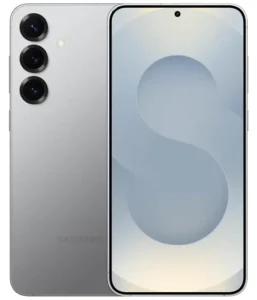
Camera performance is often the deciding factor when picking a flagship, and these two take very different approaches. The iPhone Air keeps things simple with a single 48MP wide lens (f/1.6, OIS) on the back, while the Galaxy S25+ goes the versatile route with a full three-camera system.
The S25+ rear setup breaks down like this:
- Main lens: 50MP, f/1.8, 24mm wide, OIS
- Telephoto: 10MP, f/2.4, 67mm, 3x optical zoom, OIS
- Ultrawide: 12MP, f/2.2, 13mm, 120° field of view
That 3x optical zoom alone gives the S25+ a real edge for anyone who shoots portraits or distant subjects regularly. The iPhone Air’s single-lens setup is impressive for its class, but it simply can’t match the range of focal lengths.
On video, the S25+ goes up to 8K at 24/30fps, while the iPhone Air tops out at 4K with Dolby Vision HDR — a format many creators prefer for its colour accuracy and dynamic range. Both record sharp, stable footage, but the iPhone’s Dolby Vision pipeline tends to produce more cinematic results out of the box.
Up front, the iPhone Air installs an 18MP ultrawide selfie camera with PDAF and a 3D depth sensor for Face ID. The S25+ uses a 12MP front shooter with dual-pixel PDAF. The iPhone’s higher resolution and structured light 3D scanning make it the stronger pick for selfies and biometric security.
Performance & Real-World Usage
Both phones run 3nm chips, which puts them at the top of the performance curve. Apple’s A19 Pro powers the iPhone Air with a hexa-core CPU configuration (2×4.26 GHz performance cores + efficiency cores) and a 5-core GPU. Qualcomm’s Snapdragon 8 Elite drives the S25+ with an octa-core Oryon V2 layout — 2 performance cores at 4.47 GHz and 6 efficiency cores at 3.53 GHz, backed by the Adreno 830 GPU running at 1200 MHz.
In practice, both handle everyday tasks without breaking a sweat. Gaming, video editing, multitasking — neither phone stumbles. The Snapdragon 8 Elite in the S25+ has a slight edge in raw multi-core throughput, while the A19 Pro consistently leads in single-core benchmarks and memory efficiency.
Storage is another area worth noting. The iPhone Air goes up to 1TB, making it a strong choice for photographers and videographers who store large files locally. The S25+ maxes out at 512GB but uses UFS 4.0 flash storage, which delivers fast read/write speeds for app launches and file transfers.
Both devices include 12GB RAM. Neither phone accepts a microSD card.
Battery & Charging
This is where the two phones diverge most clearly. The Galaxy S25+ carries a 4900mAh battery — a significant capacity advantage over the iPhone Air’s 3149mAh cell. For heavy users, that difference is felt by late evening.
The S25+ supports 45W wired charging, reaching 65% in around 30 minutes. The iPhone Air matches a different benchmark — 50% in 30 minutes via its wired PD2.0 charging or 20W MagSafe/Qi2 wireless. The wireless charging parity at the 50% milestone is impressive for Apple, though the S25+ pulls ahead when it comes to raw capacity and sustained usage.
Wireless charging specs at a glance:
- iPhone Air: 20W MagSafe / Qi2, 50% in 30 min
- Galaxy S25+: 15W wireless, Qi2 Ready
- Both: 4.5W reverse charging (wired for iPhone Air, wireless for S25+)
For light to moderate users, the iPhone Air’s battery holds up fine through a full day. Heavy streamers, gamers, or anyone away from a charger for extended stretches will appreciate the S25+’s larger reserve.
Display & Build Quality
The iPhone Air’s 6.5-inch LTPO Super Retina XDR OLED hits a peak brightness of 3000 nits — higher than most displays on the market. It runs at 120Hz with HDR10 and Dolby Vision support, and the Ceramic Shield 2 front glass adds meaningful drop protection. Pixel density sits at 460 ppi, which is sharp enough that individual pixels are invisible at normal viewing distances.
The Galaxy S25+ goes slightly larger at 6.7 inches, with a Dynamic LTPO AMOLED 2X panel reaching 513 ppi — noticeably crisper when reading small text or viewing high-resolution images up close. Peak brightness is 2600 nits, still excellent for outdoor use. The display is covered by Gorilla Glass Victus 2.
Build quality tells two different stories. The iPhone Air at 5.6mm is one of the thinnest smartphones ever made, using a grade 5 titanium frame that balances rigidity with low weight. At 165g, it barely registers in a pocket. The S25+ uses Samsung’s Armor Aluminum 2 frame with Gorilla Glass Victus 2 front and back — more conventional in thickness at 7.3mm, but 190g feels solid without being heavy.
Both carry IP68 water resistance, though the iPhone Air is rated for submersion up to 6 meters for 30 minutes, compared to 1.5 meters for the S25+.
Software, Updates & AI Features
The iPhone Air ships with iOS 26, upgradable to iOS 26.2. Apple Intelligence is built into the experience, covering writing tools, photo editing, notification summaries, and Siri improvements that lean on on-device processing for privacy. The ecosystem integration — AirDrop, Handoff, iMessage, FaceTime — remains seamless for users already on Apple devices.
The Galaxy S25+ runs Android 15 with One UI 8, and Samsung has committed to seven major Android upgrades. That’s a generous long-term support window, keeping the phone relevant and secure well beyond typical upgrade cycles. Galaxy AI features span live translation, generative photo editing, Circle to Search, and Note Assist.
One unique S25+ capability is Samsung DeX — the ability to connect the phone to a monitor and use it like a desktop computer. For professionals who want one device to handle everything, that’s a genuinely useful feature. The USB-C 3.2 port with DisplayPort 1.2 output enables direct wired DeX connections too.
The iPhone Air sticks with eSIM only (supporting 8 or more eSIMs, two active simultaneously), while the S25+ also handles eSIM configurations. Neither phone includes a 3.5mm headphone jack.
Price & Value for Money
Both phones sit in the premium flagship tier, and pricing reflects that. The iPhone Air’s ultra-thin titanium build, high-end display, and up to 1TB storage push it toward the top of Apple’s lineup. The Galaxy S25+ is priced competitively within Samsung’s lineup, offering more camera versatility and a larger battery at a point that typically undercuts Apple’s premium models.
For iPhone ecosystem users, the Air’s seamless integration with Mac, iPad, Apple Watch, and AirPods adds intangible value that specs alone don’t capture. For Android users — especially those already using Galaxy devices or Samsung services — the S25+ extends that ecosystem naturally, with DeX and Wireless DeX adding genuine productivity value.
Storage-wise, the iPhone Air’s 1TB option is a clear win for power users, while the S25+ caps at 512GB. Long-term software support slightly favors Samsung’s seven-upgrade commitment, though Apple’s track record for iOS updates on older hardware is strong.
Which One Should You Buy?
The right answer depends entirely on what matters most. The iPhone Air is the pick for anyone who values an ultra-slim design, Dolby Vision video, Face ID, and a polished Apple ecosystem experience. The titanium build and Ceramic Shield 2 protection give it durability that doesn’t compromise its remarkable thinness.
The Galaxy S25+ makes more sense for camera versatility, raw battery life, and multi-device productivity. The triple-camera system with 3x optical zoom, 8K video, and Samsung DeX support create a phone that doubles as a mobile workstation.
- Choose iPhone Air if: design, thinness, Dolby Vision video, Face ID, or the Apple ecosystem are priorities
- Choose Galaxy S25+ if: battery capacity, telephoto zoom, Samsung DeX, or seven years of Android updates matter most
- Photographers: the S25+’s versatile lens system wins; video creators may prefer the iPhone Air’s Dolby Vision output
- Gamers: both deliver exceptional performance; the larger S25+ display and longer battery give it a slight edge for extended sessions
Neither phone is a wrong choice. Both represent the best their respective platforms offer. The decision comes down to ecosystem and what daily usage looks like.
Frequently Asked Questions
Is the iPhone Air good for photography compared to the Galaxy S25+?
The Galaxy S25+ offers more versatility with its three-camera setup, including a 3x optical zoom telephoto lens. The iPhone Air uses a single 48MP wide camera that produces excellent results, particularly in low light and for Dolby Vision video. For photographers who need zoom flexibility, the S25+ has the edge. For video creators, the iPhone Air’s Dolby Vision HDR pipeline is a compelling advantage.
Which phone has better battery life, the iPhone Air or the Galaxy S25+?
The Galaxy S25+ carries a significantly larger 4900mAh battery compared to the iPhone Air’s 3149mAh cell, giving it a clear advantage in raw endurance. The S25+ also charges faster via wired (45W), while the iPhone Air matches it wirelessly with 20W MagSafe hitting 50% in 30 minutes. For heavy users or long days without a charger, the S25+ is the stronger choice.
How does the iPhone Air’s design compare to the Samsung Galaxy S25+?
The iPhone Air is one of the thinnest phones ever produced at just 5.6mm, built with a grade 5 titanium frame and weighing only 165g. The Galaxy S25+ uses a more traditional 7.3mm profile with an Armor Aluminum 2 frame and Gorilla Glass Victus 2, weighing 190g. Both are premium builds, but the iPhone Air’s thinness is genuinely distinctive. The S25+ offers deeper water resistance at 6m depth.
Which phone gets longer software support?
Samsung commits to seven major Android upgrades for the Galaxy S25+, which is one of the longest software support windows in the Android ecosystem. Apple’s iPhone Air ships with iOS 26 and has historically supported devices with major iOS updates for five to six years. Both phones offer substantial long-term support, though Samsung’s explicit seven-upgrade promise gives the S25+ a documented advantage.
Can the Samsung Galaxy S25+ be used as a desktop computer?
Yes. The Galaxy S25+ supports Samsung DeX and Samsung Wireless DeX, which allows the phone to function as a basic desktop environment when connected to a monitor. The USB-C 3.2 port with DisplayPort 1.2 output handles wired DeX connections directly. The iPhone Air does not offer a similar desktop mode feature.