
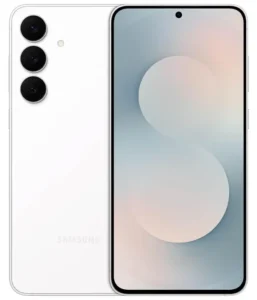
Why Buy the Samsung Galaxy S25 FE?
The Samsung Galaxy S25 FE bridges the gap between flagship performance and value-conscious pricing, delivering premium features without the premium price tag. This device packs a stunning 6.7-inch Dynamic LTPO AMOLED display that adapts its refresh rate intelligently, saving battery while maintaining buttery-smooth scrolling. With a peak brightness of 1900 nits, outdoor visibility isn’t just good—it’s exceptional, even under direct sunlight.
Samsung’s commitment to longevity shines through with seven major Android upgrades, meaning this phone stays current until at least 2032. That’s nearly unprecedented support in the smartphone world. The Exynos 2400 chipset handles everything from casual browsing to demanding gaming sessions with ease, while the 50MP main camera captures impressive detail in various lighting conditions.
Build quality doesn’t take a backseat here. Gorilla Glass Victus+ protects both front and back, while the enhanced armor aluminum frame adds durability without excessive weight. The IP68 rating means accidental splashes or brief submersions won’t spell disaster. For photography enthusiasts, the triple camera setup includes a dedicated 3x telephoto lens—a feature often reserved for pricier models—alongside a versatile ultrawide option.
The 4900mAh battery might seem modest on paper, but Samsung’s optimization ensures all-day usage for most users. When charging time comes, 45W wired charging reaches 65% capacity in just 30 minutes. Wireless charging options, including Qi2 compatibility and reverse wireless charging, add convenience for those invested in the wireless ecosystem.
Key Considerations Before Buying the Samsung Galaxy S25 FE
Storage flexibility takes a hit with no microSD card slot, so choosing between 128GB, 256GB, or 512GB variants becomes crucial upfront. Heavy media consumers and mobile photographers should seriously consider the higher storage tiers, especially since cloud storage requires reliable connectivity and often comes with subscription costs.
The Exynos 2400 chipset performs admirably in daily tasks and most gaming scenarios, but those chasing absolute peak performance might notice it trails behind Snapdragon equivalents in sustained loads. Regional variations exist, so verify which chipset powers your specific market’s version. Thermal management during extended gaming sessions remains solid, though the phone does warm up during intensive tasks.
Camera capabilities impress across the board, yet the 8MP telephoto resolution seems conservative compared to competitors offering higher-resolution zoom cameras. Still, Samsung’s processing algorithms compensate well, delivering clean images even at 3x magnification. Low-light photography benefits from the large 1/1.57″ main sensor, though computational photography plays a significant role in final results.
The 1080p resolution on a 6.7-inch display might disappoint pixel-peepers expecting quad HD sharpness. In practice, the 385 ppi density looks crisp for most content, but those accustomed to higher resolution panels might perceive the difference. The LTPO technology’s battery savings arguably outweigh the resolution compromise for average users.
One UI 8 brings Samsung’s mature software experience with extensive customization options, but it does include pre-installed apps some consider bloatware. The good news? Most can be disabled or uninstalled. Samsung’s ecosystem integration benefits Galaxy users with multiple devices, while others might find certain features redundant.
Who Should Consider the Samsung Galaxy S25 FE?
Photography enthusiasts seeking versatile shooting options without flagship pricing find excellent value here. The triple camera system covers wide, ultrawide, and telephoto perspectives, while 8K video recording at 30fps provides future-proofing for content creators. Samsung’s computational photography continues improving through software updates, adding value over time.
Long-term users prioritizing device longevity should take note of the seven-year update commitment. This phone remains secure and feature-current well beyond typical upgrade cycles, making it environmentally conscious and economically smart for those avoiding frequent replacements. The update guarantee alone justifies consideration for budget-conscious buyers wanting premium support.
Samsung ecosystem users benefit from seamless integration with Galaxy Buds, Galaxy Watches, and other devices. Wireless DeX transforms the phone into a desktop-like experience when connected to external displays, appealing to mobile professionals who occasionally need larger screen productivity. Quick Share and other ecosystem features enhance the overall experience.
Media consumers appreciate the expansive 6.7-inch AMOLED display with HDR10+ support and stereo speakers. Streaming video looks vibrant with excellent contrast, while the adaptive refresh rate ensures smooth playback without draining battery unnecessarily. The lack of a headphone jack means embracing wireless audio or using USB-C adapters.
Value-seekers wanting flagship features at reduced cost find their sweet spot here. The Galaxy S25 FE delivers premium build quality, comprehensive camera capabilities, long-term software support, and Samsung’s refined user experience at a significantly lower price point than the standard S25 series. It’s the practical choice for smart shoppers.
Alternatives to the Samsung Galaxy S25 FE
The Google Pixel 9 offers exceptional computational photography and pure Android experience with similar update commitments, though it typically costs more. Google’s AI features and camera processing often edge out Samsung’s, but the Pixel lacks the telephoto lens versatility.
OnePlus flagships in this price range deliver faster charging speeds and cleaner software interfaces, appealing to those prioritizing speed over Samsung’s ecosystem integration. However, update support typically doesn’t match Samsung’s seven-year commitment.
Xiaomi’s offerings at comparable prices often include larger batteries and faster charging, but software experience varies regionally and update consistency lags behind Samsung. Build quality generally meets expectations, though brand perception differs significantly across markets.
Previous-generation Samsung Galaxy S24 models, now discounted, provide Snapdragon chipsets in certain markets and similar feature sets. Buyers comfortable with slightly older hardware save money while maintaining quality, though they sacrifice some update longevity.
Samsung Galaxy S25 FE Frequently Asked Questions
Is the Samsung Galaxy S25 FE waterproof?
The Samsung Galaxy S25 FE carries an IP68 rating, meaning it withstands dust ingress completely and survives submersion in up to 1.5 meters of freshwater for 30 minutes. This protection handles accidental drops in sinks, rain exposure, and splashes without damage. However, IP68 doesn’t cover saltwater, chlorinated pools, or high-pressure water jets. The rating also degrades over time through normal wear, so treating it as water-resistant rather than waterproof sets realistic expectations. Ports and seals require occasional inspection to maintain protection levels.
How long does the Samsung Galaxy S25 FE battery last?
Samsung’s testing shows an active use score of 11 hours and 57 minutes, translating to full-day endurance for typical usage patterns including social media, streaming, browsing, and moderate photography. Heavy users pushing 8K video recording or extended gaming sessions might need midday top-ups. The LTPO AMOLED display’s adaptive refresh rate conserves power during static content, while the efficient Exynos 2400 chipset manages background processes intelligently. The 45W fast charging reaches 65% capacity in 30 minutes, minimizing downtime when charging becomes necessary.
Does the Samsung Galaxy S25 FE support 5G networks?
Yes, the Galaxy S25 FE includes comprehensive 5G support alongside GSM, HSPA, and LTE networks. The device connects to both sub-6GHz and mmWave 5G bands where available, ensuring compatibility with carriers’ evolving network infrastructures. Specific band support varies by region and carrier, so verifying compatibility with your provider ensures optimal connectivity. The phone intelligently switches between 4G and 5G based on signal strength and data requirements, balancing speed with battery efficiency.
Can you expand storage on the Samsung Galaxy S25 FE?
No, the Galaxy S25 FE lacks a microSD card slot, making initial storage selection permanent. Samsung offers 128GB, 256GB, and 512GB variants, all using fast UFS 4.0 storage. The absence of expandable storage reflects industry trends toward cloud solutions and improved internal storage speeds. Users requiring extensive local storage for media libraries, large games, or offline content should opt for higher capacity models upfront. Samsung Cloud and Google Photos provide cloud alternatives, though they require data connectivity and often involve subscription costs for sufficient space.
What cameras does the Samsung Galaxy S25 FE have?
The rear camera system features a 50MP main sensor with optical image stabilization and a large 1/1.57″ sensor size, capturing detailed photos in various lighting conditions. The 8MP telephoto camera provides 3x optical zoom with OIS, useful for portraits and distant subjects. A 12MP ultrawide camera with 123-degree field of view handles group shots and landscapes. The front camera uses a 12MP sensor capable of 4K video recording at 60fps. All cameras benefit from Samsung’s computational photography, including HDR processing, night mode, and Best Face feature for group photos.