
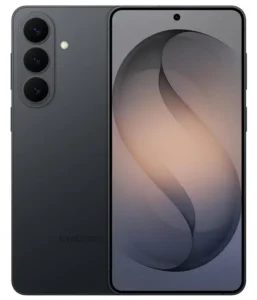
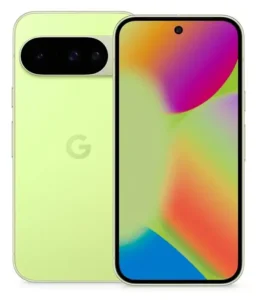
Two of the most talked-about Android flagships go head-to-head, and the differences run deeper than the spec sheets suggest. The Samsung Galaxy S26 arrives as a refined, slim powerhouse with Qualcomm’s latest silicon and Samsung’s signature feature density. The Google Pixel 10, meanwhile, bets everything on computational photography, clean software, and a larger battery. Neither phone is perfect — and that tension is exactly what makes this comparison worth unpacking.
Head-to-Head Camera Analysis
The Galaxy S26 leads with a 50MP f/1.8 main sensor paired with a 10MP 3x telephoto and a 12MP ultrawide. The Pixel 10 counters with a 48MP f/1.7 wide, a 10.8MP 5x telephoto, and a 13MP ultrawide. On paper, the S26 wins on resolution; in practice, the Pixel’s wider aperture and 5x zoom give it a distinct edge in versatility.
Samsung’s processing leans toward punchy contrast and aggressive HDR — shots pop immediately but can look slightly oversharpened in harsh midday light. The Pixel 10 pulls in the opposite direction, favoring natural tone mapping that holds highlight detail longer. In mixed indoor scenes, the Pixel’s output tends to feel more like what the eye actually saw.
Low-light performance is where the gap widens. The Pixel 10’s computational pipeline, sharpened over multiple generations, continues to extract clean images in near-dark environments. The S26’s Night Mode is no slouch, but it introduces more noise reduction smoothing that can flatten fine textures like fabric or foliage. For anyone who shoots frequently after sunset, the Pixel holds a clear edge.
- Main sensor aperture: Pixel 10 wins with f/1.7 vs S26’s f/1.8 — more light, especially noticeable indoors.
- Telephoto reach: Pixel 10’s 5x optical zoom outranges the S26’s 3x for distant subjects.
- Video resolution: S26 supports 8K video recording; Pixel 10 caps at 4K.
- Front camera: S26 uses a standard 12MP wide; Pixel 10 goes ultrawide at 10.5MP — better for group selfies, but edge sharpness suffers slightly.
- Special features: S26 offers Horizon Lock and Best Face; Pixel 10 brings Best Take, Pixel Shift, and Ultra-HDR.
The S26’s 8K video capability is genuinely impressive, though storage fills fast and the format remains niche for most users. The Pixel’s 10-bit HDR footage holds better color volume in editing, making it the smarter pick for anyone who color grades on the go. Both stabilize well, with gyro-EIS doing the heavy lifting on shaky handheld shots.
Performance & Real-World Usage
The S26 (US model) runs Qualcomm’s Snapdragon 8 Elite Gen 5 — the same architecture that set benchmark records — while the Pixel 10 relies on Google’s Tensor G5, built on a 3nm process but tuned very differently. Raw compute favors the Snapdragon by a measurable margin; real-world daily use tells a more nuanced story.
Gaming on the S26 is the smoother experience. The Adreno 840 GPU renders demanding titles with fewer frame drops, and the chip sustains peak performance longer before throttling. The Tensor G5’s PowerVR GPU handles most titles without complaint, but sustained gaming sessions can trigger noticeable thermal warmth and occasional frame dips in graphically intensive games.
The Pixel 10 offloads AI tasks to dedicated silicon in a way that keeps general processing feel snappy even when background jobs are running. The on-device speech recognition, real-time call screening, and Live Translate features operate with a responsiveness that Samsung’s implementation doesn’t fully match yet. For everyday multitasking — switching apps, browsing, streaming — both phones feel equally fluid thanks to 12GB of RAM in every configuration.
- Chipset: Snapdragon 8 Elite Gen 5 (S26) vs Tensor G5 (Pixel 10) — both 3nm, different design priorities.
- Storage speed: S26 uses UFS 4.X for faster app installs and file transfers; Pixel 10’s base 128GB tier uses UFS 3.1.
- Desktop mode: S26 supports Samsung DeX; Pixel 10 has no equivalent.
- AI processing: Pixel 10’s Tensor handles on-device AI tasks more efficiently for Google’s ecosystem.
The S26’s Samsung DeX support is a legitimate productivity differentiator for users who want a desktop-like experience from their phone. Connect it to a monitor and the S26 becomes a passable workstation. The Pixel 10 skips this entirely, betting users stay in the mobile paradigm.
Battery Life & Charging Experience
The size difference in batteries is significant: 4970mAh in the Pixel 10 versus 4300mAh in the S26. That 670mAh gap translates to a real-world advantage — the Pixel 10 consistently edges toward the end of a second day of moderate use, while the S26 typically needs a charge before bedtime under similar loads.
Charging speeds tell a slightly different story. The Pixel 10 charges faster at 30W wired versus the S26’s 25W, and Google claims 55% in 30 minutes — identical to Samsung’s claim at different wattage ratings, which reflects how much thermal management and charging curves matter beyond headline numbers. Wireless charging is matched at 15W for both, with Qi2 compatibility on each.
The Pixel 10 adds bypass charging, a feature power users will appreciate — it routes power directly to the phone during intensive use, reducing battery heat during long gaming sessions or video calls. The S26 offers reverse wireless charging at 4.5W, useful for topping up earbuds but not fast enough to charge another phone meaningfully.
- Battery capacity: Pixel 10 (4970mAh) vs S26 (4300mAh) — significant edge to the Pixel.
- Wired charging: Pixel 10 at 30W; S26 at 25W.
- Wireless: Both support 15W wireless and Qi2.
- Bypass charging: Pixel 10 only — reduces battery wear during extended sessions.
- Reverse wireless: S26 only — 4.5W for accessories.
Display, Design & Build Feel
Both phones carry 6.3-inch screens, but the similarities end there. The S26’s Dynamic LTPO AMOLED 2X panel is among the best in the industry — variable refresh rate, 2600 nits peak brightness, and tight 411ppi pixel density make it excellent for outdoor visibility and HDR content. The Pixel 10 answers with 3000 nits peak brightness and a slightly sharper 422ppi, but uses a fixed 120Hz panel without LTPO efficiency benefits.
In direct sunlight, the Pixel 10’s higher peak brightness makes text more readable on particularly bright days. For HDR streaming, the S26’s LTPO panel does a better job of managing dark scenes and shadow detail. Neither display disappoints — the choice between them comes down to whether you prioritize efficiency or raw brightness ceiling.
The design split is stark and immediately obvious in hand. The S26 is strikingly thin at 7.2mm and weighs just 167g — it disappears into a pocket. The Pixel 10 is noticeably chunkier at 8.6mm thick and heavier at 204g. That extra mass partly explains the larger battery, but the Pixel’s build feels denser and more substantial, which some users will interpret as premium and others will find tiring over long days.
- Peak brightness: Pixel 10 reaches 3000 nits; S26 hits 2600 nits.
- Refresh rate tech: S26 uses LTPO for adaptive power savings; Pixel 10 is fixed 120Hz.
- Weight: S26 at 167g is significantly lighter than Pixel 10 at 204g.
- Thickness: S26 at 7.2mm is notably slimmer than Pixel 10’s 8.6mm.
- Screen-to-body ratio: S26 at ~90% is more impressive than Pixel 10’s ~86.1%.
Both phones use Gorilla Glass Victus 2 on front and back with aluminum frames, and both carry IP68 ratings for dust and water resistance. Build quality is flagship-grade on each side. The S26 feels like precision engineering optimized for comfort; the Pixel 10 feels like a phone built around internal components first, aesthetics second.
Software, Updates & AI Features
Both phones ship with Android 16 and promise seven major OS upgrades — a meaningful commitment that puts both well ahead of many competitors. The experience diverges sharply once the OS layer is peeled back.
Samsung’s One UI 8.5 is feature-rich to a fault. The customization depth is unmatched, but first-time users face a steep learning curve, and some menus feel buried two levels deeper than they should be. Google’s clean Android implementation on the Pixel 10 is far more accessible — settings are where logic says they’d be, and system animations feel lighter.
AI features favor the Pixel 10 through Google’s tighter integration with on-device models. Circle to Search is present on both platforms, but Pixel’s Call Screen, Live Translate, and real-time transcription run faster and more reliably. Samsung’s Galaxy AI suite covers more ground — including Samsung DeX AI enhancements — but processing some tasks through cloud pipelines introduces occasional latency the Pixel avoids.
- OS updates: Seven major Android upgrades promised for both.
- Software layer: Pixel runs stock Android 16; S26 runs One UI 8.5 with significant customization.
- Exclusive AI: Pixel 10 has Call Screen, satellite SOS, real-time transcription; S26 has DeX, Wireless DeX, Galaxy AI suite.
- Bloatware: Pixel ships leaner; S26 includes Samsung’s full app ecosystem pre-installed.
Price & Value Proposition
The Pixel 10 starts at 128GB storage — a configuration the S26 doesn’t offer — which pushes Samsung’s entry point to 256GB at a higher price. For users who don’t need that storage, the Pixel 10 offers comparable flagship capability at a lower starting price.
The S26 justifies its premium with the Snapdragon 8 Elite Gen 5’s raw power, Samsung DeX functionality, faster storage on all tiers, and a thinner, lighter design. The Pixel 10 counters with a significantly larger battery, better zoom reach, and more reliable AI features. Neither phone wastes its price tag — the question is which trade-offs are acceptable.
Long-term value slightly favors the Pixel 10 for users heavily invested in Google’s ecosystem, while the S26 rewards power users who need maximum performance, desktop-mode functionality, or prefer Samsung’s deeper feature set. Both will receive software support for the same duration, keeping either purchase relevant for years.
Final Verdict: Which One Should You Buy?
The Samsung Galaxy S26 is the phone to pick for anyone who prioritizes raw performance, thinner and lighter design, 8K video, Samsung DeX, and faster internal storage. It’s the more versatile device in terms of productivity and gaming.
The Google Pixel 10 earns the recommendation for photographers who shoot in varied lighting, users who want maximum battery life, anyone who relies heavily on Google’s AI features, or those who prefer clean software over a feature-loaded skin. The 5x telephoto alone tips the camera decision for most buyers.
Neither phone is the wrong choice at the flagship tier. But if the camera is the deciding factor — and for most smartphone buyers it is — the Pixel 10’s computational photography and longer zoom hold a genuine, day-to-day advantage that specs alone don’t fully capture.
Samsung Galaxy S26 vs Google Pixel 10 Frequently Asked Questions
Which phone has a better camera for everyday photography?
The Pixel 10 edges ahead for everyday photography thanks to its wider f/1.7 aperture, stronger low-light performance, and superior 5x optical zoom. The S26 produces vibrant, punchy shots and offers higher 50MP resolution, but the Pixel’s computational processing delivers more consistent results across varied lighting conditions without manual adjustments.
Is the Samsung Galaxy S26 significantly faster than the Pixel 10?
In raw benchmark terms, the Snapdragon 8 Elite Gen 5 in the S26 outpaces the Tensor G5 in the Pixel 10. In day-to-day app usage and multitasking, both phones feel equally responsive. The performance gap becomes noticeable in sustained gaming sessions, where the S26’s Adreno 840 GPU maintains frame rates more consistently under thermal load.
Which phone lasts longer on a single charge?
The Pixel 10 wins battery life by a meaningful margin. Its 4970mAh cell is 670mAh larger than the S26’s 4300mAh, and the Tensor G5’s power efficiency compounds that advantage. Most users report the Pixel comfortably reaching end-of-day on heavy use; the S26 often needs a top-up before late evening under similar conditions.
Does the Pixel 10 or S26 have a better display?
The S26 uses a Dynamic LTPO AMOLED 2X panel with adaptive refresh rate and 2600 nits peak brightness, which conserves battery intelligently. The Pixel 10’s display peaks at 3000 nits, making it slightly more readable in direct sunlight, and offers a fractionally higher 422ppi pixel density. Both use Gorilla Glass Victus 2 and support HDR10+. The S26 panel is technically more advanced; the Pixel 10 simply gets brighter.
Which phone is better for video recording?
The S26 supports 8K video at 24 and 30fps, giving it the headline advantage. For most users, however, the Pixel 10’s 10-bit HDR 4K footage is more practical and holds better color detail for editing. The Pixel 10 also benefits from OIS across its rear cameras, making handheld video more stable across focal lengths.
Is the Pixel 10 worth buying if you’re not deeply in the Google ecosystem?
Yes, for most users. The Pixel 10’s advantages — larger battery, 5x telephoto, cleaner software, and stronger low-light photography — are platform-agnostic. Google account integration adds value, but the hardware benefits apply regardless of ecosystem preference. The S26 may be more compelling for Samsung app users or those who want DeX functionality.
Which phone is more comfortable to hold for long periods?
The S26 is considerably more comfortable for extended use. At 167g and 7.2mm thick, it’s one of the slimmer and lighter flagships available. The Pixel 10 at 204g and 8.6mm thick is noticeably heavier and denser — it feels more substantial in a premium sense, but that weight adds up during long reading or browsing sessions.
Do both phones support wireless charging and satellite connectivity?
Both support 15W wireless charging with Qi2 compatibility. Satellite connectivity differs: the Pixel 10 includes a satellite SOS service for emergency use in areas without cellular coverage. The S26 does not list satellite SOS support. The S26 does include reverse wireless charging at 4.5W for charging accessories; the Pixel 10 does not offer reverse wireless but adds reverse wired charging support.