
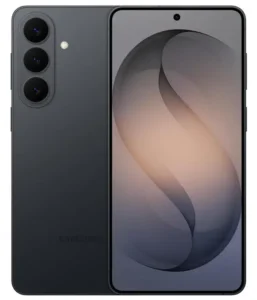

The Samsung Galaxy S26 and Nothing Phone (3a) represent two distinct philosophies in smartphone design. One delivers cutting-edge flagship performance with a compact form factor, while the other brings premium features to the mid-range segment with distinctive design flair. The price gap between these devices is substantial, but the Nothing Phone (3a) challenges conventional mid-range limitations in ways that make this comparison more interesting than the spec sheets suggest.
Head-to-Head Camera Analysis
The camera systems reveal fundamentally different approaches to mobile photography. Samsung’s triple-lens setup prioritizes versatility with a 10MP telephoto offering true 3x optical zoom, paired with a 50MP main sensor and 12MP ultrawide. Nothing counters with an unconventional choice for its price bracket: a 50MP 2x telephoto alongside the 50MP main camera and 8MP ultrawide, making it the first “a” series device to include dedicated telephoto hardware.
In daylight shooting, the Galaxy S26’s larger 1/1.56-inch main sensor pulls ahead with superior dynamic range and more controlled HDR processing. The dual-pixel PDAF with OIS delivers consistently sharp results, though Samsung’s computational photography occasionally veers toward oversharpened textures. The Nothing Phone (3a) holds its ground surprisingly well with its own 1/1.57-inch sensor, but the 7s Gen 3’s image processing lacks the refinement of Samsung’s flagship chipset, resulting in slightly more aggressive noise reduction that can soften fine details.
Telephoto performance splits along predictable lines. Samsung’s 3x optical zoom provides genuine reach for portraits and distant subjects, maintaining detail that digital crop simply cannot match. Nothing’s 2x telephoto feels more like a portrait-optimized focal length than a true zoom solution, though it handles close-range shots with impressive clarity. The 8MP ultrawide on the Nothing device becomes the weakest link, showing noticeable quality drop-off compared to Samsung’s 12MP unit with its larger 1.4µm pixels.
Low-light photography exposes the processing gap between flagship and mid-range silicon. The S26’s night mode extraction pulls usable shots from near-darkness, balancing brightness with natural color retention. Nothing’s night mode works adequately but introduces more color shift and struggles with moving subjects due to longer exposure stacking. Video capabilities diverge sharply: Samsung offers 8K recording, 10-bit HDR, and superior stabilization across all modes, while Nothing maxes out at 4K30fps with gyro-EIS that works well enough for casual use but lacks the polish of flagship-grade stabilization.
Performance & Real-World Usage
The silicon divide defines the experience gap between these devices. Samsung’s Snapdragon 8 Elite Gen 5 on US models delivers flagship-tier performance that handles sustained gaming sessions, heavy multitasking, and computational photography without breaking stride. The Exynos 2600 variant for international markets historically raises thermal concerns, though Samsung’s 2nm process promises improved efficiency over previous generations.
Nothing’s Snapdragon 7s Gen 3 operates in a different performance tier entirely. Daily tasks run smoothly enough, but demanding games require graphics settings dropped to medium for stable frame rates. The Adreno 810 GPU handles casual gaming and media consumption without issue, yet extended sessions reveal thermal throttling that the S26’s vapor cooling and premium chipset largely avoid. RAM configurations matter here: the base 8GB Nothing variant shows more aggressive app reloading during multitasking compared to the S26’s standard 12GB setup.
Storage technology amplifies the performance gap. Samsung’s UFS 4.X delivers noticeably faster app loading and file transfers compared to Nothing’s standard UFS storage. The difference surfaces during camera burst shooting, large file transfers, and installing major app updates. Real-world implications remain modest for most users, but anyone frequently working with large media files or shooting extended 4K video will notice Samsung’s advantage.
Battery Life & Charging Experience
Battery capacity favors Nothing with a substantial 5000mAh cell versus Samsung’s 4300mAh pack, yet real-world endurance tells a more nuanced story. The Nothing Phone (3a) consistently delivers longer screen-on time during mixed use, comfortably clearing a full day with 20-30% remaining. Samsung’s smaller battery combines with the efficiency of its advanced chipset to deliver respectable but not exceptional longevity, typically requiring a top-up before bedtime with heavy use.
Charging strategies diverge sharply. Nothing’s 50W wired charging hits 50% in just 19 minutes and completes a full charge in under an hour, making quick top-ups genuinely practical. Samsung’s conservative 25W charging feels sluggish by comparison, requiring roughly 90 minutes for a full charge. The gap widens further considering Nothing omits wireless charging entirely, while Samsung offers 15W wireless charging with Qi2 compatibility and reverse wireless charging for accessories.
The efficiency equation shifts during intensive use. Gaming sessions drain the Nothing device faster despite its larger battery, as the less efficient 7s Gen 3 chipset works harder to maintain performance. Samsung’s superior thermal management and more efficient silicon pull ahead during sustained workloads, though Nothing’s faster wired charging serves as a practical counter to its faster drain rate during heavy use.
Display, Design & Build Feel
Display characteristics reveal opposing priorities in screen technology. Samsung’s 6.3-inch Dynamic LTPO AMOLED 2X panel delivers exceptional brightness at 2600 nits peak, though the smaller dimensions suit users preferring compact devices. The adaptive refresh rate intelligently scales between 1Hz and 120Hz for battery efficiency. Nothing counters with a substantially larger 6.77-inch panel reaching an impressive 3000 nits peak brightness with HDR10+ support, though it lacks the variable refresh sophistication of Samsung’s LTPO implementation.
Build quality separates flagship from mid-range execution immediately upon handling. The Galaxy S26 feels precision-engineered with its Gorilla Glass Victus 2 front and back, aluminum frame, and IP68 rating allowing full submersion. At 167 grams, it achieves a remarkably light footprint without feeling insubstantial. Nothing’s plastic frame and IP64 rating (splash resistant only) betray cost-cutting measures, while the 201-gram weight makes the larger device feel noticeably heavier during extended one-handed use.
Nothing’s distinctive design language centers on the Glyph Interface—LED light strips integrated into the rear glass that serve as customizable notification indicators and camera fill lights. The feature delivers genuine utility beyond gimmickry, though the plastic frame undermines the premium feel the glass back attempts to convey. Samsung opts for understated elegance without flashy design elements, prioritizing build quality and durability over visual distinction.
Software, Updates & AI Features
Update commitments strongly favor Samsung’s long-term value proposition. The Galaxy S26 ships with Android 16 and One UI 8.5, backed by seven guaranteed major Android upgrades—an industry-leading promise extending software support well into 2033. Nothing commits to Android 16 with Nothing OS 4.0 but provides no publicly confirmed long-term update timeline comparable to Samsung’s pledge.
Software experience reflects each manufacturer’s priorities. One UI 8.5 delivers deep customization, Samsung DeX desktop functionality, and extensive AI-powered features leveraging the flagship chipset’s neural processing capabilities. The interface feels feature-dense, occasionally overwhelming for users preferring simplicity. Nothing OS maintains a cleaner, more stock Android approach with lighter customization and faster navigation, though it lacks the productivity features and AI integration depth Samsung provides.
The Glyph Interface extends into software with customizable light patterns for notifications, calls, and timers. While genuinely useful, it cannot compensate for Nothing’s comparatively sparse AI feature set. Samsung integrates photo editing AI, text suggestions, call screening, and object recognition that leverage the 8 Elite chipset’s machine learning accelerators in ways the 7s Gen 3 simply cannot match.
Price & Value Proposition
The price gap between these devices fundamentally shapes their value equations. Samsung positions the Galaxy S26 as a premium flagship commanding typical Samsung pricing, while Nothing targets the mid-range segment with aggressive pricing intended to undercut established competitors. The cost difference typically reaches several hundred dollars, creating distinct buyer profiles for each device.
Nothing’s value proposition rests on delivering features typically reserved for higher price tiers: a dedicated telephoto camera, distinctive design, large high-brightness display, and fast charging. These elements combine to create a compelling package for buyers prioritizing specific features over overall refinement. The compromises—plastic build, limited water resistance, mid-range chipset—become acceptable trade-offs at this price point.
Samsung justifies its premium through superior build quality, flagship performance, comprehensive wireless charging, industry-leading software support, and camera versatility. The compact form factor and IP68 rating appeal to specific user needs that Nothing cannot address. Buyers seeking long-term value through extended software support and refined user experience find Samsung’s proposition compelling despite the higher upfront cost.
Final Verdict: Which One Should You Buy?
Choose the Samsung Galaxy S26 if flagship performance, compact size, and long-term software support outweigh budget considerations. The device excels for users demanding the best camera system, premium build quality with full water resistance, wireless charging capabilities, and seven years of guaranteed Android updates. Photographers, power users, and anyone keeping phones for 3+ years benefit from Samsung’s refinement and longevity commitment.
The Nothing Phone (3a) makes compelling sense for budget-conscious buyers who value specific premium features without paying flagship prices. The larger display, faster wired charging, impressive peak brightness, and distinctive Glyph Interface deliver tangible benefits. Users primarily consuming media, casual photographers appreciating the telephoto option, and anyone comfortable with mid-range performance find excellent value here.
The core trade-off remains consistent: Samsung offers polished flagship refinement across every aspect, while Nothing provides selective premium features within mid-range constraints. Neither device serves as a universal recommendation—the right choice depends entirely on which compromises align with individual priorities and budget realities.
Samsung Galaxy S26 vs Nothing Phone (3a) Frequently Asked Questions
Which phone has better camera quality for everyday photography?
The Samsung Galaxy S26 delivers superior overall image quality through better computational photography, more consistent color accuracy, and advanced night mode processing. The flagship Snapdragon 8 Elite chipset handles image processing with greater refinement than Nothing’s Snapdragon 7s Gen 3, resulting in sharper details and more natural HDR. However, Nothing’s 50MP telephoto provides a dedicated zoom option at 2x that some users may prefer for portraits, making it competitive for specific shooting scenarios despite lacking Samsung’s 3x optical reach.
Is the Nothing Phone (3a) worth buying over the Galaxy S26 to save money?
The Nothing Phone (3a) justifies its lower price for buyers prioritizing battery life, fast charging, and screen size over flagship performance. The larger 5000mAh battery and 50W charging outpace Samsung’s more conservative battery approach, while the 6.77-inch display benefits media consumption. However, the plastic build, IP64 rating, mid-range processor, and uncertain long-term software support make it less suitable for users planning to keep their phone for multiple years or requiring premium build quality and full water resistance.
How does gaming performance compare between these two phones?
Gaming performance strongly favors the Galaxy S26 through its Snapdragon 8 Elite Gen 5 chipset and Adreno 840 GPU. Demanding titles run at maximum graphics settings with sustained high frame rates, while superior thermal management prevents performance throttling during extended sessions. The Nothing Phone (3a) handles casual and mid-tier games adequately but requires lowered graphics settings for intensive titles, and the Snapdragon 7s Gen 3 shows noticeable thermal throttling after 30-40 minutes of demanding gameplay.
Which device offers better battery life in real-world usage?
The Nothing Phone (3a) consistently delivers longer screen-on time through its larger 5000mAh battery, typically achieving 6-7 hours of mixed usage compared to the S26’s 5-6 hours. Light users can easily stretch Nothing’s battery across two days, while Samsung’s 4300mAh capacity generally requires daily charging. However, during intensive tasks like gaming or video recording, Samsung’s more efficient flagship chipset narrows the gap significantly, and the S26’s wireless charging options provide more flexible charging scenarios despite slower wired speeds.
Does the Galaxy S26’s smaller size make it harder to use?
The S26’s compact 6.3-inch display benefits one-handed usability and pocket portability but requires adjustment for users accustomed to larger screens. Text and media appear smaller compared to Nothing’s 6.77-inch panel, though the LTPO AMOLED’s superior brightness and clarity partially offset the size disadvantage. Typing on the smaller keyboard takes adaptation, and side-by-side media consumption clearly favors Nothing’s larger display. The choice depends on personal preference: compact convenience versus expansive screen real estate.
How significant is the IP68 vs IP64 rating difference?
The rating gap carries substantial practical implications. Samsung’s IP68 certification allows full submersion up to 1.5 meters for 30 minutes, protecting against accidental drops in pools, toilets, or bathtubs. Nothing’s IP64 rating only guards against water splashes and light rain, leaving the device vulnerable to immersion damage. Users frequently exposed to water—beach trips, poolside use, rainy climates—benefit significantly from Samsung’s superior protection, while careful users may find IP64 adequate for typical splash scenarios.
Are the seven major Android updates on Samsung really valuable?
Samsung’s seven-year update commitment provides genuine long-term value for users keeping devices beyond typical 2-3 year upgrade cycles. The guarantee ensures security patches and feature updates through 2033, maintaining device usability and resale value far longer than most competitors. Nothing’s update timeline remains unclear, creating uncertainty for long-term ownership. The commitment matters most for budget-conscious users planning extended ownership or anyone prioritizing security and software longevity over frequent hardware upgrades.
Which phone charges faster when you need a quick top-up?
Nothing’s 50W wired charging dramatically outpaces Samsung’s 25W solution for emergency charging situations. A 15-minute charge delivers approximately 40-45% battery on the Nothing device versus roughly 20-25% on the S26, making it significantly better for quick morning top-ups before leaving home. However, Samsung’s 15W wireless charging and reverse wireless capabilities provide more charging flexibility for overnight use and accessory charging, while Nothing lacks wireless charging entirely.