
Head-to-Head Camera Analysis
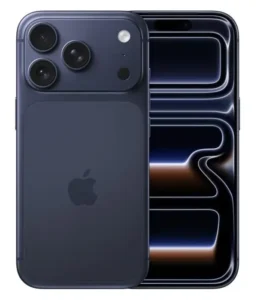
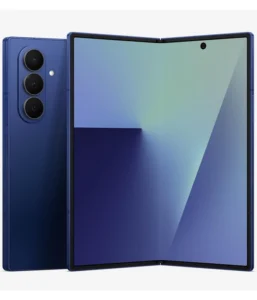
The camera approaches reveal fundamentally different priorities. The iPhone 17 Pro uses a uniform 48MP sensor across wide, telephoto, and ultrawide lenses, backed by a LiDAR scanner for depth mapping. Samsung’s Z Fold7 bets on a massive 200MP main sensor paired with a modest 10MP telephoto at 3x optical zoom and a 12MP ultrawide, prioritizing resolution on the primary camera over lens consistency.
In daylight shooting, the iPhone delivers seamless color matching across all three lenses, making focal length transitions feel invisible to the naked eye. The sensor-shift OIS on both main and telephoto cameras provides excellent stabilization for handheld shots. Samsung’s 200MP sensor captures extraordinary detail when pixel-peeping in perfect light, but the smaller 10MP telephoto produces noticeably softer images at 3x zoom compared to the iPhone’s 48MP 4x periscope lens. The resolution advantage evaporates the moment you switch away from the main camera.
Night photography exposes the iPhone’s computational edge. LiDAR-assisted autofocus locks onto subjects instantly in near-darkness, and multi-frame stacking produces cleaner shadows without the aggressive noise reduction that plagues budget Android phones. The Z Fold7’s 200MP sensor struggles with light gathering due to smaller individual pixel size, resulting in longer exposure times and occasional motion blur when subjects move. Samsung’s processing tends to brighten scenes aggressively, which looks punchy in thumbnails but can blow out highlights in mixed lighting scenarios.
Video capabilities tilt decisively toward the iPhone. ProRes support up to 120fps, Apple Log 2 color grading, and Dolby Vision HDR recording at 120fps make it a genuine production tool. The 3D spatial video feature adds immersive capture for compatible headsets. Samsung handles 8K at 30fps and clean 4K60 with gyro-EIS, but lacks professional codecs and advanced color profiles. The Z Fold7’s dual front cameras offer flexibility for video calls and selfies, though both are basic 10MP shooters that can’t match the iPhone’s 18MP ultrawide front camera with PDAF for sharper selfie detail.
Performance & Real-World Usage
Both phones run premium 3nm chipsets with distinct performance characteristics. The A19 Pro’s hexa-core design prioritizes sustained performance and efficiency, while the Snapdragon 8 Elite in the Z Fold7 pushes clock speeds to 4.47 GHz across its octa-core configuration. In benchmark sprints, the Snapdragon edges ahead in multi-threaded workloads, but the A19 Pro’s custom six-core GPU maintains smoother frame pacing during extended gaming sessions.
Thermal management becomes critical with the Z Fold7’s foldable form factor. The ultra-thin unfolded body at 4.2mm offers minimal heat dissipation space, causing the device to warm noticeably during intensive tasks. Gaming on the massive 8-inch display looks stunning initially, but sustained sessions show frame drops after 15-20 minutes as thermal throttling kicks in. The iPhone’s conventional 8.8mm chassis spreads heat more effectively, keeping surface temperatures comfortable even during 30-minute gaming marathons at max settings.
Storage performance shows Apple’s advantage clearly. The iPhone’s NVMe implementation delivers faster sequential reads and writes compared to the Z Fold7’s UFS 4.0, making large file transfers and 4K video exports noticeably quicker. Samsung offers RAM flexibility with configurations reaching 16GB on the top model versus the iPhone’s fixed 12GB across all variants. Heavy multitaskers who leverage Samsung DeX and run multiple apps in split-screen will appreciate the extra memory headroom, though most users won’t notice the difference in daily use.
The Adreno 830 GPU handles ray tracing better than previous Qualcomm chips, but it still trails Apple’s six-core GPU in sustained graphics performance. The Z Fold7’s larger display makes gaming more immersive, though the visible crease down the middle becomes distracting during dark scenes. App optimization matters significantly here: iOS games universally run at the iPhone’s native resolution, while Android apps on the Z Fold7 sometimes letterbox awkwardly or force unusual aspect ratios on the tablet-sized screen.
Battery Life & Charging Experience
Battery capacity creates an interesting dynamic. The iPhone 17 Pro packs 3998-4252mAh depending on SIM configuration, while the Z Fold7 carries 4400mAh to power both an 8-inch main display and a 6.5-inch cover screen. Despite the larger capacity, the Z Fold7’s dual-display system drains power faster. Mixed usage yields about 5-6 hours of screen-on time when primarily using the foldable inner display, compared to 6-7 hours on the iPhone 17 Pro’s more efficient single-screen setup.
Charging speeds favor the iPhone significantly. The 17 Pro hits 50% in just 20 minutes with wired charging, while the Z Fold7 requires 30 minutes for the same charge level despite its conservative 25W maximum. Neither phone includes a fast charger in the box, requiring separate purchases for advertised speeds. Wireless charging maxes out at 15W on the Z Fold7 versus 25W MagSafe on the iPhone, though both support reverse wireless charging at 4.5W for topping up earbuds or accessories.
The eSIM-only iPhone model packs a slightly larger 4252mAh battery versus the 3998mAh dual-SIM version, offering an extra hour of endurance for users who can go fully digital. The Z Fold7’s battery life disadvantage compounds during travel or heavy use days. Users who primarily rely on the cover screen can stretch battery life closer to the iPhone’s endurance, but that defeats the core purpose of owning a foldable. For power users, the Z Fold7 demands mid-day charging more frequently despite its nominally larger battery.
Display, Design & Build Feel
The fundamental form factor difference defines everything about these devices. The iPhone delivers a compact 6.3-inch slab with 89.4% screen-to-body ratio, while the Z Fold7 unfolds to reveal an expansive 8-inch tablet experience. The foldable’s inner display measures 204.2 cm² of usable space versus the iPhone’s significantly smaller footprint, making multitasking, reading, and media consumption dramatically different experiences.
Display quality shows trade-offs inherent to foldable technology. The iPhone’s LTPO Super Retina XDR panel hits 3000 nits peak brightness with 460 ppi density, protected by Ceramic Shield 2 rated at Mohs level 5 hardness. The Z Fold7’s foldable inner screen peaks at 2600 nits with lower 368 ppi density and Mohs level 1 scratch resistance due to the plastic protective layer over the UTG glass. The visible crease down the center of Samsung’s display is less pronounced than earlier generations but remains noticeable under certain lighting angles and when running fingers across the screen.
The Z Fold7’s 6.5-inch cover display offers 422 ppi and Gorilla Glass Ceramic 2 protection, making it more practical for quick tasks than constantly unfolding the device. Both inner displays support 120Hz adaptive refresh, though the iPhone’s Dolby Vision certification versus Samsung’s HDR10+ means better compatibility with Apple’s streaming ecosystem. The anti-reflective coating on the iPhone improves outdoor readability despite Samsung’s inner panel having respectable peak brightness.
Build quality and durability reveal stark differences. The iPhone’s Ceramic Shield 2 front and back with aluminum alloy frame feels more rigid and scratch-resistant. At 206g, it’s lighter than the Z Fold7’s 215g while feeling more premium in-hand. The Z Fold7 carries more weight but feels more fragile due to the complex hinge mechanism and plastic inner screen. IP48 rating provides dust protection only against particles larger than 1mm and water resistance to 1.5m versus the iPhone’s comprehensive IP68 rating to 6m depth. The Advanced Armor aluminum frame helps, but folding phones inherently trade durability for versatility.
Software, Updates & AI Features
iOS 26 and Android 16 with One UI 8 represent mature platforms optimized for their respective hardware. Apple’s ecosystem prioritizes seamless integration across devices, with features like satellite messaging, Advanced Find My, and Ultra Wideband support requiring other Apple hardware to maximize value. Face ID unlocks instantly and works reliably in most conditions, though it fails with masks or when the phone is lying flat on a desk.
Samsung’s One UI 8 takes full advantage of the foldable form factor with features the iPhone simply cannot match. Split-screen multitasking lets users run three apps simultaneously on the inner display, Samsung DeX transforms the phone into a desktop experience, and Flex Mode enables unique half-folded use cases for video calls and content consumption. The side-mounted fingerprint sensor unlocks quickly and offers more positional flexibility than Face ID, though it’s less secure against sophisticated spoofing attempts.
Update commitments now favor Samsung. The Z Fold7 promises seven major Android upgrades, exceeding Apple’s typical 5-6 years of iOS support. Both platforms will receive security patches throughout their update windows, though Apple’s tighter hardware-software integration often means smoother long-term performance. Android’s customization freedom appeals to power users who want launcher replacements and system-level tweaks, while iOS users benefit from better app optimization and earlier access to major third-party releases.
AI features remain limited on both platforms compared to Google’s Pixel offerings. Apple integrates on-device Siri improvements and photo editing tools that process locally, while Samsung relies more on cloud-based Galaxy AI for features like live translation, image enhancement, and smart replies. Privacy-conscious users will prefer Apple’s approach that keeps more data on-device. The iPhone’s satellite communication extends to emergency SOS and Messages, a unique capability the Z Fold7 can’t match despite its higher-end positioning.
Price & Value Proposition
Pricing structures place these devices in different categories. The iPhone 17 Pro starts at a premium tier with 256GB base storage and 12GB RAM, scaling up to 1TB for professional users. The Z Fold7 commands an even higher foldable premium while offering comparable storage tiers and the option for 16GB RAM on the top configuration. Both represent luxury purchases, but the Z Fold7’s foldable tax pushes it substantially higher in most markets.
Component analysis reveals where money goes. The iPhone’s Ceramic Shield 2 protection, NVMe storage, LiDAR scanner, and advanced video capabilities increase manufacturing costs. Samsung’s engineering marvel lies in the hinge mechanism, dual-display system, and ultra-thin foldable panel construction. Neither phone includes a fast charger in the box, requiring additional expense for even modest charging speeds.
Long-term ownership costs favor the iPhone significantly. Compact flagship phones like the 17 Pro retain 55-60% of original value after two years, while foldables depreciate faster at 40-45% due to durability concerns and rapidly improving foldable technology. The Z Fold7’s plastic inner screen requires more careful handling and potential screen protector replacements, adding ongoing costs. Apple’s longer track record of sustained performance over 4-5 years inspires more confidence than Samsung’s relatively new foldable platform.
The value proposition ultimately depends on whether the foldable form factor justifies the premium and trade-offs. The Z Fold7 offers a genuinely unique experience that transforms how users interact with their device, while the iPhone delivers refinement and reliability in a proven, pocketable package. Ecosystem considerations matter heavily: iPhone buyers invested in AirPods, Apple Watch, or MacBooks gain substantial utility, while Samsung users who own Galaxy Buds, Galaxy Watch, or use Windows PCs will find better integration with the Z Fold7.
Final Verdict: Which One Should You Buy?
The iPhone 17 Pro wins on camera versatility, video production capabilities, battery efficiency relative to screen size, and long-term durability. Choose it if you need professional-grade video recording with ProRes and Apple Log support, value LiDAR-assisted photography, want a compact device that will survive years of daily use, and already own Apple devices. The superior weather resistance, faster charging, better sustained performance, and stronger resale value make it the safer investment for most users.
The Galaxy Z Fold7 makes sense for users who genuinely need or want tablet functionality in a pocketable form factor. The 8-inch inner display enables productivity workflows impossible on traditional phones, from true multitasking to Samsung DeX desktop mode. Choose it if you frequently work with documents, spreadsheets, or multiple apps simultaneously, consume lots of media on the go, and can accept the durability compromises inherent to foldable technology.
Neither phone is perfect. The iPhone’s smaller 6.3-inch display may feel cramped for users accustomed to larger screens, and the 12GB RAM limitation seems arbitrary on a flagship. The Z Fold7’s inferior battery life when using the inner screen, visible screen crease, lower durability, and mediocre telephoto camera are real compromises. The decision ultimately depends on whether you value Apple’s compact polish and proven reliability or Samsung’s innovative form factor that redefines smartphone versatility at the cost of practicality.
iPhone 17 Pro vs Samsung Galaxy Z Fold7 Frequently Asked Questions
Which phone has better camera quality overall?
The iPhone 17 Pro offers superior camera consistency across all lenses, particularly for telephoto shots at 4x zoom and low-light photography thanks to LiDAR autofocus. Samsung’s 200MP main sensor captures impressive detail in perfect conditions, but the 10MP telephoto is significantly weaker. For professional video work, the iPhone’s ProRes, Apple Log, and Dolby Vision recording capabilities are unmatched.
How does battery life compare during daily use?
The iPhone 17 Pro delivers 6-7 hours of screen time versus 5-6 hours on the Z Fold7 when using the foldable inner display. Despite the Z Fold7’s larger 4400mAh battery, its dual-display system drains power faster. The iPhone also charges to 50% in 20 minutes versus 30 minutes for the Z Fold7, making it more practical for quick top-ups.
Is the foldable display durable enough for daily use?
The Z Fold7’s inner display uses a plastic protective layer rated at Mohs level 1 hardness, making it far more susceptible to scratches than the iPhone’s Ceramic Shield 2 at Mohs level 5. The visible crease and IP48 rating versus IP68 mean the foldable requires more careful handling. Samsung’s hinge technology has improved, but durability remains a trade-off for the form factor.
Which phone is better for one-handed use?
The iPhone 17 Pro is significantly better for one-handed use with its compact 6.3-inch display, 150mm height, and 206g weight. The Z Fold7’s cover screen offers decent one-handed operation when folded, but at 72.8mm wide and 8.9mm thick when closed, it feels bulkier in the hand. The iPhone’s smaller footprint makes it easier to reach all corners of the screen.
Which phone performs better for gaming?
The iPhone 17 Pro maintains smoother sustained performance thanks to better thermal management in its conventional chassis. The Z Fold7’s ultra-thin unfolded body causes thermal throttling after 15-20 minutes of intensive gaming. However, the Z Fold7’s massive 8-inch display creates a more immersive gaming experience when temperatures stay manageable and the visible crease isn’t distracting.
How do software update commitments compare?
Samsung promises seven major Android upgrades for the Z Fold7, exceeding Apple’s typical 5-6 years of iOS updates. Both phones will receive security patches throughout their support windows. The Z Fold7’s longer commitment looks better on paper, though Apple’s track record of sustained performance and app optimization over time remains stronger.
Can the Z Fold7 truly replace a tablet?
For light productivity tasks like document editing, web browsing, and media consumption, the Z Fold7’s 8-inch display works well as a tablet substitute. Samsung DeX and split-screen multitasking enable genuine productivity. However, the 4400mAh battery drains quickly under tablet-style use, and some apps don’t optimize well for the unusual aspect ratio, limiting its tablet replacement potential.
Which phone offers better value for the price?
The iPhone 17 Pro delivers better traditional value with superior cameras, faster charging, longer battery life relative to screen size, higher durability, and stronger resale value. The Z Fold7 commands a foldable premium for its innovative form factor and unique capabilities. Value depends on whether the foldable experience justifies the higher cost, durability trade-offs, and faster depreciation.