
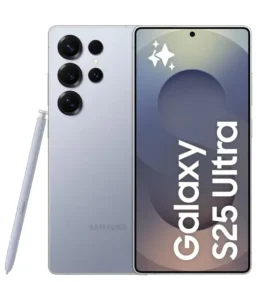
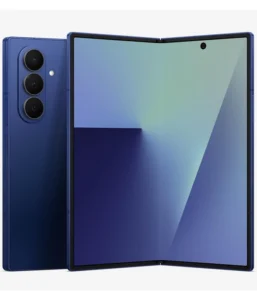
Samsung’s latest flagship duo presents a clear fork in the road. The Galaxy S25 Ultra refines the traditional candy-bar form factor with aggressive camera hardware and an integrated S Pen, while the Z Fold7 doubles down on foldable versatility with an 8-inch unfolded display. Both share the Snapdragon 8 Elite chipset and 200MP primary cameras, but the similarities stop there. The real question isn’t which phone has better specs on paper—it’s which compromises matter most in daily use.
Head-to-Head Camera Analysis
The S25 Ultra brings four rear cameras to the table, including a 50MP 5x periscope telephoto that the Z Fold7 simply doesn’t match. The Fold7 caps its telephoto reach at 3x optical zoom with a 10MP sensor, then relies on digital cropping beyond that. For wildlife photography or stadium sports, this gap becomes immediately apparent. The S25 Ultra maintains usable detail at 10x hybrid zoom, while the Z Fold7 starts showing artifacts past 5x.
Both phones deploy the same 200MP main sensor with f/1.7 aperture and optical stabilization, but their computational photography takes different paths. The S25 Ultra tends toward punchier HDR processing with deeper shadows and more aggressive sharpening, particularly in challenging mixed lighting. The Z Fold7 favors flatter profiles that preserve highlight detail but can look less dramatic straight out of camera. Neither approach is objectively superior—it depends whether consistency or wow factor matters more.
The ultrawide story flips the script entirely. The S25 Ultra’s 50MP ultrawide with Super Steady stabilization handles action shots and low-light scenes noticeably better than the Z Fold7’s 12MP unit. Video shooters will appreciate the S25 Ultra’s 8K capability at 24fps and 30fps, plus 4K at 120fps for smooth slow-motion. The Z Fold7 matches 8K at 30fps but loses the high-frame-rate 4K option, limiting creative flexibility for motion-heavy content.
Front camera performance splits based on use case. The S25 Ultra’s single 12MP selfie camera delivers dual-pixel autofocus and cleaner low-light performance. The Z Fold7 offers two front cameras—10MP on the cover display and a 10MP ultrawide under the main screen—but the under-display camera still shows visible artifacts in bright conditions. For video calls on the big screen, it works adequately, but pixel-peepers will notice the softness.
- S25 Ultra advantage: 5x periscope telephoto, 50MP ultrawide with stabilization, 4K 120fps video
- Z Fold7 advantage: Dual front cameras for unfolded use, flatter color science for editing
- Real difference: Zoom range and video features matter most for content creators
Performance and Real-World Usage
Identical Snapdragon 8 Elite chipsets mean these phones benchmark within margin of error, but thermal behavior tells a different story. The S25 Ultra’s titanium frame dissipates heat more efficiently during extended gaming sessions, holding performance longer before throttling kicks in. The Z Fold7’s thinner unfolded profile—just 4.2mm at its slimmest point—struggles with sustained loads, particularly when running intensive apps on that massive 8-inch display.
RAM configurations mirror each other across the board: 12GB standard, with a 16GB option at the 1TB storage tier. Both use UFS 4.0 storage for snappy app launches and file transfers. The practical difference emerges in multitasking scenarios. The Z Fold7’s expanded screen real estate makes split-screen work genuinely productive, but pushing three apps simultaneously in Flex Mode taxes the system noticeably more than the S25 Ultra’s simpler single-screen workflow.
Gaming performance on the Z Fold7 raises an interesting tension. That 8-inch display provides immersive visuals for titles like Genshin Impact or Call of Duty Mobile, but the aspect ratio forces letterboxing in most games. The S25 Ultra’s 19.5:9 conventional screen offers better compatibility and sustains higher frame rates longer without thermal throttling. For competitive mobile gaming, the traditional form factor proves more reliable.
The S Pen integration on the S25 Ultra adds practical utility that the Z Fold7 can’t replicate without an optional accessory. Quick note-taking, precise photo editing, and Air Command shortcuts feel native rather than bolted on. The Z Fold7 supports S Pen input but requires carrying a separate stylus, which defeats the spontaneity advantage. For users who actually leverage stylus input daily, this isn’t a minor detail—it’s a fundamental workflow difference.
Battery Life and Charging Experience
The 600mAh battery capacity gap—5000mAh in the S25 Ultra versus 4400mAh in the Z Fold7—translates directly to endurance. The S25 Ultra consistently delivers a full day of heavy mixed use with 15-20% remaining at bedtime. The Z Fold7 reaches the same endpoint with the battery in single digits, requiring more frequent top-ups if you’re pushing the main display hard.
Screen-on time becomes the real variable. Using the Z Fold7’s cover display primarily stretches battery life to roughly match the S25 Ultra, but that defeats the entire purpose of owning a foldable. Unfolding the device for multitasking, media consumption, or productivity work drains the battery noticeably faster than the S25 Ultra’s single efficient AMOLED panel. The larger screen area and dual-display power draw can’t escape physics.
Charging speeds reveal Samsung’s conservative approach with foldables. The S25 Ultra supports 45W wired charging, hitting 65% in 30 minutes, while the Z Fold7 maxes out at 25W with just 50% charge in the same timeframe. For users accustomed to faster-charging flagships from competitors, both feel sluggish, but the Z Fold7’s slower rate compounds the smaller battery frustration. Wireless charging matches at 15W for both, with reverse wireless at 4.5W for accessories.
Battery optimization through software helps close the gap slightly. Both run One UI 8 with adaptive battery learning, but the Z Fold7’s dual-display architecture simply demands more baseline power. Heavy users should expect to charge the Z Fold7 once midday, while the S25 Ultra can stretch to evening without anxiety.
- S25 Ultra wins: Longer endurance, faster charging, single-display efficiency
- Z Fold7 compromise: Smaller battery, slower charging, dual-screen power demands
- Usage reality: Foldable design inherently sacrifices battery longevity
Display, Design and Build Feel
The display comparison defies simple winner-takes-all logic. The S25 Ultra’s 6.9-inch Dynamic AMOLED 2X panel delivers 498 ppi density with Gorilla Armor 2 protection, creating a razor-sharp viewing experience that matches the Z Fold7’s 2600-nit peak brightness. The anti-reflective coating genuinely improves outdoor readability compared to previous generations. For users who prioritize a conventional smartphone experience with maximum durability, this display checks every box.
The Z Fold7 counters with sheer screen real estate—8 inches unfolded versus 6.9 inches fixed. That extra space transforms productivity workflows, making side-by-side document comparison, spreadsheet editing, and content creation tangibly easier. The 368 ppi density on the main screen falls noticeably short of the S25 Ultra’s crispness when scrutinizing fine text or detailed images, but the trade-off buys functional versatility that a traditional phone can’t replicate.
Durability protection splits along expected lines. The S25 Ultra’s IP68 rating provides confidence against full water immersion up to 1.5 meters for 30 minutes, plus comprehensive dust protection. The Z Fold7’s IP48 rating covers the same water resistance but only protects against particles larger than 1mm—fine sand or pocket lint can still infiltrate the hinge mechanism. Real-world testing confirms the S25 Ultra handles harsh environments more reliably.
Build quality favors different priorities. The S25 Ultra’s Grade 5 titanium frame feels more premium in-hand and adds structural rigidity that the Z Fold7’s aluminum frame can’t match. At 218 grams versus 215 grams, both phones carry substantial weight, but the Z Fold7’s folded thickness of 8.9mm makes it noticeably chunkier in pockets compared to the S25 Ultra’s uniform 8.2mm profile. The foldable design introduces mechanical complexity that purists will always view as a potential failure point.
The cover display on the Z Fold7—6.5 inches at 422 ppi with 120Hz—provides a surprisingly complete smartphone experience when folded. It’s narrower than the S25 Ultra’s screen but perfectly functional for quick tasks, messages, and one-handed use. This dual-display flexibility gives the Z Fold7 an adaptability advantage that the S25 Ultra fundamentally can’t answer.
Software, Updates and AI Features
Software support aligns identically: seven years of major Android upgrades and security patches. The S25 Ultra ships with Android 15 and One UI 8, while the Z Fold7 launches on Android 16 with the same One UI 8 interface. Both benefit from Samsung’s extended support commitment, eliminating longevity concerns that plagued earlier Samsung flagships.
One UI 8 optimization tells two different stories. The S25 Ultra runs a conventional smartphone interface with mature gesture navigation and predictable app behavior. The Z Fold7 layers on Flex Mode, taskbar multitasking, and app continuity features that occasionally feel more experimental than refined. Third-party app optimization for the unusual aspect ratio remains inconsistent—some apps scale beautifully across the full 8-inch display, while others show awkward letterboxing or stretched interfaces.
Samsung DeX functionality works on both devices, but the Z Fold7’s larger unfolded display makes wireless DeX more practical for impromptu desktop-style work without external monitors. The S25 Ultra requires connecting to an external display for the full DeX experience to feel genuinely useful. For users who frequently need laptop-replacement capability on the go, the Z Fold7’s native screen size closes part of that gap.
AI features integrate Galaxy AI capabilities like Circle to Search, Live Translate, and Generative Edit across both phones without meaningful differentiation. The S25 Ultra’s S Pen enables AI-assisted note summarization and sketch-to-image features that feel more natural than finger-based input on the Z Fold7. Samsung’s AI implementation remains largely gimmicky on both devices, delivering inconsistent results that don’t yet justify the marketing emphasis.
Price and Value Proposition
Pricing positions these phones at opposite ends of the premium spectrum. The S25 Ultra starts at a lower entry point for the base 256GB model, while the Z Fold7 commands a significant premium for the foldable form factor and dual-display engineering. Both offer identical 512GB and 1TB configurations with corresponding 12GB or 16GB RAM options, but the Z Fold7 adds hundreds more to each tier.
Value calculation depends entirely on whether foldable functionality justifies the price gap. The S25 Ultra delivers more versatile cameras, better durability, longer battery life, and integrated S Pen functionality at a lower cost. For photography enthusiasts, content creators, and users who prioritize traditional smartphone reliability, the value equation clearly favors the S25 Ultra.
The Z Fold7 asks buyers to pay extra for screen real estate and multitasking flexibility. If tablet-style productivity on a pocketable device solves real workflow problems, the premium becomes defensible. For users who mainly consume content, check emails, and browse social media, spending more for a foldable screen introduces complexity and fragility without proportional benefit.
Long-term value considerations weigh against the Z Fold7. Hinge durability remains an open question despite Samsung’s improved engineering, and repair costs for foldable displays significantly exceed conventional screen replacements. The S25 Ultra’s simpler construction reduces long-term ownership risk, particularly for users keeping devices beyond the typical two-year upgrade cycle.
- S25 Ultra value: Lower cost, superior cameras, better durability, proven longevity
- Z Fold7 premium: Foldable versatility, dual displays, unique form factor
- Value winner: S25 Ultra for most buyers, unless multitasking justifies the extra spend
Final Verdict: Which One Should You Buy?
The S25 Ultra suits users who want maximum camera capability, proven durability, and traditional smartphone reliability without compromise. The 5x periscope telephoto, integrated S Pen, superior battery life, and IP68 rating make it the safer choice for photography-focused buyers and anyone who needs a dependable daily driver. The titanium build and comprehensive camera system justify the flagship positioning without asking users to adapt to a new form factor.
The Z Fold7 makes sense for a narrower audience willing to accept trade-offs for genuine multitasking capability. If side-by-side app use, document editing on a larger canvas, or tablet-style media consumption solve specific productivity pain points, the foldable design delivers functionality that conventional phones can’t match. The weaker camera system, shorter battery life, and durability concerns become acceptable compromises when the expanded screen real estate provides daily value.
Most buyers should choose the S25 Ultra. It delivers flagship performance across cameras, battery, and build quality without introducing mechanical complexity or durability questions. The Z Fold7 remains a niche product for enthusiasts and professionals whose workflows genuinely benefit from a pocketable tablet—everyone else gets better value from Samsung’s traditional flagship.
The decision ultimately hinges on one question: does an 8-inch foldable display change how you work, or is it an expensive novelty? Answer honestly, and the right phone becomes obvious.
Samsung Galaxy S25 Ultra vs Samsung Galaxy Z Fold7 Frequently Asked Questions
Which phone has better cameras for photography?
The S25 Ultra provides superior camera versatility with its 5x periscope telephoto, 50MP ultrawide with stabilization, and 4K 120fps video recording. The Z Fold7 matches the 200MP main sensor but lacks the extended zoom range and high-frame-rate video options. For serious photography and content creation, the S25 Ultra delivers more capable hardware.
Does the Z Fold7’s foldable screen justify the higher price?
Only if multitasking and tablet-style productivity provide daily value. The 8-inch unfolded display enables genuine side-by-side app use and document editing that traditional phones can’t match. However, if you primarily consume content and use single apps, the premium doesn’t justify sacrificing camera capability and battery life.
How does battery life compare between the two phones?
The S25 Ultra’s 5000mAh battery outlasts the Z Fold7’s 4400mAh capacity by several hours of mixed use. The Z Fold7’s dual-display architecture and larger main screen demand more power, requiring midday charging for heavy users. The S25 Ultra also charges faster at 45W versus 25W on the Z Fold7.
Which phone is more durable for outdoor use?
The S25 Ultra wins decisively with its IP68 rating providing full dust and water protection. The Z Fold7’s IP48 rating covers water resistance but only protects against particles larger than 1mm, leaving the hinge vulnerable to fine dust and sand. The S25 Ultra’s titanium frame and Gorilla Armor 2 also offer superior drop protection.
Can both phones use the S Pen stylus?
The S25 Ultra integrates an S Pen inside the phone body for instant access to stylus features. The Z Fold7 supports S Pen input but requires purchasing and carrying a separate stylus. For users who frequently take handwritten notes or edit photos with precision, the S25 Ultra’s integrated solution proves far more convenient.
Which phone performs better for gaming?
Both share the Snapdragon 8 Elite chipset for identical benchmark performance, but the S25 Ultra maintains higher sustained frame rates due to better thermal management. The Z Fold7’s larger screen provides immersive visuals but forces letterboxing in most games and throttles sooner under sustained loads. Competitive mobile gamers should choose the S25 Ultra.
How long will each phone receive software updates?
Both phones receive seven years of major Android upgrades and security patches, eliminating any meaningful difference in long-term software support. The S25 Ultra ships with Android 15 and One UI 8, while the Z Fold7 launches on Android 16 with the same One UI 8 interface.
Which phone offers better value overall?
The S25 Ultra delivers superior value for most buyers with its lower price, more versatile cameras, longer battery life, and proven durability. The Z Fold7 costs significantly more for foldable functionality that only benefits users with specific multitasking workflows. Unless tablet-style productivity solves daily problems, the S25 Ultra provides better performance per dollar spent.