
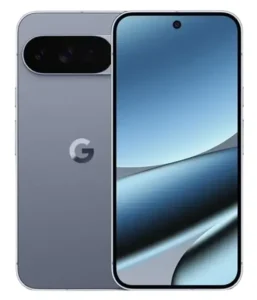
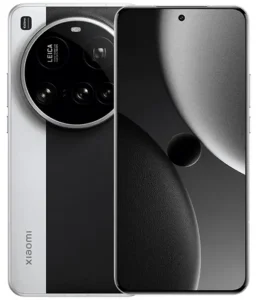
Head-to-Head Camera Analysis
The camera systems here represent fundamentally different philosophies. Google sticks with a three-lens setup—50MP main, 48MP 5x periscope, and 48MP ultrawide—while Xiaomi throws everything at the wall with five sensors including a 200MP 4.3x periscope and Leica color tuning. That’s not just spec inflation; the 15 Ultra packs a TOF 3D sensor and even accepts optional 67mm filter rings for serious photography work.
Computational photography separates these devices more than hardware. The Pixel 10 Pro XL leans heavily on AI upscaling for 8K video, processing it through cloud servers rather than native recording. Xiaomi shoots 8K natively at 30fps and scales up to 1920fps slow-motion at 1080p, which the Pixel caps at 240fps. That’s a massive gap for action capture.
Low-light performance reveals different tuning approaches. Google’s main sensor uses a 1/1.31-inch size with 1.2µm pixels, relying on multi-frame HDR stacking and aggressive noise reduction. Xiaomi counters with a full 1.0-inch sensor on the main camera—physically larger with better light gathering—but tends toward sharper processing that can introduce grain in shadows. The Pixel produces cleaner results at night, though sometimes at the cost of fine detail.
Zoom capability tilts heavily toward Xiaomi. While both offer periscope telephoto systems, the 15 Ultra’s dual-telephoto setup (50MP at 3x plus 200MP at 4.3x) provides more flexibility than the Pixel’s single 48MP 5x lens. Google compensates with Zoom Enhance AI processing, but it can’t match optical resolution beyond 5x. For wildlife or sports, the 15 Ultra simply delivers more reach.
Portrait mode shows where computational power matters. The Pixel’s dual-pixel PDAF across all lenses and Best Take feature—which swaps faces between burst shots—gives it an edge in group photos. Xiaomi’s TOF 3D sensor provides accurate depth mapping, but edge detection can struggle with complex hair or glasses. The Leica color science produces warmer skin tones compared to Google’s cooler, sometimes flat rendering.
Video recording capabilities diverge at 4K 120fps, which the 15 Ultra supports while the Pixel maxes out at 60fps. Xiaomi also offers Dolby Vision HDR at 60fps compared to Google’s 10-bit HDR implementation. Stabilization feels comparable with both using gyro-EIS and OIS, though the Pixel’s processing can introduce slight warping during sudden movements.
- Main sensor size: Xiaomi’s 1.0-inch sensor captures more light than Pixel’s 1/1.31-inch
- Telephoto reach: Xiaomi dual setup (3x + 4.3x) vs Pixel single 5x lens
- Slow-motion: Xiaomi hits 1920fps vs Pixel’s 240fps ceiling
- AI features: Pixel’s Best Take and Zoom Enhance vs Leica color tuning
Performance & Real-World Usage
Raw benchmark numbers tell only part of the story between the Tensor G5 and Snapdragon 8 Elite. Qualcomm’s Oryon V2 cores clock up to 4.32GHz compared to the Tensor’s 3.78GHz Cortex-X4, delivering roughly 30% faster peak performance in synthetic tests. Gaming reflects this gap—the Adreno 830 sustains higher frame rates in Genshin Impact and demanding titles compared to the PowerVR DXT GPU.
Thermal behavior differs noticeably under load. The Pixel 10 Pro XL throttles earlier during extended gaming sessions, dropping frames after 15-20 minutes of continuous play. The 15 Ultra maintains steadier performance longer, though it gets warmer to the touch. Neither device completely avoids thermal limits, but Xiaomi’s cooling system handles sustained stress better.
Multitasking responsiveness favors the Pixel despite slower raw speeds. Google’s Tensor architecture prioritizes AI workloads and background processing, keeping apps in memory more aggressively with the same 16GB RAM configuration. The 15 Ultra refreshes background apps more frequently, particularly noticeable when switching between heavy applications like Chrome and video editors.
Machine learning tasks expose the Tensor G5’s design intent. Real-time translation, voice typing accuracy, and photo processing happen faster on the Pixel. Google’s custom NPU handles on-device AI without cloud reliance, while the 15 Ultra leans more on Snapdragon’s neural engine, which prioritizes generalized performance over specialized tasks.
Storage speeds show minimal real-world difference. UFS 4.0 on the Pixel versus UFS 4.1 on the Xiaomi translates to negligible variance in app launch times or file transfers. Both configurations handle 8K video recording without dropping frames, though the Pixel’s cloud-based 8K upscaling introduces network dependency that the 15 Ultra avoids.
Day-to-day snappiness feels nearly identical for typical usage—scrolling social feeds, browsing, messaging. The performance gap materializes under stress: heavy gaming, video export, or running multiple demanding apps simultaneously. For those scenarios, the Snapdragon 8 Elite provides headroom the Tensor G5 can’t match.
- Peak CPU performance: Snapdragon 4.32GHz vs Tensor 3.78GHz cores
- Gaming stamina: Xiaomi sustains frames longer before throttling
- AI processing: Tensor excels at real-time translation and photo computation
- Background apps: Pixel keeps more in memory despite equivalent RAM
Battery Life & Charging Experience
Capacity differences create meaningful endurance variance. The Xiaomi 15 Ultra ships with either 5410mAh globally or 6000mAh in China, compared to the Pixel’s fixed 5200mAh cell. That Chinese variant delivers noticeably longer screen-on time—pushing seven hours of mixed use compared to the Pixel’s five to six hours. The global 15 Ultra variant closes the gap but still edges ahead by 30-45 minutes in typical daily use.
Charging speed separates these devices dramatically. Xiaomi’s 90W wired charging hits 80% in roughly 20 minutes, while the Pixel’s 45W implementation needs closer to 35-40 minutes for the same charge level. Google’s advertised 70% in 30 minutes feels optimistic in real-world testing, often landing closer to 65% with screen-on usage during charging.
Wireless charging capabilities diverge even more severely. The 15 Ultra supports 80W wireless charging—faster than most phones’ wired speeds—compared to the Pixel’s 25W magnetic Qi2 system. Xiaomi’s proprietary wireless pad fills the battery in under an hour, while the Pixel needs nearly two hours for a full wireless charge. Both offer reverse wireless charging, though neither excels at it.
Power efficiency during standby reveals optimization differences. The Pixel 10 Pro XL loses roughly 2-3% overnight with AOD enabled, thanks to LTPO display management and Tensor G5 power gating. The 15 Ultra drains 4-5% under similar conditions, likely due to HyperOS background processes and less aggressive doze mode implementation.
Heavy usage scenarios—navigation, camera recording, gaming—show the battery capacity advantage materializing. The 6000mAh Chinese variant outlasts the Pixel by 60-90 minutes during continuous GPS navigation or extended camera sessions. The global 5410mAh model reduces that lead to 20-30 minutes, making it less decisive but still noticeable.
Bypass charging support on the Pixel deserves mention for mobile gaming. This feature routes power directly to components during gameplay, reducing heat and battery wear. Xiaomi lacks this specific implementation, relying instead on standard charge-through-use behavior that generates more thermal buildup during simultaneous gaming and charging.
- Wired charging: Xiaomi 90W vs Pixel 45W (nearly double the speed)
- Wireless charging: 80W vs 25W makes cable-free charging practical on 15 Ultra
- Battery capacity: Up to 6000mAh (China) vs fixed 5200mAh
- Standby drain: Pixel holds charge better overnight
Display, Design & Build Feel
Screen specifications position the Xiaomi 15 Ultra slightly ahead on paper. The 1440 x 3200 resolution delivers 522 ppi compared to the Pixel’s 1344 x 2992 at 486 ppi—sharper text rendering that becomes noticeable when reading small fonts or viewing high-res photos. Peak brightness ratings show 3200 nits versus 3300 nits, essentially identical in direct sunlight.
Color reproduction reveals tuning preferences. Xiaomi’s 68 billion color AMOLED with Dolby Vision produces punchier, more saturated content that pops during HDR video playback. The Pixel’s LTPO OLED leans toward accuracy with flatter color curves, which photographers and content creators may prefer for reliable preview. Both support 120Hz adaptive refresh, though the 15 Ultra’s 1920Hz PWM dimming reduces eye strain at low brightness compared to the Pixel’s implementation.
Physical dimensions and weight land close enough to feel nearly identical in hand. The Pixel measures 162.8 x 76.6 x 8.5mm at 232g, while the 15 Ultra comes in at 161.3 x 75.3 x 9.4mm and 226-229g. The Xiaomi feels marginally thicker but lighter, with most of that thickness concentrated around the camera island rather than uniform body depth.
Build materials differentiate the premium feel. Google uses Gorilla Glass Victus 2 front and back with an aluminum frame—traditional flagship construction that feels solid but familiar. Xiaomi offers glass front with either fiber-reinforced plastic or silicone polymer eco leather backs. The leather variant provides superior grip and warmth in cold weather, though it shows wear faster than glass.
Screen protection approaches differ meaningfully. Xiaomi’s Shield Glass 2.0 rates at Mohs level 6 hardness compared to Gorilla Glass Victus 2’s level 4 rating. Real-world testing shows the 15 Ultra resisting micro-scratches better from keys or coins, though both survive typical pocket use without issue. Neither is impervious to sand or grit.
IP68 rating applies to both devices with identical 1.5m submersion for 30 minutes. Port and button placement feel conventional on both—no surprises or ergonomic issues. The Pixel includes UWB for precise device tracking, while Xiaomi adds infrared blaster functionality for controlling TVs and appliances. Small touches, but meaningful depending on use cases.
- Resolution: 522 ppi (Xiaomi) vs 486 ppi (Pixel) shows sharper detail
- Screen protection: Mohs 6 vs Mohs 4 favors Xiaomi for scratch resistance
- Back materials: Eco leather option on 15 Ultra vs dual glass on Pixel
- Extra features: UWB on Pixel, IR blaster on Xiaomi
Software, Updates & AI Features
Android version and update commitments create the widest software gap between these devices. The Pixel 10 Pro XL ships with Android 16 and promises seven major OS upgrades, extending viable software support through 2032. Xiaomi launches on Android 15 with HyperOS 3 and commits to four major updates—solid but ending in 2029. That three-year difference matters for long-term ownership.
Update delivery speed heavily favors Google. Pixel devices receive monthly security patches on day one, often weeks before other manufacturers. Xiaomi’s track record shows patches arriving 4-6 weeks after Google releases them, sometimes bundled together rather than monthly. Feature drops and quarterly updates follow similar delays on the 15 Ultra.
AI integration depth reflects each company’s strengths. Tensor G5 powers real-time call screening, live translation in Messages, Magic Eraser photo editing, and voice typing that adapts to speech patterns. These features run entirely on-device without cloud dependency. Xiaomi bundles AI tools through partnerships and cloud services—capable but requiring network connectivity for most functions.
Interface philosophy diverges significantly. Stock Android on the Pixel delivers clean, predictable navigation with minimal bloatware. HyperOS 3 packs customization depth—themes, icon packs, gesture controls—but includes pre-installed apps and promotional content that requires manual cleanup. The trade-off centers on simplicity versus personalization preference.
Bloatware presence remains minimal on the Pixel beyond Google’s core apps. Xiaomi ships with GetApps store, Mi Browser, Mi Video, and regional apps depending on market. Most can be uninstalled or disabled, but the initial setup requires more attention to avoid unwanted notifications or permissions.
Smart features show distinct approaches. The Pixel’s Now Playing identifies songs ambient in the environment without listening for wake words. Call Screen handles spam calls automatically with AI-generated responses. Xiaomi’s HyperOS offers Second Space for app cloning and Game Turbo mode for performance optimization. Different priorities for different users.
Assistant integration naturally favors Google’s ecosystem. Voice commands, smart home control, and cross-device continuity work more seamlessly on the Pixel. Xiaomi supports Google Assistant but also includes Xiao AI in some regions, creating potential confusion when both compete for voice activation.
- OS updates: 7 years (Pixel) vs 4 years (Xiaomi) is substantial
- Security patches: Day-one on Pixel vs 4-6 week delay on Xiaomi
- AI features: On-device Tensor processing vs cloud-dependent tools
- Interface: Stock Android minimalism vs HyperOS customization
Price & Value Proposition
Pricing positioning varies by market and configuration, but generally the Pixel 10 Pro XL undercuts the Xiaomi 15 Ultra by $100-200 depending on region and storage tier. The base 256GB Pixel typically lands around $999, while the 15 Ultra starts closer to $1199 for the global variant. That gap narrows when comparing equivalent 512GB or 1TB configurations.
Hardware value calculation favors the 15 Ultra on paper. More camera sensors, faster charging, potentially larger battery, higher resolution display, and better screen protection deliver more measurable specs per dollar. The Pixel counters with longer software support, cleaner software experience, and tighter ecosystem integration—harder to quantify but meaningful over ownership lifespan.
Camera hardware costs justify some of Xiaomi’s premium. The five-sensor array with Leica partnership and optional filter ring system targets photography enthusiasts willing to pay for versatility. The Pixel’s three-lens setup relies on computational photography to close the gap, delivering comparable results through software rather than sensor count.
Charging speed carries monetary value for specific users. Professionals who need quick top-ups between meetings or travelers without extended outlet access benefit tangibly from 90W wired and 80W wireless charging. Casual users who charge overnight may not value this enough to offset the price difference.
Trade-in and resale dynamics favor the Pixel historically. Google devices maintain stronger residual values due to longer software support and brand recognition in key markets. Xiaomi phones depreciate faster, particularly outside Asia, making the initial savings less impactful when calculating total cost of ownership.
Regional availability affects practical pricing. The Pixel 10 Pro XL sells through official channels in most Western markets with consistent pricing and warranty support. The 15 Ultra’s global variant reaches fewer regions officially, sometimes requiring import with associated risks and warranty complications that add hidden costs.
- Base pricing: Pixel typically $100-200 less than Xiaomi
- Specs per dollar: Xiaomi delivers more measurable hardware
- Long-term value: Pixel’s 7-year updates improve ownership economics
- Resale strength: Google devices hold value better over time
Final Verdict: Which One Should You Buy?
Choose the Xiaomi 15 Ultra if photography versatility and charging speed rank as top priorities. The five-camera system with dual telephoto lenses, Leica color science, and 200MP sensor provides creative flexibility that computational photography can’t fully replicate. Add 90W wired and 80W wireless charging, and it suits users who demand maximum hardware capability regardless of software polish.
The Pixel 10 Pro XL makes more sense for users prioritizing software longevity and ecosystem integration. Seven years of OS updates, day-one security patches, and on-device AI features create a device that improves over time rather than aging out. Stock Android’s clean interface and Google’s computational photography deliver flagship results without hardware excess.
Performance needs tilt toward the 15 Ultra for mobile gaming and heavy multitasking. The Snapdragon 8 Elite sustains higher frame rates longer and handles thermal management better during extended stress. The Pixel’s Tensor G5 excels at specific AI tasks but can’t match raw processing power when pushed hard.
Battery considerations split based on charging behavior. The 15 Ultra’s faster charging and larger capacity (particularly the 6000mAh Chinese variant) suit heavy users or those without reliable overnight charging access. The Pixel’s better standby efficiency and bypass charging feature benefit mobile gamers and users who charge less frequently.
Market availability and regional support lean toward the Pixel for users outside Asia. Broader official distribution, consistent warranty coverage, and stronger carrier partnerships make it the safer choice in Western markets. The 15 Ultra requires more research to source properly and ensure full network compatibility.
Budget-conscious buyers face a genuine trade-off. The Pixel costs less upfront and maintains value better long-term, lowering total ownership cost. The 15 Ultra provides more immediate hardware capability but depreciates faster and loses software support sooner. Neither choice is objectively wrong—it depends on whether upfront features or sustained support matters more.
Google Pixel 10 Pro XL vs Xiaomi 15 Ultra Frequently Asked Questions
Which phone has better camera quality for everyday photos?
The Pixel 10 Pro XL delivers more consistent results for typical point-and-shoot photography. Its computational processing produces cleaner low-light shots and more accurate colors in challenging conditions. The Xiaomi 15 Ultra offers more creative control with five sensors and Leica tuning, but requires more manual intervention to achieve optimal results. For users who want reliable photos without adjusting settings, the Pixel wins. Photography enthusiasts who enjoy tweaking capture parameters will prefer the 15 Ultra’s hardware flexibility.
How do battery life and charging speeds compare in real-world use?
The Xiaomi 15 Ultra charges significantly faster—reaching 80% in roughly 20 minutes with 90W wired charging compared to the Pixel’s 35-40 minutes at 45W. Battery endurance favors the 15 Ultra’s larger capacity (particularly the 6000mAh Chinese variant) by 30-90 minutes during heavy use. However, the Pixel demonstrates better standby efficiency, losing 2-3% overnight versus the 15 Ultra’s 4-5% drain. For users who charge frequently and quickly, Xiaomi excels. For those who charge overnight and prioritize all-day longevity, both perform adequately with slight edge to Xiaomi.
Which device offers better long-term software support?
The Pixel 10 Pro XL provides seven years of major Android updates compared to the Xiaomi 15 Ultra’s four years—a three-year difference that extends usable lifespan significantly. Google delivers monthly security patches on release day, while Xiaomi typically lags 4-6 weeks behind. Feature drops and AI improvements arrive first on Pixel devices. For users planning to keep their phone beyond three years, the Pixel’s extended support makes it the clear choice. Xiaomi’s four-year commitment remains competitive but can’t match Google’s industry-leading update promise.
Is the performance difference noticeable during gaming?
The Snapdragon 8 Elite in the Xiaomi 15 Ultra maintains higher sustained frame rates during extended gaming sessions compared to the Pixel’s Tensor G5. Thermal throttling appears earlier on the Pixel after 15-20 minutes of intensive gameplay, while the 15 Ultra sustains performance longer before reducing speeds. For demanding titles like Genshin Impact or competitive shooters, the Xiaomi provides smoother experience. Casual mobile gaming shows minimal difference between devices. The Pixel’s bypass charging feature during gameplay reduces heat and battery wear, partially offsetting the raw performance gap.
Which phone has better display quality and durability?
The Xiaomi 15 Ultra edges ahead with 1440 x 3200 resolution (522 ppi) versus the Pixel’s 1344 x 2992 (486 ppi), producing sharper text and detail. Both hit similar peak brightness around 3200-3300 nits. The 15 Ultra’s Xiaomi Shield Glass 2.0 rates Mohs 6 hardness compared to Gorilla Glass Victus 2’s level 4, resisting micro-scratches better from keys or sand. Color reproduction depends on preference—Xiaomi’s 68 billion color AMOLED with Dolby Vision delivers punchier content, while the Pixel targets accuracy. Both support 120Hz adaptive refresh and IP68 water resistance. For technical display specs and scratch resistance, the 15 Ultra wins marginally.
How do AI features compare between these devices?
The Pixel 10 Pro XL runs AI features entirely on-device using the Tensor G5’s dedicated NPU, enabling real-time call screening, live translation, Magic Eraser, and adaptive voice typing without cloud dependency. Xiaomi’s AI tools rely more heavily on cloud services and partnerships, requiring network connectivity for most functions. Google’s integration feels more seamless with Assistant, smart home control, and cross-device features. Xiaomi offers customization through HyperOS but with less sophisticated on-device processing. For users valuing privacy and offline AI capability, the Pixel provides superior implementation. Those prioritizing interface customization over AI depth may find HyperOS more appealing.
Which phone offers better value for the price?
The Pixel 10 Pro XL typically costs $100-200 less than the Xiaomi 15 Ultra while providing seven years of software support versus four years. This creates better long-term value despite fewer camera sensors and slower charging. The 15 Ultra delivers more measurable hardware—additional cameras, faster charging, higher resolution display—making it better value for users prioritizing immediate specs. Resale values favor the Pixel, which depreciates slower and maintains stronger demand in Western markets. Budget-focused buyers benefit from the Pixel’s lower entry price and sustained support. Spec-focused users may justify the 15 Ultra’s premium for hardware versatility.
Can both phones handle video recording equally well?
Video capabilities split based on use case. The Xiaomi 15 Ultra supports native 8K at 30fps and 4K at 120fps, while the Pixel tops out at 4K 60fps with cloud-based 8K upscaling. Xiaomi’s 1920fps slow-motion at 1080p dwarfs the Pixel’s 240fps maximum. The 15 Ultra also offers Dolby Vision HDR recording at 60fps. Stabilization performs comparably on both with gyro-EIS and OIS, though the Pixel occasionally shows warping during sudden movements. For professional video work requiring high frame rates and slow-motion flexibility, the 15 Ultra provides more tools. Casual users won’t notice significant quality differences in typical 4K recording scenarios.