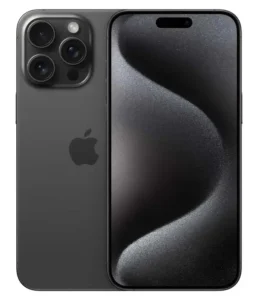
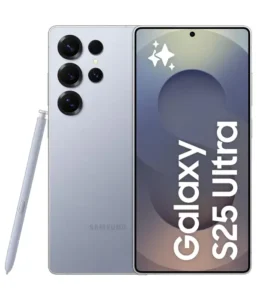
The flagship smartphone battle reaches new heights with Apple’s iPhone 16 Pro Max and Samsung’s Galaxy S25 Ultra. Both devices push boundaries in different directions. The iPhone brings refined titanium craftsmanship and a camera system built around computational photography. Samsung counters with raw hardware power, a versatile S Pen, and a camera array that prioritizes megapixel count. Each phone targets different user priorities, making the choice less about which is better and more about which fits your workflow.
Camera Comparison
Samsung takes an aggressive approach with its 200MP main sensor. This massive resolution captures incredible detail in good lighting conditions. The S25 Ultra packs four rear cameras: a 200MP wide, 10MP 3x telephoto, 50MP 5x periscope telephoto, and 50MP ultrawide. You get flexibility across multiple focal lengths. The dual telephoto setup means cleaner zoomed shots without digital cropping.
Apple’s strategy focuses on computational power over pixel count. The 48MP main camera pairs with a 12MP 5x periscope telephoto and 48MP ultrawide. The addition of a LiDAR scanner enhances autofocus in low light and enables precise depth mapping. Where the iPhone shines is video recording. It captures 4K at up to 120fps with Dolby Vision HDR and even offers ProRes codec support. The 3D spatial video feature creates immersive content for compatible displays.
Real-world performance splits along predictable lines. Samsung delivers more zoom versatility with its 3x and 5x optical options. The 200MP sensor produces stunning landscape shots with jaw-dropping clarity. Apple’s strength emerges in challenging conditions. Night mode processes multiple exposures into clean, noise-free images. The LiDAR scanner locks focus faster in darkness than Samsung’s traditional phase detection system.
Video creators will lean toward the iPhone. ProRes recording provides professional editing flexibility. Dolby Vision HDR up to 60fps produces cinema-quality footage straight from the camera. Samsung counters with 8K recording capability, though file sizes become massive quickly. The iPhone’s sensor-shift OIS stabilizes video better than Samsung’s gyro-EIS, especially during movement.
Portrait photography highlights different philosophies. Samsung’s higher resolution allows for more aggressive cropping without quality loss. Apple’s depth sensor creates more accurate background separation. Both front cameras offer 12MP resolution, but Apple includes OIS for steadier selfie videos.
Performance & Real-World Usage
The A18 Pro chip inside the iPhone runs on a 3nm process with a hexa-core CPU configuration. Two performance cores hit 4.05GHz while four efficiency cores handle lighter tasks at 2.42GHz. The 6-core GPU delivers smooth graphics for gaming and intensive apps. Apple pairs this with 8GB of RAM across all storage tiers.
Samsung equips the S25 Ultra with Snapdragon 8 Elite, also built on 3nm architecture. The octa-core setup pushes two Phoenix L cores to 4.47GHz and six Phoenix M cores to 3.53GHz. More cores mean better multitasking distribution. The Adreno 830 GPU clocks at 1200MHz for sustained gaming performance. RAM options span from 12GB to 16GB, giving power users extra headroom.
Gaming performance reveals subtle differences. The iPhone’s GPU optimizations deliver consistent frame rates in demanding titles. Apple’s tight hardware-software integration prevents thermal throttling during extended sessions. Samsung’s extra RAM keeps more apps suspended in memory. You can switch between applications without reloading. The higher clock speeds on the Snapdragon chip translate to snappier app launches.
Productivity users benefit from different strengths. The S25 Ultra includes the integrated S Pen stylus for note-taking and precise navigation. Samsung DeX transforms the phone into a desktop-like experience when connected to external displays. Apple’s ecosystem integration shines through features like Universal Clipboard and AirDrop. Face ID unlocks faster than Samsung’s under-display fingerprint sensor.
Storage configurations mirror each other with 256GB, 512GB, and 1TB options. Apple uses NVMe storage while Samsung opts for UFS 4.0. Both deliver blazing read and write speeds. The extra storage tier on Samsung with 16GB RAM targets content creators handling large video files.
Battery & Charging
The S25 Ultra packs a 5000mAh battery, giving it a capacity advantage on paper. Samsung supports 45W wired charging that reaches 65% in 30 minutes. Wireless charging maxes out at 15W through Qi2-ready technology. The phone also offers 4.5W reverse wireless charging for accessories.
Apple fits a 4685mAh battery into the iPhone’s slimmer profile. The charging setup reaches 50% in 30 minutes, though the exact wattage depends on the power adapter used. MagSafe wireless charging delivers 25W, significantly faster than Samsung’s wireless option. Qi2 support provides 15W charging with compatible pads. Reverse wired charging at 4.5W keeps accessories powered.
Battery life depends heavily on usage patterns. The larger Samsung cell provides more endurance during mixed use. Heavy video streaming or gaming sessions will see the S25 Ultra last longer between charges. Apple’s efficiency optimizations compensate for the smaller battery. The A18 Pro manages power consumption dynamically based on task demands.
Charging speed comparisons favor Samsung for wired refills. The 45W capability tops up the battery faster during short breaks. Apple’s MagSafe advantage becomes clear for wireless charging. The 25W wireless speed nearly matches entry-level wired charging on other phones. Both devices support reverse charging, useful for topping up wireless earbuds in a pinch.
Display & Build Quality
Both phones feature identical 6.9-inch displays with 120Hz refresh rates. Screen-to-body ratios hover around 91-92%, maximizing viewing area. The similarities end there. Samsung’s Dynamic AMOLED 2X panel pushes resolution to 1440 x 3120 pixels, achieving 498 ppi density. Peak brightness reaches 2600 nits, making outdoor visibility exceptional. Corning Gorilla Armor 2 protection includes an anti-reflective coating that reduces glare.
Apple’s LTPO Super Retina XDR OLED settles at 1320 x 2868 resolution with 460 ppi density. The lower resolution is imperceptible to most eyes at normal viewing distances. Peak brightness hits 2000 nits in high brightness mode. Ceramic Shield glass provides scratch resistance rated at Mohs level 4. The display supports HDR10 and Dolby Vision for premium video content.
Build quality showcases premium materials on both devices. Grade 5 titanium frames reduce weight while maintaining structural integrity. The iPhone weighs 227g compared to Samsung’s lighter 218g. Both achieve IP68 water resistance, though Apple rates its protection to 6 meters depth versus Samsung’s 1.5 meters rating.
Design language differs significantly. Apple maintains clean lines with minimal branding and a camera bump integrated into the frame. Samsung’s squared edges and flat display create a more angular aesthetic. The S Pen stylus slots into the bottom edge, adding functionality without compromising the sleek profile.
Display performance in daily use reveals strengths in different scenarios. Samsung’s higher resolution produces sharper text rendering, noticeable when reading long documents. The anti-reflective coating makes outdoor use more comfortable. Apple’s Dolby Vision support provides better color accuracy in HDR content. The ProMotion technology adapts refresh rates dynamically, conserving battery during static content.
Software, Updates & AI Features
The iPhone ships with iOS 18 and receives updates through iOS 26.2 based on Apple’s track record. Software support typically extends six to seven years from release. The closed ecosystem provides consistent performance across the device lifespan. iOS prioritizes privacy with on-device processing for many features. Face ID data never leaves the phone, and app tracking requires explicit permission.
Samsung runs Android 15 with One UI 8 customization. The company promises seven major Android upgrades, matching Apple’s long-term support commitment. One UI adds extensive customization options. You can modify the home screen layout, lock screen widgets, and system fonts. The software includes Samsung DeX for desktop-mode productivity and Samsung Wireless DeX for cable-free external display connections.
AI capabilities take different approaches. Apple Intelligence integrates throughout iOS, enhancing photo organization, predictive text, and voice assistance. The Neural Engine in the A18 Pro handles machine learning tasks locally. Features like Live Text recognition and Visual Look Up identify objects and text in images instantly.
Samsung leverages Google’s AI infrastructure alongside proprietary features. Galaxy AI assists with photo editing, translation, and note organization. The S Pen gains AI-powered handwriting recognition that converts scribbles to text. Circle to Search lets you identify objects by drawing around them on screen.
App ecosystem differences remain significant. iOS developers often prioritize iPhone optimization, resulting in better app performance and earlier access to new releases. Android’s open platform provides more flexibility for customization and alternative app sources. Samsung includes split-screen multitasking and floating windows for enhanced productivity.
Price & Value for Money
Both flagships command premium pricing that reflects their high-end positioning. Storage capacity directly impacts cost, with 1TB variants representing significant investments. The iPhone maintains stronger resale value historically, offsetting the initial purchase price for users who upgrade regularly.
Value assessment depends on which features matter most to your workflow. The Samsung bundle includes the S Pen stylus at no extra cost, eliminating the need for a separate purchase. Creative professionals who sketch or take handwritten notes gain immediate utility. The higher RAM configurations on Samsung provide better future-proofing for demanding applications.
Apple’s value proposition centers on ecosystem integration. Existing owners of MacBooks, iPads, or Apple Watches benefit from seamless device communication. AirDrop transfers files instantly between devices. Handoff lets you start tasks on one device and continue on another. These conveniences add substantial value for users invested in Apple’s product line.
Long-term ownership costs favor both phones differently. Seven years of guaranteed updates from Samsung mean the device stays secure and functional longer. Apple’s historically strong software support matches this commitment. Battery replacement costs and repair pricing should factor into total ownership calculations. Both manufacturers offer extended warranty programs at additional cost.
Which One Should You Buy?
Choose the iPhone 16 Pro Max if video creation drives your work. The ProRes recording, Dolby Vision HDR, and superior stabilization make it the clear winner for content creators. Face ID provides effortless unlocking, and MagSafe accessories expand functionality. Apple’s ecosystem benefits matter most when you already own other Apple products. The privacy-focused approach appeals to security-conscious users.
Pick the Samsung Galaxy S25 Ultra for maximum versatility. The S Pen transforms the phone into a portable notebook and precision pointing device. Photography enthusiasts benefit from the 200MP sensor and dual telephoto setup. Higher RAM options handle intensive multitasking better. Samsung DeX creates a desktop experience perfect for presentations or extended work sessions. Android’s customization freedom lets you tailor the interface to your preferences.
Platform loyalty often determines the choice before comparing specifications. iOS users rarely switch to Android, and vice versa. The learning curve and ecosystem lock-in create significant friction. If you’re genuinely platform-agnostic, examine your daily usage patterns. Do you sketch or take handwritten notes? Samsung wins. Does video quality trump megapixel count? Choose Apple. Do you need maximum flexibility for file management and system customization? Android provides more freedom.
Budget considerations matter less at this tier since both phones cost similar amounts. Focus instead on which features you’ll actually use. The S Pen sits unused by many S25 Ultra owners who never develop the stylus habit. Apple’s ProRes video requires compatible editing software to leverage fully. Buy based on genuine needs rather than specification sheet bragging rights.
Frequently Asked Questions
Which phone has a better camera for photography?
The answer depends on your photography style. Samsung’s 200MP main sensor captures more detail in daylight shots and provides superior zoom flexibility with its dual telephoto system at 3x and 5x optical zoom. The higher megapixel count allows aggressive cropping while maintaining image quality. Apple’s 48MP system delivers cleaner low-light performance thanks to the LiDAR scanner for faster autofocus and better computational photography processing. Night mode on the iPhone produces less noise in challenging lighting conditions. For landscapes and zoom photography, Samsung takes the lead. For night photography and overall consistency, Apple edges ahead.
How does battery life compare between these two phones?
The Samsung Galaxy S25 Ultra features a larger 5000mAh battery compared to the iPhone’s 4685mAh capacity. In real-world testing, Samsung typically delivers longer screen-on time during continuous video streaming or gaming sessions. The iPhone compensates through superior power management optimization between the A18 Pro chip and iOS. Both phones easily last a full day of moderate use. Heavy users who stream video frequently or game extensively will notice the S25 Ultra’s endurance advantage. Charging speed favors Samsung for wired refills at 45W versus Apple’s slower wired charging, though the iPhone offers faster 25W MagSafe wireless charging.
Is the S Pen worth choosing Samsung over iPhone?
The S Pen’s value depends entirely on your workflow habits. Digital artists, note-takers, and professionals who annotate documents frequently find the stylus indispensable. It transforms the phone into a portable sketchpad with pressure sensitivity and low latency. Business users can sign documents, mark up presentations, and take handwritten meeting notes without carrying separate tools. However, many S25 Ultra buyers rarely use the S Pen after initial experimentation. If you’ve never felt limited by finger-only input on previous phones, the stylus might not justify the purchase. Try a Galaxy phone with S Pen support before committing if you’re uncertain about its utility for your specific needs.
Which phone receives longer software support and updates?
Both manufacturers now offer comparable long-term software support. Samsung guarantees seven major Android upgrades for the Galaxy S25 Ultra, meaning it will receive updates through Android 22 along with security patches. Apple provides updates for iPhone 16 Pro Max through iOS 26.2 based on their historical pattern, typically supporting devices for six to seven years. The practical difference between platforms lies in update delivery. Apple releases iOS updates simultaneously to all compatible devices worldwide. Samsung staggers Android updates by region and carrier, meaning some users wait weeks or months for the latest version. Both approaches ensure the phone remains secure and functional for many years.
Can Samsung DeX replace a laptop for productivity work?
Samsung DeX provides a desktop-like interface when connected to an external monitor, keyboard, and mouse. The experience works well for web browsing, document editing, email management, and video conferencing. Power users will find DeX capable of handling spreadsheet work, presentation creation, and multi-window workflows. However, it cannot fully replace a laptop for specialized professional software. Photo editing apps like Lightroom work in DeX mode, but lack desktop-grade processing power. Video editing remains limited compared to laptop applications. DeX excels as a travel companion that eliminates the need to pack a laptop for basic productivity tasks. Creative professionals and software developers still need dedicated computers for intensive work.