
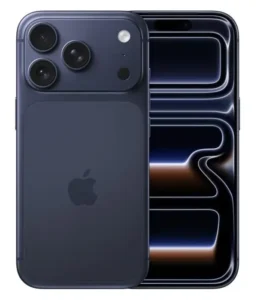
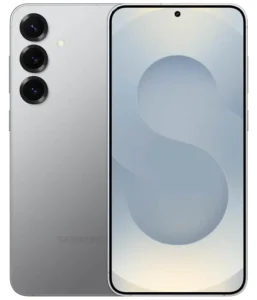
Apple and Samsung continue their rivalry with two exceptional flagships. The iPhone 17 Pro Max pushes boundaries with triple 48MP cameras and Apple’s A19 Pro chip. Samsung counters with the Galaxy S25+, featuring Snapdragon 8 Elite performance and seven years of major Android updates. Both phones target premium buyers, but they take different approaches to cameras, software, and user experience.
The iPhone 17 Pro Max stands out with its larger 6.9-inch display and comprehensive camera system. Samsung’s Galaxy S25+ responds with a lighter build and faster charging capabilities. Price points differ significantly, making this comparison crucial for anyone investing in a flagship device.
Camera Comparison
The camera systems reveal the most dramatic differences between these flagships. Apple equips the iPhone 17 Pro Max with three 48MP sensors covering wide, telephoto, and ultrawide shooting. This uniform sensor approach delivers consistent image quality across all focal lengths. The periscope telephoto provides 4x optical zoom with advanced sensor-shift stabilization.
Samsung takes a different route with the Galaxy S25+. The main 50MP sensor captures excellent photos, backed by a 10MP telephoto with 3x optical zoom and a 12MP ultrawide camera. This configuration prioritizes the main sensor while keeping secondary cameras capable. The differences become clear when zooming beyond 3x magnification.
Video capabilities heavily favor the iPhone 17 Pro Max. Recording options include:
- Up to 4K at 120fps: Smooth slow-motion capture in ultra-high resolution
- ProRes and ProRes RAW support: Professional editing flexibility at up to 120fps
- Apple Log 2: Advanced color grading for filmmakers
- 3D spatial video and audio: Immersive content for Vision Pro users
- Dolby Vision HDR: Cinema-grade dynamic range at high frame rates
The Galaxy S25+ offers 8K recording at 30fps and solid 4K performance. It handles HDR10+ and includes gyro stabilization. The iPhone’s video tools appeal to serious content creators, while Samsung’s setup satisfies most casual shooters.
Front cameras show Apple’s advantage clearly. The 18MP ultrawide selfie camera with phase detection autofocus outperforms Samsung’s standard 12MP sensor. Both phones shoot 4K selfie videos, though Apple extends to 60fps while Samsung caps at 60fps as well.
Performance & Real-World Usage
Processing power drives every phone interaction. The A19 Pro chip inside the iPhone 17 Pro Max continues Apple’s silicon dominance. Built on 3nm technology, this hexa-core processor pairs with a 6-core GPU. The chip handles demanding tasks like multi-stream 4K editing and complex AR applications without breaking stride.
Samsung’s Snapdragon 8 Elite fights back with impressive specifications. The octa-core design features two performance cores running at 4.47 GHz. The Adreno 830 GPU clocked at 1200 MHz delivers smooth gaming and graphics rendering. Real-world performance remains excellent for Android tasks and mobile gaming.
Memory configurations differ slightly between the phones. Both start with 12GB RAM, which handles multitasking smoothly. The iPhone 17 Pro Max offers storage up to 2TB with fast NVMe speeds. Samsung tops out at 512GB but uses UFS 4.0 storage, which provides quick app loading and file transfers.
Thermal management affects sustained performance. The iPhone’s aluminum alloy body dissipates heat efficiently during extended gaming sessions. Samsung’s Armor Aluminum 2 frame handles heat well. Neither phone throttles significantly under normal use.
App ecosystems matter for daily usage. iOS 26 brings refined animations and tight hardware integration. Android 15 with One UI 8 offers customization and flexibility. The choice depends on existing ecosystem investments and personal preference.
Battery & Charging
Battery capacity tells an interesting story. The iPhone 17 Pro Max packs between 4823mAh and 5088mAh depending on the model variant. Samsung’s Galaxy S25+ settles at 4900mAh. Both capacities support all-day usage under typical conditions.
Charging speeds diverge significantly. Samsung’s 45W wired charging reaches 65% in just 30 minutes. The iPhone 17 Pro Max uses PD3.2 technology, hitting 50% in 20 minutes with the right adapter. Apple’s approach prioritizes battery health over raw speed.
Wireless charging capabilities favor Apple’s ecosystem. The iPhone supports:
- 25W MagSafe charging: Fast wireless charging with magnetic alignment
- Qi2 wireless at 25W: Universal fast wireless charging standard
- 50% charge in 30 minutes: Convenient wireless top-ups
- Reverse wired charging at 4.5W: Power other devices when needed
Samsung offers 15W wireless charging with Qi2 readiness. The slower wireless speeds mean overnight charging works best. Reverse wireless charging at 4.5W matches Apple’s capability.
Battery optimization differs between operating systems. iOS 26 includes advanced power management that learns usage patterns. Android 15’s adaptive battery features work similarly. Screen-on time varies by usage, but both phones comfortably last through busy days.
Display & Build Quality
Screen technology showcases each manufacturer’s expertise. The iPhone 17 Pro Max features a 6.9-inch LTPO Super Retina XDR OLED panel. Peak brightness hits an impressive 3000 nits, making outdoor visibility exceptional. The 120Hz adaptive refresh rate smooths scrolling and animations.
Samsung’s 6.7-inch Dynamic LTPO AMOLED 2X display counters with higher pixel density. The 1440 x 3120 resolution delivers approximately 513 ppi compared to the iPhone’s 460 ppi. Peak brightness reaches 2600 nits, slightly behind Apple but still excellent. The 120Hz refresh rate matches the iPhone’s fluidity.
Screen-to-body ratios favor Samsung at 91.8% versus Apple’s 90.7%. The difference appears minimal in daily use. Both displays support HDR content beautifully. The iPhone adds Dolby Vision support, while Samsung focuses on HDR10+.
Build quality separates flagship phones from budget options. Apple uses Ceramic Shield 2 on the front glass with improved scratch resistance at Mohs level 5. The aluminum alloy frame and back create a premium feel. Total weight reaches 233 grams, making this a substantial device.
Samsung constructs the Galaxy S25+ with Gorilla Glass Victus 2 front and back. The Armor Aluminum 2 frame adds durability. At 190 grams, this phone feels noticeably lighter. The 7.3mm thickness undercuts the iPhone’s 8.8mm profile.
Water resistance meets IP68 standards on both devices. The iPhone withstands submersion up to 6 meters for 30 minutes. Samsung rates its phone for 1.5 meters. Both exceed typical accident scenarios.
Software, Updates & AI Features
Software ecosystems define the user experience. The iPhone 17 Pro Max ships with iOS 26, currently upgradable to iOS 26.2. Apple typically supports devices for five to six years with major updates. The tight integration between hardware and software creates smooth performance.
Samsung makes a strong commitment with seven major Android upgrades. The Galaxy S25+ starts on Android 15 with One UI 8. This update promise extends device lifespan significantly. Users can expect security patches and feature updates well into the future.
AI capabilities differ in implementation. Apple integrates intelligence features throughout iOS. Face ID uses advanced sensors for secure authentication. The system learns user habits to optimize battery life and app predictions. Siri handles voice commands with improved contextual understanding.
Samsung’s approach emphasizes customization and flexibility. Galaxy AI features include photo editing tools, translation services, and smart suggestions. The under-display fingerprint sensor provides quick unlocking. Samsung DeX turns the phone into a desktop computing experience when connected to a monitor.
Connectivity features showcase modern requirements. The iPhone 17 Pro Max includes:
- Wi-Fi 7 tri-band: Fastest wireless networking available
- Bluetooth 6.0: Latest wireless audio and device connectivity
- Ultra Wideband gen2: Precise spatial awareness for accessories
- Satellite messaging: Emergency communication without cell service
Samsung matches with Wi-Fi 7 and includes Bluetooth 5.4. Ultra Wideband support enables similar tracking features. Both phones handle 5G networks across all major bands.
Price & Value for Money
Pricing remains a crucial decision factor. The iPhone 17 Pro Max commands premium pricing reflecting Apple’s positioning. Base storage starts at 256GB with options extending to 2TB. The initial cost represents a significant investment.
Samsung typically prices the Galaxy S25+ more competitively. The 256GB model costs less than the equivalent iPhone. Storage tops out at 512GB, which suits most users. The price difference can fund accessories or save for future upgrades.
Value calculations extend beyond purchase price. The iPhone offers:
- Strong resale value: iPhones retain worth better than most competitors
- Ecosystem integration: Seamless connection with other Apple devices
- Long-term software support: Years of updates maintain device relevance
- Premium camera system: Professional-grade video tools included
The Galaxy S25+ provides different value propositions. Seven years of updates ensure longevity. Faster charging saves daily time. The lighter build improves comfort during extended use. More competitive pricing leaves budget for other purchases.
Trade-in programs affect total cost. Both manufacturers offer credit for old devices. Carrier deals frequently reduce upfront costs significantly. Shopping around reveals substantial savings opportunities.
Which One Should You Buy?
The right choice depends on priorities and existing investments. The iPhone 17 Pro Max suits buyers who value camera versatility and video production capabilities. Content creators benefit from ProRes recording and advanced stabilization. Anyone already using Apple products gains seamless ecosystem integration.
The Galaxy S25+ appeals to Android users seeking flagship performance at better value. The lighter weight and slimmer profile improve daily handling. Faster wired charging matters for people who need quick top-ups. Seven years of updates rival Apple’s support commitment.
Camera priorities help narrow the decision. Professional videographers should choose the iPhone 17 Pro Max. The triple 48MP setup and advanced video features justify the premium. Casual photographers find Samsung’s camera system perfectly adequate for social media and memories.
Budget considerations matter significantly. The Galaxy S25+ delivers flagship experiences at a lower entry point. The iPhone commands premium pricing but maintains resale value. Calculate total cost over expected ownership period rather than just purchase price.
Ecosystem lock-in influences switching difficulty. iPhone users already invested in Apple services face friction moving to Android. Samsung users with Galaxy devices and Android apps find the S25+ a natural upgrade. Cross-platform switches require planning and potential subscription changes.
Both phones excel at core smartphone functions. Daily tasks like browsing, messaging, and streaming perform flawlessly on either device. The choice often comes down to personal preference regarding software interfaces and design language.
Frequently Asked Questions
Which phone has better camera quality between iPhone 17 Pro Max and Samsung Galaxy S25+?
The iPhone 17 Pro Max offers superior camera versatility with three 48MP sensors covering wide, telephoto, and ultrawide focal lengths. The 4x optical zoom periscope telephoto and advanced video features like ProRes recording at 120fps make it ideal for serious photographers and videographers. Samsung’s Galaxy S25+ performs excellently for everyday photography with its 50MP main sensor and 3x optical zoom, but lacks the same professional video capabilities and consistent quality across all lenses.
How do battery life and charging speeds compare between these flagships?
Battery capacity sits similar around 4900-5000mAh for both phones, providing full-day usage. Samsung wins the charging speed battle with 45W wired charging reaching 65% in 30 minutes, while the iPhone charges to 50% in 20 minutes. Apple dominates wireless charging with 25W MagSafe and Qi2 support hitting 50% in 30 minutes, compared to Samsung’s 15W wireless charging that works better for overnight charging.
Which phone offers better long-term value and software updates?
Samsung guarantees seven major Android upgrades for the Galaxy S25+, providing software support well into the future. Apple typically supports iPhones for five to six years with iOS updates. The iPhone 17 Pro Max maintains stronger resale value over time, while the Galaxy S25+ costs less initially. Total ownership cost depends on how long you keep the device and whether you sell or trade it in later.
Is the display better on iPhone 17 Pro Max or Samsung Galaxy S25+?
Both displays excel with 120Hz LTPO technology and excellent brightness. The iPhone 17 Pro Max features a larger 6.9-inch screen with exceptional 3000 nits peak brightness and Dolby Vision support. Samsung’s 6.7-inch display offers higher pixel density at 513 ppi versus 460 ppi and reaches 2600 nits peak brightness. The iPhone provides better outdoor visibility, while Samsung delivers sharper text and images due to higher resolution.
Which phone should creative professionals and content creators choose?
Creative professionals benefit most from the iPhone 17 Pro Max due to its advanced video recording capabilities. ProRes and ProRes RAW support at up to 120fps, Apple Log 2 color grading, and 3D spatial video recording provide professional tools unavailable on the Galaxy S25+. The consistent 48MP camera system across all lenses ensures uniform quality. Samsung’s 8K video recording appeals to some creators, but the iPhone’s ecosystem integration with Final Cut Pro and professional workflows makes it the better choice for serious content production.