

Head-to-Head Camera Analysis
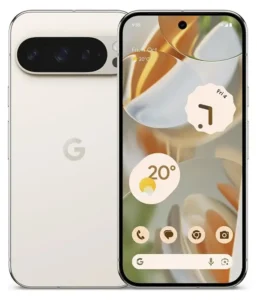
The camera setups reveal fundamentally different philosophies. Apple’s iPhone Air relies on a single 48MP wide sensor with sensor-shift OIS, while the Pixel 9 Pro deploys a triple-camera array: 50MP wide, 48MP periscope telephoto with 5x optical zoom, and 48MP ultrawide. On paper, Google’s versatility advantage is undeniable.
In real-world shooting, the iPhone Air produces consistently clean images with excellent dynamic range, though the lack of a dedicated telephoto forces digital cropping that softens detail beyond 2x. The Pixel 9 Pro’s periscope lens captures sharp zoomed shots up to 10x, and the ultrawide handles group photos and landscapes with minimal edge distortion. However, Google’s processing can push saturation aggressively, especially in HDR+ mode, where skies occasionally look punchy rather than natural.
Night photography shows a clear split. The iPhone Air’s larger 1.0µm pixels and sensor-shift stabilization deliver cleaner low-light shots with less noise, though computational Night mode takes 2-3 seconds to process. The Pixel 9 Pro’s Night Sight is faster and brighter, but fine texture can get smoothed out in shadows. Features like Pixel’s Best Take and Magic Eraser add practical editing tools the iPhone lacks, while Apple’s Dolby Vision HDR video recording maintains superior highlight roll-off.
Front camera quality tilts toward the Pixel 9 Pro’s 42MP ultrawide sensor, which fits more people into frame and handles group selfies better than the iPhone’s 18MP shooter. Both support 4K60 selfie video, though Apple’s Face ID depth sensor enables more natural portrait mode bokeh.
Performance & Real-World Usage
The A19 Pro chipset in the iPhone Air delivers benchmark-topping performance, with its 3nm process offering better sustained speeds during intensive tasks. Gaming at max settings shows smoother frame pacing, and thermal management keeps the ultra-thin body from getting uncomfortably warm even during 30-minute sessions. The hexa-core CPU configuration prioritizes efficiency, translating to snappier app launches and seamless multitasking despite the 12GB RAM limit.
Google’s Tensor G4 focuses less on raw power and more on on-device AI processing. The octa-core setup handles everyday tasks smoothly, but demanding games like Genshin Impact show occasional frame drops at high settings. The 16GB RAM configuration helps with heavy multitasking, keeping more apps suspended in memory, though the Mali-G715 GPU falls behind Apple’s custom graphics in sustained performance. Where Tensor G4 shines is AI-driven features: real-time call screening, live translate, and photo processing happen without cloud dependency.
Storage technology differs noticeably. The iPhone Air’s NVMe storage delivers faster sequential read/write speeds, making large file transfers and 4K video exports quicker. The Pixel 9 Pro’s UFS 3.1 is competent but measurably slower when moving gigabytes of data. Both lack expandable storage, making the base 256GB iPhone and 128GB Pixel choices worth considering carefully.
Battery Life & Charging Experience
Battery capacity tells an immediate story: 3149mAh in the iPhone Air versus 4700mAh in the Pixel 9 Pro. Despite Apple’s efficiency claims, the smaller cell struggles under heavy use. Mixed usage yields about 5-6 hours of screen-on time, requiring a midday top-up for power users. The Pixel 9 Pro comfortably pushes 7-8 hours, often lasting a full day with room to spare.
Charging speeds show Apple’s typical restraint. The iPhone Air hits 50% in 30 minutes with both wired and MagSafe wireless charging, but the lack of a fast charger in the box and relatively slow 20W wired speeds feel dated. The Pixel 9 Pro’s 27W wired charging reaches 55% in 30 minutes, while the 21W Pixel Stand offers faster wireless refills than most Qi chargers. Google’s bypass charging feature also reduces heat and battery wear during extended gaming sessions.
The iPhone’s reverse wired charging at 4.5W is practically useless compared to the Pixel’s reverse wireless capability, which can meaningfully charge earbuds or another phone in a pinch. Neither phone will impress users coming from devices with 65W+ charging, but the Pixel’s combination of larger capacity and faster speeds makes it the more practical daily driver.
Display, Design & Build Feel
The iPhone Air’s 5.6mm profile makes it the thinnest flagship smartphone available, and the titanium frame feels remarkably rigid despite the reduced thickness. At 165g, it’s notably lighter than the 199g Pixel 9 Pro, making one-handed use less fatiguing during long reading sessions. The trade-off is durability: the ultra-slim body can flex slightly under pressure, and the exposed camera bump rises 2mm from the back.
Google’s design is more conventional but arguably more practical. The 8.5mm thickness provides better grip, and the aluminum frame with dual Gorilla Glass Victus 2 panels feels more drop-resistant. The Pixel’s camera bar is polarizing aesthetically but prevents the phone from rocking on flat surfaces. Both achieve IP68 ratings, though Apple’s 6m depth rating versus Google’s 1.5m suggests better sealing in the thinner chassis.
Display quality is exceptionally close. The iPhone Air’s 6.5-inch LTPO Super Retina XDR panel delivers 460 ppi with Ceramic Shield 2 protection rated at Mohs level 5 hardness, while the Pixel 9 Pro’s 6.3-inch LTPO OLED hits 495 ppi but uses Victus 2 glass at Mohs level 4. Both peak at 3000 nits outdoors and support 120Hz adaptive refresh. In practice, the iPhone’s Dolby Vision certification and anti-reflective coating improve outdoor visibility slightly, while the Pixel’s slightly higher pixel density is imperceptible to most users.
Color accuracy leans toward the iPhone for content creators who need DCI-P3 precision, while the Pixel’s HDR10+ support (versus Apple’s HDR10 and Dolby Vision) means better compatibility with certain streaming content. Screen-to-body ratios favor the iPhone at 89.9% versus 87.6%, thanks to thinner bezels and the Dynamic Island cutout versus the Pixel’s centered hole-punch.
Software, Updates & AI Features
iOS 26 and Android 14 represent mature ecosystems with distinct trade-offs. Apple’s approach prioritizes privacy and ecosystem lock-in, with features like Messages via satellite and advanced Find My integration that require other Apple devices to maximize value. Face ID remains faster and more secure than most fingerprint readers, but the lack of an always-on display fingerprint option frustrates users who want unlocking flexibility.
The Pixel 9 Pro’s Android 14 build includes Google’s promise of seven major OS upgrades, matching Apple’s long-term support while offering more customization freedom. The ultrasonic fingerprint sensor is quick and works with wet fingers, though it’s positioned slightly lower than ideal. AI features like Call Screen, real-time translation, and AI-generated wallpapers feel genuinely useful rather than gimmicky, though they require sharing more data with Google’s servers.
Apple’s App Store curation means fewer malware risks but slower adoption of new features. Android’s sideloading capability and default app selection give power users more control, while iOS users benefit from better app optimization and earlier access to major third-party releases. iMessage versus RCS with Google Messages remains a messaging divide, with the iPhone supporting satellite texting that the Pixel can’t match.
The Pixel’s Tensor G4 chip enables on-device processing for photo editing, voice typing, and spam call detection without constant cloud calls, while the iPhone Air’s A19 Pro handles most AI tasks through cloud processing. Privacy-conscious users may prefer Apple’s approach, while those prioritizing feature richness will lean toward Google’s implementation.
Price & Value Proposition
Pricing strategies differ significantly. The iPhone Air starts at a premium tier with 256GB base storage and 12GB RAM, positioning it as a luxury ultra-thin device. The Pixel 9 Pro undercuts with a 128GB entry option but offers 16GB RAM across all variants and more storage flexibility with a 1TB top tier matching the iPhone’s maximum.
Component quality justifies some of Apple’s premium: grade 5 titanium, NVMe storage, and Ceramic Shield 2 cost more to manufacture than the Pixel’s aluminum and glass sandwich. However, the Pixel includes more camera hardware, a larger battery, and faster charging without requiring proprietary accessories. The lack of a charging brick with either phone means additional cost, though MagSafe chargers command higher prices than generic USB-C PD adapters.
Long-term value depends on usage patterns. The iPhone Air holds resale value better, typically retaining 60-65% of original price after two years versus the Pixel’s 45-50%. Apple’s ecosystem integration adds value if you own AirPods, Apple Watch, or a Mac, while the Pixel’s broader compatibility with third-party accessories reduces lock-in costs. Seven years of Android updates versus Apple’s typical 5-6 years of iOS support makes the Pixel a better long-term software investment.
Final Verdict: Which One Should You Buy?
The iPhone Air wins on form factor, performance consistency, and ecosystem integration. Choose it if you prioritize the thinnest possible flagship, shoot primarily with the main camera, value iOS privacy protections, and already own Apple devices. The device excels as a lightweight daily driver for users who don’t need telephoto versatility and can manage the smaller battery.
The Pixel 9 Pro makes more sense for photography enthusiasts, battery-conscious users, and those who want AI features without ecosystem lock-in. The camera system’s flexibility, superior battery life, and seven-year update promise deliver better practical value. Android’s customization and sideloading capabilities appeal to power users willing to sacrifice some premium materials for functionality.
Neither phone is perfect. The iPhone Air’s battery compromises are real, and the single-camera limitation feels restrictive in 2026. The Pixel 9 Pro’s performance lags behind Apple’s silicon, and Google’s aggressive processing won’t suit everyone’s taste. The decision ultimately depends on whether you value Apple’s refinement and thinness or Google’s versatility and longevity.
iPhone Air vs Google Pixel 9 Pro Frequently Asked Questions
Which phone has better camera quality overall?
The Pixel 9 Pro offers more versatility with its triple-camera setup, particularly for zoom shots and ultrawide photography. The iPhone Air produces cleaner low-light images and more natural video, but lacks optical zoom. For varied shooting scenarios, the Pixel wins; for consistent quality from a single lens, the iPhone performs better.
How does battery life compare during heavy daily use?
The Pixel 9 Pro’s 4700mAh battery significantly outlasts the iPhone Air’s 3149mAh cell. Expect 7-8 hours of screen time from the Pixel versus 5-6 hours from the iPhone under mixed use. Power users will need to charge the iPhone Air mid-day, while the Pixel typically lasts until bedtime.
Is the iPhone Air’s thinness worth the trade-offs?
The 5.6mm profile and 165g weight make the iPhone Air exceptionally comfortable for extended one-handed use, but the smaller battery and potential flex under pressure are real compromises. If you prioritize portability and lightness over battery capacity, the thinness delivers meaningful daily benefits.
Which phone performs better for gaming?
The iPhone Air’s A19 Pro chip delivers higher frame rates, better sustained performance, and superior thermal management during intensive gaming sessions. The Pixel 9 Pro handles most games well but shows occasional frame drops at maximum settings and doesn’t match Apple’s GPU performance.
How do software update commitments compare?
Google promises seven major Android upgrades for the Pixel 9 Pro, covering updates through approximately 2031. Apple typically supports iPhones for 5-6 years with iOS updates. The Pixel’s longer commitment makes it a better choice for users planning to keep their device beyond five years.
Which phone offers better value for the price?
The Pixel 9 Pro includes more camera hardware, larger battery, and longer update support at a lower entry price, making it the better value proposition for most users. The iPhone Air commands a premium for its titanium build and ultra-thin design, which appeals to users who prioritize form factor and ecosystem integration over spec-sheet value.
Can either phone truly last a full day on a single charge?
The Pixel 9 Pro consistently lasts a full day with moderate to heavy use. The iPhone Air requires more conservative usage or mid-day charging to reach bedtime. Light users may get full-day battery from both, but the Pixel provides significantly more safety margin.
How does Face ID compare to the Pixel’s fingerprint sensor?
Face ID on the iPhone Air is faster and works reliably in most lighting conditions, though it fails with masks or face coverings. The Pixel 9 Pro’s ultrasonic fingerprint sensor offers more flexibility, works with wet fingers, and doesn’t require direct line of sight, but it’s positioned slightly lower than ideal for some users.