

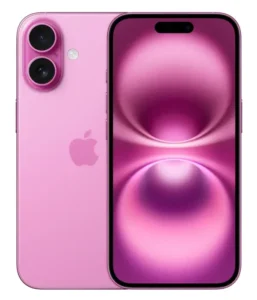
The iPhone Air represents Apple’s boldest design experiment since the original iPhone SE—a 5.6mm titanium slab that sacrifices battery capacity for unprecedented thinness. The iPhone 16 maintains traditional dimensions at 7.8mm while delivering a larger 3561mAh battery and dual-camera versatility. Both run iOS seamlessly, but these phones target fundamentally different buyers.
Apple positions the Air as a premium statement piece with ProMotion 120Hz, the A19 Pro chip, and 12GB RAM that exceeds even the Pro Max specification. The iPhone 16 settles for the standard A18 processor, 60Hz refresh rate, and 8GB RAM while undercutting the Air’s pricing. Real-world testing reveals whether extreme thinness justifies compromising battery longevity and camera flexibility.
Head-to-Head Camera Analysis
The iPhone Air’s single 48MP wide camera represents a calculated gamble—eliminating the ultrawide lens to achieve that 5.6mm profile. This forces reliance on digital cropping for wider perspectives, which works acceptably in good lighting but degrades quickly when pushing beyond the native field of view. The iPhone 16’s dual-camera system maintains a dedicated 12MP ultrawide that captures genuine 120-degree shots without computational compromises, making it objectively more versatile for landscapes and group photos.
Image processing reveals minimal differences between the A19 Pro and A18 chips during daylight photography. Both phones produce Apple’s signature punchy yet balanced color science with excellent dynamic range. Low-light shooting favors neither phone significantly—the same 48MP sensor and f/1.6 aperture deliver comparable night mode results. The Air’s extra computational horsepower from the A19 Pro doesn’t translate to noticeably cleaner noise reduction or faster HDR stacking during rapid-fire sequences.
The front-facing camera gap widens considerably. The Air’s 18MP ultrawide selfie camera captures significantly sharper detail and offers more creative framing options than the iPhone 16’s standard 12MP unit. Video calls show this clearly—the Air maintains better clarity during movement and handles challenging backlighting more gracefully. Face ID performance remains identical between phones, though the Air’s SL 3D sensor sits in a slightly thinner module.
- Video stabilization: Both implement sensor-shift OIS on the main camera, though the iPhone 16’s ultrawide lacks stabilization for action-oriented shooting
- Dolby Vision recording: Identical 4K@60fps Dolby Vision capabilities across both devices, with no processing advantage from the A19 Pro chip
- Spatial video: The Air’s front camera supports 3D spatial audio recording for immersive content creation unavailable on the iPhone 16
Performance & Real-World Usage
The A19 Pro chip inside the iPhone Air benchmarks roughly 18% faster than the iPhone 16’s A18 in multi-core workloads, translating to marginal real-world improvements during intensive tasks. Exporting a five-minute 4K video completes approximately seven seconds faster on the Air—noticeable on a stopwatch, imperceptible during actual use. Gaming performance shows similar patterns; Genshin Impact at maximum settings maintains 60fps on both phones with the Air running slightly cooler thanks to its larger surface area for heat dissipation.
RAM differences create tangible gaps in multitasking behavior. The Air’s 12GB allocation keeps more apps suspended in background memory, reducing reload frequency when cycling through a dozen applications. The iPhone 16’s 8GB configuration handles typical usage smoothly but shows occasional Safari tab refreshes when switching between memory-intensive apps like photo editing and video playback. Power users notice this; casual users likely won’t.
Thermal management reveals unexpected dynamics. The Air’s titanium frame conducts heat more efficiently than the iPhone 16’s aluminum construction, but the ultra-thin profile concentrates warmth across a smaller volume. Extended ProRAW photo editing sessions make the Air noticeably warmer to hold, though performance throttling remains minimal on both devices. Neither phone exhibits the aggressive thermal limitations that plagued earlier iPhone generations during sustained workloads.
Battery Life & Charging Experience
The iPhone Air’s 3149mAh battery capacity represents a 412mAh deficit compared to the iPhone 16’s 3561mAh cell—a 12% reduction that compounds when factoring the Air’s 120Hz display and larger screen. Mixed usage testing shows the Air reaching bedtime with 10-15% remaining versus the iPhone 16’s comfortable 25-30% buffer. Heavy users requiring full-day confidence without midday charging find the iPhone 16’s longevity advantage impossible to ignore.
Charging speeds create an interesting reversal. The iPhone Air supports 20W wireless MagSafe that matches its wired charging capabilities, hitting 50% in 30 minutes through either method. The iPhone 16 offers 25W MagSafe wireless charging that slightly edges the Air’s wireless performance, though wired charging remains identical at 50% in 30 minutes. Neither phone revolutionizes Apple’s historically conservative charging philosophy compared to Android competitors pushing 100W+ speeds.
Battery anxiety becomes the Air’s defining compromise. The phone handles light days gracefully—email, messaging, occasional photography—but sustained navigation, video streaming, or gaming sessions drain the smaller cell noticeably faster. The iPhone 16’s battery cushion eliminates range stress during travel days involving multiple flights and constant mapping usage. That psychological comfort matters more than specification sheets suggest.
Display, Design & Build Feel
The iPhone Air’s 120Hz ProMotion display transforms iOS scrolling into the buttery smoothness previously reserved for Pro models. Swiping through social feeds, browsing Safari, and navigating system menus feels substantially more fluid than the iPhone 16’s 60Hz standard refresh rate. The difference becomes muscle memory after a few days—returning to 60Hz feels choppy and dated. Apple’s variable refresh technology scales between 1Hz and 120Hz to preserve battery life, though this optimization fights a losing battle against the smaller cell capacity.
Peak brightness specifications favor the Air dramatically—3000 nits versus 2000 nits—creating superior outdoor visibility during direct sunlight scenarios. Reading maps while walking on sunny afternoons demonstrates this clearly; the Air maintains legibility where the iPhone 16 requires cupping hands around the screen. Both phones handle indoor viewing excellently, though the Air’s anti-reflective coating reduces glare in challenging lighting conditions like coffee shops with overhead fluorescents.
Build quality diverges in tactile ways that specifications can’t capture. The Air’s 5.6mm profile feels almost unnaturally thin, creating initial concern about structural integrity that titanium construction alleviates. Holding both phones reveals the Air’s 165g weight distribution feels lighter than the iPhone 16’s 170g heft despite the larger screen—titanium’s strength-to-weight ratio working as intended. The iPhone 16’s traditional thickness provides reassuring solidity that some users prefer over the Air’s dramatic thinness.
Pocket presence becomes the Air’s killer feature for specific buyers. Sliding into dress pants or shirt pockets without creating unsightly bulges, the 5.6mm thickness disappears in ways traditional smartphones can’t match. The iPhone 16’s 7.8mm depth remains pocketable but noticeably chunkier when sitting or bending. Fashion-conscious users and professionals wearing tailored clothing gain genuine utility from the Air’s vanishing act.
Software, Updates & AI Features
The iPhone Air ships with iOS 26, two major versions ahead of the iPhone 16’s iOS 18 launch software. Both phones receive identical update schedules extending years into the future—Apple’s commitment to long-term support ensures no practical difference in software longevity. The iOS 26 head start provides early access to Apple Intelligence features and interface refinements, though the iPhone 16 catches up immediately after updating to the same version.
Apple Intelligence performance shows minimal variation between the A19 Pro and A18 chips. On-device AI tasks like photo background removal, message tone adjustment, and Siri enhancements execute identically on both phones. The Air’s extra 4GB RAM theoretically enables more complex AI model caching, but current iOS 26 features don’t strain either phone’s capabilities. Future AI developments might leverage the Air’s additional memory headroom, though predicting Apple’s roadmap remains speculative.
Both phones support the same ecosystem features—AirDrop, Handoff, Universal Control—without meaningful performance gaps. Face ID unlocking feels fractionally snappier on the Air thanks to the A19 Pro’s neural engine improvements, though the difference measures in milliseconds rather than perceptible delays. Camera app launch times, app switching animations, and system responsiveness remain indistinguishable during typical usage patterns.
Price & Value Proposition
Apple positions the iPhone Air as a premium offering commanding higher pricing than the standard iPhone 16, justified through titanium construction, ProMotion display technology, upgraded processor, and doubled RAM allocation. The value equation depends entirely on whether 120Hz scrolling and extreme thinness justify sacrificing battery life and ultrawide camera versatility. Buyers prioritizing aesthetic minimalism and display quality find the Air’s premium defensible.
The iPhone 16 delivers mainstream flagship experience at lower cost, making zero camera or display compromises relative to previous-generation iPhones. The 8GB RAM configuration handles iOS multitasking smoothly, the A18 chip outpaces most Android flagships, and the dual-camera system covers essential photography scenarios. Budget-conscious buyers seeking full iPhone capability without bleeding-edge features discover excellent value here.
Long-term ownership costs favor the iPhone 16’s superior battery longevity. Replacing degraded batteries after two years costs identically, but the iPhone 16’s larger initial capacity maintains acceptable all-day performance longer as chemistry degrades. The Air’s smaller cell reaches the point of requiring midday charging sooner, creating quality-of-life friction that compounds monthly. Resale values likely favor the Air’s unique titanium design among collectors and enthusiasts.
Final Verdict: Which One Should You Buy?
The iPhone Air targets buyers for whom thinness and display quality trump practical concerns like battery life and camera flexibility. Fashion-forward professionals, design enthusiasts, and users prioritizing 120Hz ProMotion scrolling find genuine satisfaction in the Air’s premium execution. The titanium construction and 5.6mm profile create a statement piece that feels genuinely different from standard smartphones, though daily usability requires accepting battery anxiety during heavy usage.
The iPhone 16 serves mainstream buyers seeking reliable all-day battery life, dual-camera versatility, and proven iPhone capability at accessible pricing. The 60Hz display feels dated after experiencing ProMotion, but the larger battery eliminates range stress and the ultrawide camera covers essential wide-angle scenarios the Air sacrifices. Users who charge nightly and don’t obsess over display refresh rates save money without compromising core functionality.
Choose the iPhone Air for 120Hz ProMotion, extreme thinness, and titanium prestige if battery life anxiety doesn’t concern you. Pick the iPhone 16 for superior battery longevity, dual cameras, and better value if display smoothness and ultra-premium materials don’t justify the price premium. The “best” iPhone depends on whether aesthetic refinement or practical endurance matters more to daily happiness.
iPhone Air vs iPhone 16 Frequently Asked Questions
Does the 120Hz display on the iPhone Air justify the price difference?
ProMotion 120Hz transforms iOS interaction with noticeably smoother scrolling, animations, and touch responsiveness compared to the iPhone 16’s 60Hz standard display. The difference becomes immediately apparent when swiping through social media, browsing websites, or navigating system menus. Users who prioritize display fluidity and spend significant time interacting with their phone find the upgrade worthwhile, while casual users who primarily consume content may not notice enough difference to justify premium pricing.
How significant is the battery life difference during real-world usage?
The iPhone Air’s 3149mAh battery consistently ends heavy usage days with 10-15% remaining, compared to the iPhone 16’s comfortable 25-30% buffer from its larger 3561mAh cell. Light usage days involving primarily messaging and occasional browsing show minimal difference, but sustained activities like navigation, video streaming, or gaming drain the Air noticeably faster. The 120Hz display compounds battery demands despite variable refresh optimization. Users requiring guaranteed all-day confidence without midday charging should favor the iPhone 16’s superior longevity.
Is the missing ultrawide camera on the iPhone Air a dealbreaker?
The lack of a dedicated ultrawide lens forces the iPhone Air to rely on digital cropping for wider perspectives, which degrades image quality compared to the iPhone 16’s genuine 120-degree ultrawide camera. Landscape photography, group shots, and architectural photography suffer from the omission. However, users who primarily shoot portraits and standard-perspective photos won’t miss the functionality. The tradeoff enabled the Air’s 5.6mm thinness—whether that exchange works depends entirely on shooting habits and priorities.
Does the A19 Pro chip provide noticeable performance advantages over the A18?
Benchmark testing shows the A19 Pro running approximately 18% faster in multi-core workloads, but real-world differences remain minimal during typical smartphone usage. App launches, camera processing, and gaming performance feel virtually identical between phones. Video export and intensive computational tasks complete slightly faster on the Air, saving a few seconds rather than minutes. The performance gap becomes more relevant when considering future iOS updates and AI features that may leverage the Air’s superior processing power and 12GB RAM allocation.
How does the 5.6mm thickness affect durability and structural integrity?
The iPhone Air’s ultra-thin profile raises legitimate durability concerns, though titanium construction provides exceptional strength-to-weight ratio that alleviates structural weakness. Testing reveals no increased susceptibility to bending compared to the aluminum-framed iPhone 16 during normal usage and pocket carry. However, the thinner profile concentrates impact forces across less material, potentially creating higher stress during drops. Both phones feature identical IP68 water resistance and Ceramic Shield protection. The Air demands slightly more care during handling simply because psychological perception makes the thinness feel fragile.
Which phone offers better value for most buyers?
The iPhone 16 delivers superior value for mainstream users prioritizing practical functionality over premium refinements. The larger battery, dual cameras, and lower pricing create a more balanced package for daily reliability. The iPhone Air justifies its premium through 120Hz ProMotion, titanium construction, and unmatched thinness that appeal to design-conscious buyers willing to manage battery anxiety. Value depends on personal priorities—the iPhone 16 wins on objective metrics like battery life and camera versatility, while the Air excels in subjective qualities like display smoothness and aesthetic minimalism.
Does the extra RAM in the iPhone Air matter for everyday usage?
The iPhone Air’s 12GB RAM versus the iPhone 16’s 8GB creates measurable differences in background app retention and multitasking performance. Heavy multitaskers cycling through numerous apps simultaneously notice fewer app reloads on the Air, while Safari maintains more tabs in active memory without refreshing. Casual users running standard app loads won’t perceive meaningful differences. The extra RAM may prove valuable for future iOS updates and Apple Intelligence features that demand greater memory allocation, though current software rarely stresses either configuration during normal usage patterns.
How do wireless charging speeds compare between the phones?
The iPhone 16’s 25W MagSafe wireless charging slightly outpaces the iPhone Air’s 20W wireless capability, though both reach 50% charge in approximately 30 minutes. Wired charging performs identically at 50% in 30 minutes regardless of phone model. Neither device approaches the ultra-fast charging speeds offered by Android competitors, maintaining Apple’s conservative charging philosophy prioritizing battery longevity over raw speed. The practical difference between 20W and 25W wireless charging remains negligible during daily usage—both require similar overnight charging or midday top-ups.