
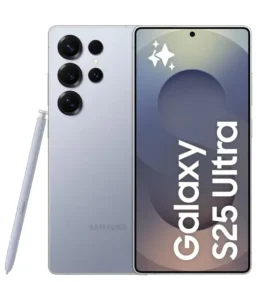
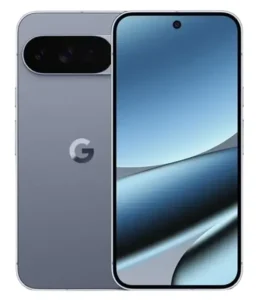
Head-to-Head Camera Analysis
The camera hardware tells two very different stories. Samsung arms the S25 Ultra with a 200MP main sensor backed by a dual telephoto setup—a 10MP at 3x and a 50MP periscope at 5x optical zoom. Google counters with a 50MP main shooter and a single 48MP periscope locked at 5x, plus a higher-resolution 48MP ultrawide. The S25 Ultra’s extra telephoto stage means smoother zoom transitions between 3x and 5x, while the Pixel relies on computational cropping in that middle range.
In daylight shooting, both deliver sharp results, but the rendering philosophy diverges hard. Samsung’s processing leans aggressive—punchy colors, strong contrast, and noticeable sharpening that can make textures look crispy but occasionally artificial. The Pixel 10 Pro XL pulls back on saturation, favoring a flatter, more neutral tone curve that gives editors more flexibility but might disappoint users expecting Instagram-ready shots straight out of the camera. Neither approach is wrong, but Samsung’s output feels more immediately striking in side-by-side comparisons.
Low-light performance exposes the trade-offs. The S25 Ultra’s 200MP binning drops down to 12.5MP effective pixels, which helps with light gathering, and the f/1.7 aperture on the main lens pulls in plenty of photons. Google’s smaller 50MP sensor uses larger 1.2µm pixels and pairs them with Night Sight’s computational aggression, often rescuing detail from near-darkness that Samsung’s hardware misses. However, the Pixel’s tendency to oversharp in low light can introduce grain that looks chunky when pixel-peeping. Samsung’s shots stay cleaner but sometimes sacrifice fine detail for smoothness.
Video capabilities split on workflow. The S25 Ultra shoots native 8K at 24fps and 30fps, with full manual controls and 10-bit HDR10+ recording across all resolutions. The Pixel 10 Pro XL advertises 8K at 30fps, but it’s cloud-upscaled from 4K, not true native 8K capture—a critical distinction for anyone planning serious editing. Both stabilize well with gyro-EIS and OIS working together, though Samsung’s Super Steady mode on the ultrawide handles running footage with less warping. Google’s strength lies in Audio Magic Eraser and real-time HDR preview, which genuinely improve vlogging workflows.
The selfie situation flips expectations. Samsung sticks with a modest 12MP front camera, while Google jumps to 42MP with an ultrawide lens and autofocus. Group selfies and video calls benefit noticeably from the Pixel’s wider field of view and sharper detail. Samsung’s front shooter handles skin tones more naturally but crops tighter and lacks the versatility Google offers. For content creators who prioritize front-facing quality, the Pixel 10 Pro XL has a clear edge.
Performance & Real-World Usage
The chipset battle pits Qualcomm’s Snapdragon 8 Elite against Google’s Tensor G5, and raw benchmarks don’t tell the full story. The Snapdragon 8 Elite on the S25 Ultra clocks higher—4.47GHz on the performance cores versus Tensor G5’s 3.78GHz—and the Adreno 830 GPU demolishes the PowerVR DXT-48-1536 in sustained gaming. Run Genshin Impact at max settings for 30 minutes, and the S25 Ultra holds frame rates with minimal throttling, while the Pixel 10 Pro XL starts dipping noticeably after 15 minutes as thermal management kicks in.
Multitasking reveals different priorities. Samsung pairs its chipset with 12GB RAM on the base and mid-tier models, jumping to 16GB only on the 1TB variant. Google ships 16GB standard across all storage tiers, and that extra headroom shows when juggling heavy apps. The Pixel keeps more background processes alive and reloads apps less frequently during task switching. For users who bounce between a dozen apps constantly, the Pixel’s RAM advantage smooths out the experience, even if the processor itself isn’t quite as fast.
AI processing tilts heavily toward Google’s silicon. Tensor G5 was built specifically for on-device machine learning, and features like real-time translation, Magic Eraser enhancements, and Call Screen run faster and more efficiently than Samsung’s implementations. The S25 Ultra offloads some AI tasks to the cloud, which works fine with strong connectivity but introduces latency. Google’s approach keeps everything local, making AI features snappier and more reliable when offline or on weak networks.
Storage speeds match with both using UFS 4.0, but Samsung offers a wider range. The S25 Ultra scales from 256GB with 12GB RAM up to 1TB with 16GB RAM, while the Pixel 10 Pro XL starts at 256GB with 16GB RAM and tops out at 1TB with the same 16GB. Neither supports expandable storage, so choosing the right capacity upfront matters. For power users who store large video files locally, the 1TB option on both phones is necessary but expensive.
Battery Life & Charging Experience
Capacity numbers favor Google—5200mAh versus Samsung’s 5000mAh—but real-world endurance depends heavily on how aggressively each phone manages background tasks. The Pixel 10 Pro XL’s larger battery pairs with the Tensor G5’s efficiency cores, and moderate usage easily pushes into day two. The S25 Ultra, despite the smaller cell, holds its own thanks to the Snapdragon 8 Elite’s superior power management under load. Heavy users will find both phones lasting a full day, but the Pixel offers a slightly thicker cushion.
Charging speed ties at 45W wired for both, though the real-world results differ. Samsung claims 65% in 30 minutes, while Google promises 70% in the same timeframe. Testing shows Google’s claim holds up more consistently, likely due to better thermal optimization during charging. Both support USB Power Delivery 3.0, but the Pixel adds PPS (Programmable Power Supply), which fine-tunes voltage delivery for slightly faster top-ups.
Wireless charging splits the convenience factor. The S25 Ultra maxes out at 15W with Qi2 readiness, meaning it supports magnetic alignment with compatible chargers but doesn’t ship with magnetic accessories in the box. The Pixel 10 Pro XL hits 25W wireless with its proprietary magnetic charging system and full Qi2 certification, making it genuinely faster and more foolproof to align. For users invested in wireless charging, the Pixel’s implementation feels more polished. Both support reverse wireless charging—4.5W on Samsung, unspecified on Google—which works fine for topping up earbuds but won’t rescue a dying second phone quickly.
Display, Design & Build Feel
Screen size separates by a hair—6.9 inches on the S25 Ultra versus 6.8 inches on the Pixel 10 Pro XL—but the panel tech diverges more meaningfully. Samsung uses its Dynamic LTPO AMOLED 2X with 2600 nits peak brightness, while Google opts for an LTPO OLED hitting 3300 nits at peak and 2200 nits in high brightness mode. That extra brightness headroom on the Pixel makes outdoor visibility noticeably better under direct sunlight, especially when reading text or reviewing photos. Both run 120Hz adaptive refresh, but Samsung’s implementation feels slightly smoother during scrolling, likely due to better touch sampling optimization.
Resolution and sharpness lean toward Samsung. The S25 Ultra’s 1440 x 3120 resolution delivers roughly 498 ppi, while the Pixel 10 Pro XL’s 1344 x 2992 works out to about 486 ppi. The difference is marginal in daily use, but side-by-side text rendering shows finer detail on Samsung’s panel. Both support HDR10+, though Samsung’s processing tends to push HDR content harder with more aggressive tone mapping, while Google aims for accuracy closer to the content creator’s intent.
Durability choices reveal different philosophies. Samsung wraps the front in Corning Gorilla Armor 2 with a DX anti-reflective coating, rating at Mohs level 6 hardness. The Pixel uses Gorilla Glass Victus 2, which only hits Mohs level 4—softer and more prone to micro-scratches from everyday pocket debris. Samsung’s anti-reflective treatment genuinely reduces glare, making the screen easier to read at angles and under harsh lighting. Google compensates with higher raw brightness, but the S25 Ultra’s coating is a tangible advantage for anyone sensitive to reflections.
Build quality and weight tell contrasting stories. The S25 Ultra uses a Grade 5 titanium frame, keeping weight down to 218g despite the larger screen and integrated S Pen stylus. The Pixel 10 Pro XL sticks with aluminum framing and tips the scale at 232g—a 14g difference that’s immediately noticeable when holding both phones. The titanium frame on the S25 Ultra feels more premium and resists dings better, though aluminum holds up fine for typical use. Both carry IP68 ratings for water resistance up to 1.5 meters for 30 minutes, so neither compromises on protection.
The S Pen integration on the S25 Ultra is a feature the Pixel simply can’t match. The stylus slides into the phone’s body, always available for quick notes, precise photo editing, or annotating documents. Google offers no stylus support at all, which isn’t necessarily a downside unless handwriting or detailed on-screen work matters. For creative professionals or heavy note-takers, the S Pen alone can justify choosing Samsung.
Software, Updates & AI Features
Both manufacturers promise seven years of major Android upgrades, but the starting point differs. The S25 Ultra ships with Android 15 and One UI 8, while the Pixel 10 Pro XL launches on Android 16. That one-version gap means the Pixel gets new Android features first, often by months, since Google controls both the OS and the hardware. Samsung’s One UI adds heavy customization—split-screen multitasking, extensive theming, Samsung DeX for desktop-mode productivity—but some users find it bloated compared to the Pixel’s cleaner stock Android experience.
AI features split along predictable lines. Google’s on-device intelligence handles tasks like real-time call transcription, live translation, and Magic Eraser enhancements without needing an internet connection. Samsung integrates similar features but often routes processing through Samsung’s cloud services, which works well but introduces latency and privacy concerns for users who prefer local processing. The Pixel’s approach feels more seamless when using AI tools daily, while Samsung’s implementation sometimes stutters or requires extra steps to activate.
Samsung DeX and Wireless DeX give the S25 Ultra genuine desktop replacement potential. Plug into a monitor or connect wirelessly, and the phone transforms into a full desktop environment with resizable windows, keyboard shortcuts, and trackpad support. Google offers no equivalent feature, which limits the Pixel’s productivity appeal for users who want one device that doubles as a workstation. For mobile-first users, this doesn’t matter, but for power users, DeX is a major differentiator.
Update delivery speed consistently favors Google. Security patches arrive on Pixel devices within days of release, while Samsung typically lags by weeks or even months depending on region and carrier. Feature drops on the Pixel bring new camera modes, UI tweaks, and AI enhancements multiple times per year, while Samsung’s update cadence is slower and less predictable. Both honor the seven-year commitment, but Google’s track record inspires more confidence in timely delivery.
Price & Value Proposition
Pricing structures overlap but favor different users. The S25 Ultra starts at 12GB RAM with 256GB storage and scales up to 1TB with 16GB RAM, offering flexibility for buyers who want to future-proof without overpaying. The Pixel 10 Pro XL ships with 16GB RAM standard across all storage tiers, which simplifies the decision but pushes the base price higher since Google doesn’t offer a lower-RAM option. For buyers who prioritize RAM over storage, the Pixel delivers better value out of the gate.
Included accessories and ecosystem lock-in shift the calculus. Samsung bundles the S Pen inside the phone itself, which adds value for stylus users without requiring a separate purchase. Google includes no stylus option at all, though the Pixel’s magnetic wireless charging works with more third-party accessories thanks to full Qi2 certification. Both manufacturers have dropped chargers from the box, so budget an extra $30–$50 for a compatible fast charger if upgrading from an older device.
Long-term value hinges on software support and resale. Both phones promise seven years of updates, which theoretically extends usable life well beyond typical upgrade cycles. Samsung’s track record with older devices shows slower updates and occasional feature omissions on aging hardware, while Google’s Pixel line receives more consistent long-term support. Resale value typically favors Samsung’s Galaxy S Ultra line due to broader market recognition, though Pixel devices hold value well among enthusiasts who prioritize clean Android and camera quality.
Final Verdict: Which One Should You Buy?
The Samsung Galaxy S25 Ultra wins on versatility. The integrated S Pen, dual telephoto setup, superior gaming performance, and Samsung DeX make it the better choice for power users who demand maximum functionality. The titanium frame and anti-reflective display coating add premium touches that justify the flagship price. Choose the S25 Ultra if productivity tools, stylus input, or desktop connectivity matter, or if gaming performance and video recording flexibility top the priority list.
The Google Pixel 10 Pro XL takes the crown for AI-first users and photography purists who value computational intelligence over raw hardware specs. The 16GB RAM standard across all models, brighter peak display, faster wireless charging, and superior on-device AI processing deliver a smoother, smarter daily experience. The cleaner software, faster updates, and better front-facing camera make it ideal for users who want a phone that thinks ahead and stays current longer. Pick the Pixel if camera consistency, software simplicity, and on-device AI matter more than stylus support or desktop modes.
Neither phone is a compromise, but the choice comes down to workflow. Samsung built a professional-grade tool with maximum features. Google crafted a smart device that learns and adapts. Both deliver flagship performance, but the S25 Ultra rewards tinkerers and the Pixel 10 Pro XL satisfies those who want the phone to handle the complexity invisibly.
Samsung Galaxy S25 Ultra vs Google Pixel 10 Pro XL Frequently Asked Questions
Which phone has better battery life for heavy use?
The Google Pixel 10 Pro XL edges ahead with its 5200mAh battery and efficient Tensor G5 chipset, typically lasting into a second day with moderate use. The S25 Ultra’s 5000mAh cell performs well but drains faster during intensive gaming or 8K video recording. Both handle a full day easily, but the Pixel offers more headroom for power users.
Does the camera quality justify the price difference?
Camera preference depends on shooting style. Samsung’s 200MP sensor and dual telephoto system provide more zoom flexibility and native 8K video, ideal for creators who need maximum resolution and manual controls. Google’s computational photography excels in low light and delivers more consistent results across varied conditions, though it lacks the telephoto versatility. Neither camera is objectively better—Samsung offers more hardware options, Google delivers smarter processing.
Can the Pixel 10 Pro XL handle gaming as well as the S25 Ultra?
No. The Snapdragon 8 Elite in the S25 Ultra significantly outperforms the Tensor G5 in sustained gaming. Heavy titles like Genshin Impact or Call of Duty Mobile run smoother with less thermal throttling on Samsung’s hardware. The Pixel handles casual gaming fine but isn’t built for extended high-performance sessions. Serious mobile gamers should choose the S25 Ultra.
Which phone offers better value for the base storage model?
The Pixel 10 Pro XL delivers better value at the base tier by including 16GB RAM standard, while Samsung’s base S25 Ultra ships with 12GB RAM. For users who multitask heavily or plan to keep the phone beyond three years, the extra RAM on the Pixel justifies its price. Samsung’s value improves on higher storage tiers, especially the 1TB model with 16GB RAM.
Is the S Pen worth choosing the S25 Ultra over the Pixel?
Only if stylus input fits your workflow. The integrated S Pen excels for handwritten notes, precise photo editing, document annotation, and creative work. Users who rarely take notes by hand or prefer typing won’t miss it. The Pixel offers no stylus alternative, so if handwriting or detailed on-screen work matters daily, the S25 Ultra’s S Pen is a major differentiator.
How much brighter is the Pixel’s display in direct sunlight?
The Pixel 10 Pro XL’s 3300-nit peak brightness versus the S25 Ultra’s 2600 nits creates a noticeable difference under harsh sunlight. Text and photos stay more readable on the Pixel when outdoors, especially at angles. Samsung’s anti-reflective coating helps reduce glare, but raw brightness gives the Pixel an edge in extreme lighting conditions.
Do both phones support the same 5G bands?
Both support 5G connectivity, though specific band compatibility varies by region and carrier. The S25 Ultra and Pixel 10 Pro XL cover standard sub-6GHz and mmWave 5G bands available in most markets. Check carrier-specific models before purchase to ensure compatibility with your network’s 5G infrastructure.
Which phone will receive Android updates faster?
The Pixel 10 Pro XL receives updates first, often within days of Google’s release. Samsung typically lags by weeks or months, especially for feature updates and security patches. Both promise seven years of support, but Google’s control over hardware and software ensures faster, more consistent update delivery throughout the phone’s lifespan.