
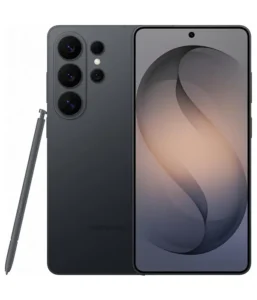
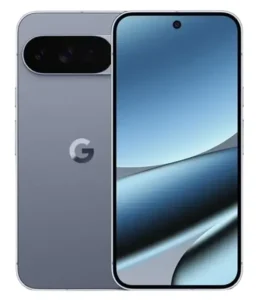
Two very different schools of thought define this matchup. The Galaxy S26 Ultra arrives as Samsung’s most spec-heavy flagship yet — a 200MP shooter strapped to a titanium-framed powerhouse with a stylus tucked inside. The Pixel 10 Pro XL counters with Google’s signature approach: a smaller camera array with smarter computational processing, a cleaner software experience, and a battery that quietly outlasts the competition. Neither phone is a slam dunk for every buyer, and that’s exactly what makes this comparison worth reading carefully.
Head-to-Head Camera Analysis
On paper, the S26 Ultra’s 200MP main sensor sounds untouchable. That f/1.4 aperture on a 1/1.3-inch sensor does pull in impressive light, and daylight shots carry an almost textured level of detail. The problem surfaces in post-processing: Samsung’s aggressive sharpening and HDR tuning frequently produce oversharpened edges and skies that look more theatrical than real. It’s the kind of output that impresses in a split-second scroll but falls apart under close inspection.
The Pixel 10 Pro XL’s 50MP main shooter, by contrast, operates on a 1/1.31-inch sensor with f/1.7 — nearly identical physical hardware in terms of light gathering. Google’s computational pipeline is where the difference lives. Shadows are lifted with more restraint, and skin tones across varied lighting situations stay consistently natural. The Pixel doesn’t try to win with megapixels; it wins with scene interpretation, and for the vast majority of shots, that approach produces more trustworthy results.
Zoom is a genuine split decision. The S26 Ultra runs a triple telephoto setup: a 10MP 3x lens and a 50MP 5x periscope, giving it flexibility across multiple focal lengths. The Pixel 10 Pro XL keeps things simpler — a single 48MP 5x periscope — but Zoom Enhance and Google’s upscaling algorithms close a surprising amount of the gap at ranges where the S26 Ultra’s 3x lens would have an edge. Long-range shots favor Samsung’s hardware reach; mid-range versatility goes to the Pixel.
Ultrawide performance is closer than expected. Both phones offer 50MP ultrawide sensors with autofocus, so architecture shots and landscape captures stay sharp corner to corner. Samsung’s 120-degree field of view is marginally wider than the Pixel’s 123-degree offering, though the Pixel’s low-light ultrawide shots tend to retain more realistic noise texture rather than the smeared NR look Samsung applies in darker environments.
Front cameras are a lopsided win for the Pixel 10 Pro XL. A 42MP ultrawide selfie camera with PDAF is genuinely unusual hardware for a front-facing module, and detail retention in selfie portraits is noticeably superior to the S26 Ultra’s 12MP front shooter. For video creators who depend on front-facing footage, this gap is hard to ignore.
- Daylight Photography: S26 Ultra delivers more pixel-level detail; Pixel 10 Pro XL produces more natural-looking output
- Low Light: Both perform well, but Samsung over-brightens shadows — Pixel holds more authentic shadow detail
- Zoom Range: S26 Ultra wins on hardware flexibility; Pixel’s AI upscaling competes more than expected
- Video: S26 Ultra shoots native 8K at 24/30fps; Pixel’s 8K is cloud-upscaled, making Samsung the clear winner for serious video work
- Selfie Camera: Pixel 10 Pro XL’s 42MP front sensor is a decisive lead over Samsung’s 12MP unit
Performance & Real-World Usage
The Snapdragon 8 Elite Gen 5 inside the S26 Ultra is the faster chip in synthetic benchmarks, and that gap is real in demanding scenarios. Rendering heavy video exports, running complex AI photo processing natively on-device, or pushing sustained gaming workloads — the S26 Ultra handles all of it without much visible hesitation. The Adreno 840 GPU sustains high frame rates in titles like Genshin Impact and Call of Duty Mobile at maximum settings, and thermal throttling, while present in extended sessions, takes longer to manifest than it did in previous-generation Samsung flagships.
Google’s Tensor G5 doesn’t chase the same raw performance ceiling, and it doesn’t need to for most users. Day-to-day multitasking, app switching, and browser-heavy usage all run smoothly. Where Tensor consistently earns its place is in on-device AI: real-time transcription, call screening, and photo processing tasks that would require a server round-trip on other platforms complete locally and faster. The Pixel 10 Pro XL isn’t a gaming phone, but for the user who lives in Google’s ecosystem of voice, search, and productivity tools, Tensor’s architecture is purpose-built for them.
RAM allocation tells an interesting story. The S26 Ultra’s base 256GB model ships with 12GB of RAM, while every Pixel 10 Pro XL configuration includes 16GB regardless of storage tier. That extra headroom keeps more apps resident in memory and reduces reload delays when bouncing between demanding applications — a meaningful advantage in heavy multitasking scenarios where Samsung’s chip lead starts to feel less decisive.
Battery Life & Charging Experience
The Pixel 10 Pro XL carries a 5200mAh cell versus the S26 Ultra’s 5000mAh — a minor capacity gap, but Google’s efficiency advantage makes the real difference. The Tensor G5’s power management, combined with a slightly smaller 6.8-inch display, means the Pixel consistently edges out the S26 Ultra in screen-on time during mixed usage days involving browsing, streaming, and navigation. Expecting the Pixel to reach end of day with charge to spare, where the S26 Ultra lands in the 20–30% range, is a realistic expectation for moderate-to-heavy users.
Charging speed flips the advantage firmly to Samsung. The S26 Ultra’s 60W wired charging hits 75% in 30 minutes — fast enough that a short lunch break fill-up meaningfully extends the day. The Pixel 10 Pro XL caps at 45W and reaches 70% in the same window, a narrower gap than the wattage suggests, but still slower. Both support 25W wireless charging, which keeps them competitive on Qi pads. The Pixel adds a reverse wired charging feature and bypass charging support for extended desk sessions, two practical additions that Samsung doesn’t match here.
Display, Design & Build Feel
The S26 Ultra’s 6.9-inch Dynamic LTPO AMOLED 2X panel is a genuinely excellent display. At 500 ppi with a 2600-nit peak, it handles direct sunlight with confidence, and the Gorilla Armor 2 anti-reflective coating makes outdoor readability better than most competitors. The Pixel 10 Pro XL’s 6.8-inch LTPO OLED panel actually reaches a higher peak brightness — 3300 nits — making it the brighter screen when it counts, though Gorilla Glass Victus 2 on the front offers less scratch resistance than Samsung’s anti-reflective Armor glass.
In hand, these phones feel distinctly different. The S26 Ultra at 214g sits lighter despite its larger footprint, while the Pixel 10 Pro XL at 232g feels noticeably chunkier and denser — a trade-off for that larger battery and thicker 8.5mm profile. Samsung’s titanium-framed, slightly tapered edges make it easier to grip one-handed during brief interactions, while the Pixel’s flatter sides and extra weight give it a more deliberate, substantial feel that some users genuinely prefer.
The S26 Ultra’s built-in stylus remains a feature with no direct competition. For note-taking, annotation, or precise editing on a phone screen, the S Pen is irreplaceable. The Pixel has no equivalent, and if a stylus matters to the buyer, that alone settles the design conversation.
- Display Brightness: Pixel 10 Pro XL peaks brighter at 3300 nits; S26 Ultra’s Armor glass handles reflections better
- Weight: S26 Ultra is 18g lighter despite a larger screen — noticeable in extended one-handed use
- Scratch Resistance: S26 Ultra’s Gorilla Armor 2 (Mohs level 6) outclasses Pixel’s Victus 2 (Mohs level 4)
- Stylus: S26 Ultra includes S Pen; Pixel 10 Pro XL has no stylus support
- Both: IP68 water resistance, aluminum frame, no microSD expansion
Software, Updates & AI Features
Both phones ship with Android 16 and promise seven major OS upgrades — a long-term commitment that was once a Pixel-only differentiator. Samsung’s One UI 8.5 wraps Android in a feature-dense skin. Samsung DeX, wireless desktop mode, and the full Galaxy AI suite add legitimate productivity depth that stock Android doesn’t offer. For users who want their phone to double as a PC replacement via a monitor and keyboard, the S26 Ultra’s DeX integration is a compelling ecosystem advantage.
The Pixel 10 Pro XL’s clean Android 16 experience remains the easier one to live inside daily. Updates arrive immediately, Google’s AI features integrate directly into the OS rather than sitting inside a branded app layer, and there’s no persistent software bloat or duplicate applications competing for attention. Features like Live Translate, on-device Call Screening, and real-time transcription work more reliably here than any Samsung equivalent — partly because Tensor is designed specifically to power them.
Satellite SOS connectivity is exclusive to the Pixel 10 Pro XL in this matchup — a safety feature that lets users send emergency messages from areas without cellular coverage. It’s a low-frequency use case for most buyers, but one that matters considerably in the right situation.
Price & Value Proposition
The S26 Ultra commands a premium at every storage tier, consistent with Samsung’s positioning as a high-end productivity device. The stylus, DeX support, multi-lens zoom system, and raw processing power justify that premium for power users. Paying for the 1TB / 16GB RAM model makes the most sense if the lower RAM tiers feel limiting by comparison — something the Pixel 10 Pro XL sidesteps entirely by equipping 16GB RAM across all configurations.
The Pixel 10 Pro XL tends to offer stronger value in its mid-tier configuration. The computational camera advantages, battery efficiency, satellite SOS, and clean software update cadence deliver a high-quality ownership experience without requiring the most expensive storage tier. For buyers who prioritize longevity, consistent performance, and a photography experience that excels in everyday shooting conditions, the Pixel justifies its price without the extra reach of the S26 Ultra’s spec sheet.
Final Verdict: Which One Should You Buy?
The Samsung Galaxy S26 Ultra is the better phone for power users who push hardware to its limits — photographers shooting native 8K video, mobile professionals who need DeX desktop mode, stylus users, and gamers who want the fastest sustained GPU performance available in an Android device. The spec sheet is genuinely class-leading, and the triple telephoto camera system offers zoom flexibility no single-periscope setup can fully replicate.
The Google Pixel 10 Pro XL wins the long game for most everyday users. Its computational photography produces more consistent and natural results across varied real-world conditions. Battery life is measurably better. Software is cleaner, AI features are more deeply integrated, and satellite SOS adds a genuine safety layer. The 42MP front camera and 16GB RAM across all storage tiers represent real engineering choices, not paper specs.
Pick the S26 Ultra for maximum hardware capability, stylus support, and video power. Pick the Pixel 10 Pro XL for smarter photography, better battery experience, and a software-first approach that ages well over a multi-year ownership cycle.
Samsung Galaxy S26 Ultra vs Google Pixel 10 Pro XL Frequently Asked Questions
Which phone takes better photos in low light?
Both phones perform competently in low light, but they handle scenes differently. The S26 Ultra’s larger f/1.4 aperture and bright processing pipeline pull in more light aggressively — shadows get lifted and scenes look brighter than they actually were. The Pixel 10 Pro XL’s computational approach preserves more realistic shadow detail and avoids the smeared noise reduction that Samsung sometimes applies. For natural-looking low-light photography, the Pixel 10 Pro XL produces more accurate results.
Is the Snapdragon 8 Elite Gen 5 noticeably faster than the Tensor G5 in real use?
In raw benchmarks and sustained gaming workloads, yes — the Snapdragon 8 Elite Gen 5 in the S26 Ultra is the faster chip. For daily tasks like app switching, browsing, and media consumption, the difference is marginal. The Tensor G5’s strength lies in on-device AI tasks: speech transcription, call screening, and photo processing that happens locally and quickly. Raw CPU speed matters more for gaming and video export; AI-heavy workflows are where the Pixel holds its own.
Which phone has better battery life?
The Google Pixel 10 Pro XL generally lasts longer on a charge despite its slightly smaller 5200mAh cell advantage being modest. Google’s Tensor G5 chip runs more efficiently for everyday tasks, and the slightly smaller display contributes to better screen-on time. The S26 Ultra charges faster — reaching 75% in 30 minutes at 60W versus the Pixel’s 45W — but if all-day battery life without top-ups is the priority, the Pixel 10 Pro XL is the more reliable choice.
Does the Samsung Galaxy S26 Ultra come with a stylus?
Yes. The S26 Ultra includes a built-in S Pen stylus stored in the phone’s body. The Pixel 10 Pro XL has no stylus support at all. For note-taking, sketching, or precise screen interaction, the S Pen is a feature only Samsung offers in this comparison — and it remains a meaningful productivity advantage for users who actively use one.
Which phone has the better front camera?
The Pixel 10 Pro XL’s 42MP f/2.2 ultrawide front camera with PDAF is significantly more capable than the S26 Ultra’s 12MP front shooter. Selfie detail, portrait processing, and front-facing video quality are all noticeably superior on the Pixel. For content creators or users who frequently rely on the front camera, this gap is one of the more decisive advantages the Pixel holds in this matchup.
Does either phone support satellite emergency messaging?
Only the Google Pixel 10 Pro XL includes satellite SOS connectivity, allowing emergency messages to be sent in areas without cellular or Wi-Fi coverage. The Samsung Galaxy S26 Ultra does not offer this feature. For users who travel in remote areas or consider emergency connectivity a safety priority, this is an exclusive advantage for the Pixel.
Which phone is better for gaming?
The Samsung Galaxy S26 Ultra is the better gaming device. The Snapdragon 8 Elite Gen 5 paired with the Adreno 840 GPU delivers higher sustained frame rates in graphically demanding titles. The 6.9-inch 120Hz display provides a larger, high-refresh canvas for gameplay, and Samsung’s Game Booster features offer granular performance controls. The Pixel 10 Pro XL handles casual gaming comfortably, but for intensive mobile gaming, the S26 Ultra’s hardware advantage is genuine.
Which phone offers better long-term software support?
Both phones promise seven major Android OS upgrades, putting them on equal footing for update longevity. The Pixel 10 Pro XL receives updates first — sometimes weeks before Samsung rolls them out to Galaxy devices — and runs a cleaner version of Android without the added layer of One UI. For users who prioritize timely security patches and OS updates without manufacturer delays, the Pixel’s update experience is more immediate.