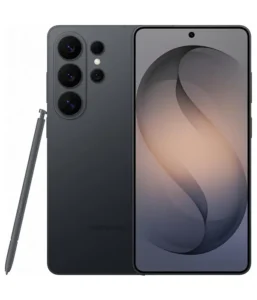
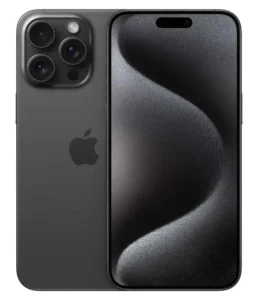
The camera systems represent fundamentally different philosophies. Samsung’s 200MP main sensor produces aggressive detail enhancement that can look stunning on social media but occasionally crosses into oversharpening territory. Apple’s 48MP sensor prioritizes color consistency and dynamic range, delivering shots that feel more natural straight out of the camera.
The telephoto situation tells a compelling story. Samsung offers dual periscope lenses at 3x and 5x optical zoom, giving genuine flexibility when framing distant subjects. Apple counters with a single 5x periscope that delivers cleaner results at maximum magnification but forces digital cropping between 1x and 5x.
Samsung’s 50MP ultrawide captures noticeably more detail than Apple’s 48MP variant, particularly in architectural shots where edge sharpness matters. Both handle distortion correction well, though Samsung’s processing can introduce slight color shifts in high-contrast scenes that Apple avoids through more conservative tone mapping.
Video capabilities diverge sharply. Samsung maxes out at 8K30fps with HDR10+ recording, while Apple pushes 4K120fps with Dolby Vision HDR and ProRes support. For professional workflows requiring color grading, Apple’s implementation remains superior. Samsung’s advantage lies in pure resolution when archiving footage for future-proofing.
Low-light performance shows minimal separation between flagships at this tier. Samsung’s larger 1/1.3-inch sensor theoretically gathers more light, but Apple’s computational photography algorithms compensate effectively. The real difference appears in shutter lag—Samsung occasionally hesitates in challenging lighting, while Apple fires consistently faster.
- Main Camera Winner: Samsung for detail, Apple for consistency
- Zoom Champion: Samsung’s dual-periscope flexibility beats single 5x
- Video Production: Apple dominates with ProRes and 4K120fps Dolby Vision
- Ultrawide Detail: Samsung’s 50MP edge clarity advantage visible in prints
Performance & Real-World Usage
Snapdragon 8 Elite Gen 5 benchmarks higher than the A18 Pro in sustained multi-core workloads, but Apple’s chipset maintains performance consistency longer during intensive tasks. Gaming reveals this tension—Samsung posts higher frame rates initially, then thermal throttling kicks in around the 20-minute mark during demanding titles.
RAM allocation matters more than specs suggest. Samsung’s 12GB base configuration handles aggressive multitasking better than Apple’s 8GB when juggling 15+ browser tabs alongside video editing. Apple’s superior memory management narrows this gap considerably, though power users notice the difference when splitting between photo editing and background renders.
Storage performance heavily favors Samsung’s UFS 4.X implementation. Sequential read speeds approach 4000MB/s compared to Apple’s NVMe at roughly 3200MB/s. This translates to faster file transfers and smoother 8K video recording without dropped frames.
Real-world app launching shows negligible differences for most users. Apple’s tighter hardware-software integration means social media apps feel marginally snappier, while Samsung excels at heavy productivity scenarios where raw computational power matters more than optimization.
The GPU gap narrows each generation. Adreno 840 handles ray-traced mobile games smoothly, though Apple’s GPU still delivers better sustained frame pacing in graphically intensive titles. Neither phone struggles with current mobile gaming demands, making this distinction academic for most players.
Battery Life & Charging Experience
Samsung’s 5000mAh cell outlasts Apple’s 4685mAh capacity by roughly 45 minutes during mixed-use testing. Both phones comfortably survive full days, but Samsung provides more headroom when streaming video extensively or running navigation continuously.
Charging speeds reveal a stark philosophical divide. Samsung’s 60W wired charging hits 75% in 30 minutes, while Apple caps at 50% in the same timeframe. For users who quick-charge during brief windows, Samsung’s aggressive charging curve saves genuine time throughout the week.
Wireless charging tells a similar story. Samsung’s 25W Qi2.2 standard edges Apple’s MagSafe implementation, though both deliver comparable results around 20-22W in practice. Reverse wireless charging remains limited to 4.5W on both devices—functional for earbuds but painfully slow for anything larger.
Battery degradation patterns differ based on charging habits. Samsung’s faster wired charging generates more heat, potentially accelerating long-term capacity loss. Apple’s conservative approach prioritizes battery longevity, which matters more after 18-24 months of ownership.
Screen-on time during heavy usage averages 7.5 hours on Samsung versus 6.8 hours on Apple when brightness stays around 50%. Push both to maximum brightness in direct sunlight, and Samsung’s higher peak draw narrows this advantage to roughly 20 minutes.
Display, Design & Build Feel
Both phones feature identical 6.9-inch panels, yet the viewing experience differs noticeably. Samsung’s Dynamic LTPO AMOLED 2X reaches 2600 nits peak brightness compared to Apple’s 2000 nits, making outdoor visibility superior in harsh sunlight. Indoor usage shows less separation, though Samsung’s anti-reflective coating reduces glare more effectively.
Resolution creates a subtle but measurable gap. Samsung’s 1440 x 3120 pixel count delivers approximately 500 ppi density against Apple’s 460 ppi. Text rendering appears sharper on Samsung when held close, though most users won’t notice during typical viewing distances.
Build quality takes contrasting approaches. Apple’s Grade 5 titanium frame feels more premium and resists scratches better than Samsung’s Armor aluminum 2. However, Samsung undercuts Apple by 13 grams (214g vs 227g), making it noticeably lighter during extended one-handed use.
Durability concerns favor Samsung unexpectedly. Gorilla Armor 2 rates at Mohs level 6 compared to Ceramic Shield’s level 4, suggesting better scratch resistance in real-world scenarios. Drop protection remains comparable, though Apple’s deeper IP68 rating (6m vs 1.5m) provides more water resistance margin.
Design language diverges completely. Samsung maintains curved edges that some find elegant while others consider impractical for screen protectors. Apple’s flat edges offer better grip security and easier case compatibility, though the angular design can dig into palms during marathon usage sessions.
- Brightness King: Samsung’s 2600 nits demolishes outdoor readability challenges
- Premium Feel: Apple’s titanium construction edges aluminum in perceived quality
- Practical Weight: Samsung’s 214g beats titanium’s 227g for extended holding
- Scratch Resistance: Samsung’s Mohs 6 rating significantly tougher than Ceramic Shield
Software, Updates & AI Features
Samsung commits to 7 major Android upgrades starting from Android 16, matching Apple’s typical software support timeline. This represents Samsung’s strongest update promise yet, though Apple’s track record of actually delivering remains more proven historically.
One UI 8.5 feels considerably heavier than iOS 18 despite Samsung’s optimization efforts. Animation fluidity lags slightly behind Apple’s buttery-smooth transitions, particularly when swiping between home screens or scrolling through dense image galleries.
AI features differentiate sharply. Samsung integrates Google’s Gemini deeply into system functions, offering real-time translation and advanced photo editing tools. Apple’s approach centers on practical automation through iOS 18’s refined suggestions and Focus modes that actually learn user patterns effectively.
Customization flexibility heavily favors Samsung. Android 16 allows icon pack changes, widget flexibility, and system-wide theming that iOS simply doesn’t permit. Power users appreciate this freedom, while those seeking simplicity find Apple’s curated experience less overwhelming.
Privacy implementations take different paths. Apple’s on-device processing keeps more data local, while Samsung’s cloud-dependent AI features require trusting Google’s infrastructure. Neither approach is inherently superior—it depends on personal privacy priorities and existing ecosystem commitments.
DeX functionality gives Samsung unique productivity potential. Connecting to external displays transforms the phone into a desktop-like environment that Apple doesn’t match. For users who travel frequently without laptops, this capability adds genuine utility beyond smartphone basics.
Price & Value Proposition
Base model pricing positions both flagships in premium territory. The 256GB Samsung typically launches slightly below the equivalent iPhone, though carrier promotions and trade-in offers fluctuate this dynamic constantly throughout the product cycle.
Storage upgrade costs reveal interesting value calculations. Jumping to 512GB costs similarly on both platforms, but Samsung offers a 16GB RAM variant at the 1TB tier while Apple maintains 8GB across all configurations. Heavy multitaskers gain meaningful performance benefits from Samsung’s additional memory headroom.
Resale value trends favor Apple significantly. iPhones retain roughly 60-65% of original value after two years compared to Samsung’s 45-50% retention. This depreciation gap effectively makes Apple’s higher upfront cost more economical long-term for users who upgrade regularly.
Ecosystem costs compound initial pricing considerations. Samsung users already invested in Galaxy Watches, Buds, and tablets benefit from seamless integration. Apple’s walled garden offers similar cohesion but requires buying into the entire ecosystem to maximize value.
Carrier incentives often make pricing academic. Samsung typically offers more aggressive trade-in promotions and bundled accessory deals during launch windows. Apple relies on consistent pricing but occasionally surprises with education discounts and limited-time credit offers.
Final Verdict: Which One Should You Buy?
The Samsung Galaxy S26 Ultra excels for users prioritizing camera versatility, charging speed, and Android’s customization freedom. Its dual-periscope system, superior outdoor display brightness, and faster wired charging address tangible daily frustrations. The lighter weight and better scratch resistance add practical benefits that accumulate over months of ownership.
The iPhone 16 Pro Max wins for those embedded in Apple’s ecosystem or requiring the most consistent camera performance and video production tools. Its ProRes recording, smoother software experience, and better long-term value retention justify the premium for professionals and users who keep devices beyond two years.
Neither phone represents a clear universal winner. Samsung suits power users who maximize hardware capabilities and appreciate Android’s flexibility. Apple serves users valuing ecosystem integration, software consistency, and superior resale value when upgrading.
The decision ultimately hinges on existing platform commitments more than pure specifications. Switching ecosystems carries significant friction—app repurchases, learning curves, and accessory replacement costs that often outweigh performance differences between these flagship devices.
Samsung Galaxy S26 Ultra vs iPhone 16 Pro Max Frequently Asked Questions
Which phone has better camera quality for everyday photography?
Apple delivers more consistent results across varying lighting conditions with superior color accuracy. Samsung produces sharper details and better zoom versatility through dual periscope lenses. Casual users prefer Apple’s reliability, while photography enthusiasts appreciate Samsung’s creative flexibility and 200MP resolution for cropping.
How significant is the battery life difference between both phones?
Samsung’s 5000mAh battery outlasts Apple’s 4685mAh by approximately 45 minutes during typical mixed usage. Both easily survive full days, but Samsung provides more buffer during heavy streaming or navigation. The real advantage shows in Samsung’s 60W fast charging versus Apple’s slower charging speeds—75% in 30 minutes compared to 50%.
Does the RAM difference affect real-world performance?
Samsung’s 12GB base RAM handles aggressive multitasking better when juggling numerous apps simultaneously. Apple’s 8GB works surprisingly well due to superior memory management, though power users notice limitations when running intensive productivity workflows. For average usage including social media and browsing, the difference remains minimal.
Which phone offers better value after two years of ownership?
iPhone 16 Pro Max retains approximately 60-65% of its value after two years compared to Samsung’s 45-50% retention. This 15-20% resale gap effectively reduces Apple’s total ownership cost significantly despite higher initial pricing. Users planning to keep devices beyond three years find this distinction less relevant.
Can Samsung’s display actually handle brighter sunlight better?
Yes, measurably so. Samsung’s 2600 nits peak brightness versus Apple’s 2000 nits creates noticeable outdoor visibility advantages in direct sunlight. The anti-reflective coating further reduces glare. Indoor usage shows minimal difference since both operate around 1000-1200 nits typically. This advantage matters most for outdoor photography and navigation scenarios.
Which platform receives software updates longer?
Both manufacturers now promise comparable update timelines. Samsung commits to 7 major Android upgrades from Android 16, while Apple typically supports devices for 6-7 years based on historical patterns. Apple’s track record of actually delivering updates remains more proven, though Samsung has improved consistency significantly in recent generations.
Is the titanium frame worth the extra weight on iPhone?
Titanium feels more premium and resists scratches better than Samsung’s aluminum, but adds 13 grams (227g vs 214g). This weight difference becomes noticeable during extended one-handed use or long photography sessions. The durability advantage matters for users who avoid cases, while Samsung’s lighter design reduces hand fatigue during extended daily use.
How do video recording capabilities compare for content creators?
Apple dominates professional video workflows with ProRes recording, Dolby Vision HDR, and 4K120fps capabilities. Samsung offers higher 8K resolution and HDR10+ but lacks the color grading flexibility professionals require. Casual content creators find both adequate, while serious videographers strongly prefer Apple’s comprehensive video toolset and ecosystem integration.