
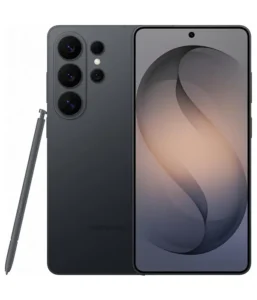
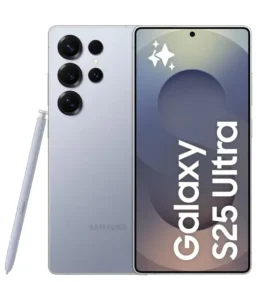
Samsung’s flagship lineup continues to push boundaries with each generation. The Galaxy S26 Ultra represents the latest evolution in premium smartphone technology, while the S25 Ultra remains a powerful contender with its proven capabilities. Both devices share similar DNA but diverge in key areas that matter to power users and photography enthusiasts.
This comparison examines every critical aspect of these two flagship smartphones. From camera systems to processing power, battery performance to display quality, we’ll explore what sets them apart and which device delivers better value for different types of users.
Camera Comparison
The camera systems on both devices demonstrate Samsung’s commitment to mobile photography excellence. The S26 Ultra introduces a refined main sensor with a wider f/1.4 aperture compared to the S25 Ultra’s f/1.7 opening. This advancement allows significantly more light to reach the sensor, particularly beneficial in challenging low-light scenarios and indoor photography.
Both phones feature the same 200MP resolution for their primary camera, but the S26 Ultra’s larger 1/1.3-inch sensor surpasses the S25 Ultra’s imaging capabilities. Bigger sensors capture more detail and produce cleaner images with reduced noise. The pixel size difference is minimal at 0.6µm versus 0.7µm, but combined with the wider aperture, the S26 Ultra delivers superior performance in dim environments.
The telephoto configurations tell an interesting story:
- 3x Telephoto: Both models use a 10MP sensor with f/2.4 aperture and optical image stabilization
- 5x Periscope Zoom: S26 Ultra edges ahead with 50MP at f/2.9, while S25 Ultra offers 50MP at f/3.4
- Ultrawide Camera: Both pack 50MP ultrawide shooters with dual pixel PDAF and Super Steady video stabilization
The S26 Ultra’s f/2.9 aperture on the 5x telephoto lens represents a meaningful upgrade over the S25 Ultra’s f/3.4. Zoomed shots in less-than-ideal lighting conditions show clearer detail and better color accuracy on the newer model. Portrait photography at moderate zoom levels benefits from improved background separation and bokeh quality.
Video recording capabilities match across both devices with 8K support at 24/30fps and 4K options up to 120fps. Both phones deliver 10-bit HDR recording with HDR10+ certification and stereo sound capture. The gyro-based electronic image stabilization works alongside optical stabilization to produce smooth footage even during active shooting scenarios.
Front-facing cameras remain identical with 12MP sensors, f/2.2 apertures, and dual pixel PDAF. Selfie enthusiasts won’t find significant differences here. Both models handle 4K video recording at 60fps with HDR10+ support, making them equally capable for content creators who vlog or stream.
The S26 Ultra pulls ahead in computational photography through its updated imaging processor. The Snapdragon 8 Elite Gen 5’s enhanced AI capabilities process images faster and apply more sophisticated algorithms for scene optimization. Night mode shots display better highlight retention and shadow detail recovery compared to the already impressive S25 Ultra.
Performance & Real-World Usage
Processing power separates these two flagships more clearly than any other specification. The S26 Ultra runs on the Snapdragon 8 Elite Gen 5 built on a 3nm process, while the S25 Ultra uses the previous-generation Snapdragon 8 Elite. Both chips utilize Qualcomm’s custom Oryon cores, but the generational leap brings substantial improvements.
Clock speeds reveal the performance advantage. The S26 Ultra’s prime cores run at 4.74GHz compared to 4.47GHz on the S25 Ultra. The efficiency cores also see a boost from 3.53GHz to 3.62GHz. These increases translate to snappier app launches, faster photo processing, and smoother multitasking during heavy workloads.
Gaming performance benefits from the upgraded Adreno 840 GPU in the S26 Ultra. The S25 Ultra’s Adreno 830 remains highly capable, but the newer graphics processor delivers higher frame rates in demanding titles and better sustained performance during extended gaming sessions. Thermal management improvements help the S26 Ultra maintain peak speeds without aggressive throttling.
RAM configurations are identical across base and mid-tier models, but the S26 Ultra introduces faster UFS 4.X storage compared to the S25 Ultra’s UFS 4.0. This advancement reduces app loading times and improves file transfer speeds when moving large video files or photo libraries. Users working with high-resolution content will appreciate the storage performance boost.
Both devices offer these configurations:
- 256GB model: 12GB RAM
- 512GB model: 12GB RAM
- 1TB model: 16GB RAM (S26 Ultra also offers 1TB with 12GB RAM)
The S26 Ultra ships with Android 16 and One UI 8.5, while the S25 Ultra runs Android 15 with One UI 8. Both phones receive seven years of major Android updates and security patches, ensuring longevity that matches their premium pricing. The newer software version on the S26 Ultra includes additional AI features and refined animations that enhance daily interactions.
Real-world usage scenarios show the S26 Ultra maintaining responsiveness even with dozens of apps running simultaneously. The improved processor efficiency means background tasks complete faster without impacting foreground app performance. Split-screen multitasking feels more fluid on the S26 Ultra, particularly when running resource-intensive applications side by side.
Samsung DeX support appears on both models, transforming the phones into desktop-like experiences when connected to external displays. The S26 Ultra’s superior processing power makes DeX sessions smoother when running multiple desktop windows or editing documents while streaming video content.
Battery & Charging
Both flagships house 5000mAh batteries, providing all-day endurance for typical usage patterns. Battery capacity alone doesn’t tell the complete story. The S26 Ultra’s more efficient 3nm chipset extracts better battery life from the same capacity, particularly during lighter tasks like web browsing, social media scrolling, and messaging.
Charging speeds differentiate these models significantly. The S26 Ultra supports 60W wired charging that delivers 75% charge in just 30 minutes. The S25 Ultra maxes out at 45W, reaching 65% in the same timeframe. For users who need quick top-ups between meetings or during short breaks, the S26 Ultra’s faster charging provides a tangible advantage.
Wireless charging capabilities show interesting contrasts:
- S26 Ultra: 25W wireless charging with Qi2.2 support
- S25 Ultra: 15W wireless charging with Qi2 Ready certification
- Both models: 4.5W reverse wireless charging for accessories
The S26 Ultra’s improved wireless charging speed makes cable-free charging more practical for overnight sessions and desk-based wireless pads. Reaching full charge wirelessly takes considerably less time on the S26 Ultra, though both phones still benefit from wired connections when speed matters most.
Power delivery protocol support ensures compatibility with third-party chargers. Both devices work with PD3.0 chargers, meaning users aren’t locked into Samsung-branded accessories. The reverse wireless charging feature on both models conveniently charges Galaxy Buds, smartwatches, or other compatible devices directly from the phone’s battery.
Screen-on time comparisons favor the S26 Ultra during mixed usage involving navigation, video streaming, and gaming. The newer processor’s efficiency cores handle background tasks while consuming less power, extending the time between charges. Heavy users pushing either device to its limits will still need daily charging, but moderate users might stretch the S26 Ultra into a second day.
Display & Build Quality
Display technology remains remarkably similar between these flagship devices. Both feature 6.9-inch Dynamic LTPO AMOLED 2X panels with adaptive 120Hz refresh rates and HDR10+ certification. The identical 1440 x 3120 pixel resolution delivers approximately 500 pixels per inch, ensuring crisp text and detailed imagery across both screens.
Peak brightness reaches 2600 nits on both models, making outdoor visibility excellent even in direct sunlight. The adaptive refresh rate technology adjusts between 1Hz and 120Hz based on content, conserving battery during static images while providing smooth scrolling when needed. Both displays support the full DCI-P3 color gamut for vibrant, accurate colors in photos and videos.
The S26 Ultra introduces a Privacy Display feature not present on the S25 Ultra. This technology narrows the viewing angles when enabled, preventing shoulder surfing in public spaces. For users concerned about visual privacy during commutes or in crowded areas, this addition provides peace of mind without compromising image quality when viewed straight-on.
Protection comes from Corning Gorilla Armor 2 on both devices, offering Mohs level 6 scratch resistance and improved drop performance. The DX anti-reflective coating reduces glare and fingerprint visibility, making screens easier to read under various lighting conditions. Both implementations resist daily wear remarkably well, maintaining clarity throughout years of use.
Build materials separate these devices significantly:
- S26 Ultra: Armor aluminum 2 frame, Gorilla Armor 2 front, Gorilla Glass Victus 2 back
- S25 Ultra: Grade 5 titanium frame, Gorilla Armor 2 front, Gorilla Glass Victus 2 back
The S25 Ultra’s titanium frame provides superior durability and a more premium feel compared to the S26 Ultra’s aluminum construction. Titanium resists scratches better and maintains its appearance longer. However, the S26 Ultra’s aluminum frame contributes to a lighter overall weight of 214g versus 218g for the titanium-framed S25 Ultra.
Dimension differences are minimal but worth noting. The S26 Ultra measures 163.6 x 78.1 x 7.9mm, making it slightly taller and thinner than the S25 Ultra’s 162.8 x 77.6 x 8.2mm profile. The S26 Ultra feels more svelte in hand despite the similar footprint, though both phones require two-handed operation for most users due to their large screens.
Both models achieve IP68 certification for dust and water resistance, surviving immersion up to 1.5 meters for 30 minutes. This protection handles accidental drops in pools, rain exposure, and dusty environments without concern. Neither device includes a headphone jack, continuing the wireless audio trend in premium smartphones.
The S25 Ultra includes an integrated S Pen stylus, while specifications for the S26 Ultra only mention stylus support without confirming integration. This represents a potential differentiator for users who rely on stylus input for note-taking, sketching, or precise navigation. The S Pen on the S25 Ultra stores directly in the phone body, ensuring it’s always available.
Software, Updates & AI Features
Software experiences differ primarily in version numbers rather than core functionality. The S26 Ultra launches with Android 16 and One UI 8.5, while the S25 Ultra runs Android 15 with One UI 8. Both interfaces provide Samsung’s refined take on Android with extensive customization options and thoughtful feature additions.
Update commitments match identically at seven major Android upgrades. Buyers of either device receive platform updates and security patches well into the future. This extended support timeline ensures both phones remain secure and feature-rich throughout typical ownership periods and beyond.
One UI 8.5 on the S26 Ultra introduces refined animations and slightly adjusted interface elements compared to One UI 8. The differences are subtle, focusing on smoother transitions and more responsive touch interactions. Most users upgrading from previous Galaxy devices won’t notice dramatic changes, as Samsung maintains interface consistency across generations.
AI capabilities receive meaningful upgrades on the S26 Ultra thanks to its more powerful neural processing unit. The Snapdragon 8 Elite Gen 5’s enhanced AI engine processes voice commands faster, improves real-time translation accuracy, and refines photo editing suggestions. These improvements manifest in daily usage through quicker Gallery search results and more accurate voice typing.
Both phones support Samsung DeX for desktop-like productivity. Wireless DeX functionality works on both models, allowing projection to compatible displays without cables. The S26 Ultra’s superior processing power makes DeX sessions noticeably smoother when running demanding applications or multiple windows simultaneously.
Galaxy AI features span both devices with capabilities like:
- Circle to Search: Identify objects, text, or images by drawing circles directly on screen
- Live Translate: Real-time voice and text translation during calls and messages
- Photo Assist: AI-powered editing suggestions and automated enhancements
- Note Assist: Summarization and formatting tools for Samsung Notes
The S26 Ultra processes these AI tasks faster due to its newer chipset, but both phones deliver impressive results. Language translation happens near-instantaneously on the S26 Ultra, while the S25 Ultra shows brief delays during complex multilingual conversations.
Security features include ultrasonic fingerprint sensors embedded beneath the display on both models. The technology provides fast, reliable unlocking even with wet or oily fingers. Face recognition supplements fingerprint authentication, though both phones rely on front camera-based systems rather than dedicated 3D face mapping hardware.
Samsung Knox security platform protects both devices at the hardware and software levels. This defense-grade protection shields personal data from malware and unauthorized access attempts. Both phones receive monthly security updates as part of their seven-year support commitment.
Price & Value for Money
Pricing structures typically follow generational patterns, with newer flagships commanding premium positions. The S26 Ultra enters the market as Samsung’s top-tier offering with corresponding flagship pricing. The S25 Ultra often sees reduced pricing as retailers and carriers make room for the newer generation, creating value opportunities for budget-conscious buyers.
The S26 Ultra justifies its premium through several meaningful upgrades. Faster charging, improved camera hardware, superior processing power, and the latest software version collectively represent tangible benefits. Users who prioritize having cutting-edge technology and plan to keep their device for multiple years find value in these advancements.
The S25 Ultra presents compelling value for different reasons. Its titanium frame offers superior durability compared to the S26 Ultra’s aluminum construction. The integrated S Pen adds functionality that creative professionals and note-takers highly value. As pricing drops from launch levels, the S25 Ultra becomes increasingly attractive for feature-focused buyers.
Storage configurations affect value calculations significantly:
- 256GB models: Entry point for both devices, suitable for average users
- 512GB models: Better value per gigabyte, recommended for photo and video enthusiasts
- 1TB models: Premium tier with 16GB RAM, ideal for power users and content creators
The absence of expandable storage means choosing sufficient internal capacity at purchase. Neither phone supports microSD cards, making the storage decision permanent. Users who shoot 8K video or maintain large offline media libraries should strongly consider 512GB or 1TB configurations regardless of which model they choose.
Carrier promotions and trade-in programs significantly impact real-world pricing. The S25 Ultra often qualifies for aggressive discounts as carriers push remaining inventory. The S26 Ultra benefits from launch promotions that reduce effective cost through bill credits or enhanced trade-in values for older devices.
Long-term value considerations favor both devices differently. The S26 Ultra’s newer processor maintains relevance longer as applications become more demanding. The seven-year update commitment ensures software support extends well beyond typical upgrade cycles. The S25 Ultra’s proven reliability and mature software present fewer unknowns for risk-averse buyers.
Accessory ecosystems work identically across both models. Cases, screen protectors, and wireless chargers designed for the S25 Ultra fit the S26 Ultra due to their similar dimensions. Existing Galaxy owners can often reuse accessories, reducing the total cost of switching between Samsung flagships.
Which One Should You Buy?
The S26 Ultra makes sense for users who demand maximum performance and the latest technology. Its faster processor handles demanding tasks more efficiently. Improved camera hardware delivers better low-light photography. Significantly faster wired and wireless charging saves time throughout daily use. Buyers who keep phones for three to five years benefit most from choosing the newest generation.
Photography enthusiasts gain meaningful advantages from the S26 Ultra’s camera improvements. The wider f/1.4 aperture on the main camera captures noticeably better shots in dim restaurants, concerts, and nighttime cityscapes. The upgraded 5x telephoto lens produces cleaner zoomed images across various lighting conditions. These improvements justify the premium for users who rely heavily on smartphone photography.
The S25 Ultra remains an excellent choice in specific scenarios. Its titanium frame provides superior durability that aluminum cannot match. The integrated S Pen delivers functionality that the S26 Ultra potentially lacks unless stylus support includes integration. Users who prioritize build quality and stylus input should seriously consider the S25 Ultra, especially as pricing becomes more attractive.
Budget-conscious buyers benefit from waiting for S25 Ultra price reductions. The performance difference, while measurable, doesn’t dramatically impact daily usage for typical smartphone tasks. Social media browsing, video streaming, messaging, and photography all work excellently on the S25 Ultra. Savings from choosing the older generation can fund high-quality wireless earbuds or other accessories.
Content creators should evaluate their specific needs:
- Video editors: S26 Ultra’s faster processor and improved storage speeds streamline workflow
- Photographers: S26 Ultra’s camera improvements justify the upgrade for professional use
- Note-takers and artists: S25 Ultra’s integrated S Pen (if confirmed absent on S26 Ultra) provides irreplaceable functionality
- Streamers: Either device handles live streaming capably; choose based on budget
Gaming performance favors the S26 Ultra for competitive players seeking maximum frame rates and lowest latency. The Adreno 840 GPU delivers smoother gameplay in graphically intensive titles. Casual gamers find both phones more than adequate for popular mobile games, making the S25 Ultra a sensible value choice.
Battery life considerations slightly favor the S26 Ultra during mixed usage, though both phones last full days under typical conditions. The real advantage lies in charging speed. Users who frequently need quick top-ups benefit significantly from 60W wired charging on the S26 Ultra versus 45W on the S25 Ultra.
Long-term software support matches identically at seven years, removing concerns about one device becoming obsolete faster. Both phones receive security patches and feature updates well into the future. This parity means buyers can choose based on current needs rather than worrying about support longevity.
The S26 Ultra suits early adopters who value having the latest specifications and accept premium pricing. The S25 Ultra serves practical buyers who want excellent performance, proven reliability, and potentially better value as pricing adjusts. Neither choice disappoints given Samsung’s flagship quality standards.
Frequently Asked Questions
Is the camera quality noticeably better on the S26 Ultra compared to the S25 Ultra?
The S26 Ultra delivers measurable camera improvements, particularly in low-light conditions. The main sensor features a wider f/1.4 aperture versus f/1.7 on the S25 Ultra, allowing significantly more light to reach the sensor. This translates to cleaner nighttime photos with better detail and reduced noise. The 5x telephoto lens also improves with an f/2.9 aperture compared to f/3.4 on the older model, producing sharper zoomed shots in challenging lighting. Both phones excel at photography, but the S26 Ultra has a clear edge for enthusiasts who frequently shoot in dim environments or rely heavily on zoom capabilities.
How much faster is the S26 Ultra in everyday performance?
The Snapdragon 8 Elite Gen 5 in the S26 Ultra runs at higher clock speeds than the S25 Ultra’s Snapdragon 8 Elite, with prime cores reaching 4.74GHz versus 4.47GHz. App launches happen noticeably quicker, and multitasking feels smoother when running multiple demanding applications simultaneously. Gaming performance shows the biggest difference, with the Adreno 840 GPU maintaining higher frame rates in graphically intensive titles. For basic tasks like messaging, browsing, and social media, both phones feel equally responsive. Power users who edit photos, render videos, or play competitive mobile games will appreciate the S26 Ultra’s performance advantage most clearly.
Does the S26 Ultra include an integrated S Pen like the S25 Ultra?
The provided specifications indicate the S25 Ultra has an integrated S Pen stylus that stores inside the phone body, while the S26 Ultra lists only stylus support without confirming integration. This represents a significant functional difference for users who regularly take handwritten notes, sketch, or prefer precise stylus navigation. The S25 Ultra’s integrated solution ensures the S Pen is always available without carrying separate accessories. Users who depend on stylus functionality should verify whether the S26 Ultra includes integration or requires a separate purchase before making their decision.
Which phone offers better value considering the price difference?
Value depends heavily on individual priorities and pricing at time of purchase. The S26 Ultra justifies its premium through faster charging (60W versus 45W), improved camera hardware, superior processor performance, and the latest software version. Users keeping their phone for several years benefit from these future-proof specifications. The S25 Ultra becomes increasingly attractive as prices drop, offering titanium frame durability, integrated S Pen functionality, and proven performance that handles all typical smartphone tasks excellently. Budget-conscious buyers who don’t need absolute cutting-edge specs find better value in the S25 Ultra, especially with carrier promotions or trade-in deals.
Are the displays different between these two models?
The displays share nearly identical specifications with both featuring 6.9-inch Dynamic LTPO AMOLED 2X panels, 1440 x 3120 resolution, 120Hz adaptive refresh rates, and 2600 nits peak brightness. Screen quality, outdoor visibility, and color accuracy perform essentially the same on both devices. The S26 Ultra adds a Privacy Display feature that narrows viewing angles for enhanced privacy in public spaces, which the S25 Ultra lacks. Beyond this addition, users won’t notice meaningful differences in daily display quality, making the screen a neutral factor when choosing between these flagship phones.