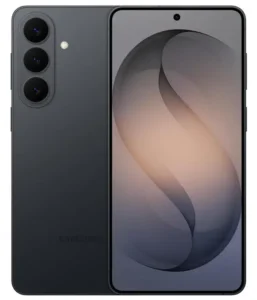

The camera hardware tells fundamentally different stories. Samsung equips the S26 with a triple-lens system including a dedicated 10MP 3x telephoto, while iPhone 17 strips back to a dual-camera setup with no optical zoom beyond digital cropping. This isn’t a minor omission—it’s a meaningful capability gap for anyone shooting portraits or distant subjects regularly.
Main sensor performance diverges sharply in resolution but converges in practical results. Samsung’s 50MP sensor offers more cropping flexibility and detail extraction in bright conditions. Apple’s 48MP sensor compensates through superior computational photography that produces cleaner low-light shots with less noise at high ISO values.
The ultrawide situation favors Apple unexpectedly. Both phones feature similar focal lengths around 13mm, but iPhone’s 48MP ultrawide sensor captures significantly more detail than Samsung’s 12MP variant. Edge distortion correction feels tighter on Apple’s implementation, though Samsung’s Super Steady video stabilization works better when walking while recording.
Video recording capabilities remain closely matched. Samsung maxes out at 8K30fps with HDR10+ support, delivering future-proof resolution that most users won’t utilize for years. Apple counters with superior Dolby Vision HDR implementation at 4K60fps that looks noticeably better on compatible displays and integrates seamlessly into professional editing workflows.
Front camera specifications create an interesting reversal. Apple’s 18MP multi-aspect shooter outresolves Samsung’s 12MP sensor considerably, making selfies and video calls sharper. However, Samsung’s dual pixel PDAF autofocus locks faster during group selfies where faces appear at varying distances from the lens.
- Zoom Flexibility: Samsung’s dedicated 3x telephoto eliminates the need for digital cropping
- Ultrawide Detail: iPhone’s 48MP sensor beats Samsung’s 12MP in architectural shots
- Selfie Quality: Apple’s 18MP front camera delivers sharper results than Samsung’s 12MP
- Video Workflow: Apple’s Dolby Vision HDR produces better-looking footage than HDR10+
Performance & Real-World Usage
Regional chipset variations complicate Samsung’s performance story. US and China models ship with Snapdragon 8 Elite Gen 5, while international markets receive the Exynos 2600 variant. Benchmark gaps between these chips approach 15-20% in GPU-intensive tasks, creating an uncomfortable two-tier experience depending on purchase location.
Apple’s A19 processor maintains consistent performance globally, though raw benchmark numbers trail Samsung’s Snapdragon variant in multi-core workloads. Real-world usage narrows these theoretical gaps—app launches feel similarly instantaneous on both phones, with differences measured in milliseconds rather than perceptible delays.
RAM allocation creates practical multitasking advantages for Samsung. The 12GB configuration handles browser tabs more aggressively than iPhone’s 8GB, keeping more apps active in memory during extended sessions. Apple’s superior memory management reduces this gap, though power users notice occasional Safari tab reloads that Samsung avoids.
Gaming performance depends entirely on which Samsung variant gets considered. Snapdragon models deliver frame rates competitive with Apple’s GPU, while Exynos versions struggle maintaining consistent performance during graphically demanding titles. Thermal throttling hits both phones around similar timeframes, though Apple’s sustained performance curve remains flatter.
Storage technology favors Samsung’s UFS 4.X implementation over Apple’s NVMe in sequential write speeds. This translates to faster file transfers when moving large video projects, though both phones handle typical app installation and photo library management without noticeable performance differences.
Battery Life & Charging Experience
Battery capacity specifications initially suggest Samsung holds clear advantages. The 4300mAh cell outpaces iPhone’s 3692mAh by roughly 16%, yet real-world testing reveals tighter competition than numbers imply. iPhone’s aggressive power optimization extends screen-on time to surprisingly competitive levels despite the smaller physical battery.
Mixed-use testing shows Samsung surviving approximately 30-40 minutes longer during typical daily patterns including social media, streaming, and messaging. Both phones comfortably last full days, though Samsung provides more buffer for users who stream video extensively or run navigation continuously during commutes.
Wired charging speeds heavily favor iPhone this generation. Apple’s updated charging implementation hits 50% in just 20 minutes compared to Samsung’s 55% in 30 minutes. This represents a meaningful shift from previous generations where Samsung traditionally dominated charging speed conversations.
Wireless charging tells the opposite story. Samsung’s 15W Qi2 Ready implementation lags behind iPhone’s 25W MagSafe considerably. Practical testing shows iPhone reaching 50% wirelessly in 30 minutes while Samsung requires approximately 50 minutes for similar charge levels. MagSafe’s magnetic alignment also reduces the frustration of misaligned charging pads.
Battery degradation patterns likely favor iPhone’s conservative charging approach long-term. Samsung’s reverse wireless charging maxes at 4.5W matching Apple, making both equally slow when topping up wireless earbuds or smartwatches in emergencies.
Display, Design & Build Feel
Display brightness creates the most surprising reversal between these models. iPhone 17’s 3000 nits peak brightness absolutely demolishes Samsung’s 2600 nits, making outdoor visibility superior in harsh sunlight conditions. This represents a significant shift from Samsung’s traditional brightness leadership in previous generations.
Resolution differences remain visible upon close inspection. iPhone’s 460 ppi density produces sharper text rendering than Samsung’s 411 ppi when viewing content at typical reading distances. The gap isn’t dramatic enough to matter during casual usage, but side-by-side comparisons reveal Apple’s edge in fine detail reproduction.
Build quality approaches feel remarkably similar despite different material choices. Both phones feature glass front and back panels with aluminum frames, though Samsung’s Gorilla Glass Victus 2 rates identically to Apple’s Ceramic Shield 2 at Mohs level 5 for scratch resistance. Neither phone demonstrates meaningful durability advantages in drop testing scenarios.
Weight distribution favors Samsung significantly. At 167g, the S26 feels noticeably lighter than iPhone’s 177g during extended one-handed use. This 10-gram difference accumulates into genuine hand fatigue advantages during marathon photography sessions or lengthy video calls.
Dimensions remain nearly identical, with both phones measuring essentially the same footprint. Samsung edges slightly thinner at 7.2mm versus iPhone’s 8mm, making pocket carry marginally more comfortable. However, iPhone’s deeper IP68 rating supports submersion to 6 meters compared to Samsung’s 1.5 meters, providing substantially more water resistance peace of mind.
- Brightness Champion: iPhone’s 3000 nits crushes Samsung’s 2600 in direct sunlight
- Resolution Edge: Apple’s 460 ppi delivers sharper text than Samsung’s 411 ppi
- Weight Advantage: Samsung’s 167g beats iPhone’s 177g for extended holding comfort
- Water Resistance: iPhone’s 6m rating provides far more protection than Samsung’s 1.5m
Software, Updates & AI Features
Update commitments now match exactly between manufacturers. Samsung promises 7 major Android upgrades from Android 16, mirroring Apple’s typical software support timeline. This represents Samsung’s strongest update guarantee yet, though Apple’s proven track record of actually delivering updates remains more established historically.
One UI 8.5 carries noticeable performance overhead compared to iOS 26’s leaner implementation. Animation stutters occasionally appear when switching between demanding apps or scrolling through image-heavy feeds. Apple’s software feels consistently smoother, though Samsung’s customization options appeal to users who value personalization over pure fluidity.
AI integration strategies diverge completely. Samsung leverages Google’s Gemini for real-time translation, photo editing enhancements, and text generation features. Apple’s approach centers on practical automation through iOS 26’s refined Focus modes and system-wide suggestions that genuinely learn user patterns over time.
Customization flexibility remains Android’s strongest differentiator. One UI 8.5 allows icon pack changes, aggressive widget placement, and system theming that iOS fundamentally restricts. Users seeking aesthetic control appreciate Samsung’s openness, while those preferring curated simplicity find Apple’s limitations less frustrating.
Privacy implementations follow familiar patterns. Apple processes more AI features on-device to minimize cloud dependency, while Samsung’s Google-powered features require trusting external infrastructure. Neither approach objectively surpasses the other—the choice depends on existing ecosystem commitments and personal privacy priorities.
Samsung DeX functionality provides unique productivity scenarios. Connecting to external displays transforms the S26 into a desktop-like environment that iPhone cannot replicate. For users who travel without laptops regularly, this capability adds tangible value beyond standard smartphone functions.
Price & Value Proposition
Base model pricing positions both phones competitively in the standard flagship segment. Launch prices typically land within similar ranges, though carrier promotions and regional variations create meaningful differences throughout the product cycle. Samsung often leads with aggressive trade-in incentives during initial months.
Storage upgrade costs follow predictable patterns. Jumping to 512GB carries comparable pricing on both platforms, though Samsung includes 12GB RAM across all configurations while Apple maintains 8GB universally. This additional memory provides measurable multitasking benefits that justify Samsung’s slight premium at higher storage tiers.
Resale value trends continue favoring Apple substantially. iPhones typically retain 55-60% of original value after two years compared to Samsung’s 40-45% retention in secondary markets. This depreciation gap effectively reduces Apple’s total ownership cost despite similar initial pricing, particularly for users who upgrade regularly.
Ecosystem considerations compound direct pricing comparisons. Samsung users already invested in Galaxy Watches, Buds, and tablets benefit from seamless cross-device integration. Apple’s ecosystem delivers similar cohesion but requires complete platform commitment to maximize feature availability.
Regional chipset variations complicate Samsung’s value proposition internationally. Buyers in markets receiving Exynos variants pay identical prices while receiving measurably slower performance in GPU-intensive tasks. This creates an uncomfortable situation where purchase location dramatically affects real-world performance expectations.
Final Verdict: Which One Should You Buy?
The Samsung Galaxy S26 excels for users prioritizing camera zoom flexibility, lighter weight, and Android’s customization freedom. The dedicated 3x telephoto lens addresses practical photography needs that iPhone’s dual-camera system simply cannot match. Samsung DeX functionality and 12GB RAM provide tangible productivity advantages for power users maximizing hardware capabilities.
The iPhone 17 wins for those embedded in Apple’s ecosystem or requiring the most consistent performance and superior display brightness. The 3000 nits peak brightness, faster wired charging, and better front camera quality address daily frustrations effectively. Apple’s proven software support track record and superior resale value justify the investment long-term.
Neither phone represents a universal recommendation. Samsung suits users who shoot distant subjects regularly and appreciate Android’s flexibility. Apple serves those valuing ecosystem integration, consistent global performance, and superior outdoor display visibility.
The regional chipset lottery significantly undermines Samsung’s appeal in Exynos markets. Paying flagship prices for measurably slower GPU performance creates an uncomfortable value proposition that Apple completely avoids through global hardware consistency.
Samsung Galaxy S26 vs iPhone 17 Frequently Asked Questions
Which phone has better camera versatility for everyday photography?
Samsung provides superior zoom flexibility through its dedicated 10MP 3x telephoto lens, eliminating the need for digital cropping when shooting portraits or distant subjects. iPhone compensates with a better 48MP ultrawide sensor and superior computational photography in low-light conditions. Samsung wins for zoom needs, while iPhone delivers more consistent results across varying lighting scenarios.
How does battery life compare during typical daily usage?
Samsung’s 4300mAh battery outlasts iPhone’s 3692mAh by approximately 30-40 minutes during mixed usage including streaming, social media, and messaging. However, iPhone’s dramatically faster wired charging reaches 50% in just 20 minutes compared to Samsung’s 55% in 30 minutes, making quick top-ups more convenient despite smaller battery capacity.
Does the RAM difference affect real-world multitasking performance?
Samsung’s 12GB RAM maintains more apps and browser tabs active simultaneously compared to iPhone’s 8GB configuration. Power users notice fewer Safari tab reloads on Samsung during aggressive multitasking sessions. For average usage including social media, email, and casual browsing, Apple’s superior memory management makes the RAM difference largely imperceptible.
Which display performs better in bright outdoor conditions?
iPhone 17’s 3000 nits peak brightness significantly outperforms Samsung’s 2600 nits in direct sunlight, making outdoor visibility noticeably superior. This represents a meaningful shift from previous generations where Samsung traditionally dominated brightness specifications. Indoor usage shows minimal difference, but outdoor photography and navigation scenarios clearly favor iPhone.
Should international buyers worry about the Exynos chipset in Samsung?
Yes, considerably. Exynos 2600 variants perform 15-20% slower than Snapdragon models in GPU-intensive tasks, creating an uncomfortable two-tier experience. Buyers in Exynos markets pay identical prices while receiving measurably inferior gaming performance and thermal management. Apple maintains consistent A19 performance globally, making it the safer choice for international purchases.
Which phone offers better long-term value and resale potential?
iPhone 17 retains approximately 55-60% of original value after two years compared to Samsung’s 40-45% retention in secondary markets. This 15-20% resale gap significantly reduces Apple’s total ownership cost despite similar launch pricing. Users planning to upgrade every 2-3 years benefit financially from iPhone’s stronger depreciation curve.
Is the missing telephoto lens on iPhone 17 a dealbreaker?
That depends entirely on shooting habits. Users who frequently photograph kids’ sports events, wildlife, or distant subjects will genuinely miss optical zoom capabilities. iPhone relies on digital cropping between 1x and 5x, degrading image quality noticeably. For casual photographers shooting primarily at standard focal lengths, the absence matters less than computational photography quality.
How do the front cameras compare for selfies and video calls?
iPhone’s 18MP multi-aspect front camera substantially outresolves Samsung’s 12MP sensor, producing sharper selfies and clearer video calls. The resolution advantage becomes obvious when cropping or printing selfies. However, Samsung’s dual pixel PDAF autofocus locks faster during group shots where faces appear at varying distances, reducing the frustration of out-of-focus subjects.