
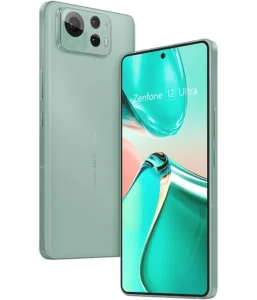
ASUS Zenfone 12 Ultra Overview, Features, and Buying Guide
The ASUS Zenfone 12 Ultra represents a premium smartphone experience with flagship-tier performance and advanced imaging capabilities. Released in February 2025, this device combines cutting-edge hardware with practical features that cater to demanding users. The phone’s construction showcases quality materials including Gorilla Glass Victus 2 protection on both the front and back, paired with an aluminum frame that provides structural integrity while maintaining an elegant appearance.
At its core, the Snapdragon 8 Elite processor delivers exceptional computational power for intensive tasks ranging from gaming to content creation. The 6.78-inch LTPO AMOLED display offers smooth visuals with its adaptive 144Hz refresh rate, making every interaction feel responsive. ASUS has equipped this model with a versatile camera system featuring gimbal stabilization technology, which sets it apart from conventional smartphone photography setups.
The device maintains IP68 certification for dust and water resistance, offering protection during everyday use and unexpected exposure to liquids. With dual SIM support plus eSIM functionality, the Zenfone 12 Ultra accommodates users who need flexibility in managing multiple phone numbers or travel frequently between regions.
What Makes the ASUS Zenfone 12 Ultra Worth Buying?
The standout feature of the ASUS Zenfone 12 Ultra is its gimbal-stabilized main camera system. Unlike traditional optical image stabilization found in most smartphones, gimbal OIS provides superior shake reduction during video recording and low-light photography. The 50MP primary sensor with a large 1/1.56″ size captures impressive detail, while the 32MP telephoto lens offers genuine 3x optical zoom without compromising image quality.
Performance enthusiasts will appreciate the Snapdragon 8 Elite chipset built on a 3nm process. This processor handles everything from graphically demanding games to simultaneous multitasking with ease. The octa-core CPU configuration features two high-performance Phoenix L cores running at 4.32 GHz, delivering benchmark-topping speeds when needed. Paired with up to 16GB of RAM and UFS 4.0 storage, the phone maintains snappy performance even with dozens of apps running in the background.
Display quality reaches impressive heights with the LTPO AMOLED panel. The adaptive refresh rate intelligently adjusts between lower frequencies to save battery and peaks at 144Hz for ultra-smooth scrolling and gaming. Brightness levels hit 2500 nits at peak, ensuring excellent visibility even under direct sunlight. HDR10 support enhances streaming content from compatible services, bringing out details in shadows and highlights that standard displays miss.
Battery endurance remains strong despite the power-hungry components. The 5500mAh capacity pushes the phone through a full day of mixed use, while 65W wired charging replenishes the battery completely in just 39 minutes. Wireless charging at 15W and reverse wired charging add convenience for topping up compatible accessories.
Audio capabilities deserve mention as well. The inclusion of a 3.5mm headphone jack has become rare in flagship smartphones, giving audiophiles direct analog connectivity for their wired headphones. Stereo speakers complement this feature, while support for 32-bit/384kHz Hi-Res audio and wireless aptX Lossless ensures premium sound quality regardless of how you listen.
Things to Know Before Choosing the ASUS Zenfone 12 Ultra
Despite its strengths, potential buyers should consider several limitations. The absence of expandable storage means you’ll need to choose the right capacity upfront. With only 256GB and 512GB options available, users who capture extensive 8K video or maintain large app libraries should opt for the higher-capacity model.
Software support offers two major Android upgrades from the Android 15 base. While this provides security patches and feature updates for a reasonable period, it falls short of competitors offering three or four years of OS upgrades. Users planning to keep their device beyond 2027 might find this limiting.
The phone’s size and weight require consideration. Measuring 163.8 x 77 x 8.9mm and weighing 220 grams, this device has substantial heft. Extended one-handed use may prove tiring for some users, though the dimensions do accommodate the larger battery and advanced camera hardware.
Video recording capabilities show both strengths and quirks. The main camera can shoot 8K footage at 24fps, but frame rate options decrease at higher resolutions. Those expecting 8K at 60fps will be disappointed. The front camera maxes out at 1080p for selfie videos, lacking the 4K option found on the rear cameras.
Network compatibility covers 5G, LTE, and HSPA, but the specific band support wasn’t detailed in specifications. International travelers should verify that their carrier’s frequencies align with the phone’s radio capabilities before purchasing.
Is the ASUS Zenfone 12 Ultra Right for You?
Mobile Photographers and Videographers: The gimbal OIS technology makes this phone exceptional for content creators. Travel vloggers, social media influencers, and photography enthusiasts will appreciate the stabilization during handheld video recording. The 3x optical zoom provides versatility for composition without digital cropping artifacts.
Mobile Gamers: The Snapdragon 8 Elite and Adreno 830 GPU combination handles current AAA mobile titles at maximum settings. The 144Hz display ensures competitive advantages in fast-paced games where frame rate matters. Heat management during extended gaming sessions benefits from the vapor cooling system typical of flagship devices.
Power Users and Multitaskers: With 16GB of RAM available in the top configuration, the phone juggles multiple apps without aggressive background process termination. The UFS 4.0 storage means apps launch quickly, and file transfers happen at impressive speeds. Professionals who use their phone for work-related tasks will appreciate the processing headroom.
Audiophiles: The combination of a 3.5mm jack, Hi-Res audio certification, and advanced Bluetooth codecs makes this phone suitable for users with high-quality wired and wireless headphones. Streaming lossless audio from services like Apple Music or Tidal takes full advantage of these capabilities.
Casual Users on a Budget: This flagship likely exceeds the needs and budget of casual smartphone users. Those who primarily browse social media, take occasional photos, and make calls would be better served by mid-range alternatives offering better value.
Best Alternatives to the ASUS Zenfone 12 Ultra
Samsung Galaxy S25 Ultra: For users wanting S Pen functionality and longer software support (four major OS updates), Samsung’s flagship offers more comprehensive features. The camera system includes a periscope telephoto with higher optical zoom magnification.
Google Pixel 9 Pro: Photography purists who prioritize computational photography over hardware specifications should consider the Pixel 9 Pro. Google’s AI-enhanced image processing often produces better results in challenging conditions despite using smaller sensors.
OnePlus 13: Budget-conscious buyers seeking similar flagship specifications at a lower price point might prefer OnePlus. While it may lack gimbal OIS, the overall performance and battery life remain competitive.
Xiaomi 15 Ultra: Photography enthusiasts who want Leica-tuned optics and more advanced zoom capabilities will find Xiaomi’s offering compelling. The camera hardware often surpasses ASUS in versatility, though software polish may vary.
ASUS Zenfone 12 Ultra Frequently Asked Questions
Does the ASUS Zenfone 12 Ultra support expandable storage?
No, the ASUS Zenfone 12 Ultra does not include a microSD card slot. Users must choose between the 256GB or 512GB internal storage options at purchase. Both configurations use UFS 4.0 technology for fast read and write speeds. Those who regularly record 8K video or maintain extensive app libraries should consider the 512GB model to avoid running out of space.
How long does the battery last on the ASUS Zenfone 12 Ultra?
The 5500mAh battery typically provides a full day of moderate to heavy use. Screen-on time varies based on usage patterns, but users can expect 6-8 hours with mixed activities including social media, streaming, photography, and web browsing. The adaptive 144Hz display helps conserve battery by lowering refresh rates when high performance isn’t needed. Gaming and 8K video recording drain the battery faster, while 65W fast charging ensures you can quickly top up when needed.
Can the ASUS Zenfone 12 Ultra record 4K video at 60fps?
Yes, the main camera system supports 4K video recording at both 30fps and 60fps. The phone also offers 8K recording at 24fps for maximum resolution, though file sizes become substantial at this setting. Slow-motion enthusiasts can shoot 1080p at up to 240fps, or 720p at 480fps for extreme slow-motion effects. All video modes benefit from gyroscopic electronic image stabilization, with the main camera adding gimbal OIS for exceptional smoothness.
Is the ASUS Zenfone 12 Ultra waterproof?
The device carries an IP68 rating, meaning it’s dust-tight and can survive submersion in up to 1.5 meters of water for 30 minutes. This protection covers accidental drops in pools, toilets, or getting caught in rain. However, IP68 certification doesn’t cover high-pressure water jets or prolonged underwater use. Saltwater exposure should be avoided as it can corrode ports and seals over time. The rating provides peace of mind during everyday use but isn’t intended for underwater photography.
How many years of software updates will the ASUS Zenfone 12 Ultra receive?
ASUS commits to two major Android upgrades for the Zenfone 12 Ultra, which ships with Android 15. This means users can expect updates to Android 16 and Android 17. Security patches typically continue for an additional year beyond the major OS updates. While this support duration is adequate, it falls behind competitors like Samsung and Google who offer four and seven years respectively. Users planning to keep their phone beyond three years should factor in the limited update window when making their decision.