
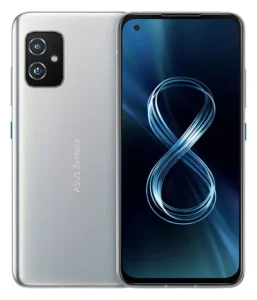
ASUS Zenfone 8 Overview, Features, and Buying Guide
The ASUS Zenfone 8 carved out a unique position when it launched in May 2021, targeting users who craved flagship performance in a genuinely compact form. Measuring just 148 x 68.5 x 8.9mm and weighing a mere 169 grams, this phone bucked the trend of ever-expanding smartphone dimensions. Despite its petite footprint, ASUS packed in Qualcomm’s Snapdragon 888 processor, a 120Hz AMOLED display, and a capable dual-camera system.
The device runs Android 11 out of the box with upgradability to Android 13, providing a couple of years of major OS updates. Build quality impresses with Gorilla Glass Victus protecting the front, Gorilla Glass 3 on the back, and an aluminum frame tying everything together. The IP68 certification ensures protection against dust and water submersion up to 1.5 meters for 30 minutes, adding practical durability to the premium construction.
What distinguishes the Zenfone 8 from typical flagships is its deliberate focus on one-handed usability without compromising power. The 5.9-inch screen hits a sweet spot for those tired of juggling oversized devices, while the flagship chipset ensures demanding apps and games run without hesitation. ASUS targeted this at people who refuse to accept that premium performance requires a phone that barely fits in a pocket.
What Makes the ASUS Zenfone 8 Worth Buying?
The compact dimensions represent the phone’s most compelling advantage. Finding flagship-tier hardware in a 5.9-inch package proves nearly impossible in today’s market. The phone fits comfortably in one hand, slips easily into any pocket, and can be operated fully without constant hand repositioning. People with smaller hands or anyone frustrated by unwieldy devices will appreciate this approach immediately.
Performance remains genuinely flagship-grade thanks to the Snapdragon 888 chipset. The octa-core processor, led by a 2.84GHz Cortex-X1 prime core and backed by the Adreno 660 GPU, handles intensive multitasking and gaming with confidence. Configuration options range from 6GB to 16GB of RAM, with storage choices spanning 128GB to 256GB on speedy UFS 3.1. Heavy users won’t encounter slowdowns even when pushing the device hard.
The 120Hz Super AMOLED display delivers smooth scrolling and responsive touch interactions that make the phone feel quick and lively. HDR10+ support enhances compatible video content, while peak brightness reaching 1100 nits ensures outdoor visibility stays strong even under direct sunlight. The 446 ppi density keeps text and images sharp despite the relatively modest 1080 x 2400 resolution.
Camera performance punches above expectations for such a compact device. The 64MP main sensor features optical image stabilization and captures detailed photos in various lighting conditions. The f/1.8 aperture helps in low light, while the 12MP ultrawide with dual pixel PDAF adds versatility for landscape and group shots. Video recording reaches 8K at 24fps, though most users will appreciate the excellent 4K@60fps mode with gyro-EIS stabilization.
Audio quality stands out with dual stereo speakers delivering clear, balanced sound. The inclusion of a 3.5mm headphone jack, increasingly rare in flagship territory, supports 32-bit/384kHz Hi-Res audio. Wireless listeners benefit from aptX HD and aptX Adaptive support via Bluetooth 5.2, ensuring high-quality audio whether wired or wireless.
The IP68 rating adds real-world peace of mind. Accidental splashes, rain exposure, and even brief submersion won’t spell disaster. This durability factor matters more in daily use than spec sheets suggest, especially for active users or those frequently around water.
Things to Know Before Choosing the ASUS Zenfone 8
Battery capacity sits at 4000mAh, which feels modest compared to competitors sporting 5000mAh or larger cells. The smaller battery is a direct consequence of the compact design—physics demands compromises. Real-world usage typically delivers a full day for moderate users, but heavy usage involving gaming, video streaming, or constant screen-on time may require midday charging. The 30W fast charging helps, reaching 60% in 25 minutes and full charge in 80 minutes.
Storage expansion isn’t available. Without a microSD card slot, buyers must choose their storage tier carefully at purchase. Modern apps and games consume substantial space, and high-resolution video recording fills storage quickly. Cloud storage solutions or regular file management become necessary for those who accumulate large media libraries.
Software support follows a limited timeline. Launching with Android 11 and upgradable to Android 13 provides two major OS updates, which feels conservative compared to competitors offering three, four, or even five years of support. Security patches continue beyond major updates, but the upgrade window closes sooner than some buyers might prefer.
The compact size, while appealing to many, won’t suit everyone. Those who consume lots of media, watch videos frequently, or prefer large screens for reading and browsing will find 5.9 inches restrictive. Gaming enthusiasts might miss the extra screen real estate that larger devices provide. The phone excels at portability but sacrifices some multimedia immersion.
Camera hardware, while solid, includes only two rear sensors compared to the triple or quad-camera systems on competing flagships. There’s no dedicated telephoto lens, meaning zoom relies on digital cropping rather than optical magnification. Macro photography also lacks a dedicated sensor. The setup handles most photography needs competently but won’t satisfy users seeking maximum versatility.
The phone launched in 2021, making it a few years old now. While still capable, newer devices offer more current processors, improved camera technology, longer software support, and faster charging. Potential buyers should weigh whether the compact form factor justifies choosing an older platform over more recent alternatives.
Is the ASUS Zenfone 8 Right for You?
Compact Phone Enthusiasts: This phone was specifically designed for you. If you’re frustrated by the endless parade of massive smartphones and want flagship performance in a pocketable size, the Zenfone 8 delivers exactly that. The combination of powerful hardware and genuinely one-hand-friendly dimensions makes this a rare find.
Daily Commuters: People who navigate crowded public transportation, need to quickly retrieve their phone from tight pockets, or juggle phones while carrying coffee and bags will appreciate the compact, lightweight design. The manageable size makes one-handed texting, browsing, and navigation practical rather than precarious.
Performance Seekers: Users who demand smooth multitasking, fast app launches, and lag-free gaming get flagship-tier performance despite the small package. The Snapdragon 888 with up to 16GB RAM handles demanding workflows, heavy apps, and intensive games without breaking stride.
Casual Photographers: The camera system satisfies most everyday photography needs, from family snapshots to social media content. The OIS-equipped main sensor and capable ultrawide handle typical shooting scenarios well. Those who prioritize convenience over maximum versatility will find the setup perfectly adequate.
Budget-Conscious Buyers: As a device from 2021, the Zenfone 8 likely appears at reduced prices compared to launch. This positions it as a potential value option for buyers seeking flagship capabilities at mid-range prices, though they should verify current pricing against newer mid-range competitors.
Heavy Users: People who demand all-day battery life without charging will struggle with the 4000mAh capacity. Similarly, those who need extensive storage for large app collections, offline media, and recorded videos should carefully consider the non-expandable storage limitation.
Future-Proofing Prioritizers: Buyers who plan to keep phones for 4-5 years should look elsewhere. The limited software support window and aging hardware mean this phone makes more sense for users who upgrade every 2-3 years or who prioritize the compact form over long-term software updates.
Best Alternatives to the ASUS Zenfone 8
Samsung Galaxy S23: Offers a similarly compact design at 6.1 inches with more recent hardware, including the Snapdragon 8 Gen 2, significantly longer software support (four OS updates plus five years security), and a more versatile triple-camera system with optical zoom capabilities.
iPhone 13 Mini: Provides an even smaller 5.4-inch option for those prioritizing extreme compactness. Features Apple’s A15 Bionic chip, excellent camera performance, and iOS ecosystem benefits with extended software support, though it sacrifices Android flexibility and customization.
Google Pixel 7: Delivers Google’s Tensor G2 processor, exceptional computational photography that rivals or exceeds larger flagships, and industry-leading software support with five years of security updates. The 6.3-inch size is slightly larger but still relatively manageable.
Sony Xperia 5 V: Another compact flagship option featuring a 6.1-inch 21:9 display, Snapdragon 8 Gen 2, excellent audio quality, and a photography-focused camera system. The taller aspect ratio maintains a narrow width for comfortable one-handed use.
ASUS Zenfone 9: The direct successor to the Zenfone 8, featuring upgraded Snapdragon 8+ Gen 1 processor, improved gimbal stabilization, larger 4300mAh battery, and refined design while maintaining the compact philosophy. Represents a natural upgrade path for those who love the concept.
ASUS Zenfone 8 Frequently Asked Questions
How does the ASUS Zenfone 8 perform with modern games?
The Snapdragon 888 processor with Adreno 660 GPU handles most modern games smoothly, including demanding titles. Popular games run at high settings with stable frame rates, though the most graphics-intensive games at maximum settings may warm the device during extended sessions. The 120Hz display enhances gaming fluidity for supported titles. However, the 4000mAh battery drains faster during intensive gaming, typically providing 3-4 hours of continuous gameplay depending on graphics settings.
Can the Zenfone 8 survive water exposure?
Yes, the IP68 certification means the phone can withstand immersion in water up to 1.5 meters deep for 30 minutes. This protects against accidental drops in pools, toilets, or getting caught in rain. However, the rating doesn’t cover salt water, hot water, or intentional swimming. Water damage from misuse isn’t covered under warranty, so while the phone offers solid protection for accidents, it shouldn’t be deliberately exposed to water.
Does the phone support wireless charging?
No, the ASUS Zenfone 8 doesn’t include wireless charging capability. It relies exclusively on wired charging via the USB Type-C port, supporting up to 30W fast charging speeds. This decision likely stems from the compact design priorities and cost considerations. The phone does support reverse wired charging, allowing it to charge other devices through a cable connection.
What’s the real-world battery life like?
Battery life varies significantly based on usage patterns. Light to moderate users checking emails, browsing social media, and occasional photography typically achieve a full day between charges. Heavy users with constant screen time, gaming, video streaming, or GPS navigation may need to recharge by evening. The 120Hz display and powerful processor consume more power than older devices, while the compact 4000mAh capacity limits endurance compared to larger phones with 5000mAh+ batteries.
Will the Zenfone 8 receive future Android updates?
The phone launched with Android 11 and received updates through Android 13, fulfilling ASUS’s commitment to two major OS upgrades. No further major Android versions will arrive, though security patches may continue for a limited period. Users should consider this limited update timeline when evaluating the device, especially if planning to keep the phone beyond 2024-2025.