
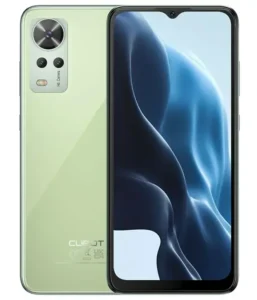
What Makes the Cubot Note 30 Worth Buying?
The Cubot Note 30 arrived in 2022 targeting the essential smartphone segment where practicality matters more than premium features. The removable 4000 mAh battery immediately distinguishes it from the vast majority of contemporary smartphones. Users gain the flexibility to carry spare batteries for extended trips, replace degraded batteries without professional service, or swap in a fresh battery for instant power rather than waiting hours for charging.
Android 12 provides a relatively current operating system for the budget category. Released in late 2021, Android 12 brings modern features, improved privacy controls, and updated security patches. The software remains relevant for everyday use and ensures compatibility with current apps and services. This represents a meaningful upgrade over budget devices stuck on older Android versions.
USB Type-C marks a welcome inclusion at this price point. The reversible connector eliminates the frustration of orientation-specific charging, offers faster data transfer than older microUSB standards, and aligns with modern accessory ecosystems. Many budget phones still cling to microUSB, making the Type-C port a practical advantage for users building modern device collections.
Bluetooth 5.0 brings improved wireless connectivity compared to older versions. The updated standard provides better range, faster data transfer, and improved power efficiency for connected accessories like headphones, speakers, and smartwatches. Dual-band WiFi supporting both 2.4GHz and 5GHz networks ensures optimal connection speeds when faster networks are available.
The 6.52-inch display delivers comfortable viewing for content consumption, navigation, and communication. While not exceptionally sharp, the screen size provides adequate real estate for reading, watching videos, and browsing. The 82.2% screen-to-body ratio maximizes display area relative to the phone’s footprint. Comprehensive positioning support including GPS, GLONASS, GALILEO, and BDS ensures accurate navigation across different regions worldwide.
Things to Know Before Choosing the Cubot Note 30
The display resolution of 720 x 1600 pixels spread across 6.52 inches produces 269 ppi density. This falls short of Full HD sharpness, resulting in softer text and less detailed images compared to higher-resolution screens. Users accustomed to crisp displays notice the difference immediately when reading small text or viewing photos. The IPS LCD panel provides adequate viewing angles but lacks the vibrant colors and deep blacks of AMOLED technology.
Memory configuration sits at the bare minimum for modern usage. The 4GB RAM struggles with heavy multitasking, causing apps to reload frequently when switching between programs. Users keeping multiple apps active simultaneously experience noticeable slowdowns. The 64GB internal storage fills quickly once the operating system and essential apps occupy their space, leaving limited room for photos, videos, and downloaded content.
The shared SIM slot design forces an unwelcome compromise. Users must choose between dual SIM capability or storage expansion via microSD card—they cannot enjoy both simultaneously. Given the limited 64GB internal storage, most users need the microSD slot for media files, which means sacrificing the dual SIM functionality. This design decision particularly frustrates international travelers or users managing multiple phone numbers.
Processing power reflects entry-level positioning. The Mediatek Helio P35 chipset, built on 12nm process technology, handles basic tasks like calling, messaging, and light browsing adequately. However, demanding applications, heavy multitasking, and mobile gaming push the processor to its limits. The PowerVR GE8320 GPU manages only casual games, while graphically intensive titles struggle to maintain playable frame rates.
Camera capabilities remain basic. The 20 MP main sensor captures acceptable photos in good lighting for social media and everyday documentation. The 2 MP macro camera enables close-up shots but produces limited quality. Low-light performance disappoints significantly, and the camera system lacks advanced features like portrait mode, night mode, or sophisticated computational photography. The 8 MP front camera handles video calls and basic selfies without excitement.
The absence of NFC eliminates contactless payment options entirely. Users cannot tap their phone at payment terminals for Google Pay or similar services, cannot use NFC for quick device pairing, and miss other NFC-enabled conveniences. This omission forces users back to physical cards or cash for many transactions, reducing the smartphone’s utility for digital payments.
Is the Cubot Note 30 Right for You?
Budget-conscious buyers seeking essential smartphone functionality at minimal investment find the Note 30 delivers core capabilities without premium pricing. Users who primarily need reliable calling, text messaging, light web browsing, and social media access discover adequate performance for basic communication and connectivity. The phone serves well as a simple communication tool rather than a multimedia powerhouse or gaming device.
The removable battery particularly appeals to specific scenarios. Outdoor enthusiasts, hikers, and campers appreciate carrying spare batteries for extended adventures without electrical access. Field workers spending long hours away from charging infrastructure benefit from instant battery swaps. Users in regions with unreliable electricity find the removable design provides flexibility that sealed phones cannot match. Travelers on long journeys value the ability to hot-swap batteries instead of hunting for charging outlets.
Seniors and first-time smartphone users transitioning from feature phones appreciate the straightforward functionality without overwhelming complexity. The large 6.52-inch screen aids readability for aging eyes, the simple interface reduces learning curves, and the essential feature set avoids confusing extras. Parents considering a first phone for young children find the budget pricing makes accidental damage or loss less financially catastrophic.
Users keeping phones for several years value the removable battery’s longevity benefits. Battery degradation no longer necessitates expensive professional service or device replacement. Simply purchasing a new battery extends the phone’s useful life indefinitely, making it attractive for users who resist frequent upgrades or have limited budgets for device maintenance.
However, numerous user groups should look elsewhere. Mobile gamers need significantly more processing power and better graphics capabilities than the Helio P35 and PowerVR GE8320 provide. Photography enthusiasts require superior camera hardware, computational features, and low-light performance. Heavy app users who constantly multitask between numerous programs will find the 4GB RAM frustratingly inadequate.
Users requiring NFC for contactless payments face a complete dealbreaker. Those wanting sharp Full HD displays for reading or video consumption will notice the 720p resolution’s limitations immediately. Power users expecting smooth performance with demanding apps exceed what the entry-level processor delivers. Anyone needing both dual SIM operation and storage expansion simultaneously confronts an impossible choice.
Best Alternatives to the Cubot Note 30
Several alternatives exist with different trade-offs in the budget segment. The Nokia C21 Plus offers similar pricing with Nokia’s reputation for durability, cleaner software implementation, and better build quality. Samsung’s Galaxy A04 provides the Samsung ecosystem, wider customer service availability, and generally smoother software experiences while maintaining comparable specifications.
The Motorola Moto E32 steps up slightly in price but delivers meaningful improvements including 1080p Full HD display for sharper visuals, more refined software, and generally better overall performance. Motorola’s near-stock Android experience runs cleaner than heavily customized interfaces, and the company’s track record for reliability adds peace of mind.
Xiaomi’s Redmi 10C offers better specifications at competitive pricing. Users gain more RAM for smoother multitasking, improved camera systems with better processing, and faster charging speeds. The Redmi brand consistently delivers strong value propositions in emerging markets, though software includes more pre-installed apps than stock Android implementations.
For users specifically valuing the removable battery feature, options narrow dramatically as manufacturers have largely abandoned this design. Some older Nokia budget models include removable batteries, though finding new stock becomes increasingly difficult. The used market offers previous-generation Samsung J-series or A-series devices with removable batteries, though users sacrifice software updates and modern connectivity features.
Those willing to stretch their budget toward $150-200 unlock substantially better devices. The jump from 4GB to 6GB or 8GB RAM dramatically improves everyday usability and multitasking capability. Better processors, sharper Full HD displays, improved cameras, and features like NFC become standard at this slightly higher price tier. The performance difference between entry-level and lower-midrange devices often justifies the modest price increase.
Cubot Note 30 Frequently Asked Questions
Can I replace the battery on the Cubot Note 30?
Yes, the Cubot Note 30 features a removable 4000 mAh battery, making it one of the few modern smartphones with this design. Users can carry spare batteries for extended use, replace aging batteries without professional help, or instantly swap in a fresh battery instead of waiting for charging. This design choice extends the phone’s lifespan since battery degradation no longer requires replacing the entire device, making it particularly valuable for users who keep phones for several years.
Is 4GB RAM enough on the Cubot Note 30?
The 4GB RAM on the Cubot Note 30 handles basic smartphone tasks adequately but shows limitations with heavy multitasking. Users can run essential apps like messaging, social media, and web browsing without major issues when used one at a time. However, switching between multiple apps often requires reloading, and keeping numerous programs in memory simultaneously causes slowdowns. The RAM capacity works best for users who focus on one task at a time rather than power users who constantly juggle multiple demanding applications.
Does the Cubot Note 30 support dual SIM and microSD simultaneously?
No, the Cubot Note 30 uses a shared SIM slot design, forcing users to choose between dual SIM functionality or storage expansion via microSD card. With only 64GB internal storage, many users will need the microSD slot for photos and media, which means sacrificing the second SIM slot. This hybrid configuration frustrates users wanting both dual SIM operation and expanded storage. Buyers should decide which feature matters more for their needs before purchasing.
What are the main advantages of the Cubot Note 30?
The Cubot Note 30 offers several practical advantages for budget-conscious buyers. The removable 4000 mAh battery stands out as increasingly rare in modern smartphones. Android 12 provides relatively recent software with current features and security updates. USB Type-C offers convenient reversible charging, while Bluetooth 5.0 ensures modern wireless connectivity. Dual-band WiFi supports both 2.4GHz and 5GHz networks for better connection options. The 6.52-inch display provides comfortable viewing, and the quad-positioning system ensures accurate navigation.
Does the Cubot Note 30 have NFC for contactless payments?
No, the Cubot Note 30 does not include NFC support, which means contactless payment services like Google Pay are unavailable. Users cannot tap their phone at payment terminals or use NFC for quick device pairing. This omission is common in budget smartphones as manufacturers cut costs, but it eliminates a convenient feature many users have come to expect. Those requiring contactless payments should consider alternatives with NFC support.