
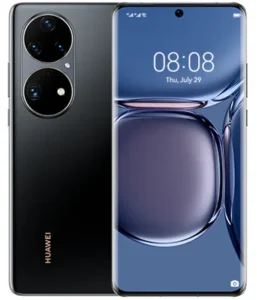
Huawei P50 Pro Overview, Features, and Buying Guide
The Huawei P50 Pro arrived in August 2021 as a flagship smartphone showcasing exceptional camera engineering and premium craftsmanship. Developed in partnership with Leica, this device targets photography enthusiasts and users seeking cutting-edge imaging capabilities alongside smooth performance. The phone’s striking quad-camera system, vibrant 120Hz OLED display, and refined design language create a compelling proposition despite facing unique software challenges in global markets.
Huawei’s collaboration with Leica reaches new heights with the P50 Pro’s innovative four-camera array. The 50MP primary sensor anchors the system with optical image stabilization for steady shots. A 64MP periscope telephoto camera delivers 3.5x optical zoom and an impressive 7x lossless zoom, capturing distant subjects with remarkable clarity. The 13MP ultrawide lens with autofocus handles expansive scenes and close-up macro work, while a unique 40MP monochrome sensor adds depth and tonal range to images. This combination produces photos with exceptional detail and artistic character.
The 6.6-inch OLED screen dominates the front with its 120Hz refresh rate and support for 1 billion colors. Scrolling through apps feels silky smooth, while gaming and video playback benefit from the fluid motion. The resolution of 1228 x 2700 pixels translates to 450 ppi, ensuring text appears crisp and images look sharp. Occupying 91.2% of the front surface, the display maximizes viewing area while maintaining comfortable one-handed usability.
Performance comes from two chipset options depending on the region—either the Kirin 9000 built on a 5nm process or the Snapdragon 888 4G variant. Both processors handle demanding applications smoothly, from intensive gaming to professional photo editing. The Mali-G78 MP24 or Adreno 660 GPU handles graphics-heavy tasks capably. Storage configurations range from 128GB to 512GB paired with either 8GB or 12GB RAM, providing ample space for photos, videos, and applications.
Charging technology impresses with 66W wired capability that rapidly fills the 4360mAh battery. Wireless charging reaches 50W—among the fastest wireless implementations available—while reverse wireless charging lets the P50 Pro power up compatible devices. The IP68 rating ensures protection against dust and water immersion up to 1.5 meters for 30 minutes, providing peace of mind during outdoor adventures or accidental spills.
What Makes the Huawei P50 Pro Worth Buying?
The camera system stands as the P50 Pro’s defining achievement. Leica’s optical expertise combined with Huawei’s computational photography creates images that rival dedicated cameras in many scenarios. The 50MP main sensor captures extraordinary detail across various lighting conditions. That dedicated 40MP monochrome sensor isn’t just a specification checkbox—it genuinely enhances image quality by providing superior tonal information and improved low-light performance when combined with the color sensor.
Zoom capabilities exceed most competitors. The 64MP periscope telephoto lens provides genuine 3.5x optical zoom without quality degradation, while the 7x lossless zoom maintains impressive sharpness. Wildlife photographers, sports enthusiasts, and anyone needing to capture distant subjects will appreciate this reach. Optical image stabilization on both the main camera and telephoto lens ensures sharp results even when shooting handheld at maximum zoom.
The ultrawide camera’s autofocus functionality separates it from typical implementations. Most ultrawide lenses can’t focus on nearby objects, but the P50 Pro’s 13MP ultrawide handles macro photography effectively. This versatility means switching between sweeping landscapes and extreme close-ups of flowers or insects without changing lenses or phones.
Video recording reaches professional standards with 4K at 60fps from the rear cameras and gyro-EIS stabilization smoothing handheld footage. The front camera matches this capability, recording 4K at 30fps for high-quality vlogs and video calls. Slow-motion recording at 1080p and 960fps freezes fast action dramatically, while 240fps at 1080p from the selfie camera enables creative front-facing slow-motion captures.
Build quality exudes premium craftsmanship. Glass front and back panels sandwich an aluminum frame, creating a device that feels substantial yet refined in hand. At 195g, the phone maintains comfortable handling despite its large screen and robust feature set. The curved edges and thoughtful design details showcase Huawei’s attention to aesthetic refinement.
The 120Hz OLED display delivers smoothness that transforms everyday interactions. Scrolling social media feeds, browsing web pages, and navigating menus feel exceptionally responsive. The billion-color support ensures accurate color reproduction for photos and videos, while the high pixel density makes text reading comfortable for extended periods.
Stereo speakers provide spatial audio separation that enhances media consumption. Movies, music, and games benefit from the dimensional soundstage created by dual speakers. While the phone lacks a 3.5mm headphone jack, USB-C audio maintains quality for wired listening.
Things to Know Before Choosing the Huawei P50 Pro
The absence of Google Play Services represents the most critical consideration for international buyers. The P50 Pro runs HarmonyOS 2.0 in China or EMUI 14.2 in Europe, but neither includes Google apps or services. Users lose access to Gmail, Google Maps, YouTube, Google Photos, and the Play Store itself. While Huawei’s AppGallery has expanded substantially, gaps remain compared to Google’s ecosystem.
Many popular applications either don’t exist on AppGallery or require workarounds to install. Banking apps frequently refuse to function without Google Play Services due to security requirements. Productivity tools, social media platforms, and specialized apps may lack feature parity with their Google Play versions. Users must invest time finding alternatives or implementing technical workarounds that carry potential security implications.
The chipset variants lack 5G connectivity—both the Kirin 9000 and Snapdragon 888 versions in the P50 Pro support only 4G LTE. This limitation seems puzzling for a flagship device launched in 2021, especially since the Kirin 9000 includes 5G capabilities in other devices. Users planning to keep the phone for several years should consider whether 4G-only connectivity will meet future needs as 5G networks expand globally.
Software update outlook presents uncertainty. HarmonyOS and EMUI receive updates, but the trajectory differs from manufacturers with guaranteed multi-year Android version support. Security patches continue regularly, but major feature updates and long-term software support remain less predictable compared to Samsung’s or Google’s clear update policies.
Battery capacity at 4360mAh, while adequate, doesn’t match larger competitors approaching or exceeding 5000mAh. Heavy users running the 120Hz display continuously, gaming extensively, or shooting lots of photos and videos may find themselves charging before day’s end. The excellent fast charging compensates somewhat, but all-day endurance under intensive use requires conscious battery management.
The curved display edges create visual elegance but introduce practical compromises. Accidental touch inputs occasionally occur when gripping the phone. Screen protectors become more challenging to apply perfectly, and replacement costs run higher than flat screens. Some users find the curved edges distracting when viewing full-screen content.
Gaming performance, while strong, doesn’t quite reach the absolute peak of Snapdragon 888 5G devices or competing flagships with better thermal management. Extended gaming sessions may experience thermal throttling that reduces frame rates. Competitive mobile gamers seeking maximum sustained performance might notice occasional dips during demanding titles.
Is the Huawei P50 Pro Right for You?
Photography enthusiasts willing to navigate ecosystem limitations will find exceptional value. The Leica quad-camera system produces images with character and technical excellence that few smartphones match. Landscape photographers appreciate the versatile focal length range, portrait shooters enjoy the natural depth effects, and zoom lovers get genuine reach without sacrificing quality. The dedicated monochrome sensor enables creative black-and-white photography that rivals traditional film aesthetics.
Content creators working outside Google’s ecosystem can leverage the outstanding video capabilities. The 4K60 recording from front and rear cameras maintains quality for vlogs, interviews, and cinematic footage. Slow-motion features add creative possibilities, while gyro-stabilization reduces dependence on gimbals. Creators already using alternative platforms for uploading and editing will transition more smoothly than those embedded in Google Photos or YouTube workflows.
Users comfortable with technical workarounds or those in regions where Google services aren’t standard can navigate the software limitations successfully. Chinese market users experience HarmonyOS as intended, while European buyers familiar with alternative app ecosystems can establish functional workflows. International travelers should verify their critical apps function on AppGallery or through web interfaces before committing.
Business professionals whose work relies on specific productivity suites should audit their application requirements carefully. Email, calendar, and document editing work fine through alternatives like Microsoft Office, Outlook, or web-based solutions. Video conferencing apps exist on AppGallery, though selection varies. Corporate environments mandating particular security or compliance tools must verify compatibility before deployment.
The P50 Pro struggles serving users deeply invested in Google’s ecosystem. YouTube Premium subscribers, Google One members, Gmail-dependent professionals, and Google Photos users face constant friction working around service absences. Families sharing Google calendars, utilizing Google Home devices, or relying on Chromecasts for entertainment will encounter integration headaches.
Casual smartphone users seeking simplicity should consider carefully. The device requires more setup effort, app hunting, and troubleshooting than typical Android phones. Users wanting to simply download any app from a familiar app store and have everything work seamlessly will find the experience frustrating.
Gamers prioritizing absolute peak performance across all titles might want alternatives with better sustained gaming performance and 5G connectivity. While the P50 Pro handles most games well, dedicated gaming phones or flagships with better cooling systems provide more consistent frame rates during marathon sessions.
Best Alternatives to the Huawei P50 Pro
The Samsung Galaxy S21 Ultra offers comparable camera versatility with 108MP resolution, 10x optical zoom, and full Google services integration. The larger sensor and more extreme zoom provide different imaging approaches, while software support and ecosystem compatibility remain straightforward.
Xiaomi Mi 11 Ultra delivers flagship specifications with Snapdragon 888 5G, an enormous camera sensor, and complete Google integration. Camera performance approaches the P50 Pro in many scenarios while maintaining 5G connectivity and conventional software experience at competitive pricing.
OnePlus 9 Pro, developed in partnership with Hasselblad, provides excellent cameras with guaranteed software updates and clean OxygenOS experience. While it can’t quite match the P50 Pro’s zoom capabilities, it offers stellar performance and seamless Google integration.
The iPhone 13 Pro represents Apple’s ecosystem alternative with exceptional camera quality, guaranteed long-term support, and seamless service integration. Users willing to switch operating systems gain reliability and longevity, though they sacrifice Android’s customization flexibility and file management freedom.
Huawei P50 Pro Frequently Asked Questions
Does the Huawei P50 Pro work with Google apps?
The Huawei P50 Pro does not include Google Play Services and cannot officially run Google applications. Trade restrictions prevent Huawei from licensing Google services, meaning the phone ships with either HarmonyOS 2.0 or EMUI 14.2 depending on the region, but neither includes the Play Store, Gmail, Google Maps, YouTube, or other Google apps. Huawei’s AppGallery serves as the official app store. While unofficial workarounds and sideloading methods exist online, these violate Google’s terms of service, present security risks, and may stop working after system updates. Banking apps and applications requiring Google Play Services for authentication typically won’t function even with workarounds.
Why doesn’t the P50 Pro have 5G when it’s a flagship phone?
Despite being a flagship device launched in 2021, the Huawei P50 Pro supports only 4G LTE connectivity, not 5G. This limitation exists across both chipset variants—the Kirin 9000 and Snapdragon 888 4G versions included in different regional models. The restriction stems from trade sanctions and component supply challenges Huawei faced during development. While the Kirin 9000 chipset includes 5G capabilities in other devices, the P50 Pro implementation disables this functionality. Users should consider whether 4G-only connectivity meets their long-term needs, especially as 5G networks continue expanding globally and applications begin leveraging faster speeds.
How good is the camera system compared to other flagship phones?
The Huawei P50 Pro’s camera system ranks among the best smartphone cameras ever produced. The Leica partnership delivers exceptional optical quality and distinctive image processing. The 50MP main sensor captures remarkable detail across lighting conditions, while the unique 40MP dedicated monochrome sensor provides superior tonal information that enhances overall image quality—something most competitors lack entirely. The 64MP periscope telephoto achieves genuine 3.5x optical zoom and maintains impressive quality at 7x lossless zoom, surpassing many flagships. The ultrawide camera’s autofocus enables true macro photography. Video capabilities including 4K60fps and excellent stabilization rival professional cameras. Low-light performance particularly impresses, with the large sensors and advanced computational photography producing clean nighttime shots.
Is the phone waterproof and safe to use in the rain?
The Huawei P50 Pro carries an IP68 rating, certifying it as dust-tight and water-resistant up to 1.5 meters depth for 30 minutes. This protection handles accidental drops in water, heavy rain exposure, poolside usage, and everyday splashes without damage. However, IP68 doesn’t mean “waterproof” in the sense of being suitable for swimming or underwater photography. Users shouldn’t deliberately submerge the phone for extended periods or take it into the ocean. Water resistance can degrade over time through normal wear, dropped impacts, or aging seals, and water damage typically isn’t covered under warranty despite the IP rating. The certification protects against accidents but doesn’t encourage intentional water exposure.
How fast does the battery charge and how long does it last?
The 4360mAh battery typically provides a full day of moderate use, though intensive activities like continuous camera work, gaming, or streaming with the 120Hz display active may require charging before evening. The 66W wired fast charging significantly reduces downtime—the phone can reach approximately 70% capacity in about 30 minutes and fully charge in under an hour. The 50W wireless charging stands among the fastest wireless implementations available, offering convenient cable-free charging that approaches wired speeds. Reverse wireless charging allows the P50 Pro to charge other compatible devices like wireless earbuds or smartwatches. Battery life varies considerably based on usage patterns—the 120Hz display and powerful processors consume energy noticeably under heavy use.