
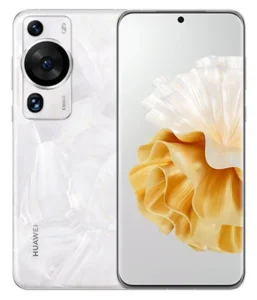
Huawei P60 Pro Overview, Features, and Buying Guide
The Huawei P60 Pro launched in March 2023 as a premium flagship showcasing innovative camera technology and blazing-fast charging speeds. This device targets photography enthusiasts and power users seeking cutting-edge features alongside refined craftsmanship. The phone’s variable aperture camera system, impressive 88W wired charging, and distinctive Kunlun Glass protection create a standout proposition in the flagship market, though software considerations remain important for international buyers.
Camera innovation defines the P60 Pro’s identity. The 48MP main sensor features a remarkable variable aperture ranging from f/1.4 to f/4.0, allowing precise control over depth of field and light intake. This adjustable aperture mimics professional camera capabilities rarely seen in smartphones. A 48MP telephoto camera with sensor-shift OIS delivers 3.5x optical zoom with exceptional stability, while a 13MP ultrawide lens with autofocus handles expansive landscapes and close-up macro shots. Together, these cameras provide comprehensive focal length coverage for any photographic scenario.
The 6.67-inch LTPO OLED display captivates with its 120Hz adaptive refresh rate and support for 1 billion colors. LTPO technology adjusts refresh rates dynamically based on content, conserving battery during static viewing while delivering smoothness when needed. The resolution of 1220 x 2700 pixels translates to 444 ppi density, ensuring text remains crisp and images appear sharp. Kunlun Glass protection adds durability beyond standard Gorilla Glass alternatives, providing enhanced resistance against scratches and drops.
Performance comes from the Snapdragon 8+ Gen 1 4G chipset built on a 4nm process. This octa-core processor balances high-performance Cortex-X2 cores with efficient A510 cores for demanding applications and routine tasks. The Adreno 730 GPU handles graphics-intensive games and video editing smoothly. Storage options include 256GB or 512GB paired with either 8GB or 12GB RAM, all utilizing fast UFS technology for quick app launches and file transfers.
Charging technology impresses with 88W wired capability—among the fastest available when launched. This extreme charging speed fills the 4815mAh battery remarkably quickly, minimizing downtime between charges. The 50W wireless charging offers convenience without cables, while reverse wireless charging transforms the P60 Pro into a power bank for compatible devices. IP68 water resistance provides protection against dust and water immersion up to 1.5 meters for 30 minutes.
What Makes the Huawei P60 Pro Worth Buying?
The variable aperture camera system represents genuine innovation in smartphone photography. The ability to adjust between f/1.4 and f/4.0 provides creative control previously limited to professional cameras. Wide apertures at f/1.4 gather maximum light for low-light scenarios and create beautiful background blur for portraits. Stopping down to f/4.0 increases depth of field for landscape shots where foreground and background sharpness matter. This flexibility elevates photographic possibilities beyond fixed-aperture smartphones.
Sensor-shift optical image stabilization on the telephoto camera surpasses traditional OIS implementations. Unlike lens-based stabilization, sensor-shift moves the entire image sensor to counteract movement, providing superior stability for handheld zoom photography and video recording. Combined with 3.5x optical zoom, the telephoto lens captures distant subjects with remarkable clarity and minimal blur—ideal for wildlife, sports, and architectural photography.
The 88W wired charging stands among the fastest in the industry. Users can charge from empty to full in approximately 30-35 minutes, eliminating the anxiety of low battery warnings. Quick top-ups during short breaks provide substantial battery gains. This charging speed makes the phone practical for users who forget to charge overnight or need rapid power boosts between intensive usage sessions.
Kunlun Glass protection offers enhanced durability compared to conventional screen materials. This specialized glass formulation provides superior drop protection and scratch resistance, reducing the likelihood of screen damage from everyday mishaps. Users can feel more confident carrying the phone without a screen protector, enjoying the glass’s premium feel and smooth touch response.
The LTPO OLED display’s adaptive refresh rate technology balances performance with efficiency. The screen dynamically adjusts between lower refresh rates for static content like reading articles and maximum 120Hz for scrolling or gaming. This intelligent adjustment conserves battery life compared to fixed 120Hz displays while maintaining smoothness when it matters. The billion-color support ensures accurate color reproduction for photos and videos.
Video recording capabilities reach professional standards with 4K at 60fps and HDR Vivid support. HDR Vivid enhances dynamic range in videos, preserving detail in bright highlights and dark shadows simultaneously. Gyro-EIS stabilization smooths handheld footage effectively. Slow-motion recording at 1080p and 960fps enables creative super-slow-motion captures. The front camera matches rear video quality with 4K60 recording and HDR Vivid for exceptional vlog quality.
Stereo speakers provide dimensional audio separation that enhances media consumption. Movies, music, and games benefit from the spatial soundstage created by dual speakers positioned for optimal stereo imaging.
Things to Know Before Choosing the Huawei P60 Pro
The absence of Google Play Services represents the most significant limitation for international buyers. The P60 Pro runs HarmonyOS 3.1 in China or EMUI 13.1 in Europe, neither of which includes Google apps or services. Gmail, Google Maps, YouTube, Google Photos, and the Play Store remain inaccessible through official channels. Huawei’s AppGallery has expanded considerably, but gaps persist compared to Google’s comprehensive ecosystem.
Banking applications frequently refuse to function without Google Play Services due to security and authentication requirements. Popular productivity tools, social media platforms, and specialized applications may lack AppGallery versions or require technical workarounds carrying potential security risks. Users must invest time identifying alternatives or implementing solutions that may stop working after system updates.
The chipset lacks 5G connectivity despite being a 2023 flagship. The Snapdragon 8+ Gen 1 4G variant supports only LTE networks, limiting future-proofing as 5G infrastructure expands globally. Users planning to keep the device for multiple years should consider whether 4G-only connectivity meets long-term needs, especially as carriers begin prioritizing 5G networks and applications leverage faster speeds.
BDS Satellite Messaging functionality works exclusively in China. This emergency communication feature—allowing text messages via satellite when cellular networks are unavailable—provides valuable safety capability for Chinese users but offers no benefit in other regions. International buyers shouldn’t factor this feature into purchasing decisions.
Battery capacity at 4815mAh, while respectable, doesn’t match competitors exceeding 5000mAh. The LTPO display’s adaptive refresh helps conserve power, but intensive users gaming extensively, recording lots of video, or using the camera system heavily may need charging before day’s end. The exceptional 88W fast charging compensates somewhat, but all-day endurance under intensive use requires battery management awareness.
Software update trajectory presents uncertainty compared to manufacturers offering guaranteed multi-year support commitments. HarmonyOS and EMUI receive updates, but the roadmap differs from Samsung’s or Google’s clear update policies. Security patches continue regularly, though major feature updates and long-term support remain less predictable.
The Nano Memory card slot requires proprietary Huawei memory cards rather than standard microSD cards. These specialized cards cost more and offer less widespread availability than microSD alternatives. Users seeking storage expansion must source Nano Memory cards specifically, limiting flexibility and potentially increasing costs.
Is the Huawei P60 Pro Right for You?
Photography enthusiasts willing to navigate ecosystem challenges will find exceptional value. The variable aperture system enables creative control unavailable in most smartphones. Landscape photographers benefit from the adjustable depth of field, portrait shooters enjoy natural background separation, and low-light photographers appreciate the f/1.4 light-gathering capability. The sensor-shift stabilized telephoto lens captures distant subjects with professional-grade stability.
Content creators working outside Google’s ecosystem can leverage outstanding video capabilities. The 4K60 HDR Vivid recording from front and rear cameras maintains exceptional quality for vlogs, interviews, and cinematic footage. Gyro-stabilized video reduces gimbal dependence. Slow-motion features add creative possibilities. Creators already using alternative platforms for uploading and editing will transition more smoothly than those embedded in YouTube workflows.
Users in regions where Google services aren’t standard—particularly the Chinese market—experience the phone as intended. HarmonyOS 3.1 provides a complete ecosystem when paired with Huawei’s services. International buyers comfortable with technical workarounds or already using alternative app ecosystems can establish functional workflows, though this requires realistic expectations and time investment.
Power users prioritizing charging speed above all else will appreciate the 88W wired capability. The ability to fully charge in 30-35 minutes suits busy lifestyles where overnight charging isn’t always feasible. Quick charging sessions during commutes, lunch breaks, or short downtime provide substantial battery gains.
Business professionals whose applications exist on AppGallery or function through web interfaces can operate effectively. Email through Outlook or alternative clients, document editing via Microsoft Office or WPS, and video conferencing through available apps maintain productivity. Corporate environments should verify critical application compatibility before deployment.
The P60 Pro struggles serving users deeply invested in Google’s ecosystem. YouTube Premium subscribers, Google One storage users, Gmail-dependent professionals, Google Photos backup users, and families managing shared Google calendars face constant friction. Casual users wanting straightforward app access without troubleshooting will find the experience frustrating compared to conventional Android devices.
Gamers seeking cutting-edge performance might prefer devices with 5G connectivity and more robust cooling systems. While the Snapdragon 8+ Gen 1 handles most titles well, competitive mobile gamers wanting absolute sustained performance and future-proof connectivity should explore alternatives.
Best Alternatives to the Huawei P60 Pro
The Samsung Galaxy S23 Ultra offers comparable camera versatility with 200MP resolution, 10x optical zoom, and full Google services integration. The larger sensor and more extreme zoom provide different imaging approaches while maintaining conventional software experience and guaranteed update support.
Xiaomi 13 Pro delivers flagship specifications with Snapdragon 8 Gen 2, Leica-tuned cameras, and complete Google integration. Camera performance approaches the P60 Pro in many scenarios while offering 5G connectivity, faster charging at 120W, and straightforward ecosystem compatibility.
The Vivo X90 Pro provides exceptional camera quality through Zeiss partnership, powerful performance, and Google services support. While lacking variable aperture, it offers strong photographic capabilities with conventional software experience and broader app availability.
OnePlus 11 combines flagship Snapdragon 8 Gen 2 performance with Hasselblad camera collaboration and clean OxygenOS experience. The phone delivers excellent value with guaranteed software updates, 5G support, and 100W fast charging at competitive pricing.
Huawei P60 Pro Frequently Asked Questions
Can I use Google apps on the Huawei P60 Pro?
The Huawei P60 Pro does not include Google Play Services and cannot officially run Google applications. The phone ships with HarmonyOS 3.1 in China or EMUI 13.1 in Europe, neither of which provides access to the Play Store, Gmail, Google Maps, YouTube, or other Google services. Huawei’s AppGallery serves as the official app store. While unofficial workarounds and sideloading methods circulate online, these violate Google’s terms of service, create security vulnerabilities, and may cease functioning after system updates. Banking applications and services requiring Google Play Services for authentication typically won’t work even with workarounds. Users should thoroughly research alternative apps for their essential services before purchasing.
What makes the variable aperture camera special?
The P60 Pro’s 48MP main camera features a variable aperture adjustable between f/1.4 and f/4.0, providing creative control rarely available in smartphones. At f/1.4, the wide aperture gathers maximum light for superior low-light photography and creates beautiful background blur for portrait shots with natural depth separation. Stopping down to f/4.0 increases depth of field, keeping both foreground and background sharp—ideal for landscape photography where extensive focus range matters. This flexibility mimics professional camera capabilities, allowing photographers to adapt aperture to specific shooting scenarios rather than relying solely on computational effects. The adjustable aperture delivers genuine optical control over depth of field and exposure.
Why doesn’t the P60 Pro have 5G connectivity?
Despite launching in 2023 as a flagship device, the Huawei P60 Pro supports only 4G LTE connectivity through its Snapdragon 8+ Gen 1 4G chipset variant. This limitation stems from trade restrictions and component supply challenges affecting Huawei’s access to 5G technology. While the standard Snapdragon 8+ Gen 1 includes 5G capabilities, Huawei’s implementation uses a modified 4G-only version. Users should carefully consider whether 4G-only connectivity meets their long-term needs, particularly as 5G networks expand globally, carriers begin prioritizing 5G infrastructure, and applications increasingly leverage faster 5G speeds for enhanced features.
How fast is the 88W charging and what does it mean for daily use?
The P60 Pro’s 88W wired fast charging ranks among the fastest available, capable of charging the 4815mAh battery from empty to full in approximately 30-35 minutes. In practical daily use, this means a 15-minute charge during breakfast can provide 50-60% battery capacity, easily lasting through a workday. The extreme charging speed eliminates overnight charging necessity and reduces battery anxiety—users who forget to charge can quickly recover substantial battery during short breaks. The 50W wireless charging offers convenient cable-free charging that remains faster than most competitors’ wired solutions. Reverse wireless charging allows the P60 Pro to charge compatible devices like wireless earbuds or smartwatches.
Is the Kunlun Glass screen protection better than regular Gorilla Glass?
Kunlun Glass represents Huawei’s proprietary screen protection technology designed to exceed conventional Gorilla Glass durability. The specialized glass formulation provides enhanced drop protection and superior scratch resistance compared to standard smartphone glass. In practical terms, the screen withstands everyday impacts, accidental drops, and contact with keys or coins in pockets better than typical flagship phones. While no screen protection makes phones completely indestructible, Kunlun Glass reduces the likelihood of cracked screens from common drop heights and everyday wear. Users may feel more comfortable using the phone without additional screen protectors, enjoying the premium glass feel and unobstructed touch response, though protection levels depend on specific impact angles and surfaces.