Why Buy the iPhone 12?
The iPhone 12 represents a significant leap forward in Apple’s smartphone evolution, bringing 5G connectivity to the masses wrapped in a refined design. At its heart sits the A14 Bionic chip, built on a cutting-edge 5 nm process that delivers exceptional performance while maintaining impressive efficiency. This powerhouse handles everything from intensive gaming sessions to professional-grade video editing without breaking a sweat.
Apple’s commitment to display quality shines through the 6.1-inch Super Retina XDR OLED screen. With HDR10 and Dolby Vision support, content springs to life with vibrant colors and deep blacks. The 625 nits of typical brightness ensures excellent outdoor visibility, while peak brightness reaches 1200 nits for HDR content. Protected by Ceramic Shield glass, this display offers four times better drop performance than previous generations.
Photography enthusiasts will appreciate the dual 12MP camera system that punches well above its megapixel count. The wide camera features a fast f/1.6 aperture and optical image stabilization, capturing stunning low-light shots with minimal blur. Paired with the 120-degree ultrawide lens, users can frame expansive landscapes or tight interior spaces with ease. Video capabilities are equally impressive, supporting 4K recording at up to 60fps with Dolby Vision HDR processing.
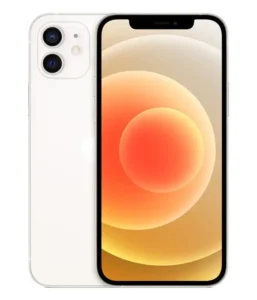
The shift to a flat-edge design gives the iPhone 12 a premium feel that’s both nostalgic and modern. Glass front and back panels sandwich an aerospace-grade aluminum frame, creating a device that feels solid yet surprisingly light at just 164 grams. IP68 water resistance provides peace of mind, protecting against submersion up to 6 meters for 30 minutes.
Key Considerations Before Buying the iPhone 12
Storage capacity requires careful thought since there’s no expandable memory option. The iPhone 12 comes in 64GB, 128GB, and 256GB variants, all paired with 4GB of RAM. Heavy media consumers or mobile gamers should seriously consider skipping the base 64GB model, as modern apps and high-resolution photos quickly consume available space.
Battery life is respectable but not exceptional by modern standards. The 2815 mAh cell achieves an endurance rating of 84 hours in mixed usage scenarios. Real-world performance typically delivers a full day of moderate use, though power users might need a top-up before evening. The 50% charge in 30 minutes via wired charging helps, and MagSafe wireless charging at 15W offers convenient cable-free power delivery.
Apple’s ecosystem integration is both a strength and consideration. iMessage, FaceTime, and seamless continuity with other Apple devices create a cohesive experience that’s hard to replicate elsewhere. However, this tight integration means switching away from Apple products later becomes more challenging. The Lightning port remains instead of the now-standard USB-C, requiring specific cables and accessories.
The absence of a 3.5mm headphone jack continues with this model. Users will need wireless earbuds, Lightning-connected headphones, or an adapter for traditional wired audio gear. While this pushed many toward excellent wireless options like AirPods, it’s an adjustment for those with beloved wired headphones.
Face ID serves as the sole biometric authentication method since there’s no fingerprint sensor. The system works remarkably well in most situations, using advanced 3D facial mapping for secure unlocking. Mask-wearing scenarios presented initial challenges, though later iOS updates added workarounds for users with Apple Watches.
Who Should Consider the iPhone 12?
First-time iPhone buyers seeking a balanced device will find the iPhone 12 hits the sweet spot between features and affordability. It delivers flagship-level performance and cameras without the premium pricing of Pro models. The 6.1-inch screen size appeals to those wanting substantial display real estate without venturing into unwieldy territory.
Photography hobbyists gain access to computational photography features that rival dedicated cameras in many situations. Night mode, Deep Fusion, and Smart HDR 3 work behind the scenes to optimize every shot. The ability to shoot Dolby Vision HDR video directly on the device opens creative possibilities previously requiring professional equipment.
Users embedded in Apple’s ecosystem benefit from tight integration across devices. Handoff features let you start tasks on iPhone and seamlessly continue on iPad or Mac. AirDrop simplifies file sharing, while iCloud keeps photos, documents, and settings synchronized. The long software support lifecycle means iOS updates will arrive for years, maintaining security and adding features.
5G early adopters can take advantage of next-generation network speeds where available. While 5G coverage continues expanding, having future-proof connectivity ensures the device won’t feel outdated as networks mature. Download speeds can reach levels previously reserved for home broadband, transforming mobile experiences.
Content creators working on-the-go appreciate the powerful A14 Bionic chip that handles demanding apps smoothly. Video editors can scrub through 4K timelines without lag, while photographers process RAW files with desktop-class apps. The quality stereo speakers enhance media consumption, delivering clear audio for video calls and entertainment.
Alternatives to the iPhone 12
Samsung Galaxy S21 offers comparable flagship performance with Android flexibility. Its triple camera system adds telephoto capabilities, though color science differs from Apple’s approach. The larger battery and faster 25W charging provide advantages in endurance.
Google Pixel 5 emphasizes photography through computational excellence. While hardware specs appear modest, Google’s processing algorithms extract remarkable detail and dynamic range. Pure Android experience appeals to those preferring minimal interface modifications.
iPhone 11 remains a budget-conscious alternative for those willing to sacrifice 5G and the newer design. It shares the same excellent camera system, though lacks the A14 Bionic’s processing power and Ceramic Shield protection.
iPhone 12 Pro steps up with additional camera features including a telephoto lens and LiDAR scanner. The stainless steel frame and additional storage options justify the price premium for professionals demanding maximum capability.
iPhone 12 Frequently Asked Questions
Does the iPhone 12 support 5G networks?
Yes, the iPhone 12 fully supports 5G connectivity across GSM, CDMA, HSPA, EVDO, LTE, and 5G network technologies. It works with both sub-6GHz and mmWave 5G frequencies depending on your region and carrier. The modem automatically switches between 4G and 5G based on availability and battery optimization settings, ensuring you get the fastest possible speeds without unnecessary battery drain. When connected to 5G networks with strong coverage, you’ll experience significantly faster download and upload speeds compared to LTE.
Can the iPhone 12 survive water exposure?
The iPhone 12 carries an IP68 rating, meaning it’s completely dust-tight and can withstand immersion in water up to 6 meters deep for 30 minutes. This protection covers accidental drops in pools, toilets, or getting caught in rain. However, Apple doesn’t cover liquid damage under warranty, and water resistance can diminish over time with normal wear. You should avoid exposing the device to pressurized water, hot liquids, or corrosive substances. After water exposure, allow the Lightning port to dry completely before charging.
What charging options work with the iPhone 12?
The iPhone 12 supports multiple charging methods for flexibility. Wired charging uses the Lightning connector with Power Delivery 2.0 protocol, achieving 50% charge in approximately 30 minutes with a 20W or higher adapter. MagSafe wireless charging delivers up to 15W when using Apple’s MagSafe charger, with magnets ensuring perfect alignment. Standard Qi2 wireless charging reaches 15W with iOS 17.4 or later installed. The device also supports reverse wired charging accessories. Apple no longer includes a power adapter in the box, so you’ll need to use an existing adapter or purchase one separately.
How much storage should I choose for the iPhone 12?
Storage selection depends entirely on your usage patterns. The 64GB base model suits light users who primarily stream content, use cloud storage, and don’t capture extensive photos or videos. However, this capacity fills quickly with offline music, downloaded shows, and games. The 128GB middle tier offers comfortable breathing room for most users, accommodating moderate photo libraries and several large apps. Power users, mobile photographers shooting in RAW, or those recording significant 4K video should opt for 256GB to avoid constant storage management. Remember that the actual available storage is less than advertised due to the operating system.
Does the iPhone 12 work with existing iPhone accessories?
The iPhone 12 maintains compatibility with most Lightning accessories from previous iPhone generations, including charging cables and audio adapters. However, older cases won’t fit due to the redesigned flat-edge body and slightly different dimensions. MagSafe represents a new accessory ecosystem, with magnetic wallets, chargers, and mounts designed specifically for iPhone 12 and newer models. Standard Qi wireless chargers continue working, though without MagSafe’s magnetic alignment feature. AirPods and other Bluetooth accessories pair seamlessly regardless of generation. CarPlay functionality remains unchanged for existing vehicle integration.