Why Buy the iPhone 14?
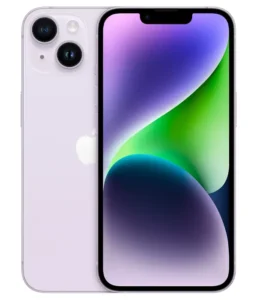
The iPhone 14 strikes a compelling balance between performance and practicality. Apple’s A15 Bionic chip delivers desktop-class power in a pocket-sized device, handling everything from intensive gaming sessions to professional photo editing without breaking a sweat. The 6.1-inch Super Retina XDR OLED screen brings content to life with vibrant colors and deep blacks, while reaching 1200 nits of peak brightness—making it readable even under direct sunlight.
Photography enthusiasts will appreciate the dual 12MP camera system. The main sensor features sensor-shift optical image stabilization, a technology previously reserved for professional cameras, ensuring sharp shots even in challenging conditions. Paired with the ultrawide lens, users can capture everything from sweeping landscapes to detailed close-ups. The Ceramic Shield glass front provides superior drop protection compared to previous generations.
Apple’s ecosystem integration remains unmatched. Features like Face ID work seamlessly, Apple Pay is accepted worldwide, and the device receives regular iOS updates—currently supporting iOS 18.2. The IP68 rating means the phone can survive accidental drops in water up to 6 meters for 30 minutes, providing peace of mind for everyday use.
Key Considerations Before Buying the iPhone 14
Storage options deserve careful thought since there’s no expandable memory. The base 128GB model works for casual users, but those who shoot lots of 4K video or download large apps should consider the 256GB or 512GB variants. Unlike Android devices, iPhones don’t support microSD cards, so choose wisely upfront.
The Lightning port might frustrate some users. While newer iPhone models have transitioned to USB-C, the iPhone 14 still uses Apple’s proprietary connector with USB 2.0 speeds. File transfers move slower than modern standards, and you’ll need specific cables that won’t work with other devices in your household.
Battery capacity sits at 3279 mAh, which sounds modest compared to many Android competitors sporting 5000+ mAh batteries. However, iOS optimization means the phone achieves an impressive 90-hour endurance rating in real-world testing. Charging speeds reach 50% in 30 minutes with a compatible 20W adapter (sold separately), and MagSafe wireless charging tops out at 15W.
The lack of a telephoto lens means digital zoom doesn’t match what competitors offer. For users who frequently photograph distant subjects, this limitation becomes noticeable. The phone also skips a 3.5mm headphone jack, requiring wireless earbuds or a Lightning adapter for wired audio.
Who Should Consider the iPhone 14?
First-time iPhone buyers will find this model hits a sweet spot. It offers flagship features without the premium price tag of Pro models, making it an excellent entry point into Apple’s ecosystem. Students and young professionals particularly benefit from the robust performance that handles multitasking, video calls, and content creation with ease.
Content creators working primarily with social media will love the camera capabilities. Both front and rear cameras shoot 4K video at up to 60fps with Dolby Vision HDR, producing cinema-grade footage straight from the phone. The stereo sound recording captures clear audio, eliminating the need for external microphones for casual projects.
Families prioritizing durability should take note. The combination of Ceramic Shield glass, aluminum frame, and IP68 water resistance means this phone withstands the rigors of daily family life. Emergency SOS via satellite adds an extra safety layer for outdoor adventures or travel to remote areas.
Business users already invested in Apple products will appreciate the seamless integration. AirDrop makes file sharing effortless, Handoff lets you start work on your iPhone and continue on your Mac, and iCloud keeps everything synchronized across devices. The Face ID system provides quick, secure authentication for apps and Apple Pay transactions.
Budget-conscious shoppers seeking long-term value will benefit from Apple’s extended software support. The iPhone 14 launched with iOS 16 and currently runs iOS 18.2, with several more years of updates guaranteed. This longevity means the phone remains secure and feature-rich far longer than most Android alternatives.
Alternatives to the iPhone 14
The iPhone 13 presents a compelling alternative for bargain hunters. It shares the same A15 Bionic chip and similar camera system, though with slightly less RAM. The visual differences are minimal, and the older model now sells at a significant discount, making it excellent value for those who don’t need the latest features.
Stepping up, the iPhone 14 Plus offers identical specifications in a larger 6.7-inch package with superior battery life. Users who prioritize screen real estate for media consumption or prefer longer time between charges should seriously consider paying the premium for the Plus model.
For photography enthusiasts, the iPhone 14 Pro adds a telephoto lens, ProRAW support, and the newer A16 Bionic chip. The always-on display and Dynamic Island also enhance the user experience, though these upgrades command a noticeably higher price point.
Android users might compare the Samsung Galaxy S23 or Google Pixel 7, both offering 5G connectivity, high refresh rate displays, and competitive camera systems at similar price points. These alternatives provide more customization options and USB-C connectivity, though they sacrifice iOS’s ecosystem integration and long-term software support.
iPhone 14 Frequently Asked Questions
Does the iPhone 14 support 5G connectivity?
Yes, the iPhone 14 fully supports 5G networks alongside GSM, CDMA, HSPA, EVDO, and LTE. Users benefit from faster download speeds, lower latency, and improved network reliability in areas with 5G coverage. The phone automatically switches between network types to optimize battery life and connection quality.
How long does the iPhone 14 battery last on a single charge?
The iPhone 14 achieves an endurance rating of 90 hours in standard usage tests, meaning it easily powers through a full day of typical use including browsing, social media, calls, and video streaming. The 3279 mAh battery, combined with iOS’s power management, delivers reliable all-day performance. Heavy users might need to recharge in the evening, while moderate users often end the day with 30-40% remaining.
Can the iPhone 14 take good photos in low light?
Absolutely. The main 12MP camera features a large f/1.5 aperture and sensor-shift optical image stabilization, both crucial for low-light photography. The sensor captures more light than previous generations, and the OIS compensates for hand shake during longer exposures. Night mode automatically activates in dim conditions, producing clear, detailed photos without excessive noise. The computational photography powered by the A15 Bionic chip further enhances results.
Is the iPhone 14 waterproof?
The iPhone 14 carries an IP68 rating, making it water-resistant up to 6 meters for 30 minutes. This protection handles accidental spills, rain exposure, and brief submersion in pools or sinks. However, water resistance diminishes over time due to normal wear, and Apple’s warranty doesn’t cover liquid damage. Avoid exposing the phone to saltwater, chlorinated water, or soap, which can compromise the seals.
What’s included in the iPhone 14 box?
Apple includes the iPhone 14, a USB-C to Lightning cable, and documentation. Following environmental initiatives, the box no longer contains a power adapter or EarPods. Users need to purchase a 20W USB-C power adapter separately for fast charging, or use existing adapters. Any headphones or earbuds work with the Lightning port via adapter, or wirelessly through Bluetooth.