
Why Buy the iPhone 15 Pro Max?
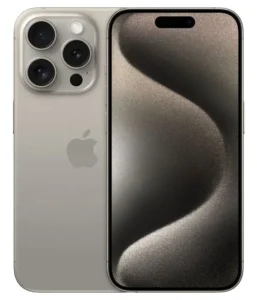
Apple’s iPhone 15 Pro Max represents a significant leap forward in smartphone engineering, particularly for users who demand professional-grade performance. The transition to a titanium frame reduces weight while maintaining durability—at 221g, it’s noticeably lighter than previous steel-framed models despite the massive 6.7-inch display. This attention to material science makes extended use more comfortable without sacrificing the premium feel Apple is known for.
The camera system deserves special attention. The 48MP main sensor captures exceptional detail, while the new periscope telephoto lens brings 5x optical zoom to the iPhone lineup for the first time. Photographers will appreciate the flexibility this provides, from ultra-wide landscape shots to distant subjects captured with clarity. The sensor-shift stabilization on both the main and telephoto cameras ensures sharp images even in challenging conditions.
Performance enthusiasts will find the A17 Pro chip’s 3nm architecture delivers smooth multitasking and handles demanding applications with ease. The 6-core GPU enables console-quality gaming experiences, while the enhanced Neural Engine powers advanced computational photography and machine learning tasks. Combined with 8GB of RAM, the phone handles everything from video editing to complex AR applications without breaking a sweat.
The LTPO Super Retina XDR display’s adaptive 120Hz refresh rate balances fluid scrolling with battery efficiency. Peak brightness reaches 2000 nits in HDR mode, making outdoor visibility exceptional even in direct sunlight. The display’s color accuracy and contrast ratios make it suitable for professional photo editing and content creation on the go.
Key Considerations Before Buying the iPhone 15 Pro Max
The price point positions this device firmly in the premium segment. At over $1,000 for the base 256GB model, it’s a significant investment. Users who primarily use their phones for basic tasks like messaging, social media, and casual photography might find the standard iPhone 15 or even the iPhone 14 Pro sufficient for their needs at a lower cost.
Storage options require careful consideration since there’s no expandable memory. The base 256GB model suits most users, but content creators who shoot extensive ProRes video will likely need the 512GB or 1TB variants. ProRes files consume substantial space—a minute of 4K ProRes footage can occupy several gigabytes.
The device’s size deserves attention. At 159.9mm tall and 76.7mm wide, it’s a large phone that may prove unwieldy for users with smaller hands or those who prefer one-handed operation. The 6.7-inch screen is fantastic for media consumption and productivity, but pocketability and ease of use should factor into your decision. The standard iPhone 15 Pro offers nearly identical features in a more compact 6.1-inch format.
Battery life, while solid with the 4441mAh capacity delivering over 16 hours of active use, doesn’t include a charger in the box. The 50% charge in 30 minutes requires a separate purchase of a compatible fast charger. MagSafe accessories also represent an additional investment if you want to take full advantage of the wireless charging ecosystem.
The switch to USB-C brings welcome compatibility improvements, but existing Lightning accessories become obsolete. Users with significant investments in Lightning cables, docks, and audio accessories will need adapters or replacements.
Who Should Consider the iPhone 15 Pro Max?
Content creators find tremendous value in this device. The ProRes video recording capability matches professional camera specs, allowing filmmakers to capture cinema-grade footage directly on their phone. The 3D spatial video recording future-proofs content for Apple’s Vision Pro ecosystem, while the LiDAR scanner enhances AR applications and low-light autofocus performance.
Mobile photographers benefit from the versatile camera array. The 48MP sensor allows for cropping flexibility without quality loss, while the 5x periscope telephoto lens captures distant subjects that would be impossible with previous iPhone models. The combination of optical image stabilization, sensor-shift technology, and computational photography produces professional-looking results straight out of the camera.
Business professionals who rely on their phones for productivity will appreciate the combination of screen real estate, processing power, and battery endurance. The 6.7-inch display provides ample workspace for documents and presentations, while the A17 Pro chip handles multitasking between communication apps, productivity software, and web browsing without lag.
Gaming enthusiasts can push graphics-intensive titles to their limits. The 6-core GPU delivers console-quality graphics, while the 120Hz display ensures smooth gameplay. The larger battery and efficient chipset support extended gaming sessions, though thermal management during intensive use remains a consideration.
Users deeply embedded in the Apple ecosystem gain seamless integration across devices. Features like Emergency SOS via satellite, Find My network capabilities, and Ultra Wideband support enhance safety and device tracking. The Ceramic Shield display offers improved drop protection compared to standard glass, providing peace of mind for accident-prone users.
Alternatives to the iPhone 15 Pro Max
The iPhone 15 Pro offers nearly identical capabilities in a smaller, more manageable 6.1-inch form factor. Users who prioritize one-handed use and pocketability without sacrificing the A17 Pro chip, camera system, or premium titanium build should seriously consider this option. The primary trade-offs are screen size and slightly reduced battery capacity.
Samsung’s Galaxy S24 Ultra presents the most direct Android competition. It offers a larger 6.8-inch display, S Pen stylus integration, and a 200MP main camera. The device excels in zoom photography with its 10x optical periscope lens, though some users prefer Apple’s more natural color science and video capabilities.
Google’s Pixel 8 Pro provides exceptional computational photography at a lower price point. While the hardware specs don’t match Apple’s on paper, Google’s advanced AI processing produces stunning photos, particularly in challenging lighting conditions. The pure Android experience and seven years of software updates appeal to users who prioritize long-term support and clean software.
For budget-conscious buyers, the iPhone 14 Pro Max remains available at reduced prices. It retains the 48MP camera, stainless steel build, and Dynamic Island, though it uses the A16 Bionic chip and lacks the Action button. The performance difference for everyday tasks is minimal, making it a compelling value option.