
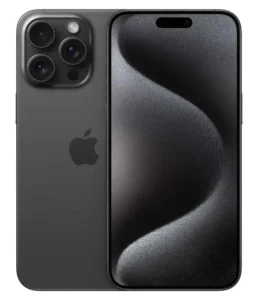
Why Buy the iPhone 16 Pro Max?
Apple’s largest and most advanced iPhone delivers an exceptional combination of display quality, camera performance, and processing power. The massive 6.9-inch screen provides an immersive viewing experience that stands out whether you’re watching movies, editing photos, or multitasking between apps. This is the biggest display Apple has ever put on an iPhone, offering more workspace and entertainment real estate than any previous model.
The camera system represents a significant leap forward with its 48MP main sensor and dedicated 5x optical zoom periscope telephoto lens. Professional photographers and content creators will appreciate the ability to shoot 4K video at 120fps with Dolby Vision HDR, capturing incredibly smooth footage with cinema-grade color accuracy. The LiDAR scanner enhances portrait mode and low-light photography, while the 48MP ultrawide camera captures stunning landscapes with remarkable detail.
Performance is where the A18 Pro chip truly shines. Built on a 3-nanometer process, this processor handles demanding tasks like 4K video editing, high-end gaming, and AI-powered features without breaking a sweat. The 8GB of RAM ensures smooth multitasking, while storage options up to 1TB provide ample space for massive photo libraries and 4K video files.
Battery life matches the premium experience. The 4685mAh battery delivers excellent endurance, easily lasting through a full day of intensive use. When you do need to charge, the 50% in 30 minutes capability means you’re back to full power quickly. MagSafe wireless charging at 25W offers convenient cable-free power delivery.
The titanium frame construction sets this model apart from standard iPhones. Grade 5 titanium provides exceptional durability while keeping the device surprisingly manageable despite its large size. At 227 grams, it’s lighter than you’d expect for a phone with a 6.9-inch screen. The Ceramic Shield front glass offers superior drop protection compared to conventional smartphone glass.
Key Considerations Before Buying the iPhone 16 Pro Max
Size matters with this device. The 6.9-inch display makes it one of the largest smartphones available, which means one-handed operation becomes challenging for many users. Those with smaller hands might struggle with basic tasks like typing or reaching the notification shade. Try holding a similar-sized device before committing to ensure it fits your lifestyle and comfort level.
The price point reflects its flagship status. Starting at over $1,200 for the base 256GB model, this represents a substantial investment. Upgrading to 512GB or 1TB pushes the cost even higher. Consider whether you’ll actually utilize the pro-level camera features and processing power, or if a more affordable iPhone model would meet your needs just as well.
Weight distribution becomes noticeable during extended use. While 227 grams doesn’t sound excessive on paper, holding the device for long video calls, reading sessions, or photography work can become tiring. The titanium frame helps reduce weight compared to stainless steel, but this is still a substantial phone that you’ll feel in your pocket or bag throughout the day.
The camera system, while incredibly capable, has specific strengths and limitations. The 5x optical zoom is fixed, meaning you get either 1x, 2x, or 5x magnification without the flexibility of a variable zoom range. The ultrawide camera, though improved at 48MP, still uses smaller pixels that don’t perform quite as well in low light compared to the main sensor. Understanding these characteristics helps set realistic expectations.
Storage choices require careful consideration since there’s no expandable memory. Cloud storage subscriptions become almost essential if you shoot lots of 4K video or maintain large photo libraries. The 256GB base model fills up quickly when recording ProRes video or spatial audio content, so many users find the 512GB or 1TB options more practical for long-term use.
Battery charging infrastructure needs attention. While the device supports 25W MagSafe charging, you’ll need to purchase compatible chargers separately. The included USB-C cable requires a power adapter that isn’t in the box. Budget for these accessories if you don’t already own them, as genuine Apple chargers represent additional expense beyond the phone itself.
Who Should Consider the iPhone 16 Pro Max?
Content creators who shoot and edit video on mobile devices will find this iPhone perfectly suited to their workflow. The combination of 4K 120fps recording, Dolby Vision HDR, and ProRes support enables professional-quality production directly from the phone. The large screen makes editing timelines and reviewing footage easier, while the A18 Pro chip handles rendering without slowdowns.
Photographers seeking a capable always-with-you camera benefit from the versatile lens system. The 48MP main sensor captures exceptional detail, the 5x telephoto brings distant subjects closer without quality loss, and the improved ultrawide handles landscapes and architecture beautifully. The LiDAR scanner enables stunning portrait shots even in dim conditions, while RAW capture provides maximum editing flexibility.
Business professionals who rely on their phones for productivity appreciate the expansive display real estate. Reviewing documents, participating in video conferences, and managing multiple apps becomes more efficient on the 6.9-inch screen. The satellite messaging capability provides peace of mind for those traveling to remote areas, while the robust build quality withstands the rigors of frequent travel.
Mobile gamers looking for the best possible experience will appreciate the A18 Pro’s graphics capabilities and the smooth 120Hz display. The combination delivers fluid gameplay with stunning visuals, while the large screen provides better visibility of game elements. The efficient chip manages heat well during extended gaming sessions, maintaining performance without excessive throttling.
Apple ecosystem enthusiasts who already own multiple Apple devices gain seamless integration benefits. AirDrop, Handoff, and Universal Clipboard work flawlessly across iPhone, iPad, Mac, and Apple Watch. Those invested in Apple services like iCloud, Apple Music, and Apple TV+ get the most cohesive experience on iOS devices.
Power users who demand maximum performance and storage won’t feel limited by this phone. The 8GB of RAM handles intensive multitasking, the A18 Pro chip future-proofs the device for years of iOS updates, and storage up to 1TB accommodates vast media libraries. This is a phone that won’t need replacing for several years.
Alternatives to the iPhone 16 Pro Max
The standard iPhone 16 Pro offers nearly identical camera and performance capabilities in a more manageable 6.3-inch size. It costs less, weighs significantly lighter at 199 grams, and fits more comfortably in pockets and hands. The main trade-off is screen size and battery capacity, but many users find the smaller form factor preferable for daily use.
Samsung’s Galaxy S24 Ultra competes directly with similar screen size and S Pen functionality. The 6.8-inch display, built-in stylus, and versatile camera system with 10x optical zoom provide different strengths. Android users or those wanting more customization options should evaluate Samsung’s flagship seriously.
Google’s Pixel 9 Pro XL delivers exceptional computational photography and pure Android experience at a lower price point. The 6.8-inch display, innovative AI features, and seven years of software support make it compelling for users who prioritize software over hardware specifications.
Previous generation iPhone 15 Pro Max models offer substantial savings while maintaining excellent performance. The differences between generations are incremental rather than revolutionary, so buying last year’s flagship delivers 80% of the experience at significantly reduced cost, especially through carrier promotions or refurbished options.
iPhone 16 Pro Max Frequently Asked Questions
Does the iPhone 16 Pro Max support dual SIM functionality?
The iPhone 16 Pro Max supports multiple dual SIM configurations depending on region. International models feature one physical nano-SIM slot plus eSIM capability, allowing two active lines simultaneously. In the United States, the device uses eSIM exclusively with support for eight or more stored profiles and two active lines at once. Chinese models include dual physical nano-SIM slots for regions where eSIM infrastructure remains limited. This flexibility accommodates travelers who need local and home country numbers active simultaneously, or professionals separating business and personal lines on one device.
How does the camera’s 5x optical zoom compare to digital zoom on other phones?
The periscope telephoto lens provides true 5x optical zoom through a physical lens arrangement inside the phone, maintaining full 12MP resolution without quality degradation. This differs fundamentally from digital zoom, which crops and enlargates the image, reducing effective resolution and introducing artifacts. The dedicated telephoto camera includes its own sensor-shift optical image stabilization, ensuring sharp handheld shots even at maximum magnification. Combined with the 48MP main sensor that enables lossless 2x zoom through pixel binning, users get three optical quality focal lengths: 1x, 2x, and 5x, covering wide-ranging photography scenarios from landscapes to distant subjects.
What makes the titanium construction different from previous iPhone materials?
Grade 5 titanium offers superior strength-to-weight ratio compared to the stainless steel used in earlier Pro models. This aerospace-grade material provides exceptional durability while reducing overall device weight despite the larger size. The brushed titanium finish resists fingerprints better than polished stainless steel and develops a unique patina over time. The material’s strength allows Apple to use thinner frame walls, contributing to the slimmer 8.3mm profile. However, titanium is more expensive and difficult to machine, which partially explains the premium pricing. The construction also includes Ceramic Shield glass front protection rated at Mohs level 4 hardness, offering improved drop and scratch resistance.
Can the iPhone 16 Pro Max replace a dedicated camera for professional photography?
The iPhone 16 Pro Max delivers impressive image quality that satisfies many professional scenarios, particularly for social media content, documentary work, and mobile journalism. The 48MP main sensor with large 1.22µm pixels captures excellent detail and dynamic range, while ProRes video recording provides professional-grade footage. However, dedicated cameras still excel in specific areas: interchangeable lens systems offer more focal length options, larger sensors provide better low-light performance and shallower depth of field, and professional cameras include extensive manual controls and better ergonomics for extended shooting. The iPhone works brilliantly as a backup camera or primary device for professionals who prioritize portability, but most photographers maintain dedicated equipment for critical assignments requiring maximum image quality or specialized lenses.
How long does the battery typically last with heavy daily use?
Real-world battery performance depends heavily on usage patterns, but the 4685mAh capacity generally provides 14-18 hours of mixed use. This includes periods of video streaming, social media browsing, photography, navigation, and video calls. The active use score of 17 hours 18 minutes reflects testing under controlled conditions with varied tasks. Heavy users who spend significant time gaming, recording 4K video, or using GPS navigation may need mid-day charging, while lighter users often achieve two full days between charges. The A18 Pro chip’s 3-nanometer architecture improves power efficiency compared to previous generations, while the LTPO display dynamically adjusts refresh rates from 1Hz to 120Hz based on content, conserving battery when viewing static images or text.