A13 Bionic in a 4.7-Inch Shell: What Apple Actually Built Here
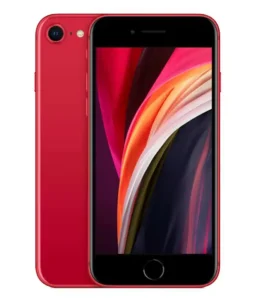
The iPhone SE (2020) is a deliberate provocation. At a time when every flagship race is measured in diagonal inches and lens counts, Apple shipped a phone that looks like 2017 and performs like 2019’s best. The chassis is immediately familiar — the same beveled aluminum frame, the same 4.7-inch Retina LCD, the same capacitive home button that millions of users never asked to lose. What changed lives entirely under the hood: the A13 Bionic, the same chip that drove the iPhone 11 Pro series, now crammed into a body that costs a fraction of the price.
That tension — conservative exterior, serious internals — defines the entire experience. Whether it works for any given buyer depends almost entirely on what they prioritize.
The Ergonomics Argument Nobody Wants to Have Anymore
At 138.4 x 67.3 x 7.3 mm and 148 grams, the SE disappears into a front pocket in a way that nothing above 6 inches has managed since roughly 2018. One-handed operation isn’t a parlor trick here — it’s genuinely achievable without shifting grip mid-sentence. The home button sits exactly where muscle memory expects it. Touch ID unlocks the device with the kind of immediacy that makes Face ID feel performative by comparison, particularly when reaching for the phone in dim light or while wearing glasses.
The glass-and-aluminum sandwich construction feels solid rather than premium. There’s no flex, no creak, no sense that the frame is a cost-cutting measure. IP67 dust and water resistance rounds out the build story: rain, splashes, and the occasional sink-side fumble are handled without drama. Deep submersion is a different matter — IP67 means one meter for thirty minutes, not an invitation to go snorkeling.
The bezels, though. The chin and forehead are relics of an older design language, and the 65.4% screen-to-body ratio makes that obvious when placed next to anything launched in the last two years. This isn’t a dealbreaker for compact-phone loyalists, but it’s the single most visible compromise the form factor demands.
The Single Lens That Punches Harder Than Its Megapixel Count Suggests
Twelve megapixels sounds modest in a market saturated with 50MP and 200MP claims, but pixel-peeping the SE’s output reveals something worth paying attention to. The f/1.8 aperture gathers meaningful light in low-lit interiors, and the A13’s image signal processor applies computational photography that sharpens detail, manages highlights, and reduces noise in ways that raw hardware specs can’t capture. Shots in mixed lighting — window light crossing a dark interior, for instance — resolve with controlled dynamic range rather than blown-out whites.
Optical image stabilization does real work on moving subjects and handheld video. The 4K/60fps recording is smooth, the audio via stereo capture is genuinely usable, and the 1080p slow-motion at 240fps produces the kind of footage that previously required dedicated gear. Shutter lag is minimal — the PDAF locks quickly, and the quad-LED dual-tone flash produces natural skin tones rather than the harsh, flat illumination cheaper flash systems generate.
The limitations are real and worth naming plainly. There is no ultrawide. No telephoto. Portrait Mode works only on human subjects and relies entirely on software depth estimation rather than hardware sensing — which means edges on complex backgrounds (hair against a busy skyline, for instance) occasionally render with visible artifacts. The 7MP front camera is adequate for calls and basic selfies; anyone expecting the front-camera quality of a modern mid-ranger or flagship will notice the gap immediately.
Benchmark Numbers Don’t Lie, But They Don’t Tell the Whole Story Either
An AnTuTu score of 462,253 and a GeekBench single-core result of 1,327 place the SE in genuinely capable territory. The hexa-core CPU — two Lightning performance cores at 2.65 GHz supported by four Thunder efficiency cores at 1.8 GHz — handles app switching, photo processing, and demanding games without observable hesitation. Rendering tasks that would cause noticeable lag on older chipsets complete cleanly. The four-core Apple GPU handles graphically intensive titles at stable frame rates.
Thermal performance in sustained workloads is where the compact chassis creates its one notable constraint. Extended gaming or prolonged 4K export generates warmth that’s perceptible at the back glass — not alarming, not throttling to the point of visible slowdown, but present. The A13 manages heat intelligently; the SE doesn’t stutter the way some Android devices do when thermal limits are hit, but the chassis has less surface area to dissipate heat than a larger phone would.
NVMe storage ensures fast read and write speeds across all three capacity tiers — 64GB, 128GB, and 256GB. The absence of a microSD slot makes capacity selection at purchase a permanent decision. The 64GB base tier fills faster than most users anticipate once 4K video, app caches, and offline content accumulate. 128GB represents a more comfortable baseline; 256GB suits photographers and video shooters who prefer not to manage storage constantly.
The Battery Ceiling Is Real and Requires an Honest Conversation
The 1821 mAh cell is the SE’s most consequential limitation, and there’s no computational trick that changes the underlying physics. Standardized endurance testing produces a 59-hour rating, which translates in practice to: light users coasting through a full day with charge remaining, moderate users finishing the day needing a top-up, and heavy users — navigation, gaming, video streaming in sequence — confronting a midday charge as a routine rather than an exception.
The 18W fast charging genuinely helps. Fifty percent in thirty minutes means a short charge window during lunch or a commute restores meaningful use time. Qi wireless charging at 7.5W covers overnight replenishment without cable management. Neither option compensates for the small capacity during intensive days, but they reduce the friction of managing it.
The 18W adapter is sold separately, which is a legitimate gripe. The included cable and the default adapter shipped in the box will not deliver fast charging speeds — buyers need to source the appropriate hardware independently or already own compatible Apple accessories.
Connectivity: Nothing Missing, Nothing Exceptional
Wi-Fi 6 support is present and provides the expected throughput improvements on compatible routers. Bluetooth 5.0 handles audio accessories and peripherals without connection instability. NFC enables Apple Pay transactions across the certified Visa, Mastercard, and AMEX network. GPS and GLONASS deliver reliable location accuracy for navigation.
The Lightning port connects to USB 2.0 speeds — functional, but a meaningful step behind USB-C data transfer rates that Android devices of similar vintage offered. Existing Lightning accessory ecosystems transfer seamlessly, which matters to users upgrading from iPhone 6, 7, or 8 hardware. The eSIM slot alongside the physical nano-SIM card slot enables dual-number operation, which has practical applications for business users maintaining separate personal and work lines on a single device.
5G is absent. The SE operates exclusively on LTE, which at the time of release covered the vast majority of use cases and continues to do so in markets where 5G infrastructure remains inconsistent outside urban centers. Buyers planning multi-year ownership in regions where 5G coverage is expanding should weigh this against their typical network environment.
The Software Longevity Case Is Genuinely Compelling
Shipping with iOS 13 and supporting updates through iOS 26.2 is an unusual value proposition in the smartphone market. The device receives security patches, feature additions, and compatibility updates far beyond what most Android OEMs commit to at equivalent price points. For buyers who hold phones for three to five years, that software runway has real monetary value — it defers replacement and maintains security compliance without hardware upgrades.
The A13 Bionic’s performance ceiling means the device handles current software demands without the sluggishness that affects older chips as iOS updates grow more demanding. Apps load snappily, multitasking resolves without delay, and features like computational photography continue to improve through software updates rather than requiring new hardware to benefit from Apple’s neural engine advances.
Who This Phone Actually Makes Sense For
The profile of a satisfied SE buyer is specific. Compact device preference is non-negotiable — anyone who finds 6-inch-plus phones unwieldy or pocket-unfriendly will find the SE genuinely liberating rather than merely acceptable. Budget-constrained iOS entry is another clear use case: access to the Apple ecosystem, App Store, and iMessage integration at a significantly lower acquisition cost than flagship models, with none of the feature compromises on the software side.
Existing iPhone 6, 7, or 8 owners upgrading find the transition frictionless — same form factor, same connector, dramatically improved processor, improved camera, and significantly better display brightness. The familiarity removes the learning curve entirely.
The SE is not the right device for users who consume significant video content on-device, who prioritize camera versatility over primary lens quality, or who regularly use their phone as their primary gaming platform for extended sessions. Those use cases align better with larger displays, multi-lens systems, and higher-capacity batteries — all of which require accepting a larger, heavier device in return.
iPhone SE (2020) Frequently Asked Questions
Will the iPhone SE (2020) actually fit in a normal jeans pocket?
Yes, comfortably. The 138.4 x 67.3 x 7.3 mm dimensions and 148-gram weight place it firmly in the category of phones that disappear into front pockets without creating an uncomfortable bulk or the anxiety of an edge pressing through fabric. It’s one of the few devices that genuinely fits without requiring deliberate adjustment when sitting down.
Does the iPhone SE (2020) support 5G?
No. The SE operates on 4G LTE networks, with full backward compatibility for GSM, CDMA, HSPA, and EVDO standards. LTE performance is solid and covers the majority of streaming, browsing, and download use cases adequately. Buyers in markets where 5G coverage is rapidly expanding or who plan to hold the device for four or more years should factor this in — LTE isn’t disappearing soon, but the absence of 5G is a fixed hardware limitation with no software remedy.
Is the 64GB base storage tier enough, or is upgrading worth it?
64GB is workable for light users who stream rather than download, use a small app library, and don’t shoot frequent 4K video. For most people, 128GB is the more defensible choice — 4K footage at 60fps accumulates quickly, apps have grown larger over successive updates, and offline music or podcast libraries add up faster than anticipated. The 256GB tier makes sense for photographers and video creators who prefer not to manage storage actively. Since there is no expandable storage option, the decision made at purchase is permanent.
How does the battery hold up during a full day of heavy use?
Moderate daily use — a mix of calls, messaging, social media, and occasional video — typically covers a full day. Heavy use patterns that stack navigation, extended gaming, and video streaming will expose the 1821 mAh capacity’s ceiling, generally requiring a midday charge. The 18W fast charging capability, which reaches 50% in approximately 30 minutes, meaningfully reduces the inconvenience — a short charge window at lunch or during a commute restores substantial use time. The 18W adapter requires separate purchase; the default bundled accessories do not deliver fast charge speeds.
Does Portrait Mode work on pets or objects, or only people?
Portrait Mode on the SE (2020) functions exclusively with human subjects. The device lacks hardware depth sensors and instead relies on the A13’s software-based depth estimation, which is trained and optimized for facial recognition. Pets, food, objects, and non-human subjects do not trigger Portrait Mode processing. The background blur effect also performs noticeably better in controlled lighting than in complex or high-contrast scenes where software edge detection struggles.
Is the water resistance rating reliable enough to use near a pool?
The IP67 certification covers submersion up to one meter for thirty minutes — adequate for rain, splashes, and accidental drops into shallow water. Poolside use introduces risks beyond the rating: chlorinated water is more corrosive than fresh water, and pressure from active water exposure at pool depth can exceed what static immersion testing covers. Apple’s warranty explicitly excludes liquid damage regardless of IP rating, which means the water resistance functions as accident protection rather than permission for deliberate water exposure. Treating it as the former produces better outcomes than treating it as the latter.
Can the iPhone SE (2020) handle current and future iOS updates without slowing down?
The A13 Bionic provides substantial performance headroom for iOS updates through the foreseeable future. The chip’s neural engine, CPU architecture, and GPU performance were flagship-tier at release and remain competitive well into the device’s supported software lifecycle. Historical patterns from Apple’s older supported devices suggest meaningful slowdown typically appears several years into software support when hardware constraints become binding — the SE’s A13 foundation delays that point significantly compared to devices shipped with older or lower-tier processors.