What Makes the Motorola Moto G Play (2026) Worth Buying?
The Motorola Moto G Play (2026) launches with Android 16, making it one of the first budget phones to ship with the latest Android version. This gives buyers access to the newest features and security improvements right out of the box. The phone targets budget-conscious users who want modern software without premium pricing.
Battery life stands out with the 5200 mAh capacity, one of the largest in the budget segment. Most users easily get through a full day of moderate to heavy use, from morning alarms to evening streaming. Light users who primarily text, browse, and make calls can stretch the battery into a second day. The large capacity means less worry about finding chargers during busy schedules.
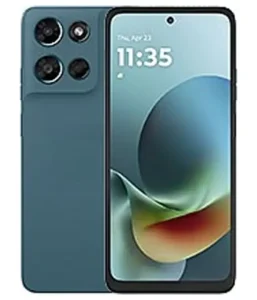
The 6.7-inch display with 120Hz refresh rate brings smooth scrolling to the entry-level market. This higher refresh rate makes browsing social media, reading articles, and navigating menus feel more responsive than standard 60Hz screens. The 1000-nit peak brightness ensures visibility even in direct sunlight, handling outdoor use better than many budget competitors.
Practical features often missing from budget phones appear here. The 3.5mm headphone jack with 24-bit/192kHz Hi-Res audio support works with existing wired accessories. The dedicated microSDXC slot allows storage expansion beyond the base 64GB without sacrificing the eSIM. FM radio provides free entertainment without using mobile data. Stereo speakers with Dolby Atmos create better sound quality than single-speaker phones.
The eco-friendly silicone polymer (eco leather) back creates a unique texture that feels comfortable and provides better grip than slippery glass. The water-repellent design protects against splashes and light rain, though it doesn’t carry an official IP rating. Gorilla Glass 3 protects the front display from everyday scratches.
Things to Know Before Choosing the Motorola Moto G Play (2026)
Display resolution sits at 720 x 1604 pixels, translating to approximately 262 pixels per inch. While the 120Hz refresh rate adds smoothness, the lower resolution means text and images won’t look as sharp as phones with 1080p or higher displays. Users who consume lots of high-definition content or value crisp text might notice the difference, though casual users often find it adequate for daily tasks.
Performance limitations become apparent with demanding tasks. The MediaTek Dimensity 6300 chipset handles basic apps and social media smoothly but struggles with graphics-intensive games and heavy multitasking. The 4GB RAM feels tight by 2026 standards, leading to occasional app refreshes when switching between multiple applications. Users coming from mid-range or flagship phones will notice the slower processing speeds.
The camera system keeps things extremely basic with a single 32MP rear sensor. This simplified setup handles everyday photography reasonably well in good lighting but lacks the versatility of multi-camera systems. The small 0.64µm pixel size means low-light performance won’t match phones with larger sensors. Video recording maxes out at 1080p at 30fps without advanced stabilization features.
Charging speeds lag significantly behind competitors at just 18W wired charging. The 5200 mAh battery takes approximately three hours to fully charge from empty. Phones in similar price ranges now offer 30W or faster charging, making the Moto G Play feel dated in this regard. Users need to plan overnight charging or long charging sessions throughout the day.
Storage configuration provides just 64GB of internal UFS 2.2 storage paired with 4GB RAM. While the dedicated microSDXC slot helps with media storage, the limited base capacity fills quickly with apps and system files. The 4GB RAM struggles when running multiple apps simultaneously, affecting the overall multitasking experience.
The front camera uses an 8MP sensor that produces acceptable selfies for social media but won’t satisfy users wanting detailed self-portraits. The lack of autofocus and advanced features limits selfie quality compared to phones with higher-resolution front cameras. Video recording for the front camera reaches 1080p at 30fps, adequate for video calls but basic for vlogging.
Is the Motorola Moto G Play (2026) Right for You?
First-Time Smartphone Buyers: Users upgrading from feature phones find the Moto G Play (2026) straightforward and accessible. The phone handles essential tasks like calls, texts, email, and web browsing without issues. The large battery eliminates frequent charging concerns that intimidate new smartphone users. The headphone jack and FM radio provide familiar features. The side-mounted fingerprint sensor offers modern security without complexity. Android 16 brings the latest features in an easy-to-navigate interface.
Budget-Conscious Students: Students watching every dollar get essential smartphone features at an entry-level price. The 120Hz display makes taking notes and reading course materials feel responsive. The expandable storage handles documents, photos, and offline educational content through microSD cards. Battery life survives long days on campus without constant charging anxiety. The FM radio provides free entertainment between classes. The water-repellent design protects against occasional spills. However, the limited 4GB RAM might frustrate students running multiple productivity apps simultaneously.
Seniors and Light Users: Older users wanting a simple, reliable phone find the Moto G Play appropriate. The large 6.7-inch display shows text and icons clearly, reducing eye strain. Battery life lasts days with light calling and texting patterns. The headphone jack works with existing wired accessories without adapters. The phone doesn’t overwhelm with unnecessary features. GPS, GALILEO, and GLONASS positioning ensure accurate navigation for driving directions.
Backup Phone Users: The Moto G Play serves well as a secondary device or emergency backup. The low price point makes it affordable to keep as a spare. The large battery maintains charge during extended storage periods. The 5G capability means it won’t feel completely outdated when needed. The dedicated microSD slot allows using it for media storage and playback.
Parents Buying for Kids: Parents seeking affordable first phones for children find good value here. The water-repellent design protects against accidental damage common with younger users. The large battery survives kids forgetting to charge nightly. The side-mounted fingerprint sensor adds security. The relatively thick plastic frame withstands drops better than delicate glass phones. The low price reduces stress about inevitable damage or loss.
Mobile Gamers: Serious gamers should look elsewhere. The Dimensity 6300 with Mali-G57 MC2 GPU handles casual games like Candy Crush and Among Us but struggles with demanding titles. Games like PUBG Mobile and Call of Duty Mobile require lowered graphics settings and still experience frame drops. The 4GB RAM limits background processes while gaming. Players wanting smooth gaming experiences need phones with more powerful processors and at least 6GB RAM.
Photography Enthusiasts: Camera-focused buyers will feel disappointed. The single 32MP sensor with small 0.64µm pixels produces basic snapshots adequate for social media in daylight, but image quality drops significantly in challenging lighting. The lack of ultrawide, telephoto, or capable secondary cameras eliminates creative possibilities. Users wanting quality photos should invest in phones with better camera systems and larger sensors.
Power Users and Multitaskers: Heavy smartphone users need more capable devices. The 4GB RAM struggles juggling multiple apps simultaneously. The Dimensity 6300 shows its limitations with demanding applications. The 64GB base storage fills quickly without aggressive microSD use. The slow 18W charging becomes frustrating for users who constantly drain their battery. Power users should consider mid-range phones with at least 6GB RAM and faster processors.
Best Alternatives to the Motorola Moto G Play (2026)
The Samsung Galaxy A15 5G offers similar budget-friendly 5G connectivity with a higher resolution display. Samsung’s 1080p screen provides noticeably sharper text and images compared to the Moto G Play’s 720p panel. The phone typically includes larger RAM configurations at similar price points. Samsung’s update policy generally provides longer software support. However, Samsung removes the headphone jack and FM radio, which might matter to some users.
OnePlus Nord N30 5G brings better performance with a more powerful processor and larger RAM options. The phone includes faster charging speeds, typically 50W or higher, dramatically reducing charging times. The camera system usually features better sensors and processing. However, OnePlus pricing tends slightly higher, and the phone may lack expandable storage and the headphone jack.
TCL’s budget 5G offerings provide solid alternatives with the company’s display expertise. TCL phones often feature better screen quality and brightness for the price. The devices typically include larger batteries for extended endurance. Build quality sometimes feels more premium than expected. However, brand recognition lags behind Motorola, and software updates arrive slower and less frequently.
Nokia G42 5G emphasizes repairability and long-term support. Nokia commits to longer software update periods than most budget brands. The phone includes a more versatile camera system with multiple sensors. The removable back panel allows easier battery replacement and repairs. However, the Nokia interface includes bloatware, and performance may feel slower than the Moto G Play despite similar specs.
Motorola’s own Moto G 5G (2025) offers a step up in the same brand family. The phone includes more RAM, better cameras, and faster charging while maintaining Motorola’s clean software experience. The higher resolution display provides sharper visuals. The main trade-off is the higher price, though the extra features justify the cost for users who can stretch their budget.
Motorola Moto G Play (2026) Frequently Asked Questions
Does the Motorola Moto G Play (2026) support 5G?
Yes, the Motorola Moto G Play (2026) fully supports 5G connectivity along with GSM, HSPA, and LTE networks. The MediaTek Dimensity 6300 chipset includes an integrated 5G modem compatible with sub-6GHz 5G bands used by major carriers. Users can experience faster download speeds, reduced latency, and improved network performance in areas with 5G coverage. The phone automatically switches between 5G, LTE, and other network types based on signal availability, helping balance speed and battery consumption for optimal endurance.
Can I expand the storage on the Motorola Moto G Play (2026)?
Yes, the Motorola Moto G Play (2026) includes a dedicated microSDXC card slot for storage expansion. This dedicated slot means users can add a microSD card without sacrificing the eSIM functionality. While the phone comes with 64GB of internal UFS 2.2 storage, users can add substantial storage for photos, videos, music, and documents. This expandable storage proves essential given the modest base capacity, as 64GB fills quickly with apps, system files, and cached data. The dedicated slot design is particularly convenient since it doesn’t force users to choose between dual SIM and storage expansion.
How long does the battery last on the Motorola Moto G Play (2026)?
The 5200 mAh battery provides excellent endurance for most users. Light users who primarily make calls, send texts, and browse occasionally can expect two full days between charges. Moderate users with regular social media use, video streaming, and web browsing typically get a complete day without needing to recharge. Heavy users who push the phone with gaming, constant screen time, and 5G connectivity still make it through most of the day. The main limitation is the slow 18W charging, which takes approximately three hours to fully charge the large battery from empty, so overnight charging becomes necessary.
Does the Motorola Moto G Play (2026) have a headphone jack?
Yes, the Motorola Moto G Play (2026) includes a 3.5mm headphone jack with support for 24-bit/192kHz Hi-Res audio. This feature allows users to connect wired headphones, earbuds, or auxiliary cables directly to the phone without needing adapters or dongles. The Hi-Res audio support ensures high-quality sound for users with compatible headphones. The phone also features stereo speakers with Dolby Atmos for enhanced media playback without headphones. Bluetooth connectivity provides wireless audio options for those who prefer it, but the headphone jack preserves compatibility with existing wired audio accessories.
Is the Motorola Moto G Play (2026) waterproof?
The Motorola Moto G Play (2026) features a water-repellent design but does not carry an official IP rating for water or dust resistance. The water-repellent coating protects against light rain, splashes, and accidental spills, providing basic protection for everyday scenarios. However, this is not the same as full waterproofing with IP67 or IP68 certification. Users should avoid submerging the phone in water or exposing it to heavy rain or high-pressure water. The water-repellent design offers peace of mind for typical daily use but doesn’t guarantee protection in all water-related situations.