
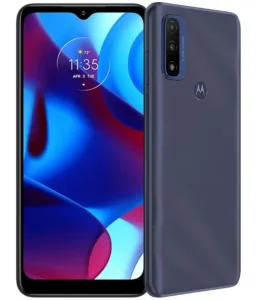
What Makes the Motorola Moto G Pure Worth Buying?
The Motorola Moto G Pure positions itself as an ultra-affordable entry point into the smartphone ecosystem, prioritizing essential functionality over flashy specifications. At its core, this device delivers reliable basic performance for users who need a straightforward phone without unnecessary complexity. The MediaTek Helio G25 chipset handles everyday tasks like messaging, web browsing, and social media scrolling with reasonable competence for its price bracket.
What stands out is the practical design approach. The water-repellent coating provides protection against accidental spills and light rain, a feature rarely seen in budget devices. This durability consideration extends the phone’s lifespan in real-world conditions where accidents happen. The 6.5-inch display offers plenty of screen real estate for reading articles, watching videos, and navigating apps, while the 4000mAh battery delivers sufficient endurance for a full day of moderate use.
Storage flexibility comes through the dedicated microSDXC card slot, which doesn’t force users to choose between dual SIM functionality and expandable storage. This thoughtful inclusion allows buyers to start with the base 32GB internal storage and expand as needed without sacrificing the ability to use two phone numbers simultaneously. The phone ships with Android 11, providing access to Google’s services and a clean software experience that Motorola has become known for delivering.
The device weighs a comfortable 188 grams and measures 8.8mm thick, making it manageable for extended one-handed use. The rear-mounted fingerprint sensor offers quick unlocking without requiring the more expensive in-display technology. For first-time smartphone buyers, older users seeking simplicity, or anyone needing a reliable backup device, the G Pure strips away complexity while maintaining core smartphone functionality at a wallet-friendly price.
Things to Know Before Choosing the Motorola Moto G Pure
The specifications reveal significant compromises that buyers must understand before purchasing. The 720 x 1600 pixel resolution on a 6.5-inch display results in just 270 pixels per inch, producing noticeably softer text and images compared to higher-resolution screens. Users accustomed to sharper displays will immediately notice the difference, particularly when reading small text or viewing detailed photos. The IPS LCD panel lacks the vibrant colors and deep blacks of AMOLED technology, though it performs adequately for basic viewing tasks.
Performance limitations become apparent quickly with the MediaTek Helio G25 processor and just 2GB or 3GB of RAM. Multitasking proves challenging as apps reload frequently when switching between them. The eMMC 5.1 storage technology reads and writes data considerably slower than UFS standards found in mid-range devices, resulting in longer app installation times and delayed file transfers. Heavy applications take noticeable seconds to launch, and the phone struggles with demanding games even at lowest settings.
The camera system represents the bare minimum for smartphone photography. The 13MP rear camera with its f/2.2 aperture captures acceptable photos in bright daylight but deteriorates rapidly in challenging lighting conditions. Low-light photography produces grainy, noisy images with poor detail retention. The 5MP front camera delivers basic selfies suitable for video calls but lacks the quality expected for social media content creation. Video recording maxes out at 1080p 30fps without stabilization, resulting in shaky footage during handheld recording.
Charging speed presents another limitation. The 10W wired charging requires over two hours to fully replenish the 4000mAh battery, making overnight charging essentially mandatory. The absence of fast charging means users cannot quickly top up the battery during short breaks. The phone also lacks NFC, eliminating contactless payment options like Google Pay that many users now consider essential.
Software update prospects remain uncertain. While the phone launches with Android 11, Motorola’s track record with budget device updates suggests limited long-term support. Users seeking extended security patches and major Android version upgrades should temper their expectations. The plastic build, while durable, feels noticeably cheaper than glass or metal alternatives, and the device lacks any form of display protection beyond basic scratch resistance.
Is the Motorola Moto G Pure Right for You?
The G Pure serves specific user groups exceptionally well while disappointing others. Senior citizens and older adults transitioning from basic feature phones will appreciate the straightforward interface and large display that makes text and icons easy to read. The simple Android 11 experience without heavy manufacturer customization reduces confusion for users learning smartphone functionality for the first time. Parents seeking an inexpensive first phone for children or pre-teens find the G Pure adequate for basic communication, educational apps, and light entertainment without risking a significant financial investment.
Budget-conscious buyers who primarily use smartphones for essential tasks like calling, texting, email, and basic web browsing will find the device meets their needs without overspending. The phone handles WhatsApp, Facebook, Instagram, and YouTube at acceptable performance levels for casual scrolling and viewing. Light users who keep few apps installed and don’t multitask aggressively can work within the RAM limitations comfortably.
The device works well as an emergency backup phone for travelers, a dedicated navigation device for vehicles, or a work phone for basic business communication. Companies providing phones to field workers for simple task management and communication can deploy the G Pure cost-effectively. The water-repellent design adds practical durability for users working in outdoor or challenging environments where expensive phones face higher damage risks.
However, several user groups should avoid this device entirely. Mobile gamers will find even casual games like PUBG Mobile or Genshin Impact essentially unplayable. Photography enthusiasts seeking decent image quality for capturing memories will feel frustrated by the camera’s limitations. Power users accustomed to smooth multitasking and quick app switching will find the performance unacceptably slow. Content creators needing to record videos or take photos for social media platforms require better camera hardware.
Students using phones for educational purposes beyond basic tasks, professionals relying on productivity apps, or anyone wanting to use mobile payment systems should explore higher-tier options. The device cannot handle video editing, graphic-intensive applications, or professional-grade mobile work. Tech enthusiasts expecting a smooth, responsive user experience will find the G Pure’s performance inadequate for their standards.
Best Alternatives to the Motorola Moto G Pure
The Samsung Galaxy A03s competes directly in the ultra-budget segment with a similar MediaTek processor but offers a 5000mAh battery for extended endurance. Samsung’s One UI provides a more feature-rich experience with longer guaranteed software support, though the interface feels heavier than Motorola’s near-stock Android. The device includes a slightly better camera system with improved low-light performance, though neither phone excels in photography.
Nokia G10 targets the same price bracket while emphasizing durability and software support. Nokia promises two years of OS upgrades and three years of monthly security updates, significantly outpacing Motorola’s typical support timeline. The larger 5050mAh battery delivers superior longevity, though the MediaTek G25 processor matches the G Pure’s modest performance. Nokia’s Android One implementation ensures a clean software experience with guaranteed updates.
Realme C25s provides noticeably better performance with its Helio G85 processor, making it suitable for light gaming that would overwhelm the G Pure. The 6000mAh battery capacity significantly outlasts the G Pure’s 4000mAh cell, easily providing two days of moderate usage. However, Realme UI adds considerable bloatware and the device costs slightly more, moving it beyond the ultra-budget category.
TCL 20 SE offers a sharper 1080p display that dramatically improves the viewing experience compared to the G Pure’s 720p screen. The Snapdragon 460 processor delivers marginally better performance, particularly in graphics-intensive tasks. TCL includes a 5000mAh battery and 18W fast charging, addressing two of the G Pure’s weaknesses. The camera system, while still budget-oriented, captures slightly more detail in various lighting conditions.
Motorola Moto G Pure Frequently Asked Questions
Can the Motorola Moto G Pure handle basic gaming?
The Moto G Pure struggles with most modern mobile games due to its MediaTek Helio G25 processor and PowerVR GE8320 GPU. Very casual games like Candy Crush, Subway Surfers, or simple puzzle games run acceptably, but anything more demanding faces significant performance issues. Popular titles like PUBG Mobile, Call of Duty Mobile, or Genshin Impact either won’t install or run at extremely low frame rates with frequent stuttering.
The 2GB or 3GB RAM configurations further limit gaming potential as the system reserves memory for Android operations. Users seeking any level of gaming capability beyond the most basic casual titles should consider devices with at least a Snapdragon 460 or MediaTek Helio G85 processor.
How good is the camera quality on the Moto G Pure?
The 13MP rear camera delivers acceptable photos only in bright, well-lit outdoor conditions. Daylight shots capture reasonable detail and color accuracy for social media sharing, though images appear soft compared to phones with better camera hardware. Indoor photography shows noticeable quality degradation with less accurate colors and reduced sharpness.
Low-light and nighttime photos become grainy and lack detail, making the camera unsuitable for evening photography without adequate artificial lighting. The 5MP front camera handles basic video calls and casual selfies but produces images lacking in sharpness and dynamic range. The camera system omits essential features like optical image stabilization, night mode, and advanced HDR processing that improve photo quality on more expensive devices.
Does the Moto G Pure support mobile payments like Google Pay?
The Motorola Moto G Pure does not include NFC hardware, which means contactless mobile payment services like Google Pay, Samsung Pay, or other tap-to-pay systems cannot function on this device. Users cannot make payments at contactless terminals or use the phone for quick tap-and-go transactions at stores, restaurants, or public transportation systems.
This limitation extends to other NFC-dependent features like quickly pairing Bluetooth accessories or sharing files via Android Beam. Buyers who regularly use mobile payments for convenience should verify NFC support before purchasing, as its absence significantly impacts modern smartphone utility in regions where contactless payments have become standard.
How long does it take to fully charge the Moto G Pure?
The 10W wired charging takes approximately 2 to 2.5 hours to fully charge the 4000mAh battery from empty. This slow charging speed means users typically need to charge overnight or plan extended charging sessions during the day. A 30-minute charge session adds roughly 20-25% battery capacity, insufficient for emergency top-ups before leaving home.
The lack of fast charging technology found in more expensive phones means users cannot quickly recover battery life during short breaks. Planning charging times becomes essential, particularly for users with heavy usage patterns who might need mid-day charging. The USB Type-C port provides convenience over older micro-USB connections, but the low wattage remains a notable inconvenience in daily use.
Will the Moto G Pure receive Android updates?
The Moto G Pure shipped with Android 11 in October 2021, and Motorola’s update policy for budget devices typically provides limited software support. Based on historical patterns with similar budget Motorola phones, users might receive one major Android version update to Android 12, though Motorola has not officially committed to this timeline.
Security patch frequency tends to be irregular for budget devices, with updates arriving quarterly or less frequently rather than monthly. Long-term software support beyond one to two years from release remains uncertain. Buyers prioritizing extended software updates, regular security patches, and multiple Android version upgrades should consider manufacturers with clearer update commitments like Samsung, Nokia, or Google’s own Pixel line, even in budget categories.