
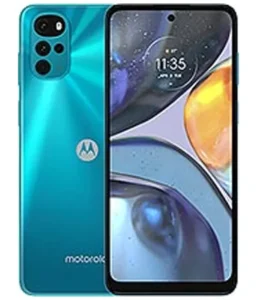
What Makes the Motorola Moto G22 Worth Buying?
The Motorola Moto G22 carves out its space in the budget segment by delivering features typically reserved for pricier devices. The 90Hz IPS LCD display stands as the phone’s most immediate differentiator, bringing smoother scrolling and improved responsiveness that makes everyday interactions feel more fluid. While many competitors in this price range stick with standard 60Hz panels, Motorola’s decision to include a higher refresh rate creates a noticeably more premium user experience when navigating menus, browsing social media, or playing compatible games.
Battery endurance emerges as another compelling reason to consider the G22. The substantial 5000mAh capacity easily carries users through a full day of typical usage without requiring a midday charge. Combined with the efficient MediaTek Helio G37 processor, the phone balances performance with power consumption effectively. Charging speeds vary by region, with Indian models supporting 20W fast charging while global variants offer 15W, both providing reasonably quick top-ups when needed.
The camera system punches above its weight class with a 50MP primary sensor featuring PDAF for faster focusing. This high-resolution main camera captures detailed images in favorable lighting conditions, producing photos suitable for social sharing and everyday documentation. The 8MP ultrawide lens adds versatility, allowing users to capture expansive landscapes or fit more subjects into group shots. The 16MP front-facing camera delivers sharp selfies and handles video calls with clarity that exceeds expectations for the price point.
Motorola includes practical features that enhance daily usability. The side-mounted fingerprint sensor integrates seamlessly into the power button, providing quick and convenient unlocking. A dedicated microSDXC card slot allows storage expansion without sacrificing dual SIM functionality. The water-repellent coating protects against accidental splashes and light rain. Running Android 12 out of the box, the G22 offers a clean software experience with minimal bloatware, staying true to Motorola’s reputation for delivering near-stock Android interfaces that prioritize simplicity and speed.
Things to Know Before Choosing the Motorola Moto G22
The display resolution presents the most noticeable limitation. At 720 x 1600 pixels spread across 6.5 inches, the screen density reaches only 268 ppi, resulting in text and images that appear less sharp than 1080p alternatives. Users who frequently read articles, view photos, or watch high-definition content will notice the difference in clarity. While the 90Hz refresh rate improves motion smoothness, it cannot compensate for the lower pixel density when it comes to actual image sharpness and detail rendering.
Performance constraints become evident with the MediaTek Helio G37 chipset and PowerVR GE8320 GPU. This entry-level processor manages basic tasks adequately but struggles under heavy multitasking or demanding applications. App loading times extend longer than mid-range devices, and switching between multiple apps sometimes results in noticeable delays. The processor’s 12nm manufacturing process, though functional, lags behind more modern 6nm or 8nm chips in terms of power efficiency and raw performance capabilities.
Gaming enthusiasts face significant limitations. The PowerVR GE8320 GPU handles casual titles like Candy Crush or Temple Run smoothly, but popular demanding games require substantial graphics compromises. PUBG Mobile, Call of Duty Mobile, and Genshin Impact either won’t run at acceptable frame rates or force players to select the lowest possible graphics settings. Even then, expect occasional stuttering during intense gameplay moments. The 4GB RAM configuration further restricts multitasking and gaming performance simultaneously.
Video recording capabilities remain basic. The camera maxes out at 1080p resolution at 30 frames per second, lacking 4K support or higher frame rate options for slow-motion capture. The absence of electronic or optical image stabilization means handheld footage often appears shaky, requiring steady hands or external stabilizers for smooth results. Low-light photography deteriorates quickly, with the 50MP sensor producing noisy, grainy images once natural light diminishes.
Build quality reflects the budget positioning. The plastic frame and back panel feel less premium than glass or metal alternatives, and the construction attracts fingerprints readily. While the water-repellent coating offers some protection, it doesn’t match true IP ratings for submersion resistance. NFC availability varies by market and region, potentially eliminating contactless payment options for some buyers. Motorola’s software update track record for budget devices suggests limited long-term support beyond one or two major Android version upgrades.
Is the Motorola Moto G22 Right for You?
Budget-conscious buyers seeking reliable smartphone fundamentals without overspending find the G22 hits the sweet spot. The phone excels at essential tasks like messaging, email, web browsing, and social media consumption. Users who primarily use their phones for WhatsApp conversations, Facebook scrolling, YouTube viewing, and occasional photography will discover the G22 meets their needs comfortably. The 5000mAh battery proves particularly valuable for heavy social media users who spend hours daily on Instagram, TikTok, or Twitter without worrying about running out of power.
First-time smartphone buyers and older adults transitioning from feature phones appreciate the clean Android 12 interface. Motorola’s near-stock approach minimizes confusion and eliminates overwhelming customization options, creating a straightforward learning curve. The large 6.5-inch display makes icons, text, and buttons easy to see and tap, while the side-mounted fingerprint sensor offers an intuitive unlocking method. Parents purchasing phones for teenagers or pre-teens benefit from the affordable price point that doesn’t represent a massive financial risk.
Students on tight budgets find the G22 adequate for educational purposes. The device handles Google Classroom, Zoom video calls, document viewing, and research browsing without major issues. The expandable storage via microSDXC cards allows students to save educational materials, presentations, and project files without constantly managing space. The long battery life supports full school days plus commute time without requiring access to charging outlets.
Casual photographers who shoot primarily in daylight will find the 50MP camera satisfactory. The phone captures decent vacation photos, family gatherings, and spontaneous moments when lighting cooperates. The ultrawide lens adds creative flexibility for landscape shots or architectural photography. However, the camera struggles in challenging conditions, making it unsuitable for photography enthusiasts seeking consistent quality across various scenarios.
The G22 disappoints several user groups. Mobile gamers seeking smooth performance in popular titles should look elsewhere, as the Helio G37 simply cannot deliver acceptable gaming experiences beyond casual puzzle games. Content creators recording videos for YouTube or TikTok need better video capabilities, including 4K recording and stabilization. Power users who multitask aggressively across numerous apps will find the 4GB RAM insufficient. Photography enthusiasts requiring strong low-light performance or professional-grade image quality must explore higher-tier options. Anyone wanting the sharpest possible display should prioritize phones with 1080p screens, even if it means sacrificing the 90Hz refresh rate.
Best Alternatives to the Motorola Moto G22
The Xiaomi Redmi Note 11 competes directly with superior specifications across multiple categories. Its 1080p AMOLED display delivers dramatically sharper images and more vibrant colors compared to the G22’s 720p IPS LCD panel. The Snapdragon 680 processor provides noticeably better performance for both general use and light gaming. Xiaomi includes 33W fast charging that significantly reduces charging times, though the company’s MIUI interface adds considerably more bloatware than Motorola’s clean Android experience.
Samsung Galaxy A13 targets similar buyers with a 50MP camera system and larger 6.6-inch display. Samsung’s One UI software delivers more features and guaranteed longer update support, typically providing three years of Android version updates and four years of security patches. The Exynos 850 processor performs comparably to the Helio G37, though Samsung’s optimization sometimes extracts slightly better real-world performance. The A13 lacks the 90Hz refresh rate found on the G22, settling for a standard 60Hz panel.
Realme C35 offers a sharper 1080p display that immediately improves the viewing experience for reading, photos, and videos. The Unisoc Tiger T616 processor delivers marginally better performance than the Helio G37, particularly in graphics-intensive tasks. Realme includes 18W fast charging and maintains the 5000mAh battery capacity. However, Realme UI adds substantial bloatware and aggressive notifications that some users find intrusive, contrasting sharply with Motorola’s minimalist approach.
Nokia G21 emphasizes longevity and software support through Android One certification. Nokia guarantees two years of OS upgrades and three years of monthly security updates, providing exceptional long-term value for buyers prioritizing device longevity. The Unisoc T606 processor performs similarly to the Helio G37, and the 5050mAh battery matches the G22’s endurance. Nokia’s commitment to pure Android experiences aligns with Motorola’s philosophy, though the G21’s 90Hz display gives the G22 a slight edge in smoothness.
Poco M4 Pro 4G appeals to performance-focused buyers with its MediaTek Helio G96 processor, delivering substantially better gaming capabilities than the G22. The 1080p AMOLED display combines sharpness with vibrant colors and deeper blacks. Poco includes 33W fast charging and maintains a 5000mAh battery. The device costs slightly more than the G22 but justifies the premium through meaningful performance upgrades. However, Poco’s MIUI-based interface includes considerable bloatware and advertisements that diminish the user experience.
Motorola Moto G22 Frequently Asked Questions
Does the Motorola Moto G22 support 5G networks?
The Motorola Moto G22 does not support 5G connectivity. The device operates exclusively on GSM, HSPA, and LTE networks, with 4G LTE representing its fastest data connection option. The MediaTek Helio G37 chipset lacks an integrated 5G modem, which helps keep manufacturing costs down but limits future network compatibility as 5G infrastructure expands globally.
For buyers in regions where 5G networks are already widespread or rapidly deploying, this limitation might impact long-term device relevance. However, LTE networks remain robust and will continue supporting data connectivity for many years, making the absence of 5G acceptable for budget-conscious buyers prioritizing current functionality over future-proofing.
How does the 90Hz display improve the user experience?
The 90Hz refresh rate updates screen content 90 times per second compared to standard 60Hz displays that refresh 60 times per second. This higher refresh rate creates noticeably smoother motion when scrolling through websites, social media feeds, or menus. Animations appear more fluid, touch response feels more immediate, and the overall interface interaction gains a premium quality typically associated with more expensive devices.
The difference becomes most apparent during rapid scrolling or when playing games that support higher frame rates. However, the benefit doesn’t improve the actual pixel density or sharpness of content, meaning text and images still appear at 720p resolution. The 90Hz display consumes more battery than 60Hz panels, though the 5000mAh capacity adequately compensates for this increased power draw during typical daily usage.
Can the Moto G22 handle popular mobile games?
The Moto G22 handles very casual games like Candy Crush, Subway Surfers, and simple puzzle games smoothly. However, demanding titles like PUBG Mobile, Call of Duty Mobile, Genshin Impact, or Asphalt 9 face significant performance challenges. The MediaTek Helio G37 processor and PowerVR GE8320 GPU represent entry-level gaming hardware that struggles with graphics-intensive applications. Players attempting these popular titles must reduce graphics settings to their absolute lowest levels, and even then, frame rates remain inconsistent with noticeable stuttering during intense gameplay moments.
The 90Hz display could theoretically enhance gaming smoothness, but the processor cannot generate enough frames to take advantage of this capability in demanding games. Buyers prioritizing mobile gaming should consider devices with at least a Snapdragon 680, MediaTek Helio G85, or better processors designed specifically for gaming workloads.
What camera performance can users expect from the 50MP sensor?
The 50MP primary camera delivers impressive results in bright, well-lit conditions such as outdoor daylight photography. The sensor captures substantial detail that allows for cropping without significant quality loss, producing images suitable for social media sharing and general documentation. The PDAF autofocus system locks onto subjects quickly, reducing blurry photos caused by focus hunting. The 8MP ultrawide camera adds versatility for landscape shots and group photos requiring wider field of view. However, image quality deteriorates rapidly in challenging lighting conditions.
Indoor photography shows reduced sharpness and less accurate colors, while low-light and nighttime shots become grainy with significant noise and poor detail retention. The camera lacks optical image stabilization and advanced computational photography features found in mid-range devices, limiting its versatility. Video recording maxes out at 1080p 30fps without stabilization, resulting in shaky footage unless users maintain very steady hands or use external stabilizers.
How long does the battery last and how fast does it charge?
The 5000mAh battery delivers exceptional endurance for typical usage patterns. Light users who primarily text, browse social media, and make occasional calls can easily achieve two full days between charges. Moderate users engaging in several hours of screen-on time daily through video streaming, web browsing, and photography typically complete a full day with 20-30% battery remaining.
Heavy users pushing the phone with constant screen time, gaming, and intensive app usage should expect a full day of use before requiring overnight charging. Charging speeds vary by region, with Indian market devices supporting 20W fast charging that fully replenishes the battery in approximately 2 hours, while global variants include 15W charging requiring roughly 2.5 to 3 hours for complete charging. Both charging speeds represent reasonable performance for the budget segment, though neither matches the 30W or faster charging found on some competing devices in similar price ranges.