
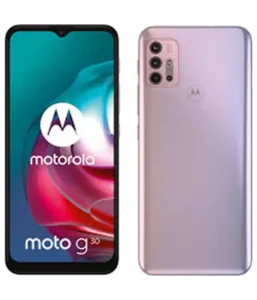
What Makes the Motorola Moto G30 Worth Buying?
The Motorola Moto G30 targets budget-conscious buyers who want a quad-camera system without premium pricing. The 64MP main sensor captures detailed photos for everyday use, handling social media posts and family snapshots with ease. The f/1.7 aperture helps gather more light compared to typical budget phone cameras, improving low-light performance moderately.
Battery life stands as a major strength with the 5000 mAh capacity. This large battery easily powers through a full day of moderate to heavy use, from morning alarms to evening streaming sessions. Light users who primarily text, browse, and make calls can stretch the battery into a second day without worry. The charging speed varies by market at 15W or 20W, providing adequate replenishment overnight.
The 6.5-inch display with 90Hz refresh rate brings smoother scrolling to the budget segment. This higher refresh rate makes browsing through social feeds, reading articles, and navigating menus feel more responsive than standard 60Hz screens. While the 720 x 1600 resolution won’t match sharper displays, the smoothness adds a premium feel to daily interactions.
Camera versatility exceeds expectations for the price point. The 8MP ultrawide with 118-degree field of view handles group photos and landscape shots effectively. The 2MP macro lens allows close-up photography of small subjects, though its usefulness remains limited compared to the main sensors. An auxiliary lens rounds out the quad-camera setup, providing flexibility for various shooting scenarios.
Practical features often disappearing from modern phones remain here. The 3.5mm headphone jack works with existing wired headphones without adapters. FM radio with RDS and recording capability provides free entertainment without using mobile data. The water-repellent design protects against splashes and light rain. Dual SIM support through two Nano-SIM slots allows using two phone numbers, though adding a microSD card requires sacrificing one SIM slot.
Things to Know Before Choosing the Motorola Moto G30
Performance limitations become apparent with demanding tasks. The Snapdragon 662 chipset, built on 11nm technology, handles basic apps and social media reasonably but struggles with graphics-intensive games and heavy multitasking. The Adreno 610 GPU provides entry-level graphics processing. Users coming from mid-range or flagship phones will notice the slower processing speeds and occasional lag.
Memory configurations provide modest specifications across all variants. The phone comes with either 64GB or 128GB storage paired with 4GB or 6GB RAM. The eMMC 5.1 storage technology reads and writes slower than UFS 2.1 or newer standards, affecting app loading times and file transfers. The 4GB RAM variant particularly struggles when running multiple apps simultaneously.
Display resolution sits at 720 x 1600 pixels, translating to approximately 269 pixels per inch. While the 90Hz refresh rate adds smoothness, the lower resolution means text and images won’t look as sharp as phones with 1080p or higher displays. Users who watch lots of high-definition content or value crisp text might notice the difference, though casual users often find it acceptable for daily tasks.
Software updates have reached their limit with Android 12. The phone launched with Android 11 and received one major OS upgrade. Future Android versions beyond 12 won’t arrive, and security patch support may have ended or will conclude soon. Buyers wanting guaranteed long-term software support should consider newer models with extended update commitments.
Build materials use budget-appropriate construction with a glass front, plastic back, and plastic frame. This keeps costs down and weight manageable at 200 grams, but the feel in hand won’t match phones with metal frames or glass backs. The water-repellent design provides basic splash protection but doesn’t carry an official IP rating for water or dust resistance.
The microSDXC card slot uses a shared SIM slot design. This means users must choose between dual SIM functionality and storage expansion. Running two SIM cards requires forgoing the microSD card, while adding storage means sacrificing the second SIM. This limitation frustrates users who need both features simultaneously.
Is the Motorola Moto G30 Right for You?
Budget Buyers: Value-conscious shoppers get essential smartphone features at an accessible price. The 64MP camera produces acceptable photos for social media and everyday memories. The large 5000 mAh battery eliminates constant charging anxiety. The 90Hz display adds a premium touch to the experience. The headphone jack and FM radio provide features disappearing from expensive phones. However, the Snapdragon 662 means this phone focuses on value rather than performance.
Students: Students watching their spending find practical value here. The large battery survives long days on campus without frequent charging. The headphone jack works perfectly for listening to lectures or studying with music. The 90Hz display makes reading course materials and taking notes feel responsive. Expandable storage through microSD helps with documents and offline content, though it means choosing between storage and dual SIM. The modest 4GB RAM might frustrate students running multiple productivity apps simultaneously.
Seniors and Light Users: Older users wanting a simple, reliable phone find the Moto G30 appropriate. The large 6.5-inch display shows text and icons clearly. Battery life lasts multiple days with light calling and texting. The headphone jack works with existing wired accessories. FM radio provides entertainment without complicated streaming apps. GPS, GLONASS, and GALILEO positioning ensure accurate navigation. The rear-mounted fingerprint sensor sits in a natural position for index finger unlocking.
First-Time Smartphone Buyers: Users upgrading from feature phones find the transition manageable. The phone handles essential tasks like calls, texts, email, and web browsing without issues. The FM radio with recording capability offers familiar functionality. The camera system captures memories without overwhelming complexity. The water-repellent design protects against common accidents. Dual SIM support allows maintaining existing phone numbers during the transition.
Photography Enthusiasts: Camera-focused buyers should manage expectations. The 64MP main sensor produces decent daylight photos, but the 0.7µm pixel size limits low-light performance. The 8MP ultrawide adds versatility for landscapes and group shots. The 2MP macro serves limited practical use. Video recording maxes out at 1080p at 60fps without advanced stabilization. Users wanting quality cameras with optical zoom, better sensors, or advanced video features should explore phones with superior camera systems.
Mobile Gamers: Serious gamers should look elsewhere. The Snapdragon 662 with Adreno 610 GPU handles casual games like Candy Crush and Among Us adequately. Popular titles like PUBG Mobile and Call of Duty Mobile run at lower graphics settings with occasional frame drops. Graphics-intensive games like Genshin Impact struggle to maintain playable performance. The modest RAM and slower processor create noticeable limitations. Players wanting smooth gaming experiences need phones with Snapdragon 7-series or higher processors.
Power Users: Heavy multitaskers need more capable devices. The 4GB RAM struggles juggling multiple demanding apps. The Snapdragon 662 shows its age with intensive applications. The eMMC 5.1 storage feels slow compared to UFS standards. The 15W-20W charging takes considerable time to fully charge the 5000 mAh battery. Power users should consider mid-range phones with at least 6GB RAM, faster processors, and quicker charging speeds.
Best Alternatives to the Motorola Moto G30
The Xiaomi Redmi Note 10 offers similar pricing with better specifications across the board. The phone includes an AMOLED display with higher resolution, providing sharper visuals and deeper blacks. The Snapdragon 678 processor delivers better performance than the 662. The camera system includes a 48MP main sensor with improved processing. However, Xiaomi’s MIUI interface includes more bloatware than Motorola’s cleaner software experience.
Samsung’s Galaxy A22 provides comparable features with Samsung’s ecosystem integration. The phone typically includes better display quality and more consistent camera performance. Samsung’s update policy generally provides longer software support than Motorola for budget models. The build quality often feels more premium. Trade-offs include potentially slower performance and Samsung’s One UI interface, which some find more cluttered than stock Android.
Realme’s budget offerings in the Realme 8 series deliver better performance at similar price points. The phones typically include faster charging speeds, better processors, and higher resolution displays. The camera processing often produces more appealing photos straight from the camera. However, Realme’s ColorOS interface deviates more from stock Android than Motorola’s approach, and update commitments remain unclear.
Nokia’s budget lineup emphasizes durability and clean software. Nokia commits to Android One program updates, providing cleaner software closer to stock Android. The phones typically receive longer security patch support. Build quality focuses on durability over flashiness. However, Nokia phones sometimes feel slower than spec sheets suggest, and camera performance lags behind competitors.
Motorola’s own Moto G series offers alternatives. The Moto G10 provides similar features at a lower price with modest spec reductions. The Moto G40 Fusion or Moto G60 step up performance with better processors, higher resolution displays, and faster charging while maintaining Motorola’s clean software approach. These alternatives within the same brand family provide options for different budgets and performance needs.
Motorola Moto G30 Frequently Asked Questions
Does the Motorola Moto G30 support 5G?
No, the Motorola Moto G30 does not support 5G connectivity. The phone supports GSM, HSPA, and LTE networks only. The Qualcomm Snapdragon 662 chipset does not include a 5G modem, limiting the phone to 4G LTE as the fastest network option. Users in areas with 5G coverage or those wanting to future-proof their purchase should consider the Moto G 5G series or other 5G-capable alternatives. For everyday use with current 4G LTE networks, the phone provides adequate connectivity for browsing, streaming, and downloading.
Can I use two SIM cards and a microSD card at the same time?
No, the Motorola Moto G30 uses a shared SIM slot design, requiring users to choose between dual SIM functionality and storage expansion. The phone supports either two Nano-SIM cards for dual SIM use, or one Nano-SIM card plus one microSDXC card for expandable storage. Users cannot simultaneously use two SIM cards and a microSD card. This limitation means travelers or users needing work and personal numbers must forgo storage expansion, while those needing extra storage must operate with a single SIM card.
How long does the battery last on the Motorola Moto G30?
The 5000 mAh battery provides excellent endurance for most users. Light users who primarily make calls, send texts, and browse occasionally can expect two full days between charges. Moderate users with regular social media, video streaming, and web browsing typically get a complete day without needing to recharge. Heavy users who push the phone with gaming, constant screen time, and maximum brightness still make it through most of the day. The charging speed varies by market at 15W or 20W wired charging, taking approximately two to three hours to fully charge from empty.
What Android version does the Motorola Moto G30 run?
The Motorola Moto G30 launched with Android 11 and is upgradable to Android 12. The phone has reached the end of its major OS update cycle, having received one major Android version upgrade. Android 12 represents the final major OS version for this device. Security patch support may have concluded or will end soon, as Motorola typically provides limited update commitments for budget models. Users wanting longer software support and guaranteed future Android versions should consider newer phone models or manufacturers offering extended update policies.
Does the Motorola Moto G30 have a headphone jack?
Yes, the Motorola Moto G30 includes a 3.5mm headphone jack, allowing users to connect wired headphones, earbuds, or auxiliary cables directly to the phone without adapters. This feature has become increasingly rare in modern smartphones, making the Moto G30 a practical choice for users with existing wired audio accessories. The phone also includes a loudspeaker for media playback without headphones. Bluetooth 5.0 connectivity with A2DP and LE support provides wireless audio options for those who prefer it, but the headphone jack preserves compatibility with traditional wired listening devices.