
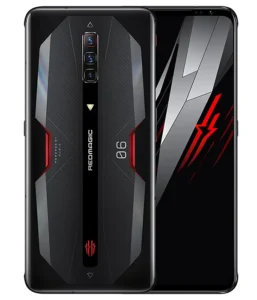
What Makes the Nubia RedMagic 6 Worth Buying?
The Nubia RedMagic 6 pushes mobile gaming into territory most smartphones never approach. The 165Hz AMOLED display delivers refresh rates that exceed even many gaming monitors, creating buttery-smooth visuals that competitive gamers crave. This ultra-high refresh rate makes fast-paced shooters, racing games, and action titles feel incredibly responsive. The 6.8-inch screen with 1 billion color support and 630 nits brightness provides immersive gaming experiences with vibrant imagery visible even in bright outdoor conditions.
Gaming-focused engineering defines this device through and through. The built-in cooling fan actively manages heat during extended gaming sessions, allowing the Snapdragon 888 processor to maintain peak performance without thermal throttling. Most phones slow down after 10-15 minutes of intensive gaming as temperatures rise—the RedMagic 6’s active cooling system pushes that limit considerably further. Pressure-sensitive zones with 400Hz touch-sensing create shoulder button alternatives, giving mobile gamers control schemes closer to traditional gaming controllers.
Performance credentials impress with the flagship Snapdragon 888 chipset built on 5nm process technology. This processor dominated 2021 flagship phones, delivering exceptional gaming performance through the Adreno 660 GPU. Configuration options reach 12GB RAM paired with up to 256GB UFS 3.1 storage, ensuring games load rapidly and multitasking remains smooth. The combination handles demanding titles like Genshin Impact, PUBG Mobile, and Call of Duty Mobile at maximum graphics settings with consistent high frame rates.
Charging speed addresses a common gaming phone concern. The 5050mAh battery refills completely in just 38 minutes using 66W wired charging with PD3.0 and QC4 support. This rapid charging means a quick bathroom break or meal provides enough power for hours of additional gaming. The battery capacity handles marathon gaming sessions, though sustained maximum-brightness gaming with the 165Hz display active will drain power faster than typical smartphone usage.
Audio quality receives proper attention with stereo speakers and a 3.5mm headphone jack supporting 32-bit/384kHz Hi-Res audio. Serious gamers who prefer wired headphones for zero latency get direct connection without dongles. The high-resolution audio support ensures music and game soundtracks sound detailed and rich. Bluetooth 5.1 with aptX provides excellent wireless audio quality for those preferring freedom of movement.
The camera system, while not the device’s primary focus, delivers respectable results. The 64MP main sensor captures detailed photos in good lighting, and the 8MP ultrawide lens handles landscape shots or group photos. Video recording reaches impressive 8K at 30fps, plus 4K at 60fps and 1080p at up to 240fps for slow-motion capture. The high frame rate options suit content creators producing gaming clips or action videos.
5G connectivity future-proofs the device for next-generation mobile networks. Wi-Fi 6 support ensures fast wireless performance for game downloads and online multiplayer. Dual SIM capability allows maintaining separate numbers for personal and professional use, or inserting local SIM cards when traveling internationally. NFC enables contactless payments and quick device pairing.
Things to Know Before Choosing the Nubia RedMagic 6
The gaming-centric design creates trade-offs that mainstream users should consider carefully. At 220 grams and 9.7mm thick, this device feels noticeably heavier and bulkier than typical smartphones. The weight creates hand fatigue during extended one-handed use for non-gaming tasks like browsing or messaging. The design prioritizes cooling performance and battery capacity over slimness, which makes sense for gaming but feels excessive for everyday carry.
Software support from Nubia historically lags behind major manufacturers. The device ships with Android 11 and Redmagic 4.0 interface, but long-term OS updates and security patches arrive infrequently compared to Samsung, Google, or OnePlus. Users should temper expectations for receiving Android 12, 13, or beyond. The gaming-optimized software includes useful features for gamers but may lack polish in daily productivity scenarios.
The 165Hz display, while spectacular for gaming, drains battery significantly faster than standard 60Hz or even 120Hz screens. Users must balance the desire for ultra-smooth visuals against battery conservation. Running the display at maximum refresh rate constantly can reduce all-day battery life to half-day or less depending on usage intensity. Gaming modes typically manage this automatically, but daily tasks don’t always need 165Hz responsiveness.
Camera performance trails flagship photography phones substantially. The 64MP sensor produces decent results but lacks optical image stabilization, advanced computational photography, and the sophisticated processing algorithms found in devices from Apple, Samsung, or Google. Low-light photography particularly struggles compared to dedicated camera phones. The 8MP selfie camera delivers basic results suitable for video calls but disappoints users expecting flagship-quality front-facing imagery.
The built-in cooling fan, while effective, produces audible noise during operation. Some users find the whirring sound distracting, particularly in quiet environments. The fan activates automatically based on thermal conditions, meaning it may spin up during demanding tasks beyond just gaming. Users in libraries, offices, or other sound-sensitive environments should consider whether fan noise creates awkwardness.
Storage lacks expandability—there’s no microSD card slot. The maximum 256GB configuration must accommodate all games, media, and files permanently. Modern mobile games easily consume 5-10GB each, and serious gamers quickly fill storage. Users accustomed to expandable storage may feel constrained by fixed capacity limits.
The pressure-sensitive shoulder triggers require learning and customization. They enhance gaming once mastered but add complexity that casual users might never utilize. The gaming-focused interface sometimes prioritizes game optimization over general usability, creating occasional friction for non-gaming tasks.
Build quality uses glass front and back with an aluminum frame, which feels premium but creates fragility concerns. The lack of IP rating means the device lacks certified water or dust resistance. Gamers who play during commutes or outdoors face greater risk from accidental drops or moisture exposure compared to devices with IP68 certification.
Is the Nubia RedMagic 6 Right for You?
Competitive Mobile Gamers: Players serious about mobile esports or competitive rankings will appreciate every advantage the RedMagic 6 offers. The 165Hz display with 400Hz touch sampling provides responsiveness that outpaces opponents using standard phones. The active cooling prevents thermal throttling during tournament matches or ranked sessions lasting hours. Shoulder triggers enable more complex control schemes that mirror console gameplay. The Snapdragon 888 runs games at maximum settings with consistent frame rates. This device levels the playing field against dedicated gaming phones while costing less than flagship alternatives.
Casual Gamers with Heavy Usage: Players who enjoy mobile games frequently but don’t compete professionally still benefit from gaming optimizations. The smooth display makes even casual games feel premium, and the powerful processor ensures new game releases run excellently for years. The large battery and fast charging support long gaming sessions without constant charging anxiety. The 3.5mm jack connects favorite wired headphones without adapters. However, the bulk and weight may annoy users during non-gaming activities.
Content Creators Focused on Gaming: YouTubers and streamers producing gaming content gain useful tools. The 8K and high frame rate video recording captures smooth gameplay footage. The powerful processor handles screen recording and basic editing without slowdowns. The large, vibrant display aids content review and editing on-device. The fast charging keeps production moving during shooting days. However, the camera system’s limitations mean creators need separate equipment for vlogs or non-gaming content requiring better image quality.
Tech Enthusiasts and Early Adopters: Users who love cutting-edge technology and want the fastest refresh rates available will enjoy the bragging rights. The 165Hz display represents the upper limit of smartphone screen technology from 2021. The active cooling fan demonstrates unique engineering rarely seen in consumer electronics. The Snapdragon 888 delivers flagship performance. Tech enthusiasts who forgive software update delays and camera compromises in exchange for bleeding-edge gaming specs will find satisfaction.
Budget-Conscious Performance Seekers: Shoppers wanting flagship-level processing power at mid-range prices discover competitive value. The Snapdragon 888 typically commands premium pricing, but gaming phones often undercut photography-focused flagships. Users willing to sacrifice camera quality, water resistance, and long-term software support for raw performance and gaming features maximize value. The 66W charging and 165Hz display add features often missing from similarly priced alternatives.
Students and Young Gamers: Younger users who game extensively but need phone functionality for school or social life find a capable all-arounder. The device handles productivity apps, social media, and communication adequately while excelling at entertainment. The 5G connectivity and Wi-Fi 6 support ensure fast speeds for downloads and streaming. The dual SIM capability works well for international students. However, the weight and bulk may frustrate users who prefer lighter devices for all-day carry.
General Users and Smartphone Photographers: Mainstream consumers prioritizing camera quality, compact design, or polished software experiences should avoid this device. The gaming optimizations create unnecessary complexity for users who rarely game. The weight feels burdensome during everyday tasks, and the camera system disappoints compared to similarly priced mainstream flagships. The uncertain software update timeline poses risks for users keeping phones 3+ years. The lack of water resistance creates anxiety during daily use.
Professional Users: Business professionals need reliable software, frequent security updates, and polished productivity features—areas where the RedMagic 6 underdelivers. The gaming aesthetic and bulky design feel out of place in corporate environments. The fan noise during video calls or meetings creates awkward situations. Mainstream flagships from Samsung or Apple better serve professional needs despite costing more.
Photography Enthusiasts: Anyone prioritizing image quality should look elsewhere. The camera hardware and software lag behind dedicated photography phones significantly. The lack of optical image stabilization, telephoto lens, and advanced computational photography limits creative possibilities. The 2MP macro camera delivers gimmicky results. Serious photographers need devices from Apple, Samsung, Google, or other camera-focused manufacturers.
Best Alternatives to the Nubia RedMagic 6
The ASUS ROG Phone 5 targets the same gaming audience with similar specifications and additional refinements. It features a 6.78-inch 144Hz AMOLED display that sacrifices 21Hz compared to the RedMagic 6 but includes better color calibration and brighter peak output. The device packs a larger 6000mAh battery for extended gaming sessions, though charging tops out at 65W versus the RedMagic’s 66W. The ROG Phone 5 includes superior audio with front-facing stereo speakers and better haptic feedback. ASUS provides more comprehensive software support and gaming accessories. The device costs more but delivers more polished overall execution.
Lenovo Legion Phone Duel 2 takes an unconventional approach with a pop-up side-mounted selfie camera designed for landscape gaming streams. It features a 144Hz AMOLED display and Snapdragon 888 processor matching the RedMagic 6’s performance tier. The device includes dual USB-C ports enabling simultaneous charging and accessory connection. The unique cooling system with dual fans provides even better thermal management than the RedMagic 6. The landscape-oriented design feels purpose-built for gaming but awkward for portrait-mode daily tasks.
OnePlus 9 balances gaming capability with mainstream flagship features. While its 120Hz display can’t match the RedMagic 6’s 165Hz, the Snapdragon 888 processor delivers equivalent performance. The OnePlus 9 provides superior camera quality through Hasselblad partnership, better software support with OxygenOS, and more refined daily user experience. It weighs less and feels more comfortable for all-day carry. Gamers sacrifice the shoulder triggers and active cooling but gain a more balanced device excelling at multiple tasks.
Samsung Galaxy S21 represents the mainstream flagship alternative for users wanting versatility. The 120Hz display, Snapdragon 888 processor (in some regions), and excellent camera system create an all-arounder that games well while excelling at photography and productivity. Samsung guarantees multi-year Android updates and monthly security patches. The device includes IP68 water resistance and wireless charging missing from the RedMagic 6. It costs more but delivers better long-term value through superior support and broader capabilities.
Black Shark 4 Pro competes directly in the gaming phone space with a 144Hz AMOLED display, Snapdragon 888 processor, and physical pop-up shoulder triggers. The device includes a larger 4500mAh battery with faster 120W charging reaching full capacity in just 15 minutes. The liquid cooling system provides thermal management comparable to the RedMagic 6’s active fan. Black Shark offers slightly better gaming accessory ecosystem but similar software support concerns.
Xiaomi Mi 11 provides flagship experiences across all categories with a 120Hz AMOLED display, Snapdragon 888 processor, and exceptional 108MP camera system. While the display refresh rate trails the RedMagic 6, the overall package delivers better photography, more polished software, and premium build quality. The device handles gaming capably while excelling at daily tasks the RedMagic 6 treats as secondary priorities.
Nubia RedMagic 6 Frequently Asked Questions
Does the built-in cooling fan make a lot of noise during gaming?
The active cooling fan produces audible whirring sounds when operating, with noise levels varying based on fan speed. During intensive gaming sessions pushing the Snapdragon 888 to maximum performance, the fan spins faster and becomes noticeably audible—roughly comparable to a small laptop cooling fan. In quiet environments like libraries or bedrooms at night, the sound becomes quite apparent and may distract others nearby. During casual gaming or less demanding tasks, the fan typically runs quieter or remains off entirely. Users can often adjust fan behavior through gaming mode settings, balancing thermal performance against noise levels. Gamers using headphones typically won’t notice the fan sound during gameplay, though it remains audible to people around them.
How does the 165Hz display affect battery life compared to standard refresh rates?
Running the 165Hz display at maximum refresh rate constantly drains the battery significantly faster than standard 60Hz operation—typically reducing battery life by 30-40% depending on usage patterns. Gaming at 165Hz with maximum brightness can reduce the 5050mAh battery from all-day endurance to 4-6 hours of screen-on time. The device typically includes adaptive refresh rate options that automatically lower the rate during static content or less demanding tasks to conserve power. Users can manually select refresh rates like 60Hz, 90Hz, 120Hz, or 165Hz based on their needs. For maximum battery life during non-gaming use, dropping to 60Hz or 90Hz extends runtime substantially while still feeling smooth for browsing and messaging.
Can the shoulder triggers be used in any game, or only specific titles?
The pressure-sensitive shoulder trigger zones work system-wide, allowing mapping to any on-screen touch location across all apps and games. Users access trigger customization through the gaming mode interface, where they can assign the left and right triggers to specific screen coordinates corresponding to in-game buttons. This universal compatibility means the triggers function in virtually any game, though users must manually configure mappings for each title. Popular games often include community-shared trigger profiles that users can download rather than creating mappings from scratch. The triggers require some learning curve to use effectively, and not all games benefit equally—shooters and action games gain more advantage than puzzle or strategy titles.
Is the camera quality good enough for everyday photography and social media?
The 64MP main camera captures respectable photos in good lighting conditions suitable for social media posting and casual photography. Image quality works fine for documenting daily life, sharing food photos, or capturing memories with friends. However, the camera trails dedicated photography phones in several areas. Low-light performance struggles without optical image stabilization, producing softer images or requiring longer exposure times that increase blur. The camera processing lacks the computational photography sophistication found in flagship devices, resulting in less dynamic range and occasionally inconsistent white balance. The 2MP macro camera delivers gimmicky results rarely worth using. For users prioritizing photography, the camera feels like an afterthought, but casual users posting to Instagram or Facebook will find it adequate.
How long does the device stay cool during extended gaming sessions with the fan running?
The built-in cooling fan significantly extends thermal performance compared to passively-cooled devices. During intensive gaming pushing the Snapdragon 888 to maximum performance, the fan typically maintains comfortable temperatures for 30-60 minutes before heat buildup becomes noticeable on the device exterior. The phone’s back remains noticeably cooler than fanless alternatives, though the sides and front near the processor eventually warm up. In practical terms, the active cooling allows sustained high-frame-rate gaming for significantly longer than competing devices that begin thermal throttling within 10-15 minutes. Marathon gaming sessions lasting multiple hours will still generate heat, but performance remains more consistent. Ambient temperature significantly affects results—gaming in air-conditioned rooms extends cool operation versus hot summer outdoor environments. The fan prevents the device from reaching uncomfortable-to-hold temperatures that plague some passive cooling designs.