
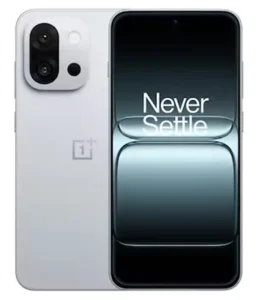
The OnePlus 13T arrives in April 2025 as a compact flagship that challenges the notion that powerful phones need massive screens. With its 6.32-inch display, this device targets users who want flagship performance without the bulk of today’s oversized smartphones. OnePlus packs the cutting-edge Snapdragon 8 Elite processor into a body measuring just 150.8 x 71.7 x 8.2 mm and weighing a mere 185 grams, making it one of the lightest and most pocketable flagships available.
The display delivers premium quality through its LTPO AMOLED panel supporting 120Hz refresh rate, one billion colors, and 1600 nits high brightness mode. Dolby Vision, HDR10+, and HDR Vivid certification ensure exceptional streaming quality. Crystal Shield Glass protects the screen, while 2160Hz PWM dimming reduces eye strain during extended use. The 19.5:9 aspect ratio creates a tall, narrow form factor that feels natural in hand and fits comfortably in pockets.
Camera capabilities focus on quality over quantity with a dual-lens setup. The 50MP main sensor features a large 1/1.56-inch size with optical image stabilization, while the 50MP telephoto provides 2x optical zoom for portraits and distant subjects. A color spectrum sensor enhances accuracy across both cameras. Video recording reaches 4K at 60fps with both gyro-EIS and optical stabilization, plus Dolby Vision HDR support for professional-grade footage.
Battery life impresses with a substantial 6260mAh silicon-carbon cell—remarkable for such a compact device. The 80W wired charging provides quick top-ups, reaching full capacity faster than overnight charging requires. Storage options span from 256GB to 1TB using fast UFS 4.0 technology, paired with either 12GB or 16GB of RAM. International markets run OxygenOS 15 while Chinese units ship with ColorOS 15, both based on Android 15. Connectivity includes dual or tri-band Wi-Fi 7, Bluetooth 5.4 with advanced codecs, and comprehensive satellite navigation. An infrared port allows controlling TVs and appliances, while IP65 rating provides splash resistance.
What Makes the OnePlus 13T Worth Buying?
The compact size sets this phone apart in a market dominated by 6.7-inch and larger displays. That 6.32-inch screen fits naturally in one hand, reaches all corners without stretching, and slides effortlessly into pockets. The 185-gram weight makes it disappear during extended use—no hand fatigue from holding it during lengthy calls or gaming sessions. Users tired of juggling oversized phones finally have a flagship option that prioritizes ergonomics without sacrificing specifications.
The Snapdragon 8 Elite processor delivers desktop-class performance in this pocket-friendly package. Built on a 3nm process, the octa-core chip features two Oryon V2 Phoenix L cores at 4.32 GHz and six Phoenix M cores at 3.53 GHz. The Adreno 830 GPU handles demanding games at maximum settings with consistent frame rates. This processor outperforms anything else in the compact phone category, putting the 13T on equal footing with much larger flagships in raw power.
Battery capacity defies physics with 6260mAh squeezed into such a small chassis. Silicon-carbon battery technology enables this density while maintaining safety and charging speed. Most compact phones sacrifice battery life, forcing users to choose between size and endurance. The 13T eliminates this compromise, easily powering through full days of heavy use. The 120Hz display and powerful processor drain battery faster than lower-spec phones, but the generous capacity compensates.
The display quality rivals phones twice the price. The LTPO AMOLED panel supports one billion colors with exceptional contrast and deep blacks. The 120Hz refresh rate keeps scrolling and animations buttery smooth. Dolby Vision, HDR10+, and HDR Vivid support ensures streaming services display content exactly as creators intended. The 1600 nits high brightness mode makes the screen readable in direct sunlight. The 2160Hz PWM dimming minimizes flickering, reducing eye strain during marathon viewing sessions or late-night scrolling.
Camera performance prioritizes quality through excellent hardware and processing. The 50MP main sensor uses a large 1/1.56-inch sensor size with 1.0µm pixels, capturing detailed photos with accurate colors. Optical image stabilization ensures sharp handheld shots even in dim lighting. The 50MP telephoto lens provides genuine 2x optical zoom, perfect for portraits with natural background blur and bringing distant subjects closer without digital artifacts. The color spectrum sensor enhances color accuracy across all shooting scenarios. Dolby Vision HDR video recording creates footage with professional-grade dynamic range.
Software experience varies by market but both options offer polish. International buyers receive OxygenOS 15, known for its clean interface and minimal bloatware. Chinese users get ColorOS 15, which offers extensive customization. Both run on Android 15, providing access to the latest features and security updates. OnePlus typically supports devices with multiple years of updates, ensuring the phone remains current and secure long after purchase.
Connectivity covers all bases with Wi-Fi 7 support future-proofing wireless networking. Bluetooth 5.4 with aptX HD and LHDC 5 codecs delivers exceptional wireless audio quality. The comprehensive satellite navigation system combines GPS, BDS, GALILEO, QZSS, and GLONASS for accurate positioning anywhere. NFC enables contactless payments, while the infrared port controls TVs and smart home devices. The eSIM support alongside dual nano-SIM slots provides flexibility for international travelers and those managing multiple numbers.
Things to Know Before Choosing the OnePlus 13T
The compact display size that makes this phone special also creates limitations. That 6.32-inch screen feels cramped for media consumption compared to 6.7-inch or larger displays. Movies, TV shows, and games don’t provide the same immersive experience. Reading documents, editing spreadsheets, and viewing photos all benefit from more screen real estate. Users who prioritize media consumption might find themselves squinting or wishing for more display area despite the phone’s other strengths.
Storage expansion remains impossible without a microSD card slot. Buyers must commit to their storage tier at purchase since there’s no way to add more later. While 256GB suits many users, mobile gamers installing multiple large titles or content creators storing extensive video should seriously consider the 512GB or 1TB options. Cloud storage helps but requires reliable internet and ongoing subscription costs. The lack of expandable storage has become standard in flagships but remains frustrating for users with extensive local storage needs.
Camera versatility suffers from the absence of an ultrawide lens. The dual-camera setup handles most scenarios well, but landscape photography, group photos in tight spaces, and architectural shots all benefit from an ultrawide field of view. Competitors at similar prices typically include triple or quad camera arrays with dedicated ultrawide sensors. Users who frequently shoot wide-angle content will notice this omission, though the excellent main and telephoto cameras partially compensate.
Charging speed lags behind some competitors despite respectable 80W wired charging. Several flagship phones now offer 100W, 120W, or faster charging, cutting charging times even further. The difference between 80W and 120W amounts to maybe 10-15 minutes, but users who value the absolute fastest charging might feel short-changed. The phone lacks wireless charging entirely, forcing reliance on cables. This omission disappoints users who’ve grown accustomed to the convenience of wireless charging pads at home and in cars.
The IP65 rating provides basic splash resistance but falls short of full water immersion protection. The phone survives rain, spills, and splashes, but accidental drops in pools, toilets, or sinks could prove catastrophic. Competitors often offer IP68 ratings that handle submersion up to 1.5-2 meters for 30 minutes. Beach trips, poolside use, and peace of mind during unexpected rain require more care with an IP65 rating. Users seeking maximum water protection should look elsewhere.
The front camera settles for 16MP without autofocus or advanced features. Selfie enthusiasts and frequent video callers might find this limiting compared to phones with higher-resolution front cameras featuring autofocus and advanced computational photography. The lack of 4K front video recording restricts vlogging potential. While 1080p at 30fps handles video calls adequately, content creators wanting high-quality selfie videos will feel constrained.
The USB Type-C port runs at 2.0 speeds rather than 3.0 or higher. This means slower file transfers when moving large video files, photo libraries, or app backups to computers. For users who frequently transfer large amounts of data via cable, this limitation adds frustration. Cloud storage and Wi-Fi transfers work around this, but nothing beats the speed of USB 3.0 or higher for large file operations.
Is the OnePlus 13T Right for You?
Users seeking compact flagship performance will find the 13T perfectly suited to their needs. The combination of Snapdragon 8 Elite power, 6260mAh battery, and 6.32-inch form factor addresses a neglected market segment. People with smaller hands, those who prioritize one-handed operation, or users tired of phones that feel like tablets will appreciate the ergonomics. The device slides into pockets without bulging, sits comfortably during extended use, and reaches all corners of the screen without hand gymnastics. Daily tasks—messaging, browsing, social media, photography—feel natural and effortless.
Mobile gamers wanting flagship performance in a manageable size should consider this phone seriously. The Snapdragon 8 Elite and Adreno 830 GPU crush demanding titles at maximum settings. The 120Hz LTPO display delivers smooth gameplay, while the compact size reduces hand fatigue during extended sessions. The large battery sustains hours of gaming without anxiety. Stereo speakers provide spatial awareness in competitive games. The phone stays cool during intense gaming thanks to efficient thermal management in the compact chassis. Competitive gamers gain comfort advantages during tournaments or ranked matches.
Photography enthusiasts who primarily shoot people and everyday scenes will appreciate the dual-camera setup. The 50MP main sensor with OIS captures stunning detail in various lighting conditions. The telephoto lens excels at portraits, bringing out facial features while creating natural background blur. Street photography benefits from the compact size—the phone draws less attention than larger devices and handles quickly. The color spectrum sensor ensures accurate colors across all shots. Dolby Vision HDR video recording produces professional-quality footage for YouTube or personal projects.
Frequent travelers benefit from the compact size and comprehensive connectivity. The phone fits easily into airplane seatback pockets and doesn’t burden carry-on luggage. The dual nano-SIM plus eSIM configuration allows using local SIM cards while maintaining access to home numbers. Wi-Fi 7 ensures fast hotel and airport connectivity. The extensive satellite navigation system provides reliable positioning anywhere globally. The infrared port controls hotel room TVs and equipment. The substantial battery endures long travel days without constant charging anxiety.
Students and young professionals handling typical smartphone tasks will find excellent value. The compact size fits naturally into daily life—slipping into jean pockets, easily held during classes or meetings, and managed one-handed while carrying bags. Performance handles multitasking between productivity apps, social media, and entertainment without lag. The large battery survives full days of classes or work. The camera system captures notes from whiteboards and creates content for social media. The clean OxygenOS interface focuses on functionality over gimmicks.
This phone doesn’t suit media consumption enthusiasts who prioritize screen size. Users who primarily watch movies, binge TV series, or consume YouTube content for hours will find the 6.32-inch display limiting. The compact screen reduces immersion and makes details harder to discern. Those who use their phones as primary entertainment devices should consider larger displays for a better viewing experience. The 13T works fine for casual viewing but doesn’t match 6.7-inch or larger screens for dedicated media consumption.
Content creators needing versatile cameras with ultrawide capabilities should look elsewhere. The dual-camera setup handles most scenarios well but lacks the flexibility of triple or quad camera systems. Landscape photographers, vloggers shooting b-roll, and creators wanting diverse perspectives will miss the ultrawide lens. The 16MP front camera without 4K recording limits selfie video quality. Professional creators requiring comprehensive camera arrays find better options among competitors with more extensive lens collections.
Users demanding the absolute fastest charging speeds won’t find them here. While 80W charges quickly, competitors offer 100W, 120W, or faster options that save additional minutes. Users who value cutting mere seconds off charging times or who frequently need emergency top-ups might prefer faster-charging alternatives. The absence of wireless charging disappoints users invested in wireless charging ecosystems with pads throughout home and car.
Best Alternatives to the OnePlus 13T
The ASUS Zenfone 11 Ultra targets the same compact flagship segment with similar dimensions and flagship specifications. ASUS offers a comparable Snapdragon 8 Gen 3 processor (slightly less powerful than the 13T’s 8 Elite), a similar-sized display, and excellent camera capabilities. The Zenfone includes a gimbal-stabilized camera system for exceptional video stabilization. Build quality matches OnePlus with premium materials. ASUS prices competitively but lacks OnePlus’s brand recognition in many markets. Software updates typically trail OnePlus in frequency and longevity.
The Samsung Galaxy S24 brings Samsung’s polish and ecosystem integration. The 6.2-inch display sits close to the 13T’s 6.32-inch size, maintaining compactness. Samsung provides four years of OS updates and five years of security patches—exceeding typical OnePlus commitments. The Exynos 2400 or Snapdragon 8 Gen 3 (depending on region) delivers flagship performance, though the 13T’s 8 Elite has an edge. Samsung includes wireless charging, reverse wireless charging, and superior water resistance with IP68 rating. One UI offers extensive features but includes more pre-installed apps than OxygenOS. Premium pricing reflects Samsung’s market position.
The Google Pixel 8 emphasizes computational photography and seven years of guaranteed updates—unmatched in Android. The 6.2-inch display maintains manageability, though the Tensor G3 processor can’t match the Snapdragon 8 Elite’s raw performance. Google’s camera magic produces consistently excellent photos through advanced AI processing, often outperforming phones with superior hardware specs. The clean Android experience appeals to users preferring minimal interface customization. Charging tops out at 27W, significantly slower than the 13T’s 80W. Google Pixel excels at photography and software support but trails in raw performance and charging speed.
The iPhone 15 competes directly in the compact flagship space with its 6.1-inch display. The A17 Bionic chip delivers incredible performance and efficiency, trading blows with the Snapdragon 8 Elite. Apple’s camera system produces consistent results with outstanding video capabilities. Build quality and attention to detail exceed most Android competitors. iOS provides a different ecosystem with advantages for users invested in Apple services. Software support extends six or more years with timely updates. Pricing significantly exceeds the OnePlus 13T, especially at higher storage tiers. Users must accept iOS limitations and Apple’s ecosystem requirements.
The Xiaomi 14 offers flagship specifications with Leica-tuned cameras emphasizing computational photography. The Snapdragon 8 Gen 3 provides excellent performance close to the 13T’s capabilities. Xiaomi includes wireless charging at 50W alongside 90W wired charging, exceeding the 13T’s wired-only approach. The HyperOS interface offers extensive customization but includes bloatware in some regions. Build quality meets flagship standards with IP68 rating. Camera capabilities emphasize photography with advanced night modes and professional features. The 6.36-inch display sizes similarly to the 13T, maintaining compactness.
OnePlus 13T Frequently Asked Questions
Does the OnePlus 13T support wireless charging?
No, the OnePlus 13T does not include wireless charging capabilities. The device relies exclusively on 80W wired charging, which provides fast charging speeds but requires a cable connection. While wireless charging offers convenience for desk and bedside charging, the 80W wired charging compensates somewhat by reaching full battery faster than many wireless charging implementations. Users who prioritize wireless charging should consider alternative flagship devices that include this feature, though they may sacrifice the compact size or other specifications that make the 13T special.
How does the 6.32-inch display compare to standard flagship sizes?
The 6.32-inch display is significantly smaller than typical flagships that range from 6.7 to 6.9 inches. This creates a more pocketable, one-hand-friendly device that weighs only 185 grams compared to 200-230 grams for larger phones. The compact size reduces screen real estate for media consumption, gaming, and productivity tasks, but makes the phone far more ergonomic for daily use. The 1216 x 2640 resolution at 460 ppi maintains sharp image quality despite the smaller physical size. Users coming from 6.7-inch phones will notice the difference immediately—some will appreciate the manageability while others might miss the expansive viewing area. The 19.5:9 aspect ratio creates a tall, narrow form factor that fits naturally in hands and pockets.
Can I use two physical SIM cards and an eSIM at the same time?
The OnePlus 13T supports a maximum of two active connections simultaneously from its nano-SIM + nano-SIM + eSIM configuration. Users can activate two physical nano-SIM cards, one physical nano-SIM plus one eSIM, or potentially two eSIMs depending on carrier support, but only two connections can be active at any given time. This provides excellent flexibility for international travelers who want to maintain their home number while using local SIMs for data. Business users can separate work and personal numbers without carrying two phones. The tri-SIM capability offers more options than standard dual-SIM phones, though the two-active-connection limit means users must choose which lines to keep active when using all three slots.
What’s the difference between OxygenOS and ColorOS versions?
The OnePlus 13T ships with OxygenOS 15 in international markets and ColorOS 15 in China, both based on Android 15. OxygenOS provides a cleaner, more minimalist interface with less pre-installed software and a user experience closer to stock Android. ColorOS offers more extensive customization options, additional features, and different visual design language. Both versions support the same core functionality, apps, and services, but the day-to-day experience differs in interface design, pre-installed apps, and feature implementation. International buyers typically prefer OxygenOS for its cleaner approach, while Chinese users appreciate ColorOS’s feature density. Neither version can be easily swapped for the other after purchase, so buyers should consider which interface aligns with their preferences based on their purchase region.
How does the silicon-carbon battery affect performance and longevity?
The silicon-carbon battery technology enables the OnePlus 13T to pack 6260mAh capacity into a compact 185-gram chassis—remarkable energy density that wouldn’t be possible with traditional lithium-ion chemistry. Silicon-carbon batteries offer higher capacity in smaller spaces while maintaining fast charging capability and safety standards. The technology also promises better longevity with less capacity degradation over charge cycles compared to conventional batteries. Users can expect the battery to maintain higher capacity percentages after hundreds of charge cycles. The fast 80W charging works safely with silicon-carbon chemistry without the accelerated degradation sometimes associated with fast charging traditional batteries. Practically, this means the phone maintains its impressive battery life throughout years of ownership rather than noticeably declining after a year of heavy use.