
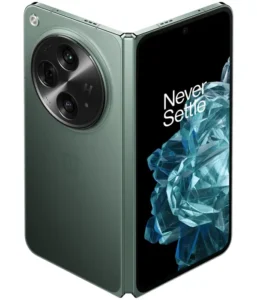
The OnePlus Open launched in October 2023 as the company’s first foldable smartphone, entering a competitive market with innovative engineering and premium specifications. This device features a large 7.82-inch internal foldable display and a fully functional 6.31-inch cover screen, both supporting 120Hz refresh rates and Dolby Vision. Powered by the Snapdragon 8 Gen 2 processor and equipped with a Hasselblad-tuned triple camera system, the OnePlus Open targets users seeking productivity and versatility in a single device.
With its unique form factor that unfolds to tablet-like dimensions while maintaining a pocketable folded profile, this phone represents OnePlus’s entry into the premium foldable segment. The device ships with Android 13, upgradable to Android 16 with OxygenOS 16, ensuring long-term software support. Available in 512GB and 1TB storage variants with 16GB RAM, the OnePlus Open caters to power users who demand ample space for apps, media, and multitasking.
What Makes the OnePlus Open Worth Buying?
The foldable display technology stands out as the defining feature. When unfolded, the 7.82-inch LTPO3 Flexi-fluid AMOLED screen provides an expansive workspace perfect for multitasking, reading, media consumption, and productivity tasks. The display supports a billion colors with Dolby Vision and peaks at an impressive 2800 nits brightness, ensuring excellent visibility even in bright outdoor conditions. The adaptive 120Hz refresh rate keeps animations smooth while conserving battery when high refresh isn’t needed.
The cover display deserves equal attention—at 6.31 inches, it’s larger than many competitors’ external screens and functions as a complete smartphone on its own. This means users can handle most tasks without unfolding the device, preserving battery life and reducing wear on the hinge mechanism. Both screens feature Ceramic Guard protection, offering enhanced durability against scratches and drops compared to standard glass.
Camera capabilities benefit from Hasselblad’s color calibration expertise across all three rear sensors. The 48MP main camera uses a large 1/1.43-inch sensor with optical image stabilization for exceptional low-light performance and sharp photos. The 64MP periscope telephoto provides genuine 3x optical zoom without quality loss, ideal for portraits and distant subjects. The 48MP ultrawide with 114-degree field of view captures expansive landscapes and group photos. All three cameras work together to deliver consistent color reproduction and detail across different focal lengths.
Video recording reaches professional levels with 4K capture at 60fps and multiple slow-motion options up to 480fps in 1080p. The inclusion of HDR10+ and Dolby Vision recording means videos look spectacular on compatible displays. Both the internal 20MP selfie camera and the 32MP cover camera support 4K video at 30fps, providing flexibility for video calls and content creation depending on which screen is in use.
Performance comes from the Snapdragon 8 Gen 2 chipset, the same flagship processor found in premium phones from 2023. The octa-core configuration with a 3.2 GHz prime core handles demanding applications, gaming, and multitasking effortlessly. Paired with 16GB RAM and UFS 4.0 storage, the device manages split-screen apps, multiple browser tabs, and heavy productivity workloads without slowdown. The large unfolded screen makes multitasking genuinely practical rather than a gimmick.
Build quality reflects the device’s premium positioning. The aluminum frame provides structural rigidity while keeping weight manageable at 239-245 grams depending on the variant. Users can choose between glass or eco-leather backs, with the latter offering better grip and a distinctive appearance. The hinge mechanism allows the phone to fold completely flat and supports IPX4 splash resistance, protecting against accidental water exposure from rain or spills.
Things to Know Before Choosing the OnePlus Open
Battery capacity sits at 4805mAh, which is smaller than many traditional flagship phones due to space constraints from the folding mechanism. The dual-screen design and large displays demand more power, so battery life varies significantly based on usage patterns. Users who primarily stick to the cover screen get better endurance than those who keep the main display unfolded throughout the day. The 67W fast charging helps mitigate concerns by fully charging the battery in 42 minutes.
The folded thickness measures 11.7mm, making the device noticeably thicker than standard smartphones when pocketed. This bulk is inherent to foldable designs but might feel cumbersome to users accustomed to slim phones. The unfolded thickness of just 5.8mm is impressively thin, though the device feels more delicate in this state and requires careful handling.
Water resistance is limited to IPX4 splash protection, which guards against rain and accidental spills but doesn’t offer the same peace of mind as IP68-rated devices. The foldable nature makes full waterproofing extremely challenging, so users need extra caution around pools, beaches, or bathrooms. The lack of dust resistance rating means care should be taken to avoid sandy or dusty environments that could damage the hinge mechanism.
There’s no expandable storage option, making the choice between 512GB and 1TB variants important. Both configurations include 16GB RAM, so the decision hinges purely on storage needs. The 1TB model suits content creators and users who shoot extensive 4K video or maintain large app libraries, while 512GB satisfies most typical usage patterns.
The plastic screen protector on the internal foldable display is essential and shouldn’t be removed. Unlike traditional glass screens, the foldable panel requires this protective layer to prevent damage from the constant folding action. Some users find the plastic texture less premium than glass, though it’s a necessary compromise for foldable technology.
Software optimization for the foldable form factor continues evolving. While OnePlus has worked with app developers to support the unique aspect ratio and multitasking features, not all applications take full advantage of the expanded screen real estate. Some apps simply stretch to fill the space rather than offering optimized layouts, which can result in awkward scaling or wasted screen area.
Is the OnePlus Open Right for You?
Productivity-focused professionals find exceptional value in the expansive unfolded display. The ability to run multiple apps side-by-side transforms how work gets done on mobile—editing documents while referencing emails, participating in video calls while taking notes, or reviewing spreadsheets with actual screen space to see data properly. The desktop-like multitasking capabilities make this device a legitimate laptop alternative for many business tasks.
Content consumers enjoy the tablet-sized screen for media. Streaming video, reading ebooks, browsing social media, and viewing photos all benefit from the 7.82-inch display. The Dolby Vision support and vibrant AMOLED panel make movies and shows look spectacular, while the stereo speakers with Dolby Atmos enhancement provide immersive audio. The large screen makes mobile gaming more engaging, especially for strategy games and titles that benefit from extra visual space.
Mobile photographers appreciate the versatile triple camera system with Hasselblad tuning. The combination of wide, telephoto, and ultrawide lenses covers most photographic scenarios, while the large main sensor excels in challenging lighting. The periscope telephoto enables quality zoom shots that would require cropping on single-lens phones. Having two high-quality selfie cameras means choosing the best angle for self-portraits and video calls depending on which screen is active.
Tech enthusiasts who want cutting-edge innovation find the foldable form factor compelling. This device represents the future of smartphone design, offering functionality impossible with traditional phones. The novelty factor shouldn’t be dismissed—there’s genuine satisfaction in unfolding the device to reveal the large screen, and the unique form factor generates conversation and interest.
Budget-conscious buyers might struggle with the premium pricing typical of foldable phones. The OnePlus Open costs significantly more than traditional flagships with similar core specifications. Users who prioritize value over innovation can find phones with better cameras, longer battery life, or superior water resistance at lower prices. The foldable design commands a substantial premium that not everyone will find justified.
Users who prefer compact, lightweight devices may find the OnePlus Open too bulky. Even folded, it’s thicker and heavier than most standard smartphones. Those who value one-handed operation and minimal pocket presence should consider whether the expanded screen size justifies the increased bulk and weight during everyday carrying.
Best Alternatives to the OnePlus Open
The Samsung Galaxy Z Fold5 offers a more mature foldable experience with deeper software optimization and broader app support. Samsung has refined its foldable design over multiple generations, resulting in a slightly lighter device with better water resistance. The trade-off comes in a narrower cover screen that some find less practical for one-handed use, and typically higher pricing in most markets.
Google Pixel Fold provides exceptional computational photography that often outperforms higher megapixel counts through intelligent software processing. The wider cover screen makes it more comfortable to use folded, though the internal display is slightly smaller than the OnePlus Open. Google’s seven-year update commitment surpasses OnePlus’s support timeline for users prioritizing long-term software updates.
The Xiaomi Mix Fold 3 competes directly with similar specifications including the Snapdragon 8 Gen 2 and comparable display sizes. It often comes at a lower price point in regions where it’s available, though software optimization and update schedules may not match OnePlus’s track record. The camera system focuses more on telephoto capabilities with higher zoom magnification.
For users who want flagship performance without the foldable premium, the Samsung Galaxy S24 Ultra or OnePlus 12 offer superior camera systems, better water resistance, and larger batteries in traditional form factors. These devices sacrifice the unique productivity benefits of a foldable screen but deliver more polished overall experiences at potentially lower costs.
OnePlus Open Frequently Asked Questions
How durable is the folding screen on the OnePlus Open?
The OnePlus Open uses an LTPO3 Flexi-fluid AMOLED display with a protective plastic layer that’s essential for durability. The hinge mechanism is rated for thousands of fold cycles, though exact numbers aren’t specified. The internal screen features Ceramic Guard protection for enhanced scratch resistance compared to standard plastic, but it’s still more delicate than traditional glass displays. Users should avoid pressing hard on the screen, removing the factory screen protector, or exposing the device to dust and debris that could damage the folding mechanism. The phone includes IPX4 splash resistance but isn’t fully waterproof, so care should be taken around water.
Can both screens be used simultaneously?
No, only one screen operates at a time—either the 6.31-inch cover display when folded or the 7.82-inch main display when unfolded. However, the OnePlus Open features seamless app continuity, meaning applications can transfer between screens as you fold or unfold the device. For example, you can start browsing on the cover screen, unfold the phone, and continue seamlessly on the larger display. This transition happens automatically for supported apps. The dual-screen design is about versatility rather than simultaneous use, allowing you to choose the appropriate screen size for each task.
Does the OnePlus Open support wireless charging?
No, the OnePlus Open does not include wireless charging capability. It relies exclusively on 67W wired fast charging, which fully charges the 4805mAh battery in approximately 42 minutes. The phone also supports reverse wired charging, allowing it to charge other devices through the USB-C port. While wireless charging has become common in premium devices, OnePlus prioritized fast wired charging and the engineering challenges of fitting charging coils into a foldable form factor made wireless charging impractical for this generation.
How much does the OnePlus Open weigh and how thick is it?
The OnePlus Open weighs between 239 and 245 grams depending on whether you choose the glass or eco-leather back variant. When folded, it measures 11.7mm thick, which is noticeably thicker than traditional smartphones but typical for foldable devices. When unfolded, the thickness reduces to just 5.8mm, making it impressively thin. The folded dimensions are 153.4 x 73.3mm, similar to a standard smartphone width, while unfolded it expands to 153.4 x 143.1mm, providing tablet-like screen space. The weight distribution feels balanced despite the heft, and the aluminum frame provides structural rigidity without excessive bulk.
What software updates will the OnePlus Open receive?
The OnePlus Open launched with Android 13 and is confirmed upgradable to Android 16 with OxygenOS 16. While OnePlus hasn’t explicitly stated the total number of major updates, the confirmed upgrade to Android 16 represents at least three major Android versions from the launch OS. This suggests the device will receive security patches and feature updates through approximately 2026-2027, which is standard for premium OnePlus devices. OxygenOS provides a relatively clean Android experience with useful foldable-specific features like improved split-screen multitasking and app continuity between the cover and main displays.