
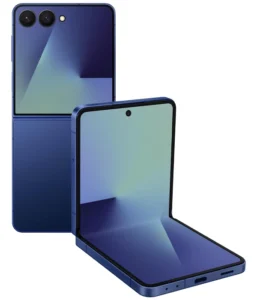
The Samsung Galaxy Z Flip7 represents the latest evolution in foldable smartphone technology, bringing together refined engineering and practical innovation. This compact flip phone transforms from a pocket-friendly device into a full-sized smartphone, offering versatility that traditional phones can’t match. With its 6.9-inch foldable display and updated Exynos 2500 processor, the Z Flip7 targets users who value both style and substance in their mobile devices.
Samsung has equipped this seventh-generation flip phone with meaningful upgrades across the board. The dual-camera system features a 50MP main sensor alongside a 12MP ultrawide lens, while the expanded 4.1-inch cover display handles more tasks without unfolding the phone. The device maintains its premium build quality with Gorilla Glass Victus 2 protection and an aluminum frame, though the IP48 rating remains specific to certain dust and water conditions.
Why Buy the Samsung Galaxy Z Flip7?
The Z Flip7 delivers a genuinely different smartphone experience through its foldable design. When folded, it slips into pockets and small bags with ease, measuring just 85.5mm tall. The substantial 4.1-inch cover display handles notifications, messages, and quick camera shots without requiring you to flip open the phone, making it surprisingly practical for one-handed use throughout the day.
Photography capabilities have improved considerably with the 50MP main camera. The sensor captures sharp images in various lighting conditions, while optical image stabilization keeps shots steady during handheld shooting. The 12MP ultrawide camera provides a 123-degree field of view, useful for landscape photography and group shots. Both cameras benefit from Samsung’s computational photography, producing balanced colors and good dynamic range in 4K video recording.
Samsung’s commitment to software longevity stands out with seven major Android upgrades promised for the Z Flip7. This means the phone will receive Android updates through 2032, an unusually long support window that extends the device’s usable lifespan significantly. One UI 8 brings refined animations and features specifically optimized for the foldable form factor, including Flex Mode for hands-free video calls and content viewing.
The Exynos 2500 chipset, built on a 3nm process, handles daily tasks smoothly. The 10-core CPU configuration balances performance and efficiency, while the Xclipse 950 GPU manages gaming and graphics-intensive applications. With 12GB of RAM standard across both storage options, multitasking feels responsive, and apps remain in memory longer between uses.
The 120Hz LTPO display adapts its refresh rate based on content, conserving battery when viewing static images while delivering smooth scrolling when needed. Peak brightness reaches 2600 nits, making the screen readable even in direct sunlight. The Dynamic AMOLED 2X technology produces vibrant colors and deep blacks, ideal for media consumption when the phone is unfolded.
Key Considerations Before Buying the Samsung Galaxy Z Flip7
The 4300mAh battery capacity represents a compromise inherent to the flip phone design. While the cell provides reasonable endurance for moderate use, heavy users might find themselves reaching for a charger before day’s end. The 25W wired charging speed is functional but not particularly fast compared to some competitors offering 80W or higher. Budget at least 90 minutes for a full charge from empty.
Samsung has stuck with 12GB RAM across all configurations, which works well for most scenarios but doesn’t offer the 16GB or 18GB options found on some flagship phones. The lack of expandable storage means choosing between 256GB and 512GB at purchase, with no option to add more later. Users who store extensive photo libraries or large game files should lean toward the 512GB model.
The IP48 rating deserves careful interpretation. While the phone can handle submersion up to 1.5 meters for 30 minutes, the “4” designation means it’s only protected against dust particles larger than 1mm. Fine sand, dust, and tiny particles can still pose risks. Beach trips and dusty environments require extra caution compared to phones with full IP68 ratings.
The plastic screen protector on the inner display represents the current state of foldable technology but feels less premium than traditional glass. It’s rated at Mohs level 1 hardness, making it vulnerable to scratches from keys, coins, and other common pocket items. Samsung strongly advises against removing this factory-installed protector, and replacements must be done through authorized service centers.
Camera specifications tell only part of the story. The Z Flip7 lacks a telephoto lens, relying solely on digital zoom beyond the main sensor’s native focal length. While the 50MP sensor allows for decent cropping, it can’t match the quality of optical zoom systems found on traditional flagship phones. The 10MP selfie camera is adequate but not exceptional by current standards.
The folding mechanism adds thickness when closed, resulting in a 13.7mm profile. This bulk might feel substantial in tight jeans pockets. The hinge, while durable through Samsung’s testing, represents a potential long-term concern that traditional phones don’t face. Samsung provides warranty coverage, but users should remain mindful of how they handle and store the device.
Who Should Consider the Samsung Galaxy Z Flip7?
Fashion-conscious users who appreciate unique design will find the Z Flip7 appealing. The folding mechanism creates a conversation starter while offering genuine functional benefits. The compact folded size makes it ideal for people with small bags or those who prefer minimal pocket bulk. The device works well for social media enthusiasts who value the cover display for quick content checks and the Flex Mode for hands-free photography and video recording.
Content creators benefit from the versatile form factor. Flex Mode props the phone at various angles without additional equipment, useful for vlogging, time-lapse photography, or video calls. The 50MP camera captures detailed images for Instagram and other platforms, while the 4K video recording handles most content creation needs. The large cover display lets creators frame shots without unfolding the phone.
Samsung ecosystem users get the most from the Z Flip7. Integration with Galaxy Buds, Galaxy Watch, and other Samsung products creates seamless experiences. Samsung DeX support enables desktop-style productivity when connected to an external display, extending the phone’s versatility beyond typical smartphone uses. Those already invested in Samsung’s services and devices will appreciate the cohesive ecosystem benefits.
People seeking longevity in their smartphone purchase should note the seven-year software support commitment. This extended update timeline means the Z Flip7 remains secure and feature-current longer than most Android phones. Buyers who typically keep devices for four or five years will still receive Android updates and security patches well into the phone’s lifespan.
The Z Flip7 suits users who prioritize portability without sacrificing screen size. When opened, the 6.9-inch display provides ample space for productivity apps, video streaming, and gaming. When closed, it occupies roughly half the space of a traditional smartphone. This flexibility appeals to commuters, travelers, and anyone who values pocketability alongside functionality.
Alternatives to the Samsung Galaxy Z Flip7
The Motorola Razr lineup offers direct competition in the flip phone category. Motorola’s latest models typically feature larger cover displays and competitive specifications. Their devices often come at slightly lower price points while maintaining similar folding functionality, though they generally don’t match Samsung’s software support commitment.
Traditional flagship smartphones like the Samsung Galaxy S25 or Google Pixel 9 Pro provide different value propositions. These phones offer more conventional form factors with superior camera systems, larger batteries, and full IP68 dust and water resistance. They lack the foldable design but deliver more robust specifications across most categories for users who prioritize performance over form factor innovation.
The Samsung Galaxy Z Fold series represents an alternative within Samsung’s foldable lineup. These book-style folding phones open to tablet-sized displays, offering more screen real estate for productivity and multitasking. They’re larger when closed and significantly more expensive, but they provide a different foldable experience for users who prioritize screen size over pocketability.
Mid-range traditional smartphones present budget-conscious alternatives. Devices like the Google Pixel 8a or Samsung’s own Galaxy A series offer solid camera performance, clean software experiences, and excellent battery life at roughly half the Z Flip7’s price. They sacrifice the unique form factor but deliver reliable smartphone experiences without the foldable screen’s potential concerns.
Samsung Galaxy Z Flip7 Frequently Asked Questions
How durable is the folding screen on the Samsung Galaxy Z Flip7?
The Z Flip7’s folding display uses Samsung’s latest Ultra Thin Glass technology with a protective plastic layer. Samsung rates the hinge for 200,000 folds, which translates to roughly 100 folds per day for five years. The Mohs level 1 screen protection means the inner display scratches more easily than traditional glass screens, so users should avoid placing sharp objects against it. The IP48 rating provides water resistance up to 1.5 meters for 30 minutes, but protection against fine dust and sand particles is limited. The Armor aluminum frame adds structural durability, though the folding mechanism naturally represents a potential wear point over extended use.
Can the cover display replace unfolding the phone for daily tasks?
The 4.1-inch cover display significantly expands functionality compared to previous Z Flip models. It handles text messages, email previews, music controls, and quick camera access without opening the phone. Samsung has optimized One UI 8 to support more widgets and apps on the cover screen, including navigation, payments via NFC, and voice assistant access. However, tasks requiring extended typing, detailed document editing, or prolonged content viewing still benefit from the main 6.9-inch display. The cover screen excels at quick interactions but doesn’t eliminate the need to unfold for comprehensive smartphone use.
How does the Exynos 2500 processor compare to Snapdragon alternatives?
The Exynos 2500 uses a 3nm manufacturing process and features a 10-core CPU configuration with a Cortex-X5 prime core running at 3.3GHz. Performance is competitive with Qualcomm’s mid-to-upper tier Snapdragon processors in daily tasks, app launching, and multitasking. The Xclipse 950 GPU handles mobile gaming reasonably well, though it may not match the absolute peak performance of Snapdragon 8 Gen series chips in sustained gaming sessions. Real-world performance proves smooth for most users, with efficient power management contributing to reasonable battery life despite the modest 4300mAh capacity. Thermal management is adequate, though intensive tasks may cause noticeable warmth.
What storage option should I choose for the Samsung Galaxy Z Flip7?
The Z Flip7 comes in 256GB and 512GB configurations, both with 12GB RAM and UFS 4.0 storage. Without expandable storage options, your choice is permanent. The 256GB model works for users who primarily stream music and video content, take moderate photos, and manage apps regularly. The 512GB version suits photography enthusiasts who shoot in 50MP resolution, mobile gamers with large game installations, or users who prefer downloading content for offline access. Consider that system software and pre-installed apps occupy roughly 30-40GB, and high-resolution photos average 12-15MB each. Video recording in 4K consumes approximately 400MB per minute, which adds up quickly for content creators.
Does the Samsung Galaxy Z Flip7 support wireless charging?
Yes, the Z Flip7 supports 15W wireless charging using Qi-compatible charging pads. This provides convenient cable-free charging, though it’s slower than the 25W wired charging option. The phone also includes 4.5W reverse wireless charging, allowing you to charge accessories like Galaxy Buds or compatible smartwatches by placing them on the back of the phone. Reverse wireless charging is relatively slow and drains the phone’s battery, so it’s best reserved for emergency top-ups rather than primary charging. The wireless charging feature works best with official Samsung wireless chargers or certified third-party alternatives that support the appropriate wattage.