
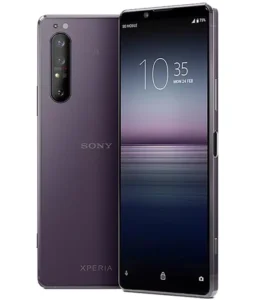
Sony Xperia 1 II Overview, Features, and Buying Guide
The Sony Xperia 1 II stands as a flagship device that merges professional photography capabilities with cutting-edge mobile technology. Released in May 2020, this smartphone targets enthusiasts who demand cinema-grade displays and photography tools typically found in dedicated cameras. Sony’s engineering heritage shines through every aspect of this device, from its 21:9 CinemaWide display to its collaboration with Zeiss optics.
Built around a Snapdragon 865 5G chipset and featuring a genuine 4K HDR OLED screen, the Xperia 1 II doesn’t compromise on performance. The device measures 165.1 x 71.1 x 7.6 mm and weighs 181.4 grams, striking a balance between premium feel and practical ergonomics. Dual Gorilla Glass 6 panels sandwich an aluminum frame, while IP65/IP68 certification provides peace of mind against water and dust.
What truly sets this phone apart is its camera system. Four rear sensors work together—three 12MP modules covering wide, telephoto, and ultrawide perspectives, plus a depth-sensing ToF sensor. Each lens benefits from Zeiss optical engineering, PDAF technology, and optical image stabilization on the primary and telephoto cameras. This setup appeals to photographers who want manual controls and RAW capture capabilities in their pocket.
What Makes the Sony Xperia 1 II Worth Buying?
The display technology deserves immediate attention. This 6.5-inch OLED panel reproduces a billion colors and supports HDR BT.2020, the broadcast standard for 4K HDR content. Running at a native 1644 x 3840 resolution, it delivers an astounding 643 pixels per inch. The 21:9 aspect ratio matches cinematic content perfectly, eliminating black bars when watching movies formatted for theater screens.
Photography capabilities rival dedicated cameras in many scenarios. The color spectrum sensor analyzes ambient light to ensure accurate color reproduction. Eye tracking focuses precisely on subjects’ eyes, a feature borrowed from Sony’s Alpha camera line. Video recording reaches 4K at 120fps with HDR support, while 5-axis gyro stabilization and optical stabilization combine to produce incredibly smooth footage.
Audio quality matches the visual prowess. Stereo speakers deliver Hi-Res audio at 24-bit/192kHz quality through the 3.5mm headphone jack—a rarity among modern flagships. The dynamic vibration system synchronizes haptic feedback with media playback, creating an immersive entertainment experience. Bluetooth 5.1 supports aptX HD for wireless audiophiles.
Gaming performance benefits from the Snapdragon 865’s Adreno 650 GPU and options for either 8GB or 12GB of RAM. The tall screen provides extra vertical space for game interfaces, while the 643 ppi density ensures razor-sharp graphics. UFS 3.0 storage keeps load times minimal.
Things to Know Before Choosing the Sony Xperia 1 II
The display typically runs at 1096 x 2560 pixels for everyday tasks, only switching to full 4K resolution for compatible content. This helps preserve battery life but may disappoint those expecting constant 4K operation. The screen also lacks a high refresh rate—it’s locked at 60Hz while many 2020 competitors offered 90Hz or 120Hz panels.
Battery capacity sits at 4000 mAh, which sounds substantial but needs to power that massive display and processing hardware. Real-world usage typically yields a full day under moderate conditions, though heavy users might need to top up before evening. The 21W wired charging feels slow compared to competitors offering 65W or faster speeds. Wireless charging maxes out at 11W.
Software support presents another consideration. The device launched with Android 10 and received updates through Android 12, but Sony’s update track record doesn’t match Google or Samsung’s commitment to extended support. Users purchasing in 2026 would be running older software without security patches.
The fingerprint sensor mounts on the side power button—a placement some find awkward depending on hand size and grip style. There’s no face unlock option, which might frustrate users accustomed to that convenience. The nano-SIM slot requires choosing between dual SIM functionality or expandable storage via microSD.
Price positioning at launch placed this device firmly in premium territory, competing with Galaxy S and iPhone models. The specialized features appeal to a niche audience rather than mainstream buyers. Those wanting simple point-and-shoot photography might find the manual controls overwhelming.
Is the Sony Xperia 1 II Right for You?
Photographers and videographers find exceptional value here. The manual camera controls, RAW support, and professional video features rival dedicated equipment. The ability to shoot 4K at 120fps with proper color science makes this a genuine content creation tool.
Movie enthusiasts appreciate the 21:9 display and HDR support. Streaming services and downloaded films display without letterboxing, utilizing every pixel of screen real estate. The stereo speakers and Hi-Res audio certification enhance the viewing experience.
Audiophiles benefit from the 3.5mm jack and high-quality DAC. Wired headphones perform optimally, while Bluetooth users enjoy aptX HD streaming. The preservation of this traditional audio port demonstrates Sony’s commitment to sound quality.
Mobile gamers get solid performance from the Snapdragon 865, though the 60Hz screen and modest battery might give pause. The tall aspect ratio works well for certain game types but feels awkward in others. Thermal management generally keeps the aluminum frame from getting uncomfortably warm.
Casual users might find this device too specialized. The camera requires learning manual controls to maximize its potential. The display’s default resolution scaling and lack of high refresh rate disappoint those expecting constant 4K smoothness. Simpler devices offer better value for basic tasks.
Business professionals appreciate the build quality and IP68 rating but might prefer faster charging and longer software support. The side-mounted fingerprint sensor works well with professional attire that keeps hands free.
Best Alternatives to the Sony Xperia 1 II
The Samsung Galaxy S20 Ultra offers a higher refresh rate display (120Hz), more versatile camera zoom (up to 100x), and faster charging. However, it lacks the 3.5mm jack and comes with a higher price tag. The camera produces more processed images versus Sony’s natural color science.
Google Pixel 4a 5G provides outstanding computational photography at a fraction of the cost. The camera software delivers excellent results with less manual intervention. Trade-offs include plastic build, smaller battery, and no wireless charging.
OnePlus 8 Pro delivers 120Hz fluid display, faster 30W wireless charging, and similar performance from Snapdragon 865. The cameras don’t match Sony’s professional features, and build quality feels slightly less premium.
iPhone 11 Pro offers Apple’s ecosystem integration, longer software support, and excellent video stabilization. The display runs at lower resolution and 60Hz, while iOS limitations restrict file management compared to Android’s flexibility.
Sony Xperia 1 II Frequently Asked Questions
Does the Sony Xperia 1 II support 5G connectivity?
Yes, the Xperia 1 II comes with full 5G network support through its Qualcomm Snapdragon 865 5G chipset. The device supports both sub-6GHz and mmWave 5G bands depending on the regional variant, alongside backward compatibility with 4G LTE, HSPA, and GSM networks. This ensures fast data speeds where 5G infrastructure exists while maintaining reliable connectivity in areas still using older network technologies.
Can the camera record in 4K at high frame rates?
The Xperia 1 II’s camera system records 4K video at multiple frame rates including 24, 25, 30, 60, and an impressive 120 frames per second with HDR support. This high-frame-rate capability enables smooth slow-motion footage when played back at standard speeds. The camera also features 5-axis gyroscopic electronic image stabilization combined with optical stabilization on the main and telephoto lenses, producing professional-grade stable video even during handheld recording.
Is the display always running at 4K resolution?
The display typically operates at 1096 x 2560 pixels for standard applications and interface navigation to optimize battery performance. The full 4K resolution (1644 x 3840 pixels) activates automatically when viewing compatible 4K content such as movies, photos taken with the device, or specific applications that request the higher resolution. This intelligent resolution switching balances image quality with power efficiency.
How long does the battery last on typical daily use?
With its 4000 mAh battery capacity, the Xperia 1 II generally provides a full day of moderate use including web browsing, social media, streaming music, and occasional photography. Heavy users who frequently record 4K video, play graphics-intensive games, or keep the display at maximum brightness might need to recharge before evening. The 21W wired charging takes approximately 90 minutes to fully charge the device, while the 11W wireless charging offers convenient overnight charging.
Does this phone have a headphone jack?
Yes, the Sony Xperia 1 II includes a 3.5mm headphone jack supporting 24-bit/192kHz Hi-Res audio playback. This feature distinguishes it from many contemporary flagships that eliminated the traditional audio port. The device’s high-quality digital-to-analog converter ensures wired headphones deliver exceptional sound quality, while Bluetooth 5.1 with aptX HD codec provides premium wireless audio for those preferring cable-free listening.