
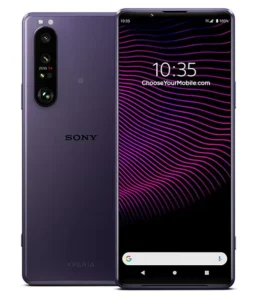
Sony Xperia 1 III Overview, Features, and Buying Guide
The Sony Xperia 1 III represents a significant leap in mobile photography and display technology. Announced in April 2021 and released in August of the same year, this flagship device combines Sony’s Alpha camera expertise with cutting-edge smartphone innovation. The standout feature remains its true 4K OLED display with 120Hz refresh rate, a specification that sets it apart from virtually all competitors in the market.
Sony equipped this device with premium materials throughout, including Gorilla Glass Victus on the front, Gorilla Glass 6 on the back, and an aluminum frame. The phone maintains IP65/IP68 water and dust resistance while incorporating a rare combination of features: wireless charging, a 3.5mm headphone jack, and expandable storage. These elements position the Xperia 1 III as a multimedia powerhouse designed for creators and enthusiasts who refuse to compromise.
What Makes the Sony Xperia 1 III Worth Buying?
The display technology alone justifies serious consideration. This phone features a genuine 4K resolution (1644 x 3840 pixels) on a 6.5-inch OLED panel, delivering an incredible 643 ppi density. While the phone typically runs at a lower 1096 x 2560 resolution to preserve battery life, it switches to full 4K for specific content like video playback and certain applications. The 120Hz refresh rate ensures buttery-smooth scrolling and gaming performance, while HDR BT.2020 support brings cinema-grade color reproduction to compatible content.
The camera system breaks new ground with its variable telephoto lens. Unlike traditional smartphones that use fixed focal lengths, the Xperia 1 III offers dual telephoto capabilities at both 70mm (f/2.3) and 105mm (f/2.8), providing 3x and 4.4x optical zoom options. This innovative approach gives photographers genuine flexibility without resorting to digital cropping. Both zoom levels feature optical image stabilization and dual pixel PDAF for sharp, blur-free shots.
Sony’s partnership with Zeiss extends beyond branding. The T* lens coating reduces reflections and ghosting, particularly beneficial when shooting in challenging lighting conditions. The color spectrum sensor analyzes ambient light to reproduce accurate colors, while eye tracking technology borrowed from Sony’s Alpha mirrorless cameras maintains focus on portrait subjects. The main 12MP sensor uses a large 1/1.7″ size with 1.8µm pixels, capturing exceptional detail and low-light performance that rivals dedicated cameras.
Video capabilities reach professional levels with 4K recording up to 120fps in HDR. This high frame rate enables smooth slow-motion footage at cinema resolution. The combination of 5-axis gyro-EIS and optical stabilization on the main and telephoto cameras produces remarkably steady handheld footage. Native Sony Alpha camera support integrates the phone with professional photography workflows, allowing it to function as a remote monitor and control interface.
Performance comes from the Snapdragon 888 5G chipset built on a 5nm process. The octa-core CPU configuration includes a powerful Cortex-X1 core running at 2.84 GHz, supported by three Cortex-A78 cores and four efficiency-focused Cortex-A55 cores. Paired with 12GB of RAM and UFS 3.X storage, the phone handles demanding multitasking and resource-intensive applications without hesitation. The Adreno 660 GPU delivers excellent gaming performance, particularly when combined with the 120Hz display.
Audio quality receives equal attention. The stereo speakers deliver rich sound with good separation, while the 3.5mm headphone jack supports 24-bit/192kHz Hi-Res audio playback. Snapdragon Sound technology and support for aptX Adaptive codec via Bluetooth 5.2 ensure wireless listening maintains exceptional quality. The Dynamic vibration system adds haptic feedback synchronized with audio for immersive multimedia experiences.
Battery capacity reaches 4500mAh, a meaningful increase over the previous generation. The 30W wired charging brings the battery to 50% capacity in 30 minutes, while wireless charging adds convenience for desktop use. Reverse wireless charging allows the phone to charge compatible accessories or other devices, turning it into a portable power bank when needed.
The build quality reflects Sony’s attention to detail. At 186 grams for the standard version, the phone feels substantial without being excessively heavy. The side-mounted fingerprint sensor integrates seamlessly into the power button, providing quick authentication without interrupting the clean display design. The IP68 rating protects against water immersion up to 1.5 meters for 30 minutes, offering peace of mind during outdoor photography sessions or accidental exposure to liquids.
Things to Know Before Choosing the Sony Xperia 1 III
Software updates present a consideration for long-term ownership. The phone launched with Android 11 and received updates through Android 13. Sony’s update policy for this model concluded with Android 13, meaning it won’t receive Android 14 or subsequent versions. Security patches continue for now but will eventually phase out, potentially limiting the device’s useful lifespan for security-conscious users.
The 4K display, while stunning, impacts battery life noticeably when activated. Even running at the default 1096 x 2560 resolution, the 120Hz refresh rate consumes more power than standard 60Hz displays. Users who extensively use camera features, gaming, or video playback may find themselves reaching for a charger before the evening, especially compared to phones with larger battery capacities.
Heat management can become noticeable during extended use. The Snapdragon 888 chipset, while powerful, generates considerable heat under sustained loads. Recording 4K video at 120fps, playing graphically demanding games, or using the camera extensively may cause the phone to warm up significantly. This thermal behavior can temporarily reduce performance as the system throttles to manage temperatures.
The shared microSD card slot forces users to choose between dual SIM functionality and storage expansion. Those who travel internationally and need two active SIM cards must sacrifice the ability to add a memory card. The 256GB or 512GB internal storage options provide ample space for most users, but photographers and videographers who shoot extensively in 4K may feel constrained.
The camera system’s professional capabilities come with a learning curve. Sony provides manual controls similar to their Alpha cameras, which enthusiasts appreciate but casual users may find overwhelming. The interface prioritizes functionality over simplicity, requiring time investment to master features like Photography Pro and Cinematography Pro modes. Point-and-shoot photographers might achieve better results with phones that emphasize computational photography and automatic modes.
The 8MP front-facing camera specification trails behind competitors offering higher-resolution selfie cameras. While image quality remains acceptable due to the sensor size and pixel dimensions, those who prioritize selfies and video calls might prefer phones with more advanced front camera systems.
The phone lacks a traditional notification LED, relying instead on software notifications and always-on display features. Some users miss the visual indicator for missed calls or messages without waking the screen.
Is the Sony Xperia 1 III Right for You?
Professional photographers and videographers will find the Xperia 1 III exceptionally capable. The variable telephoto system provides genuine optical zoom flexibility rarely found in smartphones. The manual camera controls, Alpha integration, and professional video recording features make this phone a legitimate backup or secondary camera for paid work. The 4K display allows accurate preview and review of content in the field.
Content creators focused on video benefit tremendously from the 4K 120fps recording capability. The combination of optical and electronic stabilization produces professional-looking handheld footage. The 21:9 aspect ratio naturally suits cinematic content, while the color-accurate display aids mobile editing. Creators who prioritize video quality over battery life will appreciate what this phone delivers.
Mobile gaming enthusiasts enjoy smooth performance from the Snapdragon 888 and 120Hz display combination. The tall aspect ratio provides extra screen real estate for certain game genres. However, the phone can get warm during extended gaming sessions, and battery life may require mid-session charging for marathon play. Gamers prioritizing sustained performance might consider devices with more aggressive cooling solutions.
Audiophiles and music lovers appreciate the rare combination of a 3.5mm headphone jack with Hi-Res audio certification. The Snapdragon Sound support and aptX Adaptive codec deliver exceptional wireless audio quality. The stereo speakers punch above their weight for a device this slim. Music enthusiasts who refuse to sacrifice wired audio connectivity will find this phone refreshing.
Photography hobbyists seeking to develop their skills benefit from the professional camera interface and manual controls. The Zeiss optics and color science produce distinctive images with pleasing tonality. However, those wanting simple point-and-shoot capabilities might feel overwhelmed by the extensive manual options and miss the computational photography enhancements found in other flagships.
Compact phone seekers will appreciate the narrow 71mm width despite the large 6.5-inch screen. The 21:9 aspect ratio makes the phone easier to hold and use one-handed compared to wider devices with similar screen sizes. The slim 8.2mm profile slips easily into pockets without bulging.
Business professionals requiring dual SIM face the trade-off between two SIM cards and storage expansion. The IP68 water resistance and premium build suit professional environments. The limited software support timeline means enterprise users should consider how long they plan to keep the device before security updates cease.
Budget-conscious buyers shopping in today’s market can find the Xperia 1 III at significantly reduced prices from its launch MSRP. The hardware remains capable for current tasks, though the Android 13 limitation means missing out on newer features and potentially important security updates. Those prioritizing the unique features like the 4K display and variable telephoto may find the discounted pricing attractive.
Best Alternatives to the Sony Xperia 1 III
The Samsung Galaxy S21 Ultra from the same era offers a larger battery and longer software support commitment. Samsung’s update policy provides additional Android version updates and extended security patches. The 108MP main camera takes a different approach than Sony’s professional-focused system, emphasizing computational photography and zoom capabilities up to 10x optical. The S21 Ultra includes S Pen support for those wanting stylus functionality.
The iPhone 13 Pro Max represents Apple’s flagship offering from late 2021. It provides exceptional software support lasting years, ProRes video recording for professionals, and industry-leading processing power. The camera system emphasizes ease of use and computational photography over manual controls. Those invested in Apple’s ecosystem or prioritizing long-term software updates should consider this alternative.
The Asus ROG Phone 5 targets mobile gamers with superior cooling solutions and gaming-specific features. The larger 6000mAh battery outlasts the Xperia 1 III during extended gaming sessions. The 144Hz display refresh rate surpasses Sony’s 120Hz for competitive gaming advantages. Gaming enthusiasts willing to sacrifice camera capabilities for peak performance should investigate this option.
The Sony Xperia 1 IV succeeds this model with refinements across the board. It maintains the 4K 120Hz display and variable telephoto concept while improving continuous autofocus during zoom transitions. The upgraded processor and enhanced thermal management address some limitations of the Mark III. Sony enthusiasts wanting the latest iteration of this concept should consider the Mark IV despite its higher price point.
The Google Pixel 6 Pro emphasizes computational photography powered by Google’s custom Tensor chip. It provides guaranteed software updates directly from Google and exceptional point-and-shoot camera results. The simpler camera interface appeals to users who want great photos without manual controls. Those prioritizing ease of use and software longevity over professional camera features should evaluate this alternative.
Sony Xperia 1 III Frequently Asked Questions
Does the Sony Xperia 1 III always run at 4K resolution?
The Xperia 1 III typically operates at 1096 x 2560 pixels to balance display quality with battery conservation. The phone automatically switches to full 4K resolution (1644 x 3840 pixels) when viewing compatible content such as 4K videos or when using specific applications that benefit from the higher resolution. Users cannot manually force the display to remain at 4K at all times, as this would significantly impact battery life.
How does the variable telephoto camera work?
The variable telephoto system uses a single physical lens module that mechanically adjusts between two focal lengths: 70mm (f/2.3) for 3x optical zoom and 105mm (f/2.8) for 4.4x optical zoom. This innovative mechanism provides genuine optical zoom at both distances without digital cropping or interpolation. Both telephoto modes feature optical image stabilization and dual pixel phase detection autofocus, ensuring sharp images across the zoom range.
Can the Xperia 1 III be used as a monitor for Sony Alpha cameras?
Yes, the Xperia 1 III includes native Sony Alpha camera support, allowing it to connect with compatible Sony mirrorless cameras. This feature enables the phone to function as a remote viewfinder and control interface for Alpha cameras. Photographers can adjust camera settings, trigger the shutter remotely, and preview images on the phone’s 4K display, making it useful for difficult shooting angles or self-portraits with professional camera equipment.
What Android version does the Xperia 1 III support?
The Sony Xperia 1 III launched with Android 11 and received official updates through Android 13. Sony’s update policy for this model concluded with Android 13, meaning the phone will not receive Android 14 or later versions through official channels. Security patches continue periodically, though the frequency decreases over time and will eventually end as the device ages further.
Does the phone support wireless charging and reverse wireless charging?
Yes, the Xperia 1 III supports both standard wireless charging and reverse wireless charging. The wireless charging feature allows convenient charging on compatible Qi wireless charging pads, complementing the 30W wired charging capability. Reverse wireless charging enables the phone to charge compatible accessories like wireless earbuds or even other Qi-enabled phones by placing them on the back of the Xperia 1 III, effectively turning it into a portable wireless charging pad.