
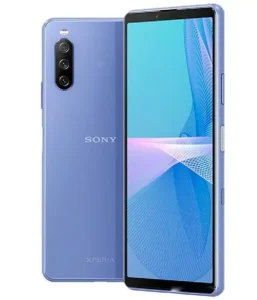
The Sony Xperia 10 III brings 5G connectivity and premium design elements to the mid-range segment. Released in June 2021, this device combines the distinctive 21:9 aspect ratio display with a triple camera system featuring 2x optical zoom, all packed into a compact and lightweight body measuring just 68mm wide. At 169 grams, it represents one of the lightest 5G smartphones available while maintaining dual Gorilla Glass 6 protection and IP68 water resistance.
Sony positioned this phone as an accessible entry point to their smartphone ecosystem. The 6-inch OLED display with Triluminos technology delivers vibrant colors, while the Snapdragon 690 5G processor provides solid mid-range performance with next-generation connectivity. The 4500mAh battery, 3.5mm headphone jack with Hi-Res audio support, and expandable storage create a well-rounded package for users seeking reliable daily performance without flagship pricing.
What Makes the Sony Xperia 10 III Worth Buying?
The compact and lightweight design stands out immediately. Weighing just 169 grams and measuring 154 x 68 x 8.3mm, this phone feels remarkably light in hand compared to modern smartphones often exceeding 200 grams. The narrow 68mm width enables comfortable one-handed use, while the slim 8.3mm profile slips easily into pockets. Sony achieved this portability while maintaining dual Gorilla Glass 6 protection and IP68 water resistance, features typically reserved for more expensive devices.
The 6-inch OLED display utilizes Sony’s Triluminos technology for enhanced color reproduction. The 21:9 aspect ratio provides extra vertical space useful for multitasking, reading long articles, or watching widescreen content without black bars. The 1080 x 2520 resolution delivers sharp visuals at 457 ppi, ensuring text and images appear crisp. HDR support brings improved contrast and color to compatible video content.
The triple camera system includes a practical 2x optical telephoto lens, uncommon in the mid-range segment. The 12MP main camera with f/1.8 aperture and PDAF captures decent photos in various lighting conditions. The 8MP telephoto camera provides genuine optical zoom without digital cropping, useful for portraits and distant subjects. The 8MP ultrawide camera with 120-degree field of view captures expansive scenes and group photos.
Battery life benefits from the efficient combination of the OLED display, Snapdragon 690 processor, and substantial 4500mAh capacity. The OLED panel only lights active pixels, conserving energy during everyday use with predominantly dark interfaces. The mid-range processor consumes less power than flagship chips during typical tasks like browsing, messaging, and social media. The 21W charging restores battery reasonably quickly for the segment.
The 3.5mm headphone jack with 24-bit/192kHz Hi-Res audio support appeals to users who maintain wired headphone collections. Bluetooth 5.1 with aptX HD ensures wireless audio maintains good quality. The mono loudspeaker handles calls and casual media playback, though users seeking stereo sound should rely on headphones.
5G connectivity future-proofs the device for faster data speeds as 5G networks expand. The Snapdragon 690 supports sub-6GHz 5G bands common in most markets. The phone maintains backward compatibility with 4G LTE, HSPA, and GSM networks for comprehensive global coverage.
Storage options include 128GB or 256GB variants, both with 6GB RAM and UFS storage for reasonable performance. The microSDXC card slot enables storage expansion, though it shares space with the second SIM slot in dual-SIM configurations. The 6GB RAM handles typical multitasking and app switching for everyday users.
The side-mounted fingerprint sensor provides quick authentication without reaching for the back or dealing with slower face recognition. The sensor integrates into the power button for convenient one-handed unlocking. The plastic frame reduces manufacturing costs while maintaining structural integrity, though it feels less premium than metal frames.
USB Type-C 3.1 with DisplayPort capability enables video output to external displays, useful for presentations or media viewing on larger screens. The OTG support allows connecting USB accessories like flash drives or peripherals.
Software launched with Android 11 and received updates through Android 13. This represents decent support for a mid-range device from 2021, though it falls short of the extended timelines offered by some competitors. Security patches continue periodically, though frequency decreases over time.
Things to Know Before Choosing the Sony Xperia 10 III
The Snapdragon 690 processor positions this firmly in mid-range territory. While adequate for everyday tasks like browsing, messaging, social media, and casual photography, it struggles with demanding games at high settings or intensive multitasking. The Adreno 619 GPU handles basic gaming but lags behind flagship processors in graphics performance. Users seeking top-tier gaming performance should consider devices with more powerful chipsets.
The camera system, while featuring three lenses, lacks advanced computational photography found in competing mid-range devices. The sensors are relatively small, and the absence of optical image stabilization means photos can suffer from blur in low light or when hands aren’t steady. Night mode capabilities fall short of devices emphasizing AI-enhanced photography. Video recording maxes out at 4K@30fps and 1080p@30fps, lacking higher frame rates for slow-motion content.
The display, while nice for a mid-range device, lacks a high refresh rate. The standard 60Hz refresh rate feels less smooth than 90Hz or 120Hz displays increasingly common in the segment. Users accustomed to high refresh rate displays may notice the difference during scrolling and animations.
The 21W charging speed, while adequate, trails competitors offering 30W, 33W, or faster charging in similar price ranges. Full charging takes longer than devices with more aggressive charging technologies. The phone lacks wireless charging, which some users in this segment have come to expect.
The front camera uses an 8MP sensor with modest specifications. Selfie quality remains acceptable for social media and video calls but doesn’t match devices prioritizing front camera capabilities. Video recording from the front camera maxes out at 1080p@30fps without stabilization beyond digital processing.
The plastic frame, while functional, feels less premium than aluminum or steel frames. The material choice helps achieve the light weight but may disappoint users expecting a more upscale feel. The build quality remains solid, though the plastic can show wear more readily than metal.
The shared microSD card slot forces choosing between dual SIM functionality and storage expansion. International travelers requiring two active SIM cards must sacrifice expandable storage. Those wanting both features simultaneously need to accept this limitation.
The mono loudspeaker configuration means audio plays from a single driver rather than stereo speakers. Media consumption without headphones lacks the spatial separation and richness of stereo configurations. This limitation affects video watching and casual music listening.
Software support concluded with Android 13, meaning the device won’t receive Android 14 or later versions officially. Users planning to keep the phone for several years should consider this limited update timeline. Security patches continue but will eventually phase out as the device ages further.
Is the Sony Xperia 10 III Right for You?
Compact phone seekers will appreciate the 68mm width and 169-gram weight. The lightweight build reduces hand fatigue during extended use, while the narrow form enables comfortable one-handed operation. Those frustrated by increasingly large and heavy smartphones should consider this device, though they must accept mid-range performance rather than flagship capabilities.
Budget-conscious buyers seeking 5G connectivity at reasonable prices benefit from this device’s positioning. The inclusion of 5G in a mid-range package future-proofs connectivity as networks continue expanding. The IP68 water resistance and dual Gorilla Glass 6 protection add value typically found in more expensive devices. Those prioritizing 5G access without flagship pricing should evaluate this option.
Casual users focused on communication, browsing, social media, and light photography will find the performance adequate. The Snapdragon 690 handles these everyday tasks smoothly without the unnecessary power of flagship processors. The efficient processor and large battery support all-day use for typical patterns. Users with modest performance needs may find this device perfectly sufficient.
Students and young professionals appreciate the lightweight build for daily commuting and campus carrying. The compact size fits easily in bags and pockets without weighing down belongings. The reasonable pricing makes it accessible for those on student budgets or early career salaries. The 3.5mm headphone jack maintains compatibility with existing wired headphones.
Mobile gamers should look elsewhere. The Snapdragon 690 and Adreno 619 GPU struggle with demanding titles at high settings. Casual puzzle games and simple titles run fine, but intensive 3D games experience frame drops and reduced visual quality. The 60Hz display refresh rate further limits gaming smoothness. Serious gamers need devices with more powerful chipsets.
Photography enthusiasts will find the camera system functional but not exceptional. The optical telephoto lens adds versatility uncommon in mid-range devices, useful for portraits and moderate zoom. However, the small sensors and lack of optical stabilization limit low-light performance. Computational photography lags behind competitors emphasizing AI-enhanced processing. Serious photographers should consider devices with larger sensors or better processing.
Media consumers enjoy the 21:9 display for widescreen content without black bars. The OLED panel delivers good colors and contrast for video watching. However, the mono speaker diminishes the audio experience without headphones. The lack of stereo speakers and high refresh rate affects multimedia enjoyment. Heavy media consumers might prefer devices with stereo speakers and higher refresh displays.
Business users requiring reliable connectivity and solid build quality benefit from the IP68 rating and 5G support. The side-mounted fingerprint sensor provides quick secure access. The DisplayPort capability enables presentations on external displays. Those needing extended software support should note the update timeline concluded with Android 13.
Audio enthusiasts appreciate the 3.5mm headphone jack with Hi-Res audio certification. The aptX HD codec support via Bluetooth maintains good wireless audio quality. Music listeners who maintain wired headphone collections or value lossless audio will find this feature increasingly rare and valuable.
Best Alternatives to the Sony Xperia 10 III
The Google Pixel 5a from the same era offers superior computational photography with Google’s image processing expertise. The camera produces better photos in challenging conditions despite similar hardware specifications. Direct Android updates from Google ensure timely security patches. The larger battery and similar mid-range processor provide comparable everyday performance, though it lacks the optical telephoto lens.
The Samsung Galaxy A52 5G delivers a high refresh rate 120Hz display for smoother scrolling and animations. The quad camera system includes optical image stabilization for better photo and video quality. Samsung’s update commitment provides longer software support. The stereo speakers enhance media consumption. Those prioritizing display smoothness and audio quality should consider this alternative.
The OnePlus Nord N10 5G offers faster 90Hz display refresh and more aggressive 30W charging. The larger 6.49-inch display provides more screen area for media and productivity. The quad camera configuration includes a macro lens for close-up photography. Those wanting faster charging and a larger display might prefer this option, though it lacks the premium build materials.
The Motorola Moto G 5G Plus provides a larger 6.7-inch 90Hz display and dual front cameras for better selfies. The Snapdragon 765G offers superior performance to the 690 while maintaining 5G connectivity. The larger size means reduced portability compared to the compact Xperia. Users willing to sacrifice compactness for better performance should evaluate this alternative.
The Sony Xperia 10 IV succeeds this model with improvements including better battery life and refined design. The upgraded processor delivers enhanced performance while maintaining the compact form factor. Those who appreciate Sony’s design language but want newer specifications should consider the successor model.
Sony Xperia 10 III Frequently Asked Questions
Does the Xperia 10 III support 5G networks?
Yes, the Sony Xperia 10 III supports 5G connectivity through its Qualcomm Snapdragon 690 5G chipset. The phone works with sub-6GHz 5G bands commonly deployed in most markets, providing faster data speeds where 5G coverage is available. It maintains full backward compatibility with 4G LTE, HSPA, and GSM networks, ensuring comprehensive connectivity across different regions and network conditions. The 5G support future-proofs the device as networks continue expanding coverage.
Is the phone waterproof?
The Sony Xperia 10 III carries an IP65/IP68 rating, making it dust-tight and water-resistant. The device can withstand low-pressure water jets and remains protected when submerged up to 1.5 meters for 30 minutes. This protection covers accidental splashes, rain exposure, and brief submersion, though it doesn’t make the phone suitable for swimming or underwater photography. The rating provides peace of mind during daily use in various weather conditions.
Can I expand the storage with a memory card?
Yes, the Xperia 10 III includes a microSDXC card slot for storage expansion beyond the base 128GB or 256GB internal storage. However, the card slot shares space with the second nano-SIM slot in dual-SIM configurations, forcing users to choose between dual SIM functionality and expanded storage. Those needing both two active SIM cards and additional storage simultaneously cannot achieve this configuration. The expandable storage proves useful for users who store large media libraries locally.
What Android version does the phone currently run?
The Sony Xperia 10 III launched with Android 11 and received official updates through Android 13. Sony’s update policy for this model concluded with Android 13, meaning the device will not receive Android 14 or later versions through official channels. The phone continues receiving periodic security patches, though the frequency decreases over time and will eventually end as the device ages further. Users planning long-term ownership should consider this limited update timeline.
Does the camera have optical zoom?
Yes, the Xperia 10 III includes an 8MP telephoto camera that provides 2x optical zoom without digital cropping. This telephoto lens features PDAF autofocus and works alongside the 12MP main camera and 8MP ultrawide camera. The optical zoom maintains better image quality than digital zoom by using a dedicated lens at a longer focal length. This feature proves useful for portraits, distant subjects, and situations where approaching the subject isn’t practical, though the zoom range remains modest at 2x compared to flagship devices offering 3x, 5x, or greater optical zoom capabilities.