
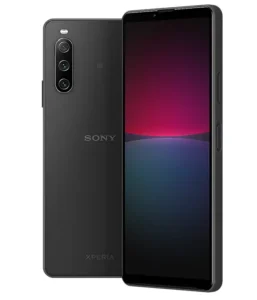
Sony Xperia 10 IV Overview, Features, and Buying Guide
The Sony Xperia 10 IV pushes the boundaries of lightweight smartphone design while delivering exceptional battery life. Released in June 2022, this device weighs just 161 grams yet packs a substantial 5000mAh battery, creating one of the most impressive power-to-weight ratios available. Sony refined the mid-range formula by combining the distinctive 21:9 aspect ratio display with upgraded Gorilla Glass Victus protection, IP68 water resistance, and 5G connectivity in an incredibly portable package.
This phone targets users who prioritize all-day battery life and comfortable handling over flagship performance. The 6-inch OLED display with Triluminos technology delivers vibrant visuals, while the Snapdragon 695 5G processor provides solid mid-range performance for everyday tasks. The triple camera system featuring optical image stabilization on the main sensor and 2x optical telephoto zoom rounds out a well-balanced package for users seeking reliable daily performance without the weight and bulk of modern flagships.
What Makes the Sony Xperia 10 IV Worth Buying?
The lightweight design combined with exceptional battery capacity creates a unique proposition. At just 161 grams, this phone feels remarkably light compared to modern smartphones often exceeding 190-200 grams. Sony achieved this featherweight construction while fitting a 5000mAh battery that easily powers through a full day of heavy use or extends to two days with moderate usage. The combination of efficient OLED display, mid-range processor, and large battery capacity delivers outstanding endurance.
The compact dimensions enhance everyday usability. Measuring 153 x 67mm with a narrow 67mm width, the phone fits comfortably in one hand and slips easily into pockets without creating bulk. The slim 8.3mm profile maintains sleekness despite the large battery. Sony upgraded the display protection to Gorilla Glass Victus, offering better scratch and drop resistance than the Gorilla Glass 6 found on the predecessor while maintaining the lightweight construction through plastic frame and back materials.
The 6-inch OLED display with Triluminos technology produces vibrant colors and deep blacks. The 21:9 aspect ratio provides extra vertical space useful for multitasking, reading long documents, or watching widescreen content without black bars. The 1080 x 2520 resolution delivers sharp visuals at 457 ppi, ensuring text remains crisp and images detailed. HDR support enhances compatible video content with improved contrast and color depth.
The camera system includes practical features for the mid-range segment. The 12MP main camera gained optical image stabilization, a significant upgrade from the predecessor that helps reduce blur in photos and videos. The f/1.8 aperture allows decent light intake for various shooting conditions. The 8MP telephoto camera provides genuine 2x optical zoom without digital cropping, useful for portraits and distant subjects. The 8MP ultrawide camera with 120-degree field of view captures expansive scenes.
Audio capabilities maintain the increasingly rare 3.5mm headphone jack with 24-bit/192kHz Hi-Res audio support. Music enthusiasts who maintain wired headphone collections or value lossless audio will appreciate this feature. Bluetooth 5.1 with aptX HD and aptX Adaptive ensures wireless audio maintains excellent quality with compatible headphones. The mono loudspeaker handles calls and casual media playback adequately.
5G connectivity ensures future-proofing as networks continue expanding. The Snapdragon 695 supports sub-6GHz 5G bands common across most markets, providing faster data speeds where 5G coverage exists. The phone maintains full backward compatibility with 4G LTE, HSPA, and GSM networks for comprehensive global coverage.
Storage comes standard with 128GB and 6GB RAM with UFS storage technology for reasonable performance. The microSDXC card slot enables storage expansion, though it shares space with the second SIM slot in dual-SIM configurations. The 6GB RAM handles typical multitasking and app switching for everyday users without demanding intensive workflows.
The side-mounted fingerprint sensor integrates into the power button for convenient one-handed unlocking. This placement allows quick authentication without reaching for the back or dealing with slower face recognition. The plastic frame and back reduce manufacturing costs and weight while maintaining structural integrity through the IP68-rated water-resistant construction.
Software support improved notably from Sony’s earlier mid-range devices. The phone launched with Android 12 and receives updates through Android 14, providing two major Android version updates. This extended support timeline addresses previous criticisms about Sony’s mid-range update policies, though it still falls short of some competitors offering longer commitments.
USB Type-C 2.0 with OTG support enables connecting USB accessories like flash drives or peripherals. The 21W charging restores the large 5000mAh battery reasonably quickly for the segment, reaching full charge overnight and providing quick top-ups during the day.
Things to Know Before Choosing the Sony Xperia 10 IV
The Snapdragon 695 processor positions this firmly in mid-range territory. While adequate for everyday tasks like browsing, messaging, social media, and casual photography, it struggles with demanding games at high settings or intensive multitasking. The Adreno 619 GPU handles basic gaming but falls behind flagship processors significantly in graphics performance. Users seeking gaming capabilities should consider devices with more powerful chipsets.
Video recording capabilities remain limited to 1080p@30fps, a significant restriction compared to competitors offering 4K video recording in the mid-range segment. The lack of higher resolution or frame rate options limits videography potential. Content creators who prioritize video recording should note this limitation, as it falls behind expectations for a 2022 mid-range device.
The display, while nice for everyday use, lacks a high refresh rate. The standard 60Hz refresh rate feels less smooth than 90Hz or 120Hz displays increasingly common in the mid-range segment by 2022. Users accustomed to high refresh rate displays will notice the difference during scrolling and animations. This omission helps battery life but compromises visual fluidity.
The camera system, while featuring optical stabilization on the main sensor, uses relatively small sensors across all three cameras. Low-light performance lags behind devices with larger sensors or more aggressive computational photography. The absence of night mode enhancements or advanced AI processing means photos in challenging conditions don’t match competitors emphasizing software-enhanced photography.
The plastic frame and back, while helping achieve the lightweight design, feel less premium than aluminum or glass constructions. The material choices create a budget aesthetic despite the reasonable pricing. Users prioritizing premium feel might be disappointed by the plastic construction, though it contributes significantly to the light weight and durability.
The shared microSD card slot forces choosing between dual physical SIM functionality and storage expansion. International travelers requiring two active SIM cards must sacrifice expandable storage. The eSIM option provides some flexibility, allowing one physical SIM plus eSIM, but not all carriers support eSIM technology globally.
The mono loudspeaker configuration means audio plays from a single driver rather than stereo speakers. Media consumption without headphones lacks spatial separation and richness. This limitation affects video watching and casual music listening, making headphones essential for quality audio experiences.
The front camera uses an 8MP sensor with modest specifications. Selfie quality remains acceptable for social media and video calls but doesn’t match devices prioritizing front camera capabilities. Video recording from the front camera maxes out at 1080p@30fps, matching but not exceeding segment expectations.
The 21W charging speed, while adequate, trails competitors offering 30W, 33W, or faster charging in similar price ranges. The large 5000mAh capacity means full charging takes longer than devices with more aggressive charging technologies. Those accustomed to rapid charging may find the speeds modest.
Is the Sony Xperia 10 IV Right for You?
Battery life prioritizers will find this device exceptional. The 5000mAh capacity combined with the efficient OLED display and mid-range processor delivers outstanding endurance that easily stretches through full days of heavy use or extends to two days with moderate usage patterns. Users frustrated by frequent charging should seriously consider this device, as the battery performance stands among the best in any segment.
Lightweight phone seekers appreciate the remarkable 161-gram weight. The featherweight construction reduces hand fatigue during extended use and makes the phone barely noticeable in pockets or bags. Those who find modern smartphones too heavy or cumbersome will value this exceptional portability, though they must accept mid-range performance and plastic construction.
Compact phone enthusiasts benefit from the narrow 67mm width and overall manageable dimensions. The form factor enables comfortable one-handed operation and easy pocket portability. Those frustrated by increasingly large smartphones should evaluate this device, particularly if battery life matters more than cutting-edge performance or high refresh rate displays.
Budget-conscious buyers seeking 5G connectivity and solid build quality at reasonable prices benefit from this device’s value proposition. The IP68 water resistance and Gorilla Glass Victus protection add features typically reserved for more expensive devices. The improved software support timeline with updates through Android 14 extends the device’s useful lifespan. Those prioritizing longevity and essential features over flagship performance should consider this option.
Casual users focused on communication, browsing, social media, and light photography will find the performance perfectly adequate. The Snapdragon 695 handles these everyday tasks smoothly without unnecessary power consumption. The exceptional battery life supports all-day use without charging anxiety. Users with modest performance needs and realistic expectations may find this device ideally suited to their usage patterns.
Students and commuters appreciate the lightweight build for daily carrying. The compact size and light weight reduce burden during commuting or moving between classes. The reasonable pricing makes it accessible for student budgets. The excellent battery life ensures the phone lasts through full days away from chargers. The 3.5mm headphone jack maintains compatibility with existing wired headphones.
Mobile gamers should look elsewhere. The Snapdragon 695 and Adreno 619 GPU struggle with demanding titles at high settings and quality. Casual puzzle games and simple titles run acceptably, but intensive 3D games experience frame drops and reduced visual quality. The 60Hz display further limits gaming smoothness. Serious gamers need devices with more powerful chipsets and higher refresh rate displays.
Photography enthusiasts will find the camera system functional but limited. The optical image stabilization on the main camera helps reduce blur, and the optical telephoto adds versatility. However, small sensors and basic computational photography limit low-light performance and overall image quality. The restriction to 1080p video recording is particularly disappointing. Serious photographers should consider devices with larger sensors or better processing capabilities.
Media consumers enjoy the 21:9 display for widescreen content without black bars and the OLED panel’s vibrant colors. However, the mono speaker significantly diminishes the audio experience without headphones. The lack of stereo speakers and high refresh rate affects multimedia enjoyment. Heavy media consumers might prefer devices with stereo speakers and smoother displays.
Business users requiring reliable connectivity and excellent battery life benefit from the 5G support and outstanding endurance. The IP68 rating protects against accidental exposure to water and dust. The side-mounted fingerprint sensor provides quick secure access. Those needing extended software support should appreciate the commitment to Android 14, though some competitors offer longer timelines.
Fitness enthusiasts and active users appreciate the light weight during workouts and outdoor activities. The phone barely registers in running shorts pockets or armbands. The IP68 water resistance protects against sweat and rain. The secure grip despite the plastic construction reduces drop risk. The exceptional battery life supports GPS tracking during long activities without draining quickly.
Best Alternatives to the Sony Xperia 10 IV
The Samsung Galaxy A53 5G from the same era offers a 120Hz display for smoother scrolling and better gaming experience. The quad camera system includes optical image stabilization and 4K video recording, surpassing the Xperia’s video limitations. Samsung’s longer software support commitment with four Android updates and five years of security patches exceeds Sony’s timeline. The stereo speakers enhance media consumption. Those prioritizing display smoothness and longer support should consider this alternative.
The Google Pixel 6a delivers superior computational photography with Google’s image processing expertise. The camera produces significantly better photos in challenging conditions despite the single main camera. Direct Android updates from Google ensure timely security patches and new features. The Tensor chip offers better performance than the Snapdragon 695. Photography enthusiasts should evaluate this option, though it weighs more and lacks the telephoto lens.
The Motorola Edge 30 Neo provides a 120Hz pOLED display and faster 68W charging. The similar compact dimensions appeal to those wanting a small phone, while the higher refresh rate and faster charging address Xperia limitations. The dual camera system omits the telephoto but includes stabilization. Those willing to sacrifice telephoto zoom for smoother display and faster charging should investigate this alternative.
The Nokia X30 5G emphasizes sustainability with recycled materials while offering similar mid-range performance. The 6.43-inch 90Hz display provides smoother experience than the Xperia. The dual camera system includes optical stabilization, though it lacks a telephoto lens. The 33W charging exceeds Sony’s speed. Those valuing environmental considerations and faster charging might prefer this option.
The Sony Xperia 10 V succeeds this model with improvements including better processor performance and refined camera capabilities. The upgraded specifications address some Mark IV limitations while maintaining the lightweight, battery-focused approach. Those who appreciate Sony’s design language but want newer specifications should consider the successor model.
Sony Xperia 10 IV Frequently Asked Questions
How long does the battery last on a single charge?
The Sony Xperia 10 IV’s 5000mAh battery typically provides exceptional endurance, easily lasting a full day of heavy use including extensive screen time, social media, photography, and streaming. With moderate usage patterns involving regular communication, browsing, and casual media consumption, the battery frequently extends into a second day before requiring recharge. The efficient combination of OLED display, Snapdragon 695 processor, and large capacity creates outstanding battery performance. Light users focusing primarily on communication and basic tasks may achieve even longer endurance approaching three days.
Does the phone support wireless charging?
No, the Sony Xperia 10 IV does not support wireless charging. The device relies solely on wired charging via the USB Type-C port with approximately 21W charging speed using Power Delivery and Quick Charge protocols. While wireless charging would add convenience, its absence helps achieve the remarkably light 161-gram weight and keeps manufacturing costs reasonable. The 21W wired charging restores the large 5000mAh battery to full capacity overnight and provides adequate top-ups during the day.
Can I record 4K videos with this phone?
No, the Xperia 10 IV’s video recording capabilities are limited to 1080p@30fps for both rear and front cameras. The phone does not support 4K video recording, which represents a limitation compared to many competing mid-range devices from 2022 that offer 4K recording. This restriction particularly affects content creators and users who prioritize video quality. Those needing 4K video capabilities should consider alternative devices with higher video recording specifications.
What Android version will the phone receive?
The Sony Xperia 10 IV launched with Android 12 and will receive official updates through Android 14. This represents improved software support compared to earlier Sony mid-range devices, providing two major Android version updates beyond the launch version. Security patches continue beyond the major version updates for an additional period. Users planning long-term ownership benefit from this extended support, though some competitors in the segment offer three or even four years of Android updates.
Is the phone good for gaming?
The Xperia 10 IV provides adequate performance for casual gaming including puzzle games, simple strategy titles, and less demanding applications. However, the Snapdragon 695 processor and Adreno 619 GPU struggle with graphically intensive 3D games at high settings. Demanding titles experience frame drops, reduced visual quality, and longer loading times. The 60Hz display further limits gaming smoothness compared to devices with 90Hz or 120Hz refresh rates. Serious mobile gamers should consider devices with more powerful processors like Snapdragon 7 series or flagship 8 series chipsets and higher refresh rate displays.