
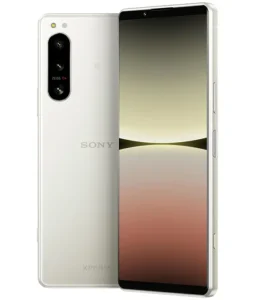
Sony Xperia 5 IV Overview, Features, and Buying Guide
The Sony Xperia 5 IV delivers flagship photography capabilities in a genuinely compact form that’s becoming increasingly rare. Released in September 2022, this device combines the Snapdragon 8 Gen 1 processor with professional-grade camera features, all wrapped in a body that measures just 67mm wide. Sony refined the formula from previous generations by addressing battery life concerns with a 5000mAh capacity while maintaining the slim 8.2mm profile and lightweight 172-gram construction.
This phone targets users who refuse to compromise between portability and capability. The 6.1-inch OLED display with 120Hz refresh rate provides smooth visuals without the unwieldy size of larger flagships. Dual Gorilla Glass Victus protection, IP68 water resistance, and an aluminum frame create a premium package that withstands daily wear. The combination of Zeiss optics, professional video recording up to 4K at 120fps, and native Sony Alpha camera integration positions the Xperia 5 IV as a serious tool for mobile content creation in a pocket-friendly size.
What Makes the Sony Xperia 5 IV Worth Buying?
The compact dimensions stand as the most immediately appealing feature. At 156 x 67mm and just 172 grams, this phone fits comfortably in hands of all sizes and actually slips into pockets without creating an obvious bulge. The narrow 67mm width enables genuine one-handed operation, something increasingly impossible with modern flagships pushing 75mm or wider. Sony achieved this portability without sacrificing the 6.1-inch screen size thanks to the efficient 21:9 aspect ratio and minimal bezels.
The camera system delivers professional-grade capabilities despite the compact body. The main 12MP sensor uses a large 1/1.7″ size with 1.8µm pixels, matching sensors found in much larger devices. This substantial sensor excels in low-light conditions and captures exceptional detail. The 60mm telephoto lens provides 2.5x optical zoom with optical image stabilization and dual pixel PDAF, perfect for portraits and isolating subjects. The 16mm ultrawide camera with its 124-degree field of view includes dual pixel PDAF, unusual for ultrawide lenses and beneficial for close-up photography.
Zeiss T* lens coating reduces flare and ghosting across all three cameras, while the color spectrum sensor ensures accurate color reproduction in varying lighting conditions. Eye tracking technology borrowed from Sony’s Alpha cameras maintains sharp focus on portrait subjects. These professional features give photographers genuine creative control rarely found in phones this size.
Video recording reaches professional standards with 4K capture at 120fps in HDR. This capability enables cinematic slow-motion footage at full resolution, something videographers truly value. The combination of 5-axis gyro-EIS and optical stabilization on both the main and telephoto cameras produces remarkably steady handheld footage. Native Sony Alpha camera support allows the phone to function as a wireless monitor, remote control, and file transfer device for Sony mirrorless cameras.
The 6.1-inch OLED display balances size with usability perfectly. The 120Hz refresh rate delivers fluid scrolling and responsive gaming, while HDR BT.2020 support brings enhanced color and contrast to compatible content. The 1080p resolution provides crisp visuals at 449 ppi without the battery drain of higher resolutions. The 21:9 aspect ratio offers extra vertical space for multitasking and creates an immersive experience for widescreen video content.
Performance comes from the Snapdragon 8 Gen 1 built on a 4nm process. The octa-core configuration includes a powerful 3.00 GHz Cortex-X2 core, three 2.50 GHz Cortex-A710 cores, and four efficiency-focused 1.80 GHz Cortex-A510 cores. Paired with 8GB RAM and UFS 3.X storage, the phone handles demanding applications smoothly. The Adreno 730 GPU delivers excellent gaming performance, particularly when combined with the 120Hz display.
Battery life improved dramatically with the 5000mAh capacity, a significant upgrade from earlier compact Sony flagships. This larger battery better supports the power demands of the 120Hz display and intensive camera features. The wired charging with PD3.0 support reaches 50% capacity in 30 minutes, while wireless charging and reverse wireless charging add versatility for desktop use and charging accessories.
Audio quality receives comprehensive attention. Stereo speakers deliver impressive sound with good separation despite the compact chassis. The 3.5mm headphone jack supports 24-bit/192kHz Hi-Res audio playback, maintaining compatibility with professional monitoring headphones. Snapdragon Sound technology and aptX Adaptive codec via Bluetooth 5.2 ensure wireless audio maintains exceptional quality. The Dynamic vibration system synchronizes haptic feedback with audio for enhanced multimedia immersion.
The front camera upgraded to 12MP with a 1/2.9″ sensor and 1.25µm pixels. Video recording includes 4K@30fps capability, matching what many competing flagships offer for selfie video. The improved sensor delivers better low-light performance and depth of field control for video calls and selfies.
Connectivity expanded with Wi-Fi 6E tri-band support, providing access to the less congested 6GHz band. USB Type-C 3.2 enables faster file transfers, crucial when moving large 4K video files. The phone supports both Nano-SIM + eSIM and dual Nano-SIM configurations, offering flexibility for international travelers and those managing multiple carriers.
Things to Know Before Choosing the Sony Xperia 5 IV
Software support presents the primary long-term concern. The phone launched with Android 12 and received updates through Android 13. Sony’s update policy concluded major Android version updates with Android 13, meaning the device won’t receive Android 14 or subsequent versions officially. Security patches continue periodically but will eventually phase out, potentially limiting the phone’s secure lifespan compared to manufacturers offering extended support commitments.
The Snapdragon 8 Gen 1 chipset generates noticeable heat under sustained loads. Recording 4K video at 120fps, playing graphically intensive games for extended periods, or using the camera heavily can cause the phone to warm up considerably. This thermal behavior may trigger performance throttling to manage temperatures, temporarily reducing processing power during demanding tasks. The slim 8.2mm profile leaves limited space for heat dissipation.
The telephoto camera uses a 60mm focal length rather than the 70mm or longer found on sibling models. This provides 2.5x optical zoom instead of the 3x or variable zoom systems in the Xperia 1 series. While perfectly adequate for portraits and moderate telephoto work, users seeking longer reach should understand this limitation. The phone relies on digital zoom beyond 2.5x, which reduces image quality.
The shared microSD card slot requires choosing between dual physical SIM functionality and storage expansion. International travelers who need two active SIM cards must sacrifice expandable storage. The eSIM option provides some flexibility, allowing one physical SIM plus eSIM, but not all carriers support eSIM technology. The base 128GB storage option may feel restrictive for users shooting extensive 4K video, though the 256GB variant provides more breathing room.
The camera system’s professional focus creates a learning curve. Sony provides extensive manual controls through Photography Pro and Cinematography Pro modes, which photography enthusiasts appreciate but casual users may find overwhelming. The interface prioritizes functionality over simplicity. Point-and-shoot photographers accustomed to computational photography and automatic scene detection might achieve more consistent results with phones emphasizing AI-enhanced processing.
Storage configurations include only 128GB or 256GB variants, both with 8GB RAM. Power users who prefer 12GB or 16GB RAM found in some competing flagships may feel the 8GB allocation becomes limiting when heavily multitasking, though for most users 8GB proves sufficient for smooth operation.
The compact size, while appealing to many, means a smaller battery footprint than larger phones. Despite the impressive 5000mAh capacity for this size, phones with 6.7-inch or larger displays often pack 5500mAh or bigger batteries. Heavy users should set expectations accordingly, though the 5000mAh capacity represents excellent efficiency for the compact form factor.
Is the Sony Xperia 5 IV Right for You?
Compact phone enthusiasts will find this device exceptional. The 67mm width and 172-gram weight make it one of the most manageable flagship smartphones available today. The narrow form factor enables genuine one-handed use and comfortable extended holding. Those frustrated by oversized devices but unwilling to sacrifice flagship performance, camera quality, or features should seriously consider the Xperia 5 IV.
Mobile photographers seeking creative control benefit from the professional camera interface and manual controls. The Zeiss optics, large main sensor, and eye tracking produce excellent images with pleasing color science. The Alpha camera integration appeals to photographers already invested in Sony’s ecosystem. However, casual photographers might find the manual controls overwhelming and miss the automatic enhancements found in computational photography-focused phones.
Videographers and content creators appreciate the 4K 120fps recording capability and professional stabilization. The optical and electronic stabilization combination produces smooth handheld footage suitable for professional work. The 21:9 aspect ratio naturally suits video content, while the compact size makes the phone easier to mount and maneuver. Creators prioritizing manual control over automated processing will value what Sony offers.
Audiophiles benefit from the rare combination of a 3.5mm headphone jack with 24-bit/192kHz Hi-Res audio certification. The Snapdragon Sound support and aptX Adaptive codec deliver exceptional wireless audio quality. Music enthusiasts who maintain wired headphone collections or monitor audio quality will appreciate Sony not abandoning this connection.
Mobile gamers enjoy solid performance from the Snapdragon 8 Gen 1 and smooth visuals from the 120Hz display. The compact size fits comfortably during extended play sessions without hand fatigue. However, the phone can get warm during demanding games, and thermal throttling may affect sustained performance. Gamers prioritizing consistent frame rates during marathon sessions might consider devices with more aggressive cooling solutions.
Business professionals requiring a portable device appreciate the compact dimensions and premium build quality. The IP68 water resistance provides peace of mind in various environments. The side-mounted fingerprint sensor offers quick secure access. Those needing both dual physical SIM and expandable storage face a compromise, and the limited software support timeline means security updates will eventually cease.
Photography hobbyists transitioning from point-and-shoot cameras or wanting to develop skills benefit from the professional interface and manual controls. The telephoto lens teaches the value of different focal lengths for portraiture. The Native Alpha camera support allows practicing with Sony’s camera ecosystem. New photographers should prepare for a learning curve steeper than phones emphasizing automatic modes.
Students and young professionals on tighter budgets might find the Xperia 5 IV expensive even with current market pricing. The specialized features justify the cost for content creators who can leverage the capabilities, but mainstream users might find better value in mid-range devices offering solid performance without the premium Sony charges for professional camera features.
Runners and active users appreciate the compact size and light weight during workouts. The phone fits comfortably in running shorts pockets or armbands without bouncing excessively. The IP68 water resistance protects against sweat and rain. The secure grip from the aluminum frame reduces drop risk during physical activity.
Best Alternatives to the Sony Xperia 5 IV
The Asus Zenfone 9 from the same era targets compact phone seekers with flagship specifications. The 5.9-inch display makes it even more portable than the Xperia 5 IV. The Snapdragon 8+ Gen 1 provides equivalent performance with better thermal efficiency. The simpler camera interface appeals to mainstream users wanting great results without manual controls. The gimbal-stabilized main camera offers unique video stabilization capabilities.
The Samsung Galaxy S22 delivers similar flagship performance with longer software support. Samsung’s update policy provides extended Android version updates and security patches lasting years. The camera system emphasizes computational photography over manual controls, producing excellent photos with minimal user input. The wider device selection including S22+ and S22 Ultra variants offers size options for different preferences.
The iPhone 13 provides exceptional performance and industry-leading software support lasting years. The 6.1-inch display matches the Xperia’s screen size, while the narrower notch maximizes usable screen area. Apple’s computational photography produces excellent photos with minimal effort. The seamless integration with other Apple devices appeals to those invested in or considering Apple’s ecosystem.
The Google Pixel 7 emphasizes computational photography powered by Google’s custom Tensor G2 chip. Direct Android updates from Google ensure timely security patches and new features. The camera interface prioritizes simplicity, producing excellent point-and-shoot results. The significantly lower price point makes it attractive for those not requiring Sony’s professional camera features, though it lacks the compact form factor.
The Sony Xperia 5 V succeeds this model with refinements including improved thermal management and enhanced battery optimization. It maintains the compact form factor while addressing some Mark IV limitations. The upgraded processor delivers better efficiency and sustained performance. Sony enthusiasts wanting the latest iteration with improvements should consider the Mark V despite its premium pricing.
Sony Xperia 5 IV Frequently Asked Questions
Does the Xperia 5 IV support wireless charging?
Yes, the Sony Xperia 5 IV supports both standard wireless charging and reverse wireless charging. The wireless charging feature allows convenient charging on compatible Qi wireless charging pads, complementing the wired PD3.0 charging that reaches 50% capacity in 30 minutes. Reverse wireless charging enables the phone to charge compatible accessories like wireless earbuds or even other Qi-enabled phones by placing them on the back of the Xperia 5 IV, effectively turning it into a portable wireless charging pad.
Can the phone connect with Sony Alpha cameras?
Yes, the Xperia 5 IV includes native Sony Alpha camera support for direct connection with compatible Sony mirrorless cameras. This feature enables the phone to function as a wireless remote viewfinder and control interface for Alpha cameras. Photographers can adjust camera settings, trigger the shutter remotely, review captured images on the phone’s display, and transfer photos for immediate editing and sharing. This integration proves particularly useful for self-portraits, difficult shooting angles, or situations requiring remote camera operation.
What Android version does the Xperia 5 IV currently support?
The Sony Xperia 5 IV launched with Android 12 and received official updates through Android 13. Sony’s update policy for this model concluded with Android 13, meaning the device will not receive Android 14 or later versions through official channels. The phone continues receiving periodic security patches, though the frequency decreases over time and will eventually end as the device ages. Users planning long-term ownership should consider this limited update timeline when making purchase decisions.
How does the telephoto camera compare to other Sony models?
The Xperia 5 IV features a 60mm telephoto lens providing 2.5x optical zoom, which differs from the variable telephoto systems found in the Xperia 1 III and 1 IV models. While the larger Xperia 1 series offers either dual focal length switching or continuous zoom capabilities ranging from 3x to 5.2x, the compact Xperia 5 IV uses a simpler but still capable fixed 2.5x telephoto with optical image stabilization and dual pixel PDAF. This focal length works excellently for portraits and moderate telephoto photography, though users seeking longer zoom ranges should consider the Xperia 1 series.
Does the phone support eSIM and dual SIM simultaneously?
The Xperia 5 IV offers flexible SIM configuration options. Users can choose between dual Nano-SIM slots or a combination of one Nano-SIM plus eSIM, depending on their needs and carrier support. However, when using the dual physical SIM configuration, one SIM slot is shared with the microSD card slot, forcing users to choose between dual physical SIM functionality and storage expansion. The eSIM option allows one physical SIM, one eSIM, and the microSD card slot simultaneously, providing the most flexible configuration for users whose carriers support eSIM technology.