
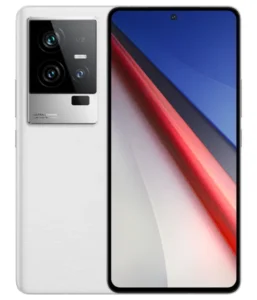
What Makes the Vivo iQOO 11 Worth Buying?
The Vivo iQOO 11 stands out as a performance-focused flagship that doesn’t compromise on display quality or charging speed. Built around the Snapdragon 8 Gen 2 chipset, this phone delivers the kind of raw power that mobile gamers and multitaskers demand. The 144Hz LTPO4 AMOLED screen offers buttery-smooth scrolling and gaming experiences, while the 1800-nit peak brightness ensures excellent visibility even under direct sunlight.
Charging anxiety becomes a thing of the past with 120W wired charging that takes the 5000mAh battery from empty to full in just 25 minutes. That’s faster than most people’s morning coffee routine. The triple camera setup, headlined by a 50MP main sensor with optical image stabilization, handles everyday photography with confidence. Corning Gorilla Glass Victus protects the display from scratches and drops, adding durability to the premium design.
The combination of cutting-edge specs and practical features makes the iQOO 11 a compelling choice for anyone who refuses to settle for mediocre performance. Whether gaming at maximum settings or switching between demanding apps, the phone maintains smooth operation without the stutters that plague lesser devices.
Things to Know Before Choosing the Vivo iQOO 11
The lack of expandable storage means buyers need to choose their storage variant carefully from the start. With options ranging from 128GB to 512GB, those who shoot lots of videos or store large game files should consider the higher-capacity models. There’s no turning back once the purchase is made.
Audio enthusiasts will notice the absence of a 3.5mm headphone jack. While the phone supports high-quality Bluetooth codecs including aptX Lossless, wired audio fans will need a USB-C adapter or wireless headphones. The stereo speakers do provide quality sound, but the missing jack still limits flexibility.
Software updates deserve consideration as well. The phone launched with Android 13 and is upgradable to Android 14, running either Funtouch OS internationally or OriginOS in China. The interface experience differs based on region, and long-term software support timelines aren’t as extensive as some competitors offer.
The 8MP ultrawide camera represents the weakest link in the camera system. While the main and telephoto sensors perform admirably, the ultrawide’s lower resolution becomes apparent in detail-heavy shots. Photographers who frequently use ultrawide angles might find this limiting compared to phones with higher-resolution ultrawide sensors.
Is the Vivo iQOO 11 Right for You?
Mobile gamers will find the iQOO 11 perfectly suited to their needs. The 144Hz refresh rate delivers incredibly smooth gameplay, while the Snapdragon 8 Gen 2 handles graphically intensive titles without breaking a sweat. The large 5000mAh battery combined with blazing-fast charging means minimal downtime between gaming sessions.
Power users who juggle multiple apps, stream content, and demand instant responsiveness will appreciate the phone’s capabilities. The LTPO4 technology intelligently adjusts the refresh rate to save battery when high frame rates aren’t needed, extending usage time without sacrificing smoothness when it matters.
Photography enthusiasts seeking a versatile camera system will find the 50MP main sensor and 2x telephoto capable for most situations. The optical image stabilization helps in low light and when shooting video. However, dedicated photographers might want to look at phones with more advanced zoom capabilities or better ultrawide sensors.
Budget-conscious buyers hunting for flagship performance at a competitive price point should consider the iQOO 11 seriously. The phone packs premium features typically found in more expensive devices, making it an excellent value proposition. Students and young professionals who want flagship specs without the flagship price tag will find this phone hits the sweet spot.
Content creators who shoot and edit videos on their phones benefit from the 8K recording capability and comprehensive video features. The gyro-EIS stabilization keeps footage steady, while the quick charging ensures the phone stays ready for capturing unexpected moments.
Best Alternatives to the Vivo iQOO 11
The OnePlus 11 offers similar Snapdragon 8 Gen 2 performance with a different camera approach featuring Hasselblad tuning. Those prioritizing photography might prefer OnePlus’s camera processing, though the iQOO 11 edges ahead in charging speed.
Samsung Galaxy S23 provides longer software support and a more refined camera system with better ultrawide performance. The trade-off comes in charging speed and refresh rate, where the iQOO 11 takes the lead. Samsung’s ecosystem integration benefits users already invested in Galaxy devices.
Xiaomi 13 presents another Snapdragon 8 Gen 2 option with Leica-branded cameras and wireless charging capability. The iQOO 11 counters with its higher refresh rate display and faster wired charging, making the choice dependent on whether wireless charging matters more than display smoothness.
Realme GT 5 Pro delivers comparable performance with similar fast charging in a slightly different package. The decision often comes down to regional availability and specific feature preferences between the two brands.
Vivo iQOO 11 Frequently Asked Questions
Does the Vivo iQOO 11 support wireless charging?
The Vivo iQOO 11 does not include wireless charging capability. The phone focuses on extremely fast wired charging instead, offering 120W wired charging that fully charges the 5000mAh battery in approximately 25 minutes. This wired charging speed significantly outpaces most wireless charging solutions available today. The phone does support PD3.0 for compatibility with various chargers, though the fastest speeds require the included 120W charger.
How long does the 5000mAh battery last on the iQOO 11?
Battery life on the iQOO 11 varies based on usage patterns, but the 5000mAh capacity combined with the efficient Snapdragon 8 Gen 2 chipset and LTPO4 display technology provides all-day battery life for most users. Heavy gamers utilizing the 144Hz refresh rate continuously might need to charge before day’s end, while moderate users checking emails, browsing social media, and streaming videos can expect the battery to last through a full day. The LTPO4 technology automatically adjusts the refresh rate based on content, conserving battery when high frame rates aren’t necessary. The rapid 120W charging compensates for any battery anxiety, delivering hours of use from just minutes of charging.
Can the iQOO 11 record in 8K video quality?
Yes, the Vivo iQOO 11 can record video in 8K resolution at 30 frames per second using the rear camera system. The phone also supports 4K recording at both 30fps and 60fps, along with 1080p recording at various frame rates including 30fps, 60fps, 120fps, and 240fps for slow-motion effects. All video recording benefits from gyro-EIS (Electronic Image Stabilization) to reduce shakiness. The front-facing camera records up to 1080p resolution at 30fps with gyro-EIS. Keep in mind that 8K video files consume significantly more storage space than lower resolutions, which matters given the lack of expandable storage.
Is the iQOO 11 waterproof or water-resistant?
The specifications provided do not indicate any IP rating for water or dust resistance on the Vivo iQOO 11. The phone features Corning Gorilla Glass Victus protection for the display against scratches and drops, but official water resistance certification is not mentioned. Users should treat the phone as not water-resistant and avoid exposure to water, liquids, or excessive moisture. For those requiring water resistance, other flagship models with IP68 ratings would be more suitable choices.
What is the difference between the International and China versions of the iQOO 11?
The primary difference between regional versions lies in the software. International models run Funtouch OS 14 on top of Android, while Chinese models use OriginOS 3. Both versions feature the same hardware specifications including the Snapdragon 8 Gen 2 chipset, 144Hz AMOLED display, and camera system. The software interface, pre-installed apps, and certain features may vary between Funtouch OS and OriginOS. International versions typically include Google services and the Play Store, while Chinese versions may have different app ecosystems. Network band support may also differ slightly to accommodate regional carrier requirements, though both support 5G connectivity.