
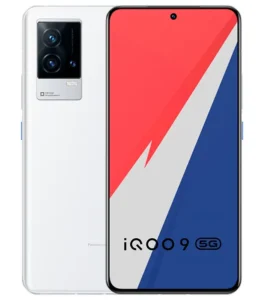
Vivo iQOO 9 Overview, Features, and Buying Guide
The Vivo iQOO 9 represents a compelling entry in the performance smartphone segment, delivering flagship-grade hardware in a competitive package. Launched in March 2022, this device targets users who demand speed, visual excellence, and rapid charging without compromise. Built around Qualcomm’s Snapdragon 888+ chipset and featuring a stunning 120Hz AMOLED display, the iQOO 9 caters to mobile gamers, power users, and anyone seeking a smooth, responsive experience.
The phone’s standout feature is its industry-leading 120W wired charging, capable of reaching 50% battery in just six minutes. Paired with a 4350mAh battery, this combination addresses one of the biggest pain points in smartphone usage: downtime. The device also sports a gimbal-stabilized main camera, offering superior video stability compared to standard optical image stabilization systems.
Design-wise, Vivo equips the iQOO 9 with premium materials including Panda Glass protection, an aluminum frame, and a glass back panel. The dual-SIM device carries splash and dust resistance, though it lacks an official IP rating. Weighing around 200 grams, it feels substantial without being cumbersome, and the 8.6mm profile keeps it relatively slim.
What Makes the Vivo iQOO 9 Worth Buying?
The iQOO 9’s value proposition centers on three core strengths: raw performance, display quality, and charging speed. The Snapdragon 888+ processor, built on a 5nm process, delivers exceptional computing power with its octa-core configuration. The prime Cortex-X1 core clocked at 2.99 GHz handles demanding tasks effortlessly, while the Adreno 660 GPU ensures smooth gaming experiences even in graphically intensive titles.
Display enthusiasts will appreciate the 6.56-inch AMOLED panel that supports one billion colors and refreshes at 120Hz. Peak brightness reaches 1200 nits, making outdoor visibility excellent even in direct sunlight. HDR10+ support enhances video content, while the Panda Glass protection with Monster Touch support maintains responsiveness and durability. The screen-to-body ratio of 87.5% provides an immersive viewing experience without excessive bezels.
Charging speed sets this phone apart from most competitors. The 120W wired charging system fully charges the battery in just 18 minutes, a remarkable achievement that essentially eliminates charging anxiety. Even a quick six-minute charge provides half the battery capacity, perfect for those rushed mornings or emergency top-ups.
The camera system deserves recognition for its gimbal stabilization technology on the 48MP main sensor. This mechanical stabilization system reduces shake more effectively than electronic or standard optical systems, resulting in smoother videos and sharper photos in challenging lighting conditions. The dual telephoto and ultrawide cameras add versatility, covering 2x optical zoom and 120-degree wide-angle shots.
Storage performance benefits from UFS 3.1 technology, available in configurations up to 256GB with 12GB RAM. This combination ensures apps launch instantly, multitasking remains seamless, and large files transfer quickly. The generous RAM allocation keeps multiple apps in memory without constant reloading.
Audio quality receives attention through stereo speakers tuned for Hi-Res audio playback at 24-bit/192kHz. Snapdragon Sound technology, along with support for aptX HD, aptX Adaptive, and aptX Lossless codecs over Bluetooth 5.2, delivers exceptional wireless audio quality for compatible headphones.
Things to Know Before Choosing the Vivo iQOO 9
Several considerations merit attention before committing to the iQOO 9. The device ships with Android 12 and Funtouch 12, Vivo’s custom interface. While functional, software update longevity may not match brands known for extended support periods. Users should verify Vivo’s update commitment for their region before purchasing.
Battery capacity stands at 4350mAh, which is modest by 2022 standards when many competitors offer 5000mAh or larger cells. The ultra-fast charging compensates somewhat, but heavy users might find themselves reaching for the charger more frequently than with larger-battery alternatives. The aggressive charging speed, while convenient, may also impact long-term battery health more than slower charging methods.
The phone completely omits a microSD card slot, making storage expansion impossible. Buyers should carefully consider whether 128GB or 256GB will suffice for their needs over the device’s lifespan. Cloud storage provides an alternative, but it requires consistent internet connectivity and may incur subscription costs.
Audio enthusiasts will notice the absence of a 3.5mm headphone jack. While the USB-C port supports digital audio and the phone includes Bluetooth with premium codecs, those with wired headphones will need an adapter or USB-C compatible cans. This omission has become common but still frustrates some users.
The camera system, while competent, may not satisfy photography purists. The 48MP main sensor uses relatively small 0.8µm pixels, and the telephoto camera tops out at 13MP with only 2x optical zoom. Competitors in this price bracket sometimes offer more ambitious zoom capabilities or larger primary sensors. Low-light performance, while aided by gimbal stabilization, doesn’t reach the heights of flagship models with larger sensors.
Gaming performance, though excellent, generates noticeable heat during extended sessions. The Snapdragon 888+ is known for running warm under sustained loads, and while the phone manages thermals reasonably well, don’t expect completely cool operation during demanding gameplay. This thermal behavior is typical for this chipset across various manufacturers.
Regional availability and warranty support vary significantly. Vivo’s after-sales service network isn’t as extensive as some global brands, particularly outside Asian markets. Potential buyers should verify local service center availability and warranty terms before purchasing.
The splash and dust resistance offers basic protection but lacks formal IP67 or IP68 certification. This means the phone can handle accidental splashes and light rain, but submersion testing hasn’t been verified. Users should exercise caution around water despite the stated resistance.
Is the Vivo iQOO 9 Right for You?
Mobile Gamers: The iQOO 9 excels as a gaming device. The Snapdragon 888+ with Adreno 660 graphics handles current titles at high settings, while the 120Hz display ensures smooth frame rates. Stereo speakers enhance the gaming experience, and the fast charging means minimal downtime between sessions. However, thermal management during marathon gaming sessions requires occasional breaks to prevent throttling.
Content Consumers: Streaming enthusiasts will love the vibrant AMOLED display with HDR10+ support and one billion color depth. The 120Hz refresh rate makes scrolling through social media feeds butter-smooth, while the 1200-nit peak brightness ensures outdoor visibility. The stereo speakers with Hi-Res audio support elevate the multimedia experience beyond what single-speaker phones offer.
Budget-Conscious Performance Seekers: Those wanting flagship performance without flagship pricing should consider this device seriously. It delivers on core metrics like processing power, display quality, and charging speed while costing less than top-tier alternatives. The trade-offs in camera quality and battery size may be acceptable for buyers prioritizing speed and display over photography prowess.
Photography Enthusiasts: Casual photographers will find the camera system adequate for everyday shots, and the gimbal stabilization genuinely improves video quality. However, serious mobile photographers might feel limited by the modest sensor sizes and zoom capabilities. Competitors offering larger sensors or longer zoom ranges might serve photography-focused users better.
Frequent Travelers: The dual-SIM support and comprehensive network compatibility (GSM/HSPA/LTE/5G) make this phone travel-friendly. However, the mid-range battery capacity could be problematic during long flights or days without charging access. The lightning-fast charging partially mitigates this concern when outlets are available.
Students and Young Professionals: The combination of performance, fast charging, and modern design appeals to younger demographics. The phone handles productivity apps, video calls, and social media with ease. The lack of expandable storage means cloud services become essential for managing photos and videos over time.
Users Upgrading from Budget Devices: Coming from entry-level phones, the iQOO 9 represents a substantial leap in every category. The display quality alone justifies the upgrade, while the performance improvements will be immediately noticeable in daily use. The learning curve for Funtouch 12 might require adjustment, but most users adapt quickly.
Best Alternatives to the Vivo iQOO 9
The OnePlus 9RT offers similar performance with the Snapdragon 888 and competitive pricing. It features a larger 4500mAh battery with 65W charging and OxygenOS, which some users prefer over Funtouch. The camera systems are comparable, though the OnePlus lacks gimbal stabilization.
Samsung’s Galaxy S21 FE provides a more polished software experience with longer update commitments and better camera versatility. However, it charges more slowly at 25W and costs slightly more in most markets. The Exynos variant in some regions performs differently than Snapdragon models.
Xiaomi 11T Pro matches the 120W charging speed while offering a larger 5000mAh battery and a 108MP main camera. It runs MIUI, which has its own learning curve, and gaming performance is similar with the Snapdragon 888. Build quality and design aesthetics differ significantly between the two phones.
Realme GT 2 Pro targets similar buyers with flagship specifications and competitive pricing. It offers newer Snapdragon 8 Gen 1 power in some variants, though this comes with its own thermal considerations. The paper-based back panel design provides a unique texture alternative to glass.
Vivo iQOO 9 Frequently Asked Questions
How long does the Vivo iQOO 9 battery last on a single charge?
The 4350mAh battery typically delivers a full day of moderate use, including social media browsing, video streaming, and casual photography. Heavy users engaging in extended gaming sessions or 4K video recording might need a midday charge. The 120Hz display and Snapdragon 888+ processor consume power relatively quickly under load, but standby time remains excellent. The ultra-fast 120W charging mitigates concerns about battery life since a complete charge takes just 18 minutes.
Does the Vivo iQOO 9 support wireless charging?
No, the iQOO 9 does not include wireless charging capabilities. Vivo focused exclusively on wired charging technology for this model, achieving industry-leading speeds of 120W through the USB Type-C 2.0 port. The phone does not support reverse wireless charging either, so you cannot use it to charge other devices wirelessly.
Is the gimbal camera stabilization noticeably better than standard OIS?
The gimbal stabilization system on the 48MP main camera provides superior shake reduction compared to traditional optical image stabilization, particularly evident in video recording. Walking footage appears smoother, and handheld video remains stable even without additional electronic stabilization. For photography, the benefits are most apparent in low-light situations where longer exposure times typically introduce blur. The mechanical gimbal system moves the entire sensor rather than just lens elements, allowing for greater correction range.
Can I expand the storage on the Vivo iQOO 9?
Storage expansion is not possible on the iQOO 9 as it lacks a microSD card slot. You must choose between the 128GB or 256GB internal storage options at purchase, as these cannot be upgraded later. Cloud storage services like Google Drive or Google Photos provide alternatives for backing up photos and videos, though this requires internet connectivity and may involve subscription costs for adequate space.
How does Funtouch 12 compare to stock Android?
Funtouch 12 offers extensive customization options and features beyond stock Android, including theme support, gesture navigation enhancements, and gaming-specific optimizations. The interface includes bloatware in some regions, though most pre-installed apps can be uninstalled. Vivo’s skin adds its own visual style with custom icons and animations. Users familiar with stock Android or OxygenOS will need time to adjust, though most find the interface intuitive after initial exploration. Software update frequency typically trails pure Android implementations.