
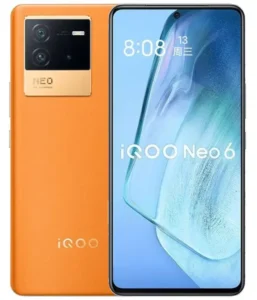
What Makes the Vivo IQOO Neo 6 Worth Buying?
The Vivo IQOO Neo 6 delivers flagship-level performance at a price point that undercuts premium competitors significantly. The Snapdragon 870 processor represents the sweet spot between raw power and efficiency—capable enough to handle demanding games and multitasking without the heat issues or battery drain that plagued the flagship Snapdragon 888. This chipset dominated the mid-range performance segment in 2022, delivering smooth experiences across gaming, productivity, and media consumption.
Charging speed stands out as genuinely impressive. The 80W wired charging refills the 4700mAh battery to 50% in just 12 minutes and reaches full capacity in 32 minutes. This rapid charging transforms how users interact with their devices—a quick shower provides enough power for the entire day, and forgetting to charge overnight becomes a minor inconvenience rather than a crisis. Few phones at this price point offered comparable charging speeds in 2022.
The display impresses with its 6.62-inch AMOLED panel supporting 120Hz refresh rate and HDR10+ content. Peak brightness reaches 1300 nits, ensuring excellent outdoor visibility even in direct sunlight. The screen delivers vibrant colors and smooth scrolling that makes everyday interactions feel premium. Gamers benefit from the high refresh rate support, while media enthusiasts enjoy HDR content with proper dynamic range and contrast.
Camera hardware includes optical image stabilization on the 64MP main sensor—a feature often reserved for more expensive devices. The OIS system compensates for hand shake during photo and video capture, resulting in sharper images and steadier footage. The 8MP ultrawide lens with 116-degree field of view handles landscape shots and group photos effectively, while 4K video recording at 60fps provides high-quality content creation capabilities.
Audio receives proper attention with stereo speakers and support for 24-bit/192kHz Hi-Res audio through USB-C. Snapdragon Sound certification ensures excellent wireless audio quality, and Bluetooth 5.2 with aptX HD, aptX Adaptive, and aptX Lossless codecs delivers audiophile-grade wireless sound when paired with compatible headphones. Music enthusiasts get audio fidelity typically found in higher-priced devices.
Build quality balances cost and functionality effectively. At just 190 grams and 8.5mm thin, the device feels comfortable during extended use without the bulk that plagues gaming phones or rugged devices. The glass front with plastic frame and back keeps costs down while maintaining a premium appearance. The 85.2% screen-to-body ratio minimizes bezels for immersive viewing.
5G connectivity future-proofs the device for next-generation networks. Dual SIM capability maintains separate numbers for work and personal use. The infrared port enables universal remote control functionality for TVs, air conditioners, and other home electronics. UFS 3.1 storage ensures rapid app loading and file transfers.
Things to Know Before Choosing the Vivo IQOO Neo 6
The absence of NFC significantly limits functionality in regions where contactless payments have become standard. Users accustomed to tapping their phones for payments, transit passes, or quick device pairing will feel this omission daily. The lack of NFC represents a notable cost-cutting measure that affects real-world convenience substantially. Buyers should verify whether their daily routines depend on NFC before committing to this device.
Storage lacks expandability—no microSD card slot exists. The maximum 256GB configuration must accommodate all apps, games, photos, and media permanently. Modern games easily consume 5-10GB each, and users who download extensive media libraries or shoot 4K video regularly may find storage filling up faster than expected. Cloud storage solutions provide alternatives but require internet connectivity and may incur subscription costs.
The plastic frame and back, while keeping weight and cost down, feel less premium than metal or glass alternatives. The device lacks any official IP rating for water or dust resistance. Users face greater risk from accidental spills, rain exposure, or dusty environments compared to devices with IP67/IP68 certification. This limitation requires more careful handling and may shorten device lifespan in harsh conditions.
Software support from Vivo typically trails major manufacturers like Samsung or Google. The device launches with Android 12 and Funtouch 12, but long-term OS updates and security patch frequency remain uncertain. Users should temper expectations for receiving Android 13, 14, or beyond in timely fashion. The software interface includes bloatware and pre-installed apps that some users find intrusive.
The 4700mAh battery, while charged incredibly quickly, offers moderate capacity by 2022 standards. Heavy users running the 120Hz display constantly, gaming extensively, or streaming video throughout the day may find themselves reaching for chargers before evening. The excellent fast charging mitigates this limitation, but users accustomed to 5000-6000mAh batteries in competing devices will notice the difference during marathon usage sessions.
Camera performance, despite including OIS, trails dedicated photography phones. The 64MP sensor produces good results in optimal lighting but struggles in low-light scenarios compared to flagship devices with larger sensors and advanced computational photography. The 2MP macro camera delivers gimmicky results rarely worth using. The 16MP selfie camera captures adequate photos but disappoints users expecting flagship-quality front-facing imagery.
The absence of a 3.5mm headphone jack forces users toward wireless audio or USB-C adapters. While the device supports excellent Bluetooth codecs, audiophiles preferring wired connections for zero latency or maximum quality must carry adapters. This design choice, while common in modern phones, eliminates convenient compatibility with existing wired headphones.
Gaming performance, though strong with the Snapdragon 870, won’t match dedicated gaming phones with active cooling systems. Extended gaming sessions at maximum settings will eventually cause thermal throttling as the device heats up. The plastic back dissipates heat less effectively than metal frames found in gaming-focused alternatives.
Is the Vivo IQOO Neo 6 Right for You?
Budget-Conscious Performance Seekers: Shoppers wanting flagship-level processing power without flagship pricing discover excellent value. The Snapdragon 870 handles demanding tasks smoothly while costing significantly less than devices using newer flagship chips. The 120Hz AMOLED display and 80W charging add premium features often missing from similarly priced alternatives. Users willing to sacrifice NFC, water resistance, and camera excellence for raw performance maximize value. Students, young professionals, or anyone prioritizing speed and responsiveness over brand prestige will appreciate the cost-to-performance ratio.
Mobile Gamers (Mid-Tier): Players who enjoy popular mobile games but don’t compete professionally get strong gaming capabilities. The Snapdragon 870 and Adreno 650 GPU run titles like PUBG Mobile, Call of Duty Mobile, and Genshin Impact at high settings with solid frame rates. The 120Hz display enhances visual smoothness for compatible games. The fast charging means brief breaks provide ample power for extended sessions. However, hardcore competitive gamers demanding absolute maximum performance and active cooling should consider dedicated gaming phones despite higher costs.
Media Consumers and Content Viewers: Users who stream videos, browse social media, and consume content extensively benefit from the vibrant AMOLED display with HDR10+ support. The 1300-nit peak brightness ensures visibility outdoors. Stereo speakers provide decent audio for casual viewing, and Hi-Res audio support elevates music listening. The 120Hz refresh rate makes scrolling through feeds feel responsive. The moderate battery capacity combined with ultra-fast charging suits binge-watching patterns—quick charge-ups between episodes rather than all-day marathon viewing.
Tech Enthusiasts on Budgets: Users who appreciate cutting-edge features like 80W charging and flagship processors but can’t justify ultra-premium pricing find satisfaction here. The device showcases modern technology implementations without the brand tax. Tech-savvy buyers who understand spec sheets and can work around limitations like missing NFC extract maximum value. The infrared port appeals to users who enjoy home automation or universal remote functionality.
Casual Photographers: Users who capture everyday moments, food photos, and social media content get adequate camera performance. The OIS-stabilized 64MP sensor produces shareable results in good lighting. The ultrawide lens adds compositional flexibility for landscapes and group shots. However, photography enthusiasts prioritizing image quality, low-light performance, or advanced camera features should invest in camera-focused flagships from Apple, Samsung, Google, or other photography specialists.
Students and Young Professionals: The combination of strong performance, fast charging, and modern design appeals to younger users balancing productivity and entertainment. The device handles schoolwork, streaming, gaming, and social media smoothly. The dual SIM capability works well for separating school and personal numbers. The lack of NFC may frustrate users in regions where contactless payments dominate campus life. The absence of water resistance requires careful handling around libraries, cafeterias, or outdoor study spaces.
General Daily Users: Mainstream consumers wanting reliable smartphone experiences without bells and whistles find competent performance. The device handles calls, messaging, browsing, and basic photography adequately. The fast charging proves convenient for busy schedules. However, users prioritizing camera quality, wireless payment convenience, or water resistance should explore mainstream flagships that better serve general-purpose needs despite costing more.
Users Requiring NFC or Water Resistance: Anyone depending on contactless payments, transit cards, or NFC-based access systems should absolutely avoid this device. The missing NFC creates daily frustration in regions where tap-to-pay has become standard. Similarly, users in rainy climates, those who frequently use phones near water, or anyone accident-prone needs IP-rated water resistance this device doesn’t provide. These omissions represent deal-breakers for specific user groups regardless of other strengths.
Professional Content Creators: YouTubers, influencers, or serious photographers need better camera systems than the IQOO Neo 6 provides. While 4K 60fps video recording exists, the overall image quality, stabilization, and low-light performance trail devices designed for content creation. The lack of advanced camera features limits creative possibilities. Professional creators should invest in camera-specialized flagships or pair this device with dedicated cameras.
Best Alternatives to the Vivo IQOO Neo 6
The Poco F4 competes directly with nearly identical specifications including the Snapdragon 870 processor and 120Hz AMOLED display. It offers similar performance characteristics but includes NFC functionality that the IQOO Neo 6 lacks—a significant advantage in markets where contactless payments matter. The Poco F4 features comparable 67W charging that’s slightly slower than the IQOO’s 80W but still very fast. Build quality and software experience differ between the brands, with some users preferring Poco’s MIUI interface over Vivo’s Funtouch. Price and regional availability should guide the decision between these closely matched alternatives.
Realme GT Neo 3 delivers the same 80W charging speed with a larger 5000mAh battery, extending runtime beyond the IQOO Neo 6. It uses the Mediatek Dimensity 8100 processor that trades blows with the Snapdragon 870—each excels in different scenarios. The Realme includes NFC support, addressing the IQOO’s most glaring omission. However, the camera system with OIS favors the IQOO Neo 6 for photography. Buyers prioritizing battery life and NFC over camera stabilization should favor the Realme.
OnePlus Nord 2T offers more refined software through OxygenOS with better long-term update commitments compared to Vivo’s uncertain support. The Mediatek Dimensity 1300 processor delivers capable but slightly lower performance than the Snapdragon 870. It includes 80W charging matching the IQOO’s speed and features better build quality with superior materials. The OnePlus brand carries stronger recognition in Western markets. Users valuing software polish, brand reputation, and update reliability over raw performance benchmarks should consider the Nord 2T.
Samsung Galaxy A73 5G represents the mainstream alternative with guaranteed multi-year Android updates and monthly security patches. The Snapdragon 778G trails the Snapdragon 870 in raw performance but provides adequate daily use capabilities. Samsung’s camera processing algorithms often produce more pleasing photos despite comparable hardware. The device includes IP67 water resistance and superior AMOLED display calibration. It costs more but delivers better long-term value through extended support and brand reliability.
Xiaomi 11T brings 120W charging that even surpasses the IQOO Neo 6’s impressive 80W, filling the battery to 100% in just 17 minutes. The Mediatek Dimensity 1200 processor competes closely with the Snapdragon 870 depending on workload. The device features a 108MP main camera for higher resolution capture, though real-world image quality depends more on processing than megapixels. Stereo speakers tuned by Harman Kardon provide superior audio. The Xiaomi offers NFC and similar pricing while delivering competitive overall value.
Nothing Phone (1) targets design-conscious buyers with unique Glyph interface LED lighting and transparent back design. The Snapdragon 778G+ offers adequate but noticeably lower performance than the Snapdragon 870. Nothing commits to superior software support with three years of OS updates and four years of security patches. Build quality feels more premium with better materials and IP53 water resistance. The device costs more but appeals to users valuing distinctive design and guaranteed longevity over maximum performance.
Vivo IQOO Neo 6 Frequently Asked Questions
Does the lack of NFC significantly impact daily use?
The missing NFC creates substantial inconvenience in regions where contactless payments have become standard practice. Users in major cities across Europe, Asia, North America, and other developed markets rely on tap-to-pay for transit systems, retail purchases, and quick transactions. Without NFC, users must carry physical credit cards, transit cards, or cash—eliminating the convenience of phone-only outings. The limitation also prevents quick Bluetooth pairing with NFC-enabled accessories and blocks access to certain security systems using NFC badges. In developing markets where NFC adoption remains limited, the absence matters less. Potential buyers should honestly assess whether their daily routines depend on contactless payment systems before committing to this device.
How does 80W charging affect long-term battery health?
Modern fast charging systems include sophisticated thermal management and voltage regulation designed to protect battery longevity. The 80W charging intelligently adjusts power delivery based on battery temperature, charge level, and usage patterns to minimize stress. However, all lithium batteries degrade over time regardless of charging method. Using maximum fast charging daily may accelerate degradation slightly compared to slower charging, though the difference typically becomes noticeable only after 2-3 years of heavy use. The 4700mAh battery should maintain 80% capacity for approximately 800-1000 charge cycles under normal conditions. Users can extend battery lifespan by avoiding constant charging to 100% or letting the battery fully deplete repeatedly. The convenience of 80W charging generally outweighs concerns about slightly faster long-term degradation for most users.
Can the Snapdragon 870 handle current mobile games in 2024?
The Snapdragon 870 remains a capable gaming processor even in 2024, though it shows age compared to the latest flagship chips. Popular titles like PUBG Mobile, Call of Duty Mobile, Mobile Legends, and similar games run smoothly at high settings with solid frame rates. More demanding titles like Genshin Impact perform adequately at medium-to-high settings but may require graphics compromises for sustained maximum frame rates. The Adreno 650 GPU handles 120Hz gaming in compatible titles effectively. Users should expect occasional thermal throttling during marathon gaming sessions as the plastic body dissipates heat less efficiently than metal frames. Competitive esports players or those demanding absolute maximum graphics quality should consider newer processors, but casual-to-serious gamers find the Snapdragon 870 perfectly serviceable for current titles.
Is the camera quality competitive with flagship phones?
The 64MP main camera with OIS produces respectable photos that compete with mid-range devices but trail true flagship cameras noticeably. In good lighting, the sensor captures detailed images suitable for social media and casual photography. The OIS system helps with sharpness and enables better low-light shots than non-stabilized alternatives. However, computational photography algorithms and image processing lag behind Apple, Samsung, Google, and other camera-focused manufacturers. Dynamic range feels limited in high-contrast scenes, low-light performance struggles despite OIS, and color accuracy occasionally misses the mark. The ultrawide camera captures adequate shots but quality drops compared to the main sensor. Video stabilization works well with OIS assistance. Users prioritizing photography should invest in dedicated camera phones, while casual photographers find the IQOO Neo 6 adequate for everyday moments.
How does the plastic build affect durability compared to glass or metal?
The plastic frame and back reduce weight and cost while maintaining reasonable durability for normal use. Plastic resists shattering better than glass when dropped, potentially preventing catastrophic damage from falls that would shatter all-glass devices. However, plastic scratches more easily than glass or metal, showing wear from keys, coins, or rough handling more quickly. The material feels less premium to the touch and doesn’t dissipate heat as effectively as metal frames, which matters during gaming or fast charging. The lack of IP rating means the unsealed plastic construction offers minimal water or dust protection—spills or rain exposure pose greater risk than with IP-certified devices. Users should apply protective cases to maintain appearance and add drop protection. The plastic construction suits budget-conscious buyers accepting aesthetic trade-offs for functional durability.