
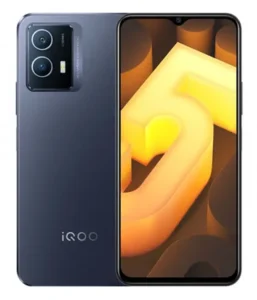
What Makes the Vivo IQOO U5 Worth Buying?
The Vivo IQOO U5 delivers essential smartphone features at an accessible price point, making modern technology available to budget-conscious buyers. The device ships with Android 12 and OriginOS Ocean, providing relatively current software at launch. The combination of 5G connectivity, a large display, and substantial battery capacity creates a foundation for everyday smartphone tasks without breaking the bank.
Display quality stands out as a key highlight. The 6.58-inch IPS LCD panel supports 120Hz refresh rate and HDR10 content, delivering smooth scrolling and responsive touch interactions that rival more expensive devices. The 1080p resolution translates to 401 pixels per inch, ensuring crisp text and detailed imagery. The high refresh rate makes everyday interactions feel fluid, whether browsing social media, reading articles, or navigating through apps.
Battery endurance impresses with a generous 5000mAh capacity that easily powers through full days of mixed usage. Users running typical daily tasks—messaging, social media, web browsing, moderate gaming, and media consumption—can comfortably reach evening without charging anxiety. The substantial cell size suits users who forget to charge overnight or face unpredictable schedules where consistent charging access isn’t guaranteed.
The Snapdragon 695 5G processor built on 6nm technology provides capable performance for everyday computing. This mid-range chipset handles routine smartphone tasks smoothly—messaging apps, web browsing, social media, navigation, and light gaming all run without frustrating lag. The Adreno 619 GPU manages casual games and basic graphics tasks adequately, though it won’t compete with flagship processors for intensive gaming.
Camera hardware includes a 50MP main sensor with phase detection autofocus, capturing detailed photos in good lighting conditions. The sensor produces images suitable for social media sharing and everyday documentation. The 8MP selfie camera handles video calls and self-portraits with reasonable clarity. Video recording reaches 1080p at 30fps for both front and rear cameras, covering basic content creation needs.
Storage expandability through microSDXC cards addresses a common budget phone limitation. Users can supplement the base 128GB internal storage with affordable memory cards, storing extensive photo libraries, offline music, or downloaded content without worrying about running out of space. This flexibility suits users who accumulate large media collections or prefer downloading content rather than streaming.
The inclusion of a 3.5mm headphone jack appeals to users with existing wired headphones or those preferring zero-latency audio for gaming and media. Bluetooth 5.1 with aptX HD and Adaptive codecs provides excellent wireless audio quality for compatible headphones, delivering options for both wired and wireless listening preferences.
Build quality balances practicality with reasonable dimensions. At 185 grams and 8.3mm thick, the device feels comfortable during extended use without excessive bulk. The side-mounted fingerprint sensor provides quick unlocking that works reliably and remains accessible with either hand. Dual SIM capability enables maintaining separate work and personal numbers or using local SIM cards when traveling.
Things to Know Before Choosing the Vivo IQOO U5
Performance limitations become apparent when attempting demanding tasks. The Snapdragon 695 processor delivers adequate mid-range performance but struggles with intensive gaming, heavy multitasking, or processor-intensive applications. Popular games like Genshin Impact, PUBG Mobile at maximum settings, or graphically demanding titles will require reduced graphics quality for playable frame rates. Users expecting flagship-level performance will find the processor’s capabilities frustrating.
Camera versatility suffers from the minimal dual-camera setup. The device includes only a 50MP main camera and a 2MP macro sensor—the macro camera typically delivers low-quality, gimmicky results rarely worth using in real photography. The absence of an ultrawide lens eliminates landscape photography flexibility, architectural shots, and large group photos without stepping back considerably. The missing telephoto lens means zooming relies entirely on digital cropping that degrades image quality. Photography enthusiasts wanting creative flexibility will find the camera system severely limiting.
Charging speed lags behind modern standards significantly. The 18W wired charging feels frustratingly slow compared to competitors offering 33W, 67W, or even 120W charging. Refilling the 5000mAh battery from empty to full takes approximately 2-3 hours—a lengthy commitment that requires planning around overnight charging or extended periods near outlets. Users accustomed to fast charging from previous devices will notice the slowdown immediately.
Display technology uses IPS LCD rather than AMOLED, creating noticeable differences in visual quality. IPS panels can’t achieve the true blacks, infinite contrast ratios, or vibrant colors that AMOLED technology provides. Outdoor visibility under direct sunlight may prove challenging without brightness specifications confirming adequate peak brightness. Media consumption and gaming feel less immersive on IPS compared to AMOLED alternatives at similar price points.
The absence of NFC eliminates contactless payment capabilities entirely. Users in regions where tap-to-pay has become standard for transit, retail purchases, or quick transactions must carry physical cards or cash. This omission creates daily inconvenience in markets where mobile payments dominate. The lack of NFC also prevents quick Bluetooth pairing with NFC-enabled accessories and blocks access to certain security systems using NFC badges.
Storage performance uses slower UFS 2.2 technology rather than the faster UFS 3.1 standard found in premium mid-range devices. App loading times, game installations, and file transfers feel noticeably slower compared to devices with UFS 3.1. The difference becomes particularly apparent when installing large games or transferring extensive photo libraries.
Software support from Vivo typically provides limited long-term updates compared to major manufacturers. While the device launches with Android 12, the timeline for receiving Android 13, 14, or future versions remains uncertain. Security patch frequency likely won’t match monthly schedules from Samsung or Google. Users planning to keep devices for 3+ years should temper expectations regarding ongoing support.
RAM configurations start at just 4GB in the base model—barely adequate for modern Android 12. Users should strongly consider the 6GB or 8GB RAM variants for smoother multitasking and better app retention in memory. The 4GB configuration will struggle with keeping multiple apps open simultaneously and may reload apps frequently when switching between them.
Build materials and water resistance remain unspecified, suggesting basic construction without IP ratings for dust or water protection. Users should assume the device offers no certified protection against spills, rain, or dusty environments, requiring careful handling around moisture and particulates.
Is the Vivo IQOO U5 Right for You?
Budget-Conscious First-Time Smartphone Buyers: Users entering the smartphone market or upgrading from feature phones discover modern capabilities at accessible pricing. The 5G connectivity future-proofs network compatibility, and the 120Hz display provides smooth experiences. The large battery eliminates frequent charging concerns for light-to-moderate users. The learning curve remains gentle for new smartphone users, though the limited RAM in base models may create frustration. Buyers should prioritize 6GB or 8GB RAM configurations.
Students and Young Users (Light Usage): Budget-limited students needing devices for communication, social media, online learning, and light entertainment find adequate capabilities. The device handles video calls for remote classes, runs educational apps smoothly, and provides enough battery life for full school days. The expandable storage suits users accumulating notes, presentations, and reference materials. However, students using processor-intensive apps for design, video editing, or advanced STEM software need more powerful alternatives.
Casual Users and Basic Communication: People primarily using smartphones for calls, messaging, social media browsing, and occasional photography get perfectly suitable performance. The 5000mAh battery handles light daily usage easily, often lasting into second days. The 120Hz display makes scrolling through feeds feel responsive. The 3.5mm headphone jack suits users with existing wired headphones. However, the slow charging requires planning around overnight power-ups.
Backup or Secondary Phone Users: Individuals wanting affordable backup devices for emergencies, travel, or keeping work and personal phones separate find reasonable value. The dual SIM capability enables maintaining multiple numbers in one device. The expandable storage accommodates offline maps and entertainment for trips. The device handles basic tasks reliably enough for secondary use. The lack of NFC may limit utility in regions depending on contactless payments.
Budget Gamers (Casual Only): Players enjoying casual mobile games like puzzle games, card games, or simple arcade titles get adequate performance. The 120Hz display enhances visual smoothness for compatible casual games. However, anyone playing popular intensive titles like Genshin Impact, Call of Duty Mobile, or graphically demanding games should absolutely avoid this device. The Snapdragon 695 and Adreno 619 won’t deliver satisfying experiences in demanding games even at lowest settings.
Photography Enthusiasts: Anyone prioritizing camera quality, versatility, or creative photography should look elsewhere entirely. The minimal dual-camera setup with essentially useless macro camera provides no ultrawide perspectives or telephoto reach. The 50MP main sensor produces acceptable social media photos in good light but trails dedicated camera phones substantially. Low-light photography suffers, and the lack of image stabilization means shaky videos and blurred photos when shooting moving subjects.
Heavy Multitaskers and Power Users: Users running multiple demanding apps simultaneously, switching between resource-intensive applications, or using phones for productivity workflows need significantly more RAM and processing power. The Snapdragon 695 processor and limited RAM (especially in 4GB configuration) create frustrating slowdowns during heavy multitasking. Power users should invest in mid-range or flagship devices with superior processors and RAM.
Users Requiring Fast Charging: Anyone frustrated by lengthy charging times or needing quick power-ups should avoid the 18W charging limitation. Users accustomed to 50W+ charging where 15 minutes provides significant battery boosts will find the 2-3 hour full charge time incredibly frustrating. The charging speed represents outdated technology that creates genuine daily inconvenience.
NFC-Dependent Users: Anyone in markets where contactless payments dominate daily transactions—major cities across Europe, Asia, North America—will find the missing NFC creates constant frustration. Users depending on mobile wallets for transit cards, retail purchases, or access systems should absolutely prioritize devices with NFC regardless of other specifications.
Content Creators: YouTubers, streamers, or social media creators need better cameras, faster processors, and superior displays. The 1080p 30fps video recording limit, slow processor for editing, basic camera system, and IPS LCD display don’t serve content creation needs adequately. Creators should invest in devices specifically designed for photography and video even if costing more.
Users Wanting Premium Displays: Anyone prioritizing vibrant colors, deep blacks, and stunning visual quality should avoid IPS LCD technology entirely. AMOLED displays at similar or slightly higher prices provide dramatically better media consumption experiences. The visual difference between IPS and AMOLED becomes immediately apparent when watching HDR content or viewing photos.
Best Alternatives to the Vivo IQOO U5
The Realme 9 5G competes directly with the Snapdragon 695 processor and similar mid-range positioning while offering faster 33W charging that nearly doubles the IQOO U5’s charging speed. It features comparable 120Hz display technology and 5000mAh battery capacity. The camera system includes similar 50MP main sensor specifications. Realme typically provides competitive pricing and better global availability. The faster charging alone makes it worth considering for users frustrated by slow power-ups.
Poco M4 Pro 5G delivers the Dimensity 810 processor providing similar performance tier to the Snapdragon 695 while including faster 33W charging. The device features a 90Hz display trading some smoothness for better battery efficiency. Poco’s aggressive pricing often undercuts competitors while maintaining adequate specifications. The brand offers better software update commitment than Vivo in some markets. Build quality and global availability favor the Poco for international buyers.
Samsung Galaxy A23 5G represents the mainstream alternative with guaranteed multi-year Android updates and monthly security patches through Samsung’s established support program. The Snapdragon 695 processor matches the IQOO U5’s performance. Samsung’s camera processing algorithms often produce more pleasing photos despite comparable hardware. The device includes 25W charging improving on the IQOO U5’s slow 18W. It costs more but delivers better long-term value through extended support and better resale value.
Motorola Moto G62 5G features the Snapdragon 695 processor with cleaner near-stock Android experience that many users prefer over heavy manufacturer skins. It includes a larger 5000mAh battery with 20W charging slightly improving on the IQOO U5. The camera system adds an ultrawide lens providing compositional flexibility the IQOO U5 lacks. Motorola’s lighter software touch and commitment to security updates appeal to users wanting simpler interfaces.
Redmi Note 11 Pro 5G steps up specifications with the Snapdragon 695 processor, 120Hz AMOLED display dramatically improving visual quality, and 67W charging that refills batteries in under an hour. The device includes a more versatile quad-camera system with ultrawide lens. It costs slightly more but delivers substantially better display technology and charging speed that justify the premium for users prioritizing these features.
Nokia G60 5G targets users prioritizing software longevity with guaranteed three years of OS updates and three years of monthly security patches—far exceeding Vivo’s uncertain timeline. The Snapdragon 695 processor matches performance levels. Nokia’s commitment to clean Android and extended support serves users keeping phones for 3+ years. Build quality emphasizes durability and repairability. It costs more but delivers peace of mind through guaranteed support.
Vivo IQOO U5 Frequently Asked Questions
How does the Snapdragon 695 perform for everyday tasks and light gaming?
The Snapdragon 695 processor delivers adequate performance for typical smartphone tasks including messaging, web browsing, social media apps, video streaming, and navigation. The 6nm manufacturing process provides reasonable energy efficiency, and the octa-core configuration handles everyday multitasking smoothly when paired with 6GB or 8GB RAM. Users experience responsive app launches and fluid interface navigation during normal usage. However, limitations become apparent during intensive tasks. Gaming performance handles casual titles like Among Us, Candy Crush, or simple arcade games without issues. Popular mid-tier games like PUBG Mobile, Call of Duty Mobile, or Asphalt 9 run at medium-to-low graphics settings with acceptable frame rates. Demanding titles like Genshin Impact struggle significantly—users must reduce graphics to minimum settings and still experience frame drops and stuttering. The Adreno 619 GPU represents mid-range graphics capability suitable for casual gaming but inadequate for graphics-intensive titles. Heavy multitasking or productivity workflows involving multiple demanding apps simultaneously may cause slowdowns. The processor suits budget-conscious users with moderate performance expectations but disappoints anyone accustomed to flagship-level responsiveness or serious mobile gaming.
Is 18W charging sufficient, or will the slow speed be frustrating?
The 18W charging speed represents outdated technology that creates genuine daily inconvenience compared to modern standards. Charging the 5000mAh battery from empty to full requires approximately 2-3 hours—a lengthy commitment that necessitates overnight charging or extended periods plugged in. Users cannot rely on quick top-ups during brief breaks; even 30 minutes of charging might only provide 15-20% battery increase. This limitation forces planning around charging opportunities rather than enjoying the convenience of rapid refills. Competing devices at similar price points commonly offer 33W, 50W, or even 67W charging that fills batteries in 60-90 minutes or provides significant charges in just 15-30 minutes. The slow charging feels particularly frustrating for users forgetting to charge overnight or facing unexpected heavy usage days. However, the large 5000mAh capacity somewhat mitigates the issue—users who successfully establish overnight charging routines and generally achieve full-day battery life may find the slow charging acceptable since they rarely need midday top-ups. The charging speed primarily frustrates users with unpredictable schedules, heavy daily usage requiring multiple charges, or those accustomed to modern fast charging convenience.
Can the 50MP camera compete with more expensive phones for photography?
The 50MP main camera produces acceptable photos for casual social media sharing and everyday documentation but trails more expensive devices substantially in several areas. In good lighting conditions with adequate ambient light, the sensor captures detailed images with reasonable color accuracy suitable for Instagram, Facebook, or casual printing. The phase detection autofocus locks onto subjects quickly and maintains focus reliably. However, the camera system’s limitations become apparent in challenging scenarios. Low-light photography struggles without optical image stabilization or advanced computational photography—images appear grainy with reduced detail and muted colors. The lack of night mode or advanced HDR processing means evening photos or indoor shots without bright lighting disappoint. The minimal dual-camera setup severely restricts creative options—no ultrawide lens for landscape photography or large group shots, no telephoto for distant subjects, only a nearly useless 2MP macro camera. Digital zoom degrades quality quickly since no optical zoom exists. Video recording maxes out at 1080p 30fps without image stabilization, resulting in shaky footage that looks amateurish compared to stabilized video from premium devices. Computational photography and image processing lag behind Google Pixel, iPhone, or Samsung Galaxy devices that use software algorithms to enhance photos dramatically. The camera serves casual photographers wanting basic documentation but frustrates anyone prioritizing image quality or creative photography requiring versatile lens options.
How long does the 5000mAh battery actually last with typical daily use?
Battery endurance varies significantly based on individual usage patterns, but the 5000mAh capacity delivers reliable all-day performance for most users. Light users primarily messaging, browsing social media, occasional calls, and light web browsing typically achieve 7-9 hours of screen-on time spread across 1.5-2 days before requiring charging. Moderate users mixing social media, video streaming, navigation, some gaming, and productivity apps generally experience 5-7 hours screen-on time comfortably lasting one full day from morning to evening. Heavy users constantly streaming video, gaming extensively, using GPS navigation for extended periods, or running processor-intensive apps might see 4-5 hours screen-on time requiring charging by late afternoon or evening. The 120Hz display refresh rate consumes more power than 60Hz—users can extend battery life by reducing refresh rate when maximum smoothness isn’t needed. Screen brightness significantly impacts endurance; keeping brightness at 50-70% rather than maximum extends runtime noticeably. The efficient Snapdragon 695 processor built on 6nm technology helps manage power consumption during everyday tasks. Background app activity, cellular signal strength, and individual app optimization also affect battery performance. Most users find the 5000mAh capacity sufficient for full days without anxiety, though the slow 18W charging means planning for overnight recharges rather than quick midday top-ups.
Does the lack of NFC significantly impact daily use in 2024?
The missing NFC creates substantial daily inconvenience in regions and demographics where contactless payments have become standard practice. In major cities across Europe, Asia, North America, and other developed markets, mobile payment systems like Google Pay, Apple Pay, or regional equivalents dominate retail transactions, transit systems, and quick purchases. Without NFC, users must carry physical credit cards, transit cards, or cash—eliminating the convenience of phone-only outings and creating situations where forgotten wallets cause genuine problems. Public transportation systems increasingly depend on contactless payment, and lacking NFC forces purchasing separate transit cards or tickets. The limitation also prevents quick Bluetooth pairing with NFC-enabled accessories that tap to connect and blocks access to NFC-based security systems, smart locks, or access badges common in modern offices and residential buildings. However, impact varies dramatically by region and user demographic. In developing markets where cash remains dominant and mobile payment infrastructure remains limited, missing NFC matters far less. Rural areas or regions without widespread contactless payment adoption may not feel the absence. Older users less adapted to mobile payment systems or those preferring traditional payment methods won’t miss the feature. Budget-conscious buyers should honestly assess whether their daily routines depend on contactless capabilities—if mobile payments constitute regular habits, the missing NFC represents a genuine deal-breaker regardless of other specifications.