
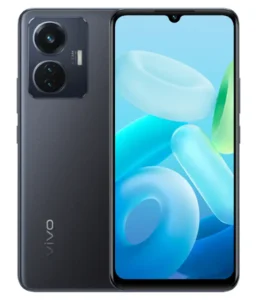
What Makes the Vivo Y55 Worth Buying?
The Vivo Y55 stands out in the budget smartphone segment with its vibrant AMOLED display technology, delivering rich colors and deep blacks that enhance everything from streaming videos to casual gaming. Unlike many competitors in this price range that settle for LCD panels, this device offers a premium visual experience typically reserved for more expensive phones.
Fast charging capabilities give the Y55 a practical edge for daily use. The 44W wired charging system powers up the substantial 5000mAh battery to 50% in just 27 minutes, meaning a quick top-up during breakfast can keep you connected throughout the day. The combination of efficient charging and generous battery capacity addresses one of the most common smartphone frustrations: running out of power at inconvenient moments.
Photography enthusiasts on a budget will appreciate the 50MP main camera sensor with phase detection autofocus. This setup captures detailed shots in good lighting conditions, while the dedicated macro lens adds versatility for close-up photography. The phone’s Snapdragon 680 4G processor handles everyday tasks smoothly, from social media browsing to light mobile gaming, without the premium price tag of flagship devices.
Things to Know Before Choosing the Vivo Y55
The most significant limitation is the absence of 5G connectivity. While the Snapdragon 680 4G chipset performs adequately for current needs, anyone planning to keep this phone for several years should consider whether future network requirements might make this a limiting factor. Areas with strong 5G rollout may find this device less future-proof than alternatives.
Camera performance drops noticeably in challenging lighting conditions. The 50MP main sensor works well outdoors and in bright environments, but low-light photography produces grainier images with less detail retention. The 2MP macro camera and auxiliary lens serve more as checkbox features than practical tools, offering limited real-world value compared to phones with ultra-wide or telephoto options.
Software support timelines for this Android 12 device with Funtouch 12 deserve consideration. Vivo’s update track record varies by region, and potential buyers should verify how long security patches and major Android updates will continue. The plastic build, while keeping costs down, feels less premium than glass or metal alternatives and may show wear over extended use.
Is the Vivo Y55 Right for You?
Students and first-time smartphone buyers will find excellent value here. The AMOLED display makes content consumption enjoyable for streaming lectures, videos, and social media, while the efficient battery life ensures the phone lasts through long days on campus without constant charging anxiety. The dedicated microSD card slot provides expandable storage for photos, documents, and downloaded content.
Social media enthusiasts benefit from the bright, colorful screen and capable 16MP selfie camera that handles video calls and content creation reasonably well. The 1080p video recording at 30fps with gyro-EIS stabilization produces smooth footage suitable for Instagram stories and TikTok videos. The phone’s 182g weight and 8.4mm thickness make it comfortable for extended one-handed use.
Budget-conscious shoppers prioritizing screen quality over raw performance will appreciate the AMOLED panel paired with respectable specs. However, mobile gamers should look elsewhere—the Adreno 610 GPU handles casual titles but struggles with demanding games at high settings. The 4G-only connectivity also makes this less suitable for tech enthusiasts wanting cutting-edge network speeds or professionals requiring the latest wireless technology.
Best Alternatives to the Vivo Y55
The Samsung Galaxy A23 4G presents a comparable option with similar specifications but brings Samsung’s established brand reputation and typically longer software support. It features a 6.6-inch display, Snapdragon 680 processor, and a versatile quad-camera setup including an ultra-wide lens that the Y55 lacks. Samsung’s One UI interface receives more consistent updates across regions, making it attractive for users prioritizing long-term software reliability over the Y55’s faster charging speeds.
Realme 9i offers competitive value with nearly identical core specifications—the same Snapdragon 680 chipset and 5000mAh battery—but adds a 90Hz refresh rate LCD display. While not AMOLED like the Y55, the higher refresh rate creates smoother scrolling and animations that some users prefer for gaming and daily navigation. Realme’s aggressive pricing often undercuts the Y55 by a noticeable margin, though build quality and camera processing may feel less refined.
The Redmi Note 11 stands out with its 90Hz AMOLED display, combining the Y55’s screen technology with smoother refresh rates. Its 33W charging is slower than the Y55’s 44W system, but the phone compensates with a more feature-rich MIUI interface and typically broader accessory ecosystem. Xiaomi’s update commitment has improved recently, though MIUI’s heavy customization and ad presence may not appeal to everyone seeking a cleaner Android experience.
For those willing to stretch their budget slightly, the Poco X4 Pro 4G delivers a significant performance boost with the Snapdragon 695 5G processor, future-proofing connectivity needs that the Y55 cannot address. Its 108MP main camera and 120Hz AMOLED display represent substantial upgrades, though the larger 6.67-inch screen and 205g weight make it less pocketable. This option suits users who can invest a bit more for notably better specifications and 5G readiness.
Motorola Moto G62 appeals to near-stock Android enthusiasts tired of heavy manufacturer skins. While its Snapdragon 480+ processor falls behind the Y55’s 680 in raw performance, the clean Android interface, guaranteed updates, and 120Hz display offer different value propositions. The 5000mAh battery with only 20W charging lags significantly behind Vivo’s fast-charging implementation, making this better suited for users who prioritize software experience over hardware specifications.
Vivo Y55 Frequently Asked Questions
Does the Vivo Y55 support 5G networks?
No, the Vivo Y55 operates exclusively on 4G LTE, 3G HSPA, and 2G GSM networks. The Qualcomm Snapdragon 680 4G chipset does not include 5G modem capabilities. This limitation means users cannot access faster 5G data speeds even in areas with 5G coverage. For those in regions with established 5G infrastructure or planning to keep their phone beyond two years, this could impact future connectivity needs.
How long does the battery last on the Vivo Y55?
The 5000mAh battery typically delivers full-day usage under moderate conditions, including web browsing, social media, video streaming, and messaging. Heavy users running GPS navigation, playing games, or streaming video continuously may need to recharge before day’s end. The included 44W fast charging significantly reduces downtime—reaching 50% capacity in approximately 27 minutes means even brief charging sessions restore substantial battery life.
Can you expand the storage on the Vivo Y55?
Yes, the Vivo Y55 includes a dedicated microSDXC card slot separate from the dual nano-SIM slots. This allows users to add removable storage without sacrificing the dual-SIM functionality. You can expand beyond the built-in 128GB to store additional photos, videos, music, and apps, making this particularly useful for users who download offline content or take many high-resolution photos.
Is the Vivo Y55 camera good for photography?
The 50MP main camera with PDAF produces detailed, sharp images in daylight and well-lit environments. Colors appear vibrant on the AMOLED screen, though processing can occasionally oversaturate hues. Low-light performance is adequate but not exceptional—expect visible noise and reduced detail in dimly lit scenes. The macro lens works for extreme close-ups, though results vary. Overall, it handles everyday photography well but won’t satisfy enthusiasts seeking advanced features like optical image stabilization or versatile zoom capabilities.
Does the Vivo Y55 have water resistance?
Vivo has not specified any official IP rating for water or dust resistance on the Y55. While the phone may withstand minor splashes or brief exposure to moisture, it lacks certified protection against water immersion or dust ingress. Users should avoid exposing the device to rain, pools, or dusty environments and cannot rely on the same durability assurances provided by IP67 or IP68 rated devices.