
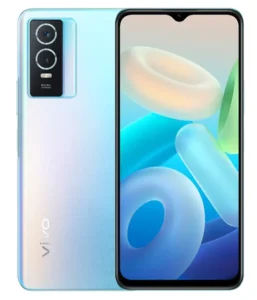
Vivo Y74s Overview, Features, and Buying Guide
The Vivo Y74s launched in November 2021 as a mid-range 5G smartphone targeting users who want future-ready connectivity without breaking the bank. Built around the MediaTek Dimensity 810 chipset, this device brings 5G capabilities to a more accessible price point while maintaining a balanced feature set across display, camera, and battery departments.
Sporting a 6.58-inch IPS LCD display with Full HD+ resolution, the Y74s delivers sharp visuals for media consumption and daily tasks. The phone’s slim 7.8mm profile and lightweight 175g build make it comfortable for extended use. With 256GB of internal storage and 8GB RAM, it handles multitasking reasonably well for its segment, though the combination targets mainstream users rather than power enthusiasts.
The dual-SIM capability allows users to manage personal and work numbers simultaneously, while the side-mounted fingerprint sensor provides quick unlocking. Vivo equipped this model with a 4100mAh battery backed by 44W fast charging, promising to reach 70% capacity in just 34 minutes. This charging speed stands out as one of the phone’s more competitive features against similarly priced alternatives.
What Makes the Vivo Y74s Worth Buying?
The standout value proposition here centers on 5G connectivity at a competitive price point when it launched. The Dimensity 810 chipset, built on a 6nm process, delivers solid efficiency for everyday tasks while keeping power consumption in check. Users get reliable performance for social media, video streaming, and light gaming without the premium pricing attached to flagship 5G devices.
Fast charging separates this phone from many budget competitors. The 44W wired charging pushes the 4100mAh battery to 70% in 34 minutes, which matters during busy days when you need quick top-ups between activities. Many phones in this category still rely on 18W or 33W charging, making the Y74s more practical for users constantly on the move.
The display quality deserves mention for its size and resolution combination. The 6.58-inch screen with 1080 x 2408 pixel resolution provides crisp text and decent color reproduction for an IPS panel. While it won’t match AMOLED vibrancy, the 401 ppi density ensures content remains sharp whether you’re reading articles or watching videos.
Storage capacity comes generous at 256GB, addressing a common pain point for budget phone buyers. With UFS 2.2 storage and a microSDXC card slot, you get both speed and expandability. This combination works well for users who download content for offline viewing or capture lots of photos and videos without worrying about space management.
The build quality strikes a practical balance with its glass front, plastic frame, and plastic back construction. While not premium materials, this approach keeps the weight down to 175g and the thickness to just 7.8mm. The phone feels manageable in hand and slips into pockets easily, which matters more for daily comfort than premium aesthetics.
Things to Know Before Choosing the Vivo Y74s
The camera setup reveals clear limitations. With just a 50MP main sensor and a 2MP macro camera, photography options remain basic. The absence of an ultrawide lens restricts creative shooting, while the 8MP selfie camera produces adequate but unexceptional results. Video recording maxes out at 1080p 30fps on both front and back, falling behind competitors offering 4K recording at this price point.
Battery capacity sits at 4100mAh, which sounds reasonable but may not last a full day under heavy use, especially with 5G enabled. The fast charging helps mitigate this issue, but users who stream video or game extensively should expect midday charging sessions. The battery’s modest size likely contributes to the phone’s slim profile, presenting a classic trade-off between thickness and endurance.
OriginOS, Vivo’s Android skin running over Android 11, comes with bloatware concerns. The interface includes pre-installed apps and promotional content that some users find intrusive. Software update support remains uncertain, with budget Vivo models historically receiving limited major Android updates. Anyone prioritizing long-term software security might find this aspect disappointing.
The IPS LCD panel, while sharp, doesn’t deliver the contrast ratios or viewing angles of AMOLED technology. Colors appear more muted, and black levels show visible grayish tones compared to organic displays. Outdoor visibility might also struggle under direct sunlight despite adequate brightness for indoor use.
Connectivity omissions include NFC and infrared ports. The missing NFC means no contactless payments through the phone, which has become standard even in budget segments. The absence of FM radio might disappoint users in regions where broadcast radio remains popular. These aren’t deal-breakers but represent features competitors sometimes include.
Is the Vivo Y74s Right for You?
Budget-conscious 5G adopters find the most value here. If your primary goal involves accessing 5G networks without spending flagship money, the Y74s delivers that capability through its Dimensity 810 chipset. The phone handles standard 5G use cases like faster downloads and smoother streaming without requiring premium pricing.
Casual users focused on media consumption appreciate the large 6.58-inch display and generous storage. The screen size works well for watching videos during commutes, while the 256GB internal storage accommodates extensive offline content libraries. The fast charging proves convenient when you need quick power boosts between viewing sessions.
Students and young professionals benefit from the dual-SIM functionality and all-day versatility. Managing school and personal numbers becomes straightforward, while the phone handles typical productivity tasks like document editing, video calls, and multitasking between apps without major slowdowns.
Photography enthusiasts should look elsewhere. The basic camera system lacks the versatility needed for creative shooting. Missing ultrawide and telephoto options limit compositional flexibility, while the 1080p video ceiling feels restrictive when many competitors offer 4K recording at similar prices.
Mobile gamers will hit performance walls with demanding titles. While the Mali-G57 MC2 GPU manages casual games acceptably, graphics-intensive games may require lowered settings to maintain smooth frame rates. The 4100mAh battery also drains quickly during gaming sessions, necessitating frequent charging.
Users wanting premium features like AMOLED displays, NFC payments, or robust camera systems need to explore alternatives. The Y74s targets practical functionality over premium experiences, making it less suitable for those who prioritize cutting-edge features or photography capabilities.
Best Alternatives to the Vivo Y74s
The Realme 8 5G competes directly with similar pricing and specifications. It offers comparable 5G performance through the Dimensity 700 chipset, though with slightly less processing power. However, it includes a 90Hz display refresh rate, providing smoother scrolling that the Y74s lacks.
Samsung Galaxy A32 5G presents a more established brand option with similar 5G capabilities. While it uses the Dimensity 720 chipset (slightly older), Samsung’s software update commitment typically exceeds Vivo’s, appealing to users who value long-term support. The camera system offers similar limitations, making this more about brand preference and software ecosystem.
Xiaomi Redmi Note 11 5G brings stronger camera specifications with a 48MP main sensor plus an 8MP ultrawide lens, addressing one of the Y74s’ weaknesses. The Dimensity 810 chipset matches Vivo’s offering, while Xiaomi’s MIUI interface provides a different software experience that some users prefer over OriginOS.
The Poco M4 Pro 5G offers better display technology with an AMOLED panel and 90Hz refresh rate at a similar price point. This provides superior visual quality and smoother interactions, though it may compromise slightly on battery life due to the more power-hungry display technology.
Vivo Y74s Frequently Asked Questions
Does the Vivo Y74s support 5G networks?
Yes, the Vivo Y74s fully supports 5G connectivity through its MediaTek Dimensity 810 chipset. The phone works with GSM, CDMA, HSPA, CDMA2000, LTE, and 5G networks, making it compatible with both current 4G infrastructure and next-generation 5G networks as they continue rolling out. The dual-SIM functionality also supports 5G on both slots, allowing flexible carrier options.
How fast does the Vivo Y74s charge?
The Vivo Y74s comes with 44W wired fast charging technology that can charge the 4100mAh battery to 70% capacity in approximately 34 minutes. This represents faster charging speeds than many competitors in the mid-range segment, which typically offer 18W or 33W charging. The included charger in the box supports this 44W speed out of the package.
Can I expand the storage on the Vivo Y74s?
Yes, the Vivo Y74s includes a microSDXC card slot that allows storage expansion beyond the built-in 256GB internal memory. This expandable storage sits alongside the dual nano-SIM slots, so you don’t have to sacrifice dual-SIM functionality to add extra storage. The internal storage uses UFS 2.2 technology for faster read and write speeds compared to older eMMC storage.
What version of Android does the Vivo Y74s run?
The Vivo Y74s ships with Android 11 overlaid with Vivo’s OriginOS custom interface. OriginOS provides Vivo’s unique visual design and feature set on top of Google’s Android operating system. While the phone launched with Android 11, the likelihood and timeline for major Android updates to newer versions depends on Vivo’s update policy for mid-range devices.
Is the Vivo Y74s good for gaming?
The Vivo Y74s handles casual and moderate gaming reasonably well through its Dimensity 810 chipset and Mali-G57 MC2 GPU. Popular games like PUBG Mobile, Call of Duty Mobile, and similar titles run at medium settings with acceptable frame rates. However, demanding graphics-intensive games may require lowered settings for smooth performance. The 4100mAh battery provides 3-4 hours of continuous gaming depending on the game’s requirements and screen brightness settings.