
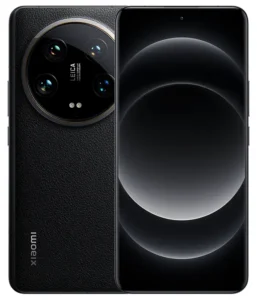
What Makes the Xiaomi 14 Ultra Worth Buying?
The Xiaomi 14 Ultra represents a serious leap in mobile photography technology. Built around a quad 50MP camera system developed with Leica, this flagship delivers professional-grade imaging capabilities that rival dedicated cameras. The standout feature is its variable aperture main sensor—ranging from f/1.6 to f/4.0—paired with a massive 1-inch sensor that captures exceptional detail in any lighting condition.
Beyond photography, the display technology impresses with 3000 nits peak brightness, making it one of the brightest smartphone screens available. This LTPO AMOLED panel supports 1920Hz PWM dimming, reducing eye strain during extended use while maintaining buttery smooth 120Hz refresh rates. The Snapdragon 8 Gen 3 processor ensures flagship performance, whether you’re editing 8K video or running demanding applications.
Premium materials define the build quality. Titanium Grade 5 framing provides aerospace-level durability while maintaining a refined aesthetic. The IP68 rating protects against water and dust, and the optional 67mm filter ring holder transforms the phone into a professional photography tool. With up to 1TB of UFS 4.0 storage and 16GB RAM, the hardware matches the ambitions of content creators and power users.
Things to Know Before Choosing the Xiaomi 14 Ultra
Weight is the most noticeable compromise. At up to 229.5 grams, this phone feels substantially heavier than most flagships. Extended one-handed use can become tiresome, especially with the larger 9.2mm thickness. The camera bump adds considerable bulk, though it houses genuinely useful optics rather than marketing specs.
Storage flexibility doesn’t exist here—there’s no microSD card slot. Buyers must commit to their chosen storage tier at purchase, whether 256GB, 512GB, or 1TB. The absence of a headphone jack continues Xiaomi’s trend toward wireless audio, though the included 24-bit Hi-Res audio support over Bluetooth partially compensates.
Battery capacity varies by market, which creates confusion. Global versions ship with 5000mAh batteries, while Chinese variants pack 5300mAh cells. Both support 90W wired and 80W wireless charging, reaching full capacity in roughly 30-45 minutes. The dual-SIM setup requires two nano-SIM cards with no eSIM option.
Software support promises four major Android upgrades from the Android 14 base, ensuring longevity through 2028. However, HyperOS represents a significant departure from MIUI, requiring an adjustment period for existing Xiaomi users. The interface prioritizes customization but includes bloatware that some users find intrusive.
Is the Xiaomi 14 Ultra Right for You?
Photography enthusiasts will find the Xiaomi 14 Ultra transformative. The quad 50MP setup covers every focal length from ultrawide 12mm to periscope telephoto 120mm, with dual optical image stabilization on three lenses. Leica’s color science delivers natural, film-like imagery that stands apart from computational photography trends. The variable aperture main camera allows creative depth-of-field control previously impossible on smartphones.
Mobile videographers benefit from 8K recording capabilities and advanced stabilization across all lenses. The phone captures Dolby Vision HDR footage at 4K 60fps, with frame rates reaching 1920fps for dramatic slow-motion effects. Professional-grade features like LOG recording and 10-bit color depth make this a legitimate tool for content creation.
Power users who demand maximum performance will appreciate the Snapdragon 8 Gen 3’s efficiency. The chip handles multitasking effortlessly, with RAM options up to 16GB ensuring smooth operation even with dozens of apps running. Gaming performance benefits from the Adreno 750 GPU, though the phone’s weight makes extended gaming sessions less comfortable than lighter alternatives.
Travelers gain advantages from two-way satellite communication, enabling emergency connectivity beyond cellular coverage. The comprehensive GPS support across multiple satellite systems ensures accurate navigation worldwide. IP68 protection provides peace of mind in challenging environments, from beach photography to rainy street scenes.
Casual users might find this phone excessive. The advanced camera features require learning to utilize fully, and the premium price exceeds what typical social media use demands. Budget-conscious buyers will discover better value in mid-range alternatives that deliver 90% of the experience for half the cost.
Best Alternatives to the Xiaomi 14 Ultra
The Samsung Galaxy S24 Ultra offers comparable performance with S Pen functionality and longer software support. Its camera system emphasizes computational photography over optical purity, appealing to users who prefer enhanced, vivid results. Samsung’s ecosystem integration benefits those already invested in Galaxy devices.
iPhone 15 Pro Max provides superior video quality and ecosystem cohesion for Apple users. The camera system prioritizes consistency across all lenses, though it lacks the variable aperture innovation found on the Xiaomi. iOS offers tighter privacy controls and more streamlined software, though at the cost of customization freedom.
Oppo Find X7 Ultra matches the camera ambition with dual periscope telephoto lenses and Hasselblad color tuning. It shares similar Snapdragon 8 Gen 3 performance while offering slightly lighter construction. Regional availability limits access in many markets.
Vivo X100 Pro delivers flagship cameras at a lower price point, sacrificing some build quality and features. Its Dimensity 9300 processor provides competitive performance, though battery life under heavy load trails behind Snapdragon alternatives.
Xiaomi 14 Ultra Frequently Asked Questions
Does the Xiaomi 14 Ultra support wireless charging?
Yes, the Xiaomi 14 Ultra supports 80W wireless charging that reaches 100% battery in approximately 46 minutes. It also includes 10W reverse wireless charging, allowing you to charge compatible accessories or other phones by placing them on the back of the device. The 90W wired charging option provides even faster charging, completing in about 33 minutes.
Can the Xiaomi 14 Ultra take good photos in low light?
The Xiaomi 14 Ultra excels in low-light photography thanks to its 1-inch main sensor with variable f/1.6-f/4.0 aperture. The large sensor size captures significantly more light than standard smartphone cameras, while the dual pixel PDAF and optical image stabilization on multiple lenses ensure sharp, detailed images even in challenging lighting. The Leica lens partnership delivers natural color reproduction that preserves mood without excessive computational enhancement.
How many years of software updates will the Xiaomi 14 Ultra receive?
Xiaomi commits to four major Android upgrades for the 14 Ultra, starting from Android 14. This means the phone should receive updates through Android 18, providing software support into 2028. Security patches typically continue beyond major version updates, though Xiaomi hasn’t specified the exact security update timeline for this model.
Is the Xiaomi 14 Ultra waterproof?
The phone carries an IP68 rating, meaning it’s dust-tight and can withstand submersion up to 1.5 meters for 30 minutes. This protects against rain, splashes, and accidental drops in water. However, IP68 certification doesn’t cover all liquids—saltwater, chlorinated pool water, and hot liquids can still cause damage. The rating also doesn’t guarantee protection against high-pressure water jets.
What’s the difference between the global and China versions?
The primary difference lies in battery capacity—Chinese versions include 5300mAh batteries while global variants ship with 5000mAh cells. Both support identical charging speeds and features. Software variations also exist, with Chinese models potentially lacking Google services and including region-specific HyperOS features. Network band support may differ to match regional carrier requirements, so verify compatibility with local networks before purchasing imported units.