
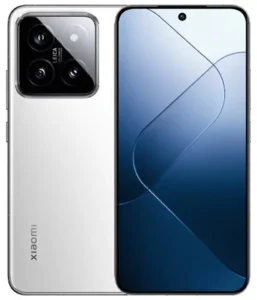
What Makes the Xiaomi 14 Worth Buying?
The Xiaomi 14 brings flagship performance in a surprisingly compact form. At just 152.8mm tall and weighing between 188-193 grams, this phone feels comfortable in one hand while delivering premium features that typically come with larger devices. The Snapdragon 8 Gen 3 processor puts it among the most powerful Android phones available, handling everything from intensive gaming sessions to professional-level content creation without breaking a sweat.
What really sets this device apart is the Leica-engineered camera system. Three 50MP sensors cover wide, telephoto, and ultrawide perspectives, giving photographers genuine versatility. The 8K video recording capability isn’t just a spec sheet number—it’s backed by 10-bit Dolby Vision HDR and proper color science, making this a legitimate tool for mobile videographers. The main camera’s large 1/1.31″ sensor captures impressive detail even in challenging lighting conditions.
Display quality reaches exceptional levels with the 6.36-inch LTPO OLED panel. Peak brightness hits 3000 nits, making outdoor visibility outstanding even under direct sunlight. The 120Hz adaptive refresh rate keeps scrolling smooth while intelligently conserving battery when high refresh rates aren’t needed. Gorilla Glass Victus protection on both front and back, combined with IP68 water resistance, means this phone can handle daily wear and tear without constant worry.
Fast charging technology removes a major pain point for power users. The 90W wired charging fills the 4610mAh battery completely in just 31 minutes, while 50W wireless charging offers cable-free convenience that still completes in under an hour. Having 10W reverse wireless charging also turns the phone into an emergency power bank for accessories.
Things to Know Before Choosing the Xiaomi 14
Battery capacity might raise concerns for heavy users. The 4610mAh cell is smaller than many competitors in this price range, though the efficient LTPO display and Snapdragon 8 Gen 3 help stretch longevity. Moderate users should get through a full day, but those who spend hours gaming or shooting video might need a midday top-up. The blazing-fast charging mitigates this somewhat, but it’s still worth considering your usage patterns.
Storage expansion isn’t possible since there’s no microSD card slot. You’ll need to choose your internal storage configuration carefully at purchase—there’s no upgrading later. The base 256GB option works for most people, but content creators shooting 8K video or maintaining large photo libraries should seriously consider the 512GB or 1TB variants. Cloud storage helps, but isn’t always practical when traveling or in areas with limited connectivity.
The phone comes in two build variants—glass back or silicone polymer back—with slight weight differences. The silicone version offers better grip and feels warmer to the touch, while the glass model delivers that premium aesthetic many expect from flagship devices. Neither choice affects functionality, but the tactile experience differs noticeably. There’s also a minor thickness variation (8.2mm vs 8.3mm) depending on configuration.
Software support looks solid with upgrades promised up to Android 15 and four major Android version updates guaranteed. HyperOS 1.1 runs on top of Android 14 out of the box, bringing Xiaomi’s custom interface and features. Some users love the additional customization options, while others prefer stock Android’s cleaner approach. The learning curve exists if you’re switching from another manufacturer.
Camera processing leans toward Leica’s photographic philosophy, which emphasizes natural colors over heavily saturated images. This appeals to photography enthusiasts but might disappoint those who prefer the punchy, vibrant look popular on social media. The camera app offers different modes to adjust color science, though it takes time to learn which settings match your preferences.
Is the Xiaomi 14 Right for You?
Mobile photographers and videographers will find genuine value here. The triple 50MP Leica system isn’t marketing fluff—it delivers professional results with proper color science and excellent dynamic range. Having 3.2x optical zoom, OIS on both main and telephoto cameras, and 8K recording capability means serious creative possibilities. The color spectrum sensor and laser autofocus add refinement that casual camera systems lack.
Power users and mobile gamers get exceptional performance from the Snapdragon 8 Gen 3 paired with up to 16GB of RAM. UFS 4.0 storage ensures fast load times, while the Adreno 750 GPU handles demanding titles smoothly. The LTPO OLED display with 120Hz refresh rate and high touch sampling makes gaming responsive and visually impressive. Stereo speakers with Snapdragon Sound enhance the multimedia experience, though the absence of a headphone jack means you’ll need wireless or USB-C audio solutions.
Compact phone enthusiasts have few flagship options this powerful in such a manageable size. The 6.36-inch screen hits the sweet spot between usability and pocketability. Many flagship phones now push past 6.7 inches, making one-handed use difficult. This device delivers full flagship specs without requiring giant hands or constant two-handed operation.
Business professionals benefit from the premium build quality, IP68 water resistance, and reliable performance. The phone handles multitasking smoothly, supports dual SIM or eSIM configurations, and charges fast enough to top up between meetings. NFC ensures compatibility with contactless payment systems, while infrared functionality lets it control various appliances and entertainment systems.
Budget-conscious buyers might want to look elsewhere. While the Xiaomi 14 offers excellent value compared to ultra-premium flagships from other brands, it still commands flagship pricing. The smaller battery and lack of expandable storage mean you’re paying premium prices without certain features found on less expensive phones. If camera quality and processing power aren’t priorities, mid-range alternatives deliver better battery life and storage flexibility for significantly less money.
Stock Android purists should test HyperOS before committing. Xiaomi’s interface adds considerable customization and features, but also departs significantly from pure Android. Some find the additional options valuable, while others see it as unnecessary bloat. The promised update support is reassuring, though update timing sometimes lags behind Pixel devices.
Best Alternatives to the Xiaomi 14
The Samsung Galaxy S24 competes directly in size and performance, offering similar Snapdragon 8 Gen 3 power with Samsung’s refined One UI interface. It provides longer software support (seven years of updates) and slightly better water resistance, though the camera system takes a different approach with Samsung’s computational photography style rather than Leica’s natural color science.
Google Pixel 8 delivers exceptional computational photography that produces stunning images from less impressive hardware on paper. The camera processing remains unmatched for point-and-shoot photography, and stock Android with guaranteed rapid updates appeals to software purists. However, the Tensor G3 processor can’t match the raw performance of Snapdragon 8 Gen 3, making it less suitable for demanding games.
iPhone 15 offers the most compact flagship experience with Apple’s ecosystem integration and industry-leading video recording. The A17 Pro chip matches or exceeds Snapdragon performance, while iOS provides unparalleled long-term software support. The trade-off comes in reduced customization, higher pricing, and Apple’s walled garden approach that doesn’t suit everyone.
OnePlus 12 brings similar flagship specs with faster 100W charging and a larger 5400mAh battery. The Hasselblad camera partnership offers a different photographic flavor than Leica, while OxygenOS provides a cleaner interface closer to stock Android. It’s slightly larger and heavier, which helps battery life but sacrifices the compact handling that makes the Xiaomi 14 distinctive.
Xiaomi 14 Frequently Asked Questions
Does the Xiaomi 14 support expandable storage?
No, the Xiaomi 14 doesn’t include a microSD card slot. You’re limited to the internal storage capacity you choose at purchase—either 256GB, 512GB, or 1TB depending on the configuration. Since you can’t add more storage later, consider your needs carefully before buying. Those who shoot lots of 8K video or maintain large photo libraries should opt for higher storage variants. Cloud storage services can supplement internal memory, but require reliable internet connectivity and often involve subscription costs.
How long does the battery last on the Xiaomi 14?
Battery life varies significantly based on usage patterns. The 4610mAh capacity combined with the efficient LTPO display and Snapdragon 8 Gen 3 processor delivers all-day endurance for moderate users—those who browse social media, stream music, take photos, and handle typical productivity tasks. Heavy users who game extensively, shoot lots of video, or keep the screen brightness maxed will likely need to recharge before evening. The good news is that 90W wired charging refills the battery completely in just 31 minutes, making quick top-ups painless.
Is the Xiaomi 14 camera good for low-light photography?
The Leica triple camera system performs impressively in challenging lighting conditions. The main 50MP sensor uses a large 1/1.31″ size with 1.2µm pixels and dual pixel PDAF, capturing substantial light even when conditions aren’t ideal. Optical image stabilization on both the main and telephoto cameras helps reduce blur from hand movement during longer exposures. The laser autofocus system locks onto subjects quickly even in darkness. While it won’t match dedicated low-light cameras, it produces clean, detailed images in dimly lit environments that would challenge lesser phone cameras.
Can the Xiaomi 14 record professional-quality video?
Yes, the video capabilities reach professional territory. The phone records 8K at 24fps with HDR, 4K with 10-bit Dolby Vision HDR or 10-bit LOG format at various frame rates, and slow-motion up to 960fps at 1080p or 1920fps at 720p. LOG recording gives videographers flat color profiles for maximum grading flexibility in post-production, while Dolby Vision HDR delivers stunning dynamic range for immediate viewing. Gyro-EIS stabilization smooths out camera shake across all recording modes. Content creators using this for YouTube, social media, or even professional projects will find it remarkably capable.
Does the phone get software updates regularly?
Xiaomi guarantees up to four major Android version updates for the Xiaomi 14, meaning it should receive Android 15, 16, 17, and 18 over its supported lifespan. The phone launched with Android 14 and HyperOS 1.1, with Android 15 already available as an upgrade. However, update timing can lag behind Google Pixel devices, which receive new Android versions immediately upon release. Security patches arrive regularly, though the exact schedule varies by region. For a flagship Android phone, the update commitment is solid, though not quite matching Samsung’s seven-year promise or Apple’s typical support duration.